Pani Puri Filling: Calories, Nutrition and Health Benefits
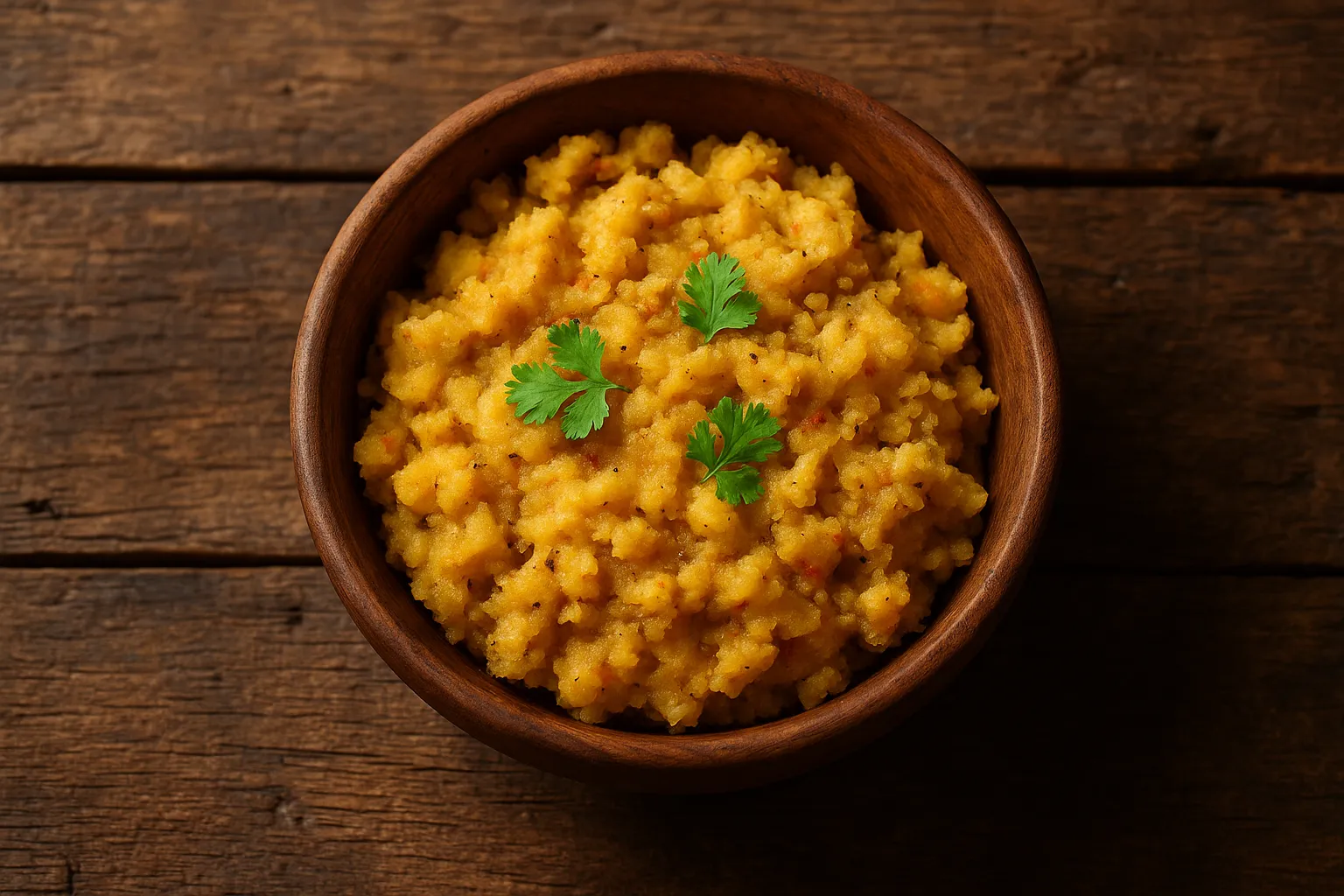
The heart of India's favorite street snack - spiced potato and chickpea mixture that delivers comfort, flavor, and energy in every bite.
Quick Nutrition Facts
Per 100g Serving
| Nutrient | Amount |
|---|---|
| Calories | 90 kcal |
| Protein | 2g |
| Carbohydrates | 19g |
| Fiber | 2.1g |
| Sugars | 1.2g |
| Fat | 0.8g |
| Sodium | 180mg |
| Potassium | 285mg |
| Vitamin C | 8.2mg |
| Iron | 0.9mg |
Macronutrient Breakdown
 ChatGPT
  Claude
  AI Mode
  Perplexity
NUTRITIONIST INSIGHT
Pani puri filling combines potatoes (energy) with chickpeas (protein and fiber). For healthier options, use boiled potatoes instead of fried, and increase chickpea proportion to boost protein content and lower glycemic impact.
Myth Busters
MYTH #1: Pani Puri Filling Is Too High in Calories
TRUTH: At 90 calories per 100g, pani puri filling is moderate in calories. A typical serving (50-60g) provides only 45-54 calories. The issue is portion control and oil-fried versions that double the calories. Homemade boiled versions are perfectly reasonable.
MYTH #2: All Street Food Is Unhealthy
TRUTH: The ingredients themselves - potatoes, chickpeas, spices - are nutritious. The concern is street food hygiene and cooking methods. Homemade pani puri filling retains nutrition while ensuring safety.
MYTH #3: Potatoes Are Bad for Weight Loss
TRUTH: Boiled potatoes have a high satiety index, meaning they keep you full longer. The issue is preparation method. Boiled potato filling with minimal oil supports weight management better than many processed snacks.
MYTH #4: Diabetics Should Never Eat Pani Puri Filling
TRUTH: While potatoes have high GI, combining them with chickpeas (low GI) and fiber reduces overall glycemic impact. Small portions paired with protein are acceptable for most diabetics with proper monitoring.
NutriScore by Health Goals
| Health Goal | NutriScore | Why This Score? |
|---|---|---|
| Weight Loss |  | Moderate 90 calories per 100g. Boiled version supports weight loss; fried adds excess fat. Control portions to 50-60g. |
| Muscle Gain | | Low protein (2g per 100g). Add extra chickpeas or pair with protein-rich foods. Provides carbs for energy but not ideal standalone muscle food. |
| Diabetes Management |  | High glycemic index from potatoes. If consuming, limit to 50g, choose chickpea-heavy versions, and always pair with protein. |
| PCOS Management | | High-carb, low-protein ratio affects insulin sensitivity. Occasional treat only; prioritize protein-fiber rich foods. |
| Pregnancy Nutrition | | Safe when homemade with proper hygiene. Potatoes provide energy; chickpeas add protein and folate. Avoid street versions. |
| Viral/Flu Recovery | | Easy to digest, provides quick energy, spices have antimicrobial properties. Ensure fresh preparation during illness. |
PERSONALIZED NUTRITION
Track your meals with NutriScan for personalized NutriScores based on your specific health goals!
Blood Sugar Response to Pani Puri Filling
Understanding how pani puri filling affects your blood glucose helps you make informed portion decisions.
Typical Glucose Response Curve
This chart shows typical blood glucose response for general healthy individuals. Individual responses may vary. Not medical advice.
How to Flatten the Spike
Pairing carb-rich foods with protein and fiber reduces blood sugar spikes:
- 🥘 Add more boiled chickpeas - Increases protein and fiber, lowers GI
- 🌱 Mix in moong dal sprouts - Adds protein and slows digestion
- 🥒 Serve with yogurt or raita - Protein and probiotics moderate absorption
- 🌰 Add crushed peanuts - Healthy fats slow glucose release
This combination provides sustained energy and better blood sugar control.
Cultural Significance
Pani puri filling is central to one of India's most beloved street foods, with regional variations spanning the subcontinent.
Regional Variations:
- North India (Delhi, UP): Potato-chickpea mix with generous spices, black salt, and tamarind
- Mumbai: Lighter filling with sprouted moong, boondi, and sweet-spicy water
- Kolkata (Puchka): Spicy potato with tangy tamarind water
- Bangalore: Ragda pani puri with white peas instead of chickpeas
Cultural Context:
- Essential street food at festivals, celebrations, and evening snacks
- Social bonding food - typically eaten in groups
- Each family has signature spice blend passed through generations
- Modern adaptations include sweet potato, quinoa, and millet-based fillings
Compare & Substitute
Pani Puri Filling vs Similar Fillings (Per 100g)
| Nutrient | 🥔 Pani Puri Filling | 🍛 Samosa Filling | 🌮 Aloo Tikki | 🥗 Chana Masala |
|---|---|---|---|---|
| Calories | 90 kcal | 165 kcal | 210 kcal | 120 kcal |
| Carbs | 19g | 22g | 28g | 18g |
| Fiber | 2.1g | 2.8g | 3.2g | 5.1g |
| Protein | 2g | 3.2g | 3.8g | 6.2g |
| Fat | 0.8g | 8.5g | 9.2g | 3.5g |
| Sodium | 180mg | 420mg | 380mg | 340mg |
| Potassium | 285mg | 310mg | 425mg | 390mg |
| Best For | Low-calorie snack | Deep-fried treat | Pan-fried meal | High-protein option |
Frequently Asked Questions
Is pani puri filling good for weight loss?
Yes, when made correctly. Boiled potato filling at 90 calories per 100g is moderate. A typical 50-60g serving (6-8 puris) provides only 45-54 calories. The fiber from chickpeas promotes fullness.
Weight loss tips: Use boiled potatoes (not fried); increase chickpea ratio to 40-50%; add moong sprouts; limit to once weekly; control total serving to 8-10 puris.
Can diabetics eat pani puri filling?
Diabetics should exercise caution. Potatoes have high glycemic index, causing rapid blood sugar spikes.
Diabetic guidelines: Limit to 40-50g serving; choose versions with more chickpeas than potato; add protein like paneer or boiled eggs; avoid sweet tamarind water; monitor blood sugar 90 minutes after eating; best as occasional treat, not regular meal.
How many calories are in pani puri filling?
100g (fills 10-12 puris): 90 calories 50g (fills 5-6 puris): 45 calories 1 tablespoon (15g): 13-14 calories
Note: Calories increase with oil-fried versions (140-160 calories per 100g) or added butter/ghee.
What is pani puri filling made of?
Traditional recipe: 60% boiled mashed potatoes, 30% boiled chickpeas, 10% onions, coriander, green chilies. Spiced with chaat masala, roasted cumin powder, black salt, red chili powder, and lemon juice.
Variations: Some add boiled moong sprouts, white peas (ragda), or sweet potato for different flavors and nutrition profiles.
Is homemade pani puri filling healthier?
Significantly healthier. Homemade versions are:
Lower in fat (30-40% less) - No reused frying oil Lower in sodium - Control salt levels Higher in hygiene - Fresh ingredients, clean preparation More nutritious - Can add extra chickpeas, sprouts, vegetables Customizable - Adjust spice levels, use sweet potato or quinoa
Street versions often use reused oil and may lack hygiene standards.
Can I eat pani puri filling during pregnancy?
Yes, but only homemade versions. Pregnant women should avoid street pani puri due to water contamination and hygiene concerns.
Pregnancy-safe preparation: Wash all vegetables thoroughly; use freshly boiled potatoes and chickpeas; ensure clean utensils; consume within 2 hours; chickpeas provide folate essential for fetal development; potatoes provide energy for pregnancy needs.
How long can I store pani puri filling?
Room temperature: 2-3 hours maximum Refrigerator: 24-36 hours in airtight container Freezer: Not recommended (potatoes become watery)
Storage tips: Store potatoes and chickpeas separately; add spices fresh before serving; smell before consuming if stored overnight; discard if sour smell develops.
What makes pani puri filling spicy?
Spice comes from: green chilies (fresh heat), red chili powder (depth), black pepper (sharp bite), chaat masala (tangy-spicy), and black salt (unique pungency).
Adjust heat: Reduce green chilies for mild version; use kashmiri chili powder for color without heat; add yogurt for cooling effect; increase coriander and mint for freshness without heat.


Similar Nutritious Foods
4505 Chicharrones Classic Chili Salt
7 Eleven Japan Crispy Corn Cheese
Explore More Nutrition Tools & Resources
AI Calorie Counter App - Snap a Photo, Get Macros
AI Nutritionist App That Reads Your Logged Meals
Best Protein Supplements for Women
Bulking Meal Plan App That Sets Your Surplus
ChatGPT Calorie Counter Alternative That Keeps the Total
ChatGPT Diet Plan Alternative That Tracks What You Eat
ChatGPT Weight Loss Coach Alternative With a Food Log
Fast Food Calorie Counter App That Reads the Tray
Free Calorie Tracker App with AI Photo Scans | NutriScan
Indian Diet Plan App With Veg and Non Veg Meals
Indian Food Calorie Calculator - Get Instant Nutrition Facts for Desi Meals — 2026
Intermittent Fasting for Women, Timer and Meal Log App
Intermittent Fasting Tracker App - Free Fasting Timer
Macro Tracker App That Fills the Numbers From a Photo
Mediterranean Diet Meal Plan App That Counts the Oil
Micronutrient Tracker App for Vitamins and Minerals
MyFitnessPal Alternative That Stays Free | NutriScan
NutriScore App: A Free Grade on Every Meal | NutriScan
Nutrition Label Scanner App for the Amount You Ate
Second Trimester Protein Guide
Vegetarian Meal Plan App With a Protein Target
Voice Calorie Counter - Speak to Track Meals Hands-Free
Water and Calorie Tracker App - Free Water Log