Plant Protein Powder: Calories, Nutrition and Health Benefits
Complete vegan protein source packed with all essential amino acids, perfect for muscle building, weight management, and plant-based nutrition.
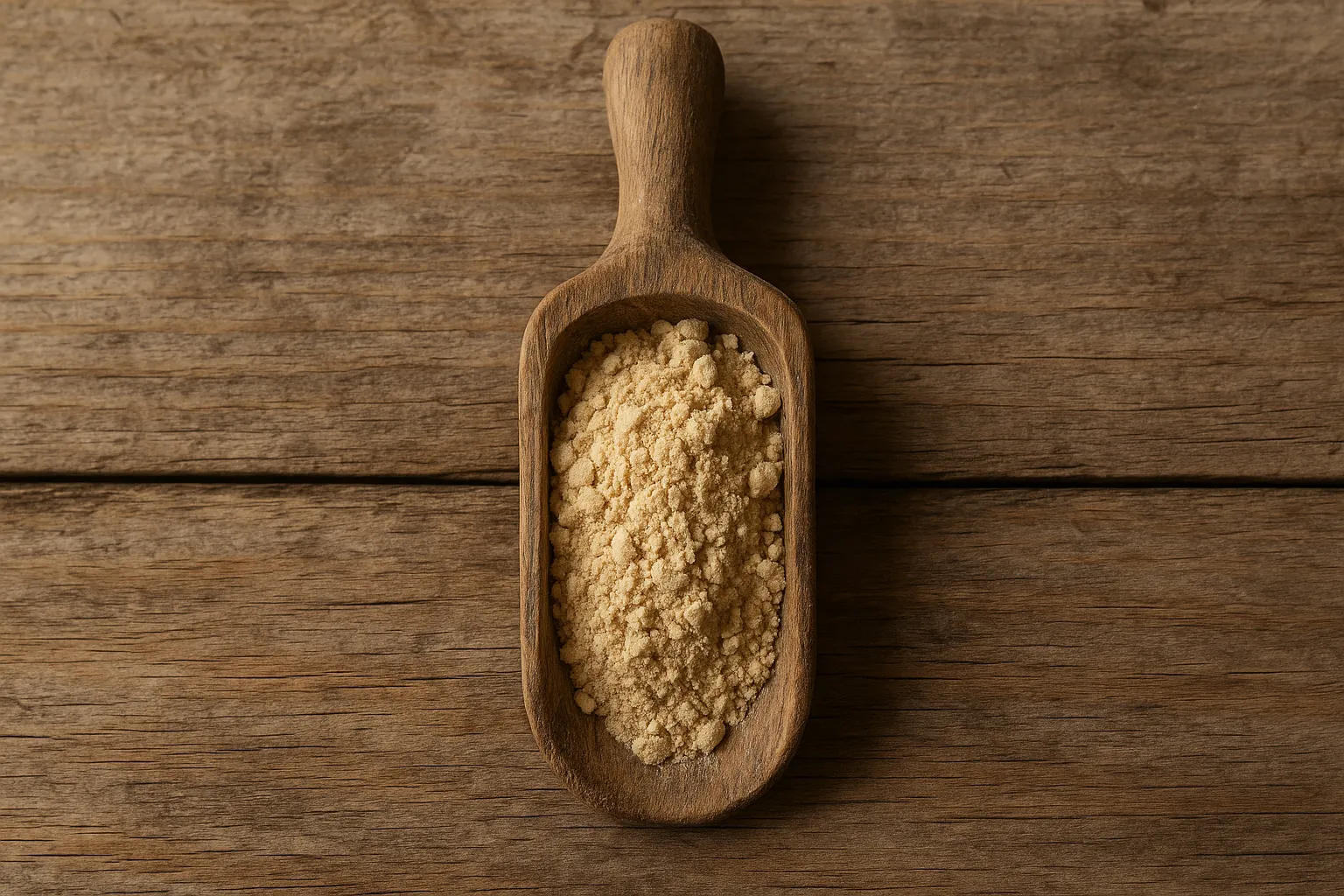
Quick Nutrition Facts
Per 1 Scoop (30g)
| Nutrient | Amount |
|---|---|
| Calories | 120 kcal |
| Protein | 24g |
| Carbohydrates | 3g |
| Fiber | 2g |
| Sugars | 1g |
| Fat | 2g |
| Iron | 5mg |
| Calcium | 150mg |
| Sodium | 280mg |
| BCAAs | 5g |
Macronutrient Breakdown
 ChatGPT
  Claude
  AI Mode
  Perplexity
NUTRITIONIST INSIGHT
Plant protein blends (pea, rice, hemp) provide complete amino acid profiles comparable to animal proteins. The 24g protein per scoop supports muscle synthesis while 2g fiber aids digestion and satiety.
Myth Busters
MYTH #1: Plant Protein Is Incomplete
TRUTH: While individual plant proteins may lack certain amino acids, blended plant proteins provide all 9 essential amino acids. Pea-rice combinations offer complete amino acid profiles matching whey protein.
MYTH #2: Plant Protein Can't Build Muscle Like Whey
TRUTH: Studies show pea protein stimulates muscle protein synthesis comparable to whey protein. Athletes gain equal muscle mass with plant or dairy protein when total protein intake is adequate.
MYTH #3: You Need More Plant Protein Than Whey
TRUTH: Protein requirements are the same (1.6-2.2g/kg bodyweight for athletes). Plant protein blends have similar digestibility (PDCAAS 0.9-1.0) to whey. Focus on total daily protein, not source.
MYTH #4: All Plant Proteins Cause Bloating
TRUTH: Bloating varies by protein source and processing. Pea protein isolate causes less gas than concentrate. Hemp and rice proteins are gentler options. Individual tolerance varies; experiment to find what works.
MYTH #5: Soy Protein Increases Estrogen
TRUTH: Soy isoflavones don't increase estrogen or decrease testosterone in men. Moderate soy protein (25-50g daily) is safe and beneficial for heart health and muscle gain.
MYTH #6: Plant Protein Tastes Bad
TRUTH: Modern plant proteins use natural flavoring and sweeteners. Premium brands taste similar to whey. Chocolate, vanilla, and berry flavors mask earthy notes. Quality varies by brand; sample packs help find preferences.
NutriScore by Health Goals
| Health Goal | NutriScore | Why This Score? |
|---|---|---|
| Weight Loss |  | 120 calories with 24g protein promotes satiety, preserves lean muscle during calorie deficit, low sugar. |
| Muscle Gain | | Complete amino acids, 5g BCAAs for muscle protein synthesis, easily digestible, ideal post-workout. |
| Diabetes Management | | Low carb (3g), minimal sugar impact on blood glucose, protein improves insulin sensitivity. |
| PCOS Management | | High protein supports hormone balance, low glycemic impact, aids weight management critical for PCOS. |
| Pregnancy Nutrition | | Provides 24g protein for fetal development, iron for blood volume, folate in fortified versions. |
| Viral/Flu Recovery |  | Easy-to-digest protein supports immune function and tissue repair, though whole foods preferred when appetite returns. |
PERSONALIZED NUTRITION
Track your protein intake with NutriScan for personalized recommendations based on your activity level and goals!
Blood Sugar Response to Plant Protein
Plant protein powder has minimal impact on blood glucose due to its low carbohydrate content and high protein composition.
Typical Glucose Response Curve
This chart shows minimal blood glucose response for general healthy individuals. Individual responses may vary. Not medical advice.
Protein Timing for Best Results
Strategic protein timing optimizes muscle synthesis and blood sugar control:
- 🏋️ Post-Workout (within 30 min) - Maximizes muscle protein synthesis and glycogen replenishment
- 🌅 Morning (with breakfast) - Kickstarts metabolism and provides sustained energy
- 🌙 Before Bed - Supports overnight muscle recovery and prevents catabolism
- 🍽️ Between Meals - Maintains satiety and stable blood sugar levels
Combine with carbs post-workout for optimal recovery; use alone between meals for appetite control and fat loss.
Cultural Significance
Plant-based protein supplements represent a modern evolution of traditional plant protein sources consumed for millennia.
Global Heritage:
- Ancient cultures relied on legumes, nuts, seeds for protein (Middle East chickpeas, Asian soybeans, Aztec chia)
- Modern plant protein industry emerged in 1950s with soy protein isolates
- Explosive growth since 2010s driven by environmental, health, and ethical concerns
In India:
- Traditional protein sources: dal (lentils), chana (chickpeas), moong (mung beans)
- Ayurveda emphasizes sattvic (pure) plant proteins for mental clarity
- India's growing plant protein market reflects shift toward sustainable nutrition
- Bodybuilders and athletes increasingly adopt plant proteins without compromising performance
Environmental Impact:
- Plant proteins require 75% less water than whey production
- Lower carbon footprint (0.4kg CO2 vs 2.5kg for whey per serving)
- Supports sustainable food systems for growing global population
Compare & Substitute
Plant Protein Sources vs Whey (Per 30g serving)
| Nutrient | 🌱 Pea Protein | 🌾 Brown Rice | 🥜 Hemp Protein | 🫘 Soy Protein | 🥛 Whey Protein |
|---|---|---|---|---|---|
| Calories | 120 kcal | 110 kcal | 130 kcal | 115 kcal | 120 kcal |
| Protein | 24g | 22g | 15g | 25g | 24g |
| Carbs | 3g | 4g | 8g | 2g | 3g |
| Fiber | 2g | 1g | 4g | 1g | 0g |
| Fat | 2g | 2g | 4g | 1.5g | 1.5g |
| Iron | 5mg | 3mg | 6mg | 4mg | 0.5mg |
| BCAAs | 5g | 4g | 3g | 5.5g | 6g |
| Best For | Muscle gain, BCAA | Hypoallergenic | Omega-3, fiber | Complete protein | Fast absorption |
Frequently Asked Questions
Is plant protein powder as effective as whey protein?
Yes, plant protein blends provide complete amino acids and support muscle growth comparable to whey. Research shows pea-rice protein combinations stimulate muscle protein synthesis equally to whey protein.
Key factors for effectiveness:
- Choose blends (pea + rice + hemp) for complete amino acid profiles; leucine content 2-3g per serving for muscle synthesis; similar protein intake (1.6-2.2g/kg bodyweight); consistent training stimulus matters more than protein source.
Studies confirm athletes gain equal muscle mass with plant or dairy protein when total protein and training are matched.
How much plant protein powder should I take daily?
General Guidelines:
- 1 scoop (30g) daily - Sedentary adults supplementing whole food protein
- 1-2 scoops (30-60g) daily - Active individuals, weight loss goals
- 2-3 scoops (60-90g) daily - Athletes, muscle gain, high activity levels
Calculation: Aim for 1.6-2.2g protein per kg bodyweight. Plant protein should provide 30-50% of daily protein, with the rest from whole foods (legumes, nuts, tofu).
Timing: Spread intake across 3-4 meals for optimal muscle protein synthesis. Single large doses (>40g) don't provide additional benefits.
Which plant protein powder is best?
Best plant protein depends on your specific goals and dietary needs:
For Muscle Gain: Pea protein (high BCAAs, leucine) or pea-rice blend For Digestion: Hemp protein (fiber, omega-3s) or rice protein (gentle on stomach) For Complete Nutrition: Multi-source blends (pea + rice + hemp + chia) For Allergies: Brown rice protein (hypoallergenic) or hemp protein For Environment: Pea protein (lowest carbon footprint, nitrogen-fixing)
Look for: Third-party testing (NSF, Informed Sport), organic certification, minimal additives, protein content 20-25g per serving, PDCAAS score 0.9+.
Can I use plant protein for weight loss?
Yes, plant protein is excellent for weight loss. The 24g protein per serving promotes satiety, preserves lean muscle mass during calorie restriction, and supports metabolic rate.
Weight Loss Benefits:
- High protein increases thermic effect of food (burn more calories digesting)
- Reduces hunger hormones (ghrelin) and increases satiety
- Preserves muscle mass during fat loss
- Low calorie (120 per scoop) with minimal sugar
Best Practices: Replace 1-2 meals/snacks daily with plant protein shakes; combine with fiber (spinach, berries) for fullness; use between meals to prevent snacking; pair with strength training to maintain muscle; maintain 300-500 calorie deficit.
Track intake with NutriScan app to ensure adequate protein while losing fat.
Is plant protein powder good for pregnancy?
Plant protein is safe and beneficial during pregnancy when choosing high-quality, third-party tested brands. Provides essential amino acids, iron, calcium, and often fortified with folate.
Pregnancy Benefits:
- 24g protein supports fetal growth and maternal tissue expansion
- Iron (5mg) helps meet increased needs (27mg daily recommended)
- Calcium for fetal bone development
- Easily digestible when morning sickness limits whole food intake
Considerations: Choose organic, third-party tested brands (avoid heavy metals); avoid added herbs, caffeine, or weight loss ingredients; pregnant women need 71g protein daily (1.1g/kg); consult healthcare provider before starting supplementation.
Best Options: Pea protein or soy protein for complete amino acids; avoid sweeteners like stevia or sugar alcohols if sensitive; combine with prenatal vitamins for comprehensive nutrition.
Does plant protein cause bloating?
Some people experience bloating from plant protein due to fiber content and oligosaccharides (fermentable carbs), but this varies by protein source and individual tolerance.
Less Bloating Options:
- Pea protein isolate (not concentrate) - Easier to digest
- Hemp protein - Gentle on digestion, natural enzymes
- Rice protein - Hypoallergenic, low fiber
- Avoid brands with sugar alcohols (sorbitol, xylitol)
Solutions if Bloating Occurs:
Start with half servings (15g) and gradually increase; take digestive enzymes (protease) with shakes; blend thoroughly (lumps cause gas); drink slowly, avoid chugging; try different protein sources to find your tolerance.
Most digestive issues resolve within 2-3 weeks as gut adapts. If bloating persists, consult healthcare provider.
How does plant protein compare to animal protein?
Plant and animal proteins both support muscle growth, weight management, and health when consumed in adequate amounts. Key differences:
Plant Protein Advantages: Lower saturated fat; contains fiber for digestion; includes phytonutrients and antioxidants; better for environment (lower carbon footprint); supports heart health (lowers cholesterol); hypoallergenic options available.
Animal Protein Advantages: Complete amino acids in single source; slightly higher leucine content; faster digestion rate; naturally contains vitamin B12.
Bottom Line: Blended plant proteins (pea + rice) provide complete amino acid profiles matching animal protein. Choose based on dietary preferences, ethics, environmental values, and individual tolerance.


Similar Nutritious Foods
4505 Chicharrones Classic Chili Salt
7 Eleven Japan Crispy Corn Cheese
Explore More Nutrition Tools & Resources
AI Calorie Counter App - Snap a Photo, Get Macros
AI Nutritionist App That Reads Your Logged Meals
Best Protein Supplements for Women
Bulking Meal Plan App That Sets Your Surplus
ChatGPT Calorie Counter Alternative That Keeps the Total
ChatGPT Diet Plan Alternative That Tracks What You Eat
ChatGPT Weight Loss Coach Alternative With a Food Log
Fast Food Calorie Counter App That Reads the Tray
Free Calorie Tracker App with AI Photo Scans | NutriScan
Indian Diet Plan App With Veg and Non Veg Meals
Indian Food Calorie Calculator - Get Instant Nutrition Facts for Desi Meals — 2026
Intermittent Fasting for Women, Timer and Meal Log App
Intermittent Fasting Tracker App - Free Fasting Timer
Macro Tracker App That Fills the Numbers From a Photo
Mediterranean Diet Meal Plan App That Counts the Oil
Micronutrient Tracker App for Vitamins and Minerals
MyFitnessPal Alternative That Stays Free | NutriScan
NutriScore App: A Free Grade on Every Meal | NutriScan
Nutrition Label Scanner App for the Amount You Ate
Second Trimester Protein Guide
Vegetarian Meal Plan App With a Protein Target
Voice Calorie Counter - Speak to Track Meals Hands-Free
Water and Calorie Tracker App - Free Water Log