Precision Fiber Supplements: Nutrition and Health Benefits
The 2025 gut health revolution moves beyond generic fiber to precision targeting. Match fiber type to your microbiome and health goals through evidence-based dosing protocols.
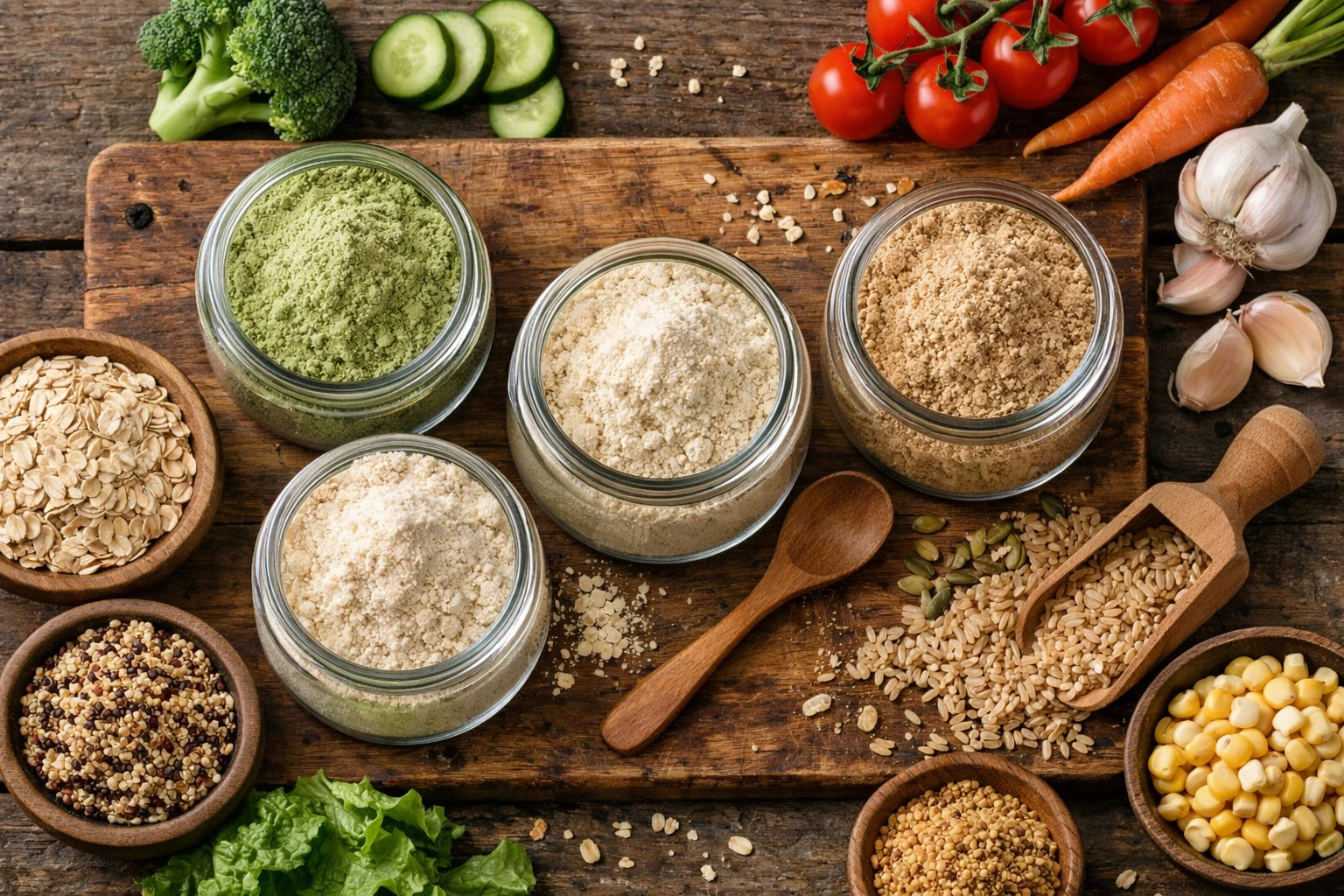
Fiber Type Quick Reference
Per Serving Nutrition
| Fiber Type | Serving Size | Fiber | Calories | Type |
|---|---|---|---|---|
| Psyllium Husk | 1 tsp (5g) | 3-4g | 15-20 | Gel-forming |
| Inulin | 1 tsp (4g) | 4g | 13-27 | Prebiotic |
| PHGG | 1 scoop (7g) | 7g | ~14 | Low-FODMAP |
| Methylcellulose | 1 tbsp (6g) | 2g | ~8 | Non-fermentable |
| Acacia Fiber | 2 tsp (10g) | 9g | ~40 | Low-FODMAP |
| Arabinoxylan | 1 tsp (3g) | 3g | 6-9 | Cholesterol-focus |
Daily Goal: 25-30g total fiber Current US Average: 15g (50% deficit)
Fiber Classification Map
 ChatGPT
  Claude
  AI Mode
  Perplexity
NUTRITIONIST INSIGHT
Different fibers target different bacteria and health outcomes. Psyllium remains non-fermentable throughout the colon making it ideal for IBS, while inulin rapidly ferments producing SCFAs but may cause gas. Match fiber type to your tolerance and goals.
Myth Busters
MYTH #1: All Fiber Is the Same
TRUTH: Fiber types differ dramatically in solubility, viscosity, and fermentability. Psyllium forms gels and remains non-fermented while inulin rapidly ferments producing gas; methylcellulose produces zero gas while acacia supports microbiome without bloating. Choose based on health goals not generic "fiber" labels.
MYTH #2: More Fiber Always Equals Better Health
TRUTH: Fiber type matters more than quantity. Wheat bran worsens IBS symptoms despite high fiber content; inulin causes inflammatory responses in some individuals at high doses. Start with 5-10g daily and increase gradually by 2-3g every few days.
MYTH #3: Fiber Supplements Don't Need Water
TRUTH: Inadequate water intake creates constipation risk and choking hazards. Consume 8oz water per fiber dose; insufficient hydration prevents gel formation and stool softening. Gel-forming fibers require substantial fluid absorption to function properly.
MYTH #4: Gas and Bloating Mean Fiber Isn't Working
TRUTH: Gas reflects fermentation producing beneficial SCFAs (butyrate, propionate, acetate) but normalizes within 3-4 weeks as microflora adapt. Switch to non-fermentable fibers (psyllium, methylcellulose) if intolerable; avoid highly fermentable fibers for IBS.
MYTH #5: Fiber Has No Calories
TRUTH: Fermentable fibers produce ~2 calories per gram through SCFA production. Inulin, acacia, and PHGG contribute calories via bacterial fermentation; non-fermentable fibers like psyllium and methylcellulose contribute negligible calories. Total caloric impact remains minimal compared to metabolic benefits.
MYTH #6: Prebiotics and Fiber Are Identical
TRUTH: All prebiotics are fibers but not all fibers are prebiotics. Prebiotics selectively stimulate beneficial bacteria (Bifidobacterium, Lactobacillus); non-fermentable fibers like psyllium provide mechanical benefits without bacterial enrichment. Choose prebiotics (inulin, acacia, PHGG) for microbiome targeting; non-fermentable for symptom relief.
NutriScore by Health Goals
| Health Goal | Best Fiber Choice | NutriScore | Why This Score? |
|---|---|---|---|
| IBS Relief | Psyllium or PHGG |  | Psyllium achieves 90-point pain reduction vs 49 for placebo; PHGG certified low-FODMAP with 71% response in normal microbiota diversity individuals. |
| Weight Loss | Psyllium (high viscosity) | | Produces 3.3kg loss vs 2.1kg control through satiety mechanisms; slows gastric emptying; triggers GLP-1 and PYY hormones reducing appetite. |
| Diabetes Management | Psyllium or Beta-Glucan | | 10g daily reduces fasting glucose and HbA1c; viscosity delays glucose absorption; beta-glucan reduces glycemic index by 4 units per gram. |
| Cholesterol Reduction | Arabinoxylan or Psyllium | | Arabinoxylan increases bile acid production breaking down cholesterol; soluble fibers reduce LDL by 0.057mmol/L per gram. |
| Microbiome Support | Acacia or PHGG | | Acacia enriches Bifidobacteria and Lactobacilli with minimal gas; PHGG ferments across entire colon producing balanced SCFAs. |
| Pregnancy | Psyllium | | 12g daily fiber reduces gestational diabetes from 24% to 8.3%; prevents excessive weight gain; safe profile. |
PERSONALIZED NUTRITION
Track your meals with NutriScan for personalized NutriScores based on your specific health goals!
Blood Sugar Response to Fiber
Viscous soluble fibers dramatically reduce postprandial glucose spikes through mechanical slowing of absorption.
Glucose Response: With vs Without Fiber
*This chart compares typical blood glucose response with and without viscous fiber supplementation. Individual responses may vary. Not medical advice.*
How Fiber Controls Blood Sugar
Viscous fibers delay glucose absorption through multiple mechanisms creating flatter, more sustained energy curves:
- 🌊 Viscosity thickens intestinal contents - Mechanical resistance to glucose absorption
- ⏱️ Slows gastric emptying - Delays carbohydrate entry into small intestine
- 🦠 SCFA production improves insulin sensitivity - Butyrate, propionate enhance metabolic health
- 📊 Beta-glucan reduces GI by 4 units per gram - Clinically meaningful glycemic control
Consume fiber 15-30 minutes before carbohydrate-containing meals for maximum glycemic benefit.
Cultural Significance & Innovation
Precision fiber supplementation represents the evolution from traditional dietary approaches to microbiome-targeted therapeutics.
2025 Market Revolution:
- Global fiber supplements market exceeded $4.5 billion with 16.3% CAGR in Asia Pacific
- Over 70% of Americans actively seek higher fiber packaged foods
- Synbiotic formulations combining prebiotics and probiotics gaining prominence
- Personalized fiber selection based on individual microbiota composition emerging
Scientific Breakthroughs:
- Stanford Medicine identified individual fiber response profiles varying dramatically by baseline genetics
- Microbiota diversity predicts PHGG responsiveness: normal diversity achieves 86% vs 57% in low diversity
- Arabinoxylan mechanism discovered: increases bile acid production breaking down cholesterol
- Individual variability explained by baseline bacterial composition, metabolic gene expression, dietary protein
Global Adoption Patterns:
- "30-30-30 lifestyle": 30g protein per meal, 30g daily fiber, 30 minutes daily exercise
- Low-FODMAP certification enables IBS populations to maintain prebiotic fiber intake
- Precision targeting replaces one-size-fits-all supplementation approaches
- Integration with whole food fiber sources achieving recommended 25-30g daily intake
Compare & Substitute
Fiber Supplement Comparison (Typical Serving)
| Property | 🌾 Psyllium (5g) | 🌱 Inulin (4g) | 💧 PHGG (7g) | 💊 Methylcellulose (2g) |
|---|---|---|---|---|
| Fiber | 3-4g | 4g | 7g | 2g |
| Calories | 15-20 | 13-27 | ~14 | ~8 |
| Solubility | 70% soluble | 100% soluble | 100% soluble | 100% soluble |
| Fermentability | Non-fermentable | Rapidly fermentable | Moderately fermentable | Non-fermentable |
| Gas Risk | Minimal | High | Low-Moderate | Minimal |
| SCFA Production | Minimal | High (acetate, butyrate) | Moderate (balanced) | None |
| Best For | IBS, diabetes, weight | Microbiome enrichment | Low-FODMAP IBS | Gas-sensitive populations |
Frequently Asked Questions
What are precision fiber supplements?
Precision fiber supplements target specific gut bacteria and health outcomes through distinct physicochemical properties. Psyllium (3-6g/tsp) forms gels and remains non-fermentable for IBS relief; inulin (5-10g) rapidly ferments enriching Bifidobacterium; PHGG (7g/scoop) ferments moderately with low gas; methylcellulose (2g/tbsp) provides non-fermentable gel-forming without any bacterial fermentation; acacia (10g optimal) enriches beneficial bacteria with minimal bloating; arabinoxylan (3-5g) specifically targets cholesterol reduction through bile acid mechanisms.
Which fiber is best for IBS?
Psyllium proves most effective achieving 90-point abdominal pain reductions compared to 49 points for placebo in IBS populations. PHGG works for both IBS-C and IBS-D subtypes at 10g daily with 71% response rates in individuals with normal baseline microbiota diversity (Shannon Index ≥3); low-diversity individuals achieve only 57% response. Avoid highly fermentable fibers like inulin that rapidly produce gas causing bloating and pain; choose low-FODMAP certified fibers including acacia or PHGG for IBS management.
Do fiber supplements help with weight loss?
Yes, psyllium produces 3.3kg weight loss over 6 months versus 2.1kg for control groups through multiple mechanisms: increased gastric distention with viscous fibers stimulating satiety; slower gastric transit time increasing macronutrient-intestinal wall interaction; GLP-1 and PYY hormone secretion reducing appetite. Psyllium outperformed PHGG by 1.76kg and reduced metabolic syndrome incidence from 12.5% to 2.1%; high viscosity combined with non-fermentable properties produces superior weight loss compared to moderately fermentable alternatives.
Can fiber supplements lower blood sugar?
Yes, viscous fibers like psyllium at 10g daily reduce fasting glucose and hemoglobin A1c in type 2 diabetes patients through delayed glucose absorption via mechanical thickening of intestinal contents. Beta-glucan reduces glycemic index by approximately 4 units per gram consumed; high-protein diets combined with fiber reduce 24-hour integrated glucose by 40% compared to standard diets. Inulin shows modest direct glucose effects but improves body composition; viscosity proves critical for glycemic control with gel-forming fibers producing strongest benefits.
What fiber reduces cholesterol best?
Soluble fibers reduce total cholesterol by 0.045mmol/L per gram and LDL cholesterol by 0.057mmol/L per gram through mechanical trapping of cholesterol and bile acids. Arabinoxylan produces strongest LDL reductions via increased gut-bacteria-derived bile acid production that breaks down cholesterol and lipids; strong responders demonstrate elevated liver and stomach proteins involved in cholesterol-to-bile acid conversion. 3g soluble fiber from oats (3 servings oatmeal) decreases cholesterol by 0.13mmol/L; psyllium achieves similar effects through viscosity-mediated mechanisms.
How much fiber should I take daily?
General recommendations: 25-30g total daily fiber from combined food and supplement sources (most Americans consume only 15g creating 50% deficit). Psyllium: 5-10g daily in divided doses (2.5-5g twice daily); Inulin: 10-40g daily but start with 5-10g due to gas risk; PHGG: 10g daily optimal for IBS and microbiome support; Methylcellulose: 2-4g daily; Acacia: 10g optimal with tolerance up to 50g daily. Increase gradually by 2-3g every few days monitoring tolerance; consume 8oz water per fiber dose.
Can I take fiber supplements while pregnant?
Yes, fiber supplementation proves safe and beneficial during pregnancy. Research demonstrates 12g dietary fiber supplements twice daily from weeks 20-24 gestation reduces gestational diabetes incidence from 24% to 8.3%, decreases fasting plasma glucose, reduces excessive weight gain from 68% to 46.7%, and eliminates preterm births (0% vs 12% control). Psyllium demonstrates established safety profile; inulin safety in supplemental doses remains unclear requiring healthcare provider consultation. Adequate fiber intake supports maternal glucose control and fetal development.
Why do fiber supplements cause gas?
Gas production reflects bacterial fermentation producing short-chain fatty acids (butyrate, propionate, acetate) essential for gut health. Rapid fermentation from inulin or wheat bran outpaces gastrointestinal tract's gas absorption capacity causing bloating and flatulence; gas normalizes within 3-4 weeks as microflora adapt to increased substrate availability. Switch to non-fermentable fibers (psyllium, methylcellulose) producing minimal gas; choose low-fermentation options (acacia, PHGG) that ferment gradually across entire colon matching absorption capacity; ensure adequate water intake (8oz per dose).




Similar Gut Health Foods
4505 Chicharrones Classic Chili Salt
7 Eleven Japan Crispy Corn Cheese
Explore More Nutrition Tools & Resources
AI Calorie Counter App - Snap a Photo, Get Macros
AI Nutritionist App That Reads Your Logged Meals
Best Protein Supplements for Women
Bulking Meal Plan App That Sets Your Surplus
ChatGPT Calorie Counter Alternative That Keeps the Total
ChatGPT Diet Plan Alternative That Tracks What You Eat
ChatGPT Weight Loss Coach Alternative With a Food Log
Fast Food Calorie Counter App That Reads the Tray
Free Calorie Tracker App with AI Photo Scans | NutriScan
Indian Diet Plan App With Veg and Non Veg Meals
Indian Food Calorie Calculator - Get Instant Nutrition Facts for Desi Meals — 2026
Intermittent Fasting for Women, Timer and Meal Log App
Intermittent Fasting Tracker App - Free Fasting Timer
Macro Tracker App That Fills the Numbers From a Photo
Mediterranean Diet Meal Plan App That Counts the Oil
Micronutrient Tracker App for Vitamins and Minerals
MyFitnessPal Alternative That Stays Free | NutriScan
NutriScore App: A Free Grade on Every Meal | NutriScan
Nutrition Label Scanner App for the Amount You Ate
Second Trimester Protein Guide
Vegetarian Meal Plan App With a Protein Target
Voice Calorie Counter - Speak to Track Meals Hands-Free
Water and Calorie Tracker App - Free Water Log