Quorn Pieces: Calories, Nutrition and Health Benefits
A high-protein, low-calorie meat alternative made from mycoprotein, delivering 14g protein and 5g fiber per 100g with a fraction of the environmental footprint.
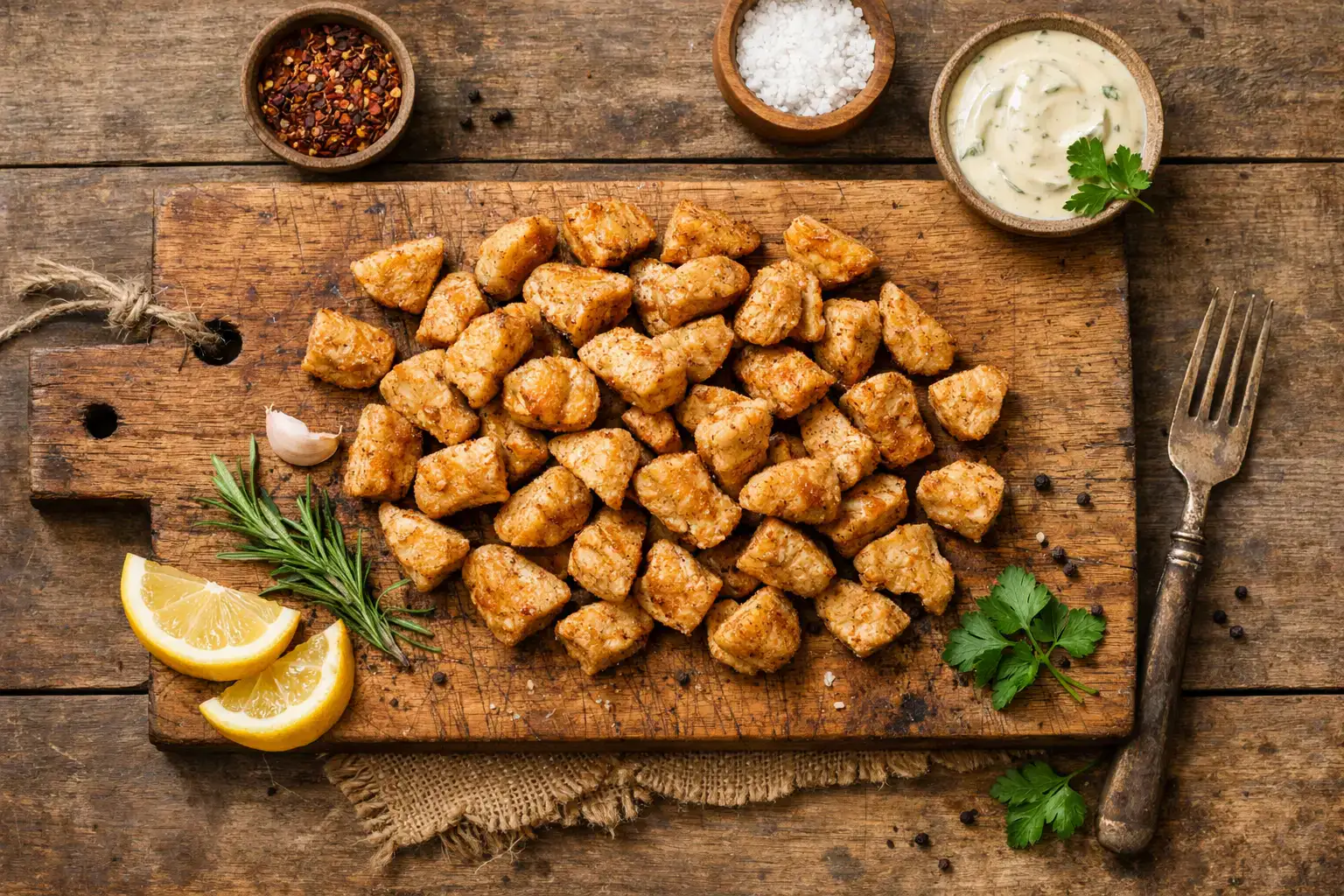
Quick Nutrition Facts
Per 100g Quorn Pieces
| Nutrient | Amount |
|---|---|
| Calories | 86 kcal |
| Protein | 14g |
| Carbohydrates | 2g |
| Fiber | 5g |
| Sugars | 0.5g |
| Fat | 3g |
| Saturated Fat | 0.7g |
| Iron | 1.2mg |
| Zinc | 3.3mg |
| Folate | 48mcg |
Macronutrient Breakdown
 ChatGPT
  Claude
  AI Mode
  Perplexity
NUTRITIONIST INSIGHT
Quorn mycoprotein has a protein digestibility score of 0.996, nearly identical to animal protein. With 5g of fiber per 100g (more than baked beans), it promotes satiety and gut health while keeping calories remarkably low at just 86 per serving.
Myth Busters
MYTH #1: Quorn Is Heavily Processed Junk Food
TRUTH: Quorn is made from Fusarium venenatum, a naturally occurring fungus fermented similarly to yogurt or beer. Research confirms mycoprotein is nutrient-dense, high in protein and fiber, and low in fat, cholesterol, sodium, and sugar.
MYTH #2: Quorn Doesn't Provide Complete Protein
TRUTH: Mycoprotein contains all nine essential amino acids with a protein digestibility-corrected amino acid score of 0.996, making it one of the highest-quality non-animal protein sources available.
MYTH #3: You Can't Build Muscle on Quorn
TRUTH: Studies show mycoprotein stimulates muscle protein synthesis comparably to animal protein. The high protein content (14g/100g) combined with all essential amino acids makes it effective for muscle maintenance and growth.
MYTH #4: Quorn Causes Allergic Reactions in Most People
TRUTH: Reported intolerance reactions to Quorn are very low relative to common allergenic foodstuffs like nuts, shellfish, or dairy. Most people tolerate mycoprotein without any issues.
MYTH #5: Quorn Has No Real Nutritional Value
TRUTH: Per 100g, Quorn provides 14g protein, 5g fiber, B vitamins (B1, B2, B3), folate, iron, and zinc. It has more fiber than baked beans, potatoes, or brown rice per 100g serving.
NutriScore by Health Goals
| Health Goal | NutriScore | Why This Score? |
|---|---|---|
| Weight Loss |  | Only 86 calories with 14g protein and 5g fiber. Mycoprotein reduces energy intake by 10% compared to chicken meals. |
| Muscle Gain | | Complete protein with PDCAAS 0.996, stimulates muscle protein synthesis comparable to animal protein. |
| Diabetes Management | | Only 2g carbs per 100g. Mycoprotein reduces postprandial glycemia by 13% and insulinemia by 36% at 60 min. |
| PCOS Management | | High protein, very low carb profile supports insulin sensitivity. Fiber promotes hormonal balance. |
| Pregnancy Nutrition |  | Safe protein source for pregnant vegetarians per NHS guidelines. Provides folate and B vitamins. Cook thoroughly. |
| Viral/Flu Recovery | | Easy to digest protein, B vitamins support immune function. Fiber supports gut-immune axis. |
PERSONALIZED NUTRITION
Track your meals with NutriScan for personalized NutriScores based on your specific health goals!
Blood Sugar Response to Quorn Pieces
Understanding how Quorn pieces affect your blood glucose can help you make informed decisions about meal planning, especially if you manage diabetes.
Typical Glucose Response Curve
This chart shows typical blood glucose response for general healthy individuals. Individual responses may vary. Not medical advice.
How to Flatten the Spike
Mycoprotein's high fiber content naturally moderates glucose absorption, but pairing with additional nutrients can further optimize your response:
- 🥗 Leafy green salad - Adds fiber and micronutrients without extra carbs
- 🥑 Avocado slices - Healthy fats slow digestion further
- 🍠 Sweet potato (small portion) - Complex carbs for sustained energy
- 🫒 Olive oil dressing - Healthy monounsaturated fats improve insulin response
This combination provides a balanced meal with minimal blood sugar impact while maximizing satiety.
Cultural Significance
Quorn originated in the UK in the 1980s, born from research into sustainable protein alternatives during concerns about global food security.
In the UK and Europe:
- First sold in 1985, now available in 17 countries worldwide
- Pioneered the meat-free category in supermarkets
- Integral to the UK vegetarian and flexitarian movement
- Used in traditional British dishes: pies, curries, stir-fries, Sunday roasts
Global Impact:
- Mycoprotein uses 10x less land, water, and carbon than beef production
- Part of the growing plant-based protein movement addressing climate change
- Fusarium venenatum was originally discovered in a soil sample from Marlow, Buckinghamshire
- Now consumed by millions as a staple protein source in meat-free households
Compare & Substitute
Quorn Pieces vs Similar Protein Sources (Per 100g)
| Nutrient | Quorn Pieces | Chicken Breast | Tofu (Firm) | Tempeh |
|---|---|---|---|---|
| Calories | 86 kcal | 165 kcal | 144 kcal | 192 kcal |
| Carbs | 2g | 0g | 2g | 8g |
| Fiber | 5g | 0g | 1g | 5g |
| Protein | 14g | 31g | 17g | 20g |
| Fat | 3g | 3.6g | 8g | 11g |
| Iron | 1.2mg | 0.7mg | 2.7mg | 2.7mg |
| Sugar | 0.5g | 0g | 0.6g | 0g |
| Cholesterol | 0mg | 85mg | 0mg | 0mg |
| Best For | Low-cal high-fiber protein | Maximum protein per serving | Versatile plant protein | Fermented gut-health protein |
Frequently Asked Questions
Is Quorn good for weight loss?
Yes, Quorn pieces are excellent for weight loss. With only 86 calories per 100g but 14g protein and 5g fiber, they promote strong satiety. Research shows mycoprotein meals reduce energy intake by 10% compared to equivalent chicken meals.
Best practices: Use in stir-fries, curries, and salads to replace higher-calorie meats. The high fiber content keeps you fuller for longer between meals.
Can diabetics eat Quorn?
Quorn is highly beneficial for diabetes management. With only 2g carbs per 100g, it has minimal impact on blood sugar. Studies show mycoprotein reduces postprandial glycemia by 13% and insulinemia by up to 36%.
Tips for diabetics:
- Use as primary protein source in meals to reduce overall glycemic load
- Pair with non-starchy vegetables for optimal blood sugar control
- Excellent substitute for higher-carb protein sources like legumes
- Monitor portions as with any food; consult your healthcare provider
How much protein is in Quorn pieces?
Quorn pieces contain 14g of protein per 100g. The protein quality is exceptional, with a digestibility-corrected amino acid score of 0.996, nearly identical to animal protein sources like chicken or eggs.
For muscle gain, combine with complementary carb sources like brown rice or quinoa post-workout.
What are the main health benefits of Quorn?
Key Benefits:
- Weight Management: 86 calories with 14g protein and 5g fiber promotes satiety
- Cholesterol Reduction: Mycoprotein consumption lowers total blood cholesterol
- Blood Sugar Control: Reduces postprandial glucose and insulin responses
- Gut Health: 5g fiber per 100g supports beneficial gut bacteria and short-chain fatty acid production
- Muscle Support: Complete protein with all essential amino acids at high digestibility
- Environmental: 10x less carbon, land, and water footprint than beef
Is Quorn safe during pregnancy?
Yes, Quorn is safe during pregnancy. The NHS includes mycoprotein as an acceptable protein source for pregnant vegetarians. It provides folate, B vitamins, and high-quality protein important for fetal development.
Precautions: Always cook thoroughly, check for any personal allergies or sensitivities, and maintain a varied diet with multiple protein sources. Consult your healthcare provider if unsure.
Is Quorn a complete protein?
Yes, Quorn mycoprotein contains all nine essential amino acids. Its protein digestibility-corrected amino acid score (PDCAAS) of 0.996 is among the highest of any non-animal protein source, making it nutritionally comparable to chicken, eggs, and dairy.
Track your meals with NutriScan app to see how Quorn fits your personal nutrition goals.


Similar Nutritious Foods
4505 Chicharrones Classic Chili Salt
7 Eleven Japan Crispy Corn Cheese
Explore More Nutrition Tools & Resources
AI Calorie Counter App - Snap a Photo, Get Macros
AI Nutritionist App That Reads Your Logged Meals
Best Protein Supplements for Women
Bulking Meal Plan App That Sets Your Surplus
ChatGPT Calorie Counter Alternative That Keeps the Total
ChatGPT Diet Plan Alternative That Tracks What You Eat
ChatGPT Weight Loss Coach Alternative With a Food Log
Fast Food Calorie Counter App That Reads the Tray
Free Calorie Tracker App with AI Photo Scans | NutriScan
Indian Diet Plan App With Veg and Non Veg Meals
Indian Food Calorie Calculator - Get Instant Nutrition Facts for Desi Meals — 2026
Intermittent Fasting for Women, Timer and Meal Log App
Intermittent Fasting Tracker App - Free Fasting Timer
Macro Tracker App That Fills the Numbers From a Photo
Mediterranean Diet Meal Plan App That Counts the Oil
Micronutrient Tracker App for Vitamins and Minerals
MyFitnessPal Alternative That Stays Free | NutriScan
NutriScore App: A Free Grade on Every Meal | NutriScan
Nutrition Label Scanner App for the Amount You Ate
Second Trimester Protein Guide
Vegetarian Meal Plan App With a Protein Target
Voice Calorie Counter - Speak to Track Meals Hands-Free
Water and Calorie Tracker App - Free Water Log