Raw Peanuts: Calories, Nutrition and Health Benefits
Nutrient-dense legume packed with plant protein, healthy fats, and powerful antioxidants for heart health and sustained energy.
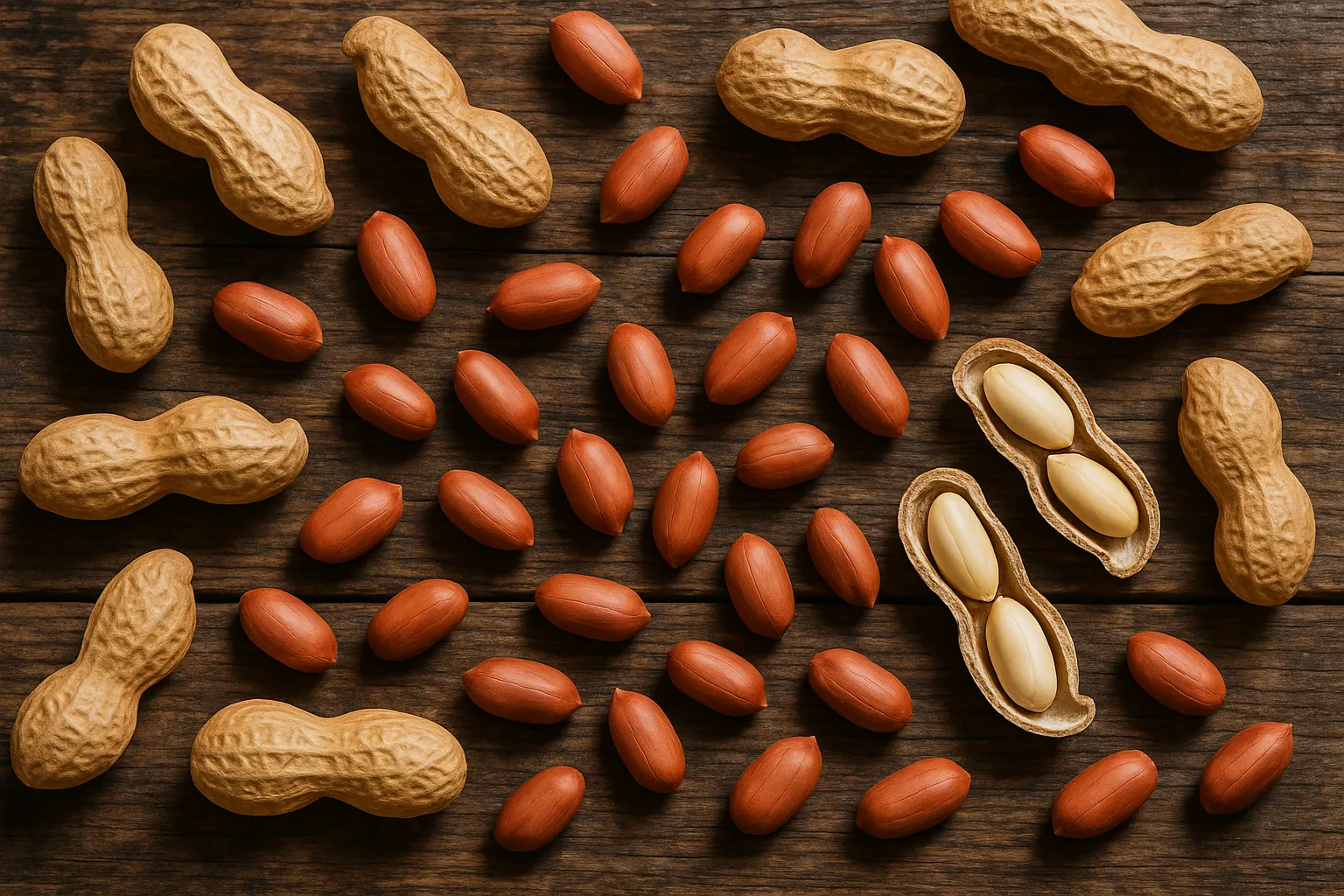
Quick Nutrition Facts
Per 100g (about 2/3 cup)
| Nutrient | Amount |
|---|---|
| Calories | 567 kcal |
| Protein | 25.8g |
| Carbohydrates | 16.1g |
| Fiber | 8.5g |
| Sugars | 4.7g |
| Fat | 49.2g |
| Saturated Fat | 6.8g |
| Vitamin E | 8.3mg |
| Magnesium | 168mg |
| Phosphorus | 376mg |
Macronutrient Breakdown
 ChatGPT
  Claude
  AI Mode
  Perplexity
NUTRITIONIST INSIGHT
Raw peanuts deliver 42% of daily magnesium needs in just 100g. The combination of protein, fiber, and healthy fats makes them one of the most satiating snacks for appetite control.
Myth Busters
MYTH #1: Peanuts Cause Weight Gain
TRUTH: Despite 567 calories per 100g, studies show regular peanut consumption doesn't lead to weight gain when portion-controlled. The high protein (25.8g) and fiber (8.5g) promote fullness; limit to 30g daily for weight management.
MYTH #2: Peanuts Are Too High in Fat
TRUTH: 80% of peanut fat is heart-healthy unsaturated fat (mono and polyunsaturated). Regular nut consumption reduces cardiovascular disease risk, especially in people with diabetes; saturated fat is only 6.8g per 100g.
MYTH #3: Diabetics Should Avoid Peanuts
TRUTH: Raw peanuts have a low glycemic index (14) and improve insulin sensitivity. They help stabilize blood sugar levels; consume 30-40g daily as part of diabetes management.
MYTH #4: Raw Peanuts Are Hard to Digest
TRUTH: While raw peanuts take longer to digest than roasted, this is beneficial for blood sugar control and sustained energy release. Soak for 2-4 hours if you have digestive concerns.
MYTH #5: Peanuts Have No Antioxidants
TRUTH: Raw peanuts contain resveratrol (same as red wine) and p-coumaric acid antioxidants. The red skin is especially rich in polyphenols; eat with skin for maximum benefits.
MYTH #6: All Peanuts Are Equally Nutritious
TRUTH: Raw peanuts retain more vitamin E and resveratrol than roasted. Avoid salted or flavored varieties with added sodium (300-500mg vs 18mg in raw). Choose organic to minimize aflatoxin exposure.
NutriScore by Health Goals
| Health Goal | NutriScore | Why This Score? |
|---|---|---|
| Weight Loss |  | High satiety despite calories. Limit to 30g (170 kcal) daily; protein and fiber control appetite. |
| Muscle Gain |  | Excellent plant protein (25.8g per 100g), healthy fats for hormone production, 376mg phosphorus for ATP energy. |
| Diabetes Management | | Low GI (14) improves insulin sensitivity; 30-40g daily stabilizes blood sugar. |
| PCOS Management | | Healthy fats support hormones; magnesium reduces inflammation. Limit to 30g daily due to calories. |
| Pregnancy Nutrition | | Rich in folate (240mcg per 100g), protein for fetal growth, magnesium prevents leg cramps. Avoid if allergy risk in family; consume 30-40g daily. |
| Viral/Flu Recovery | | Vitamin E (8.3mg) boosts immunity, protein supports tissue repair, zinc aids recovery. Easy to digest when soaked. |
PERSONALIZED NUTRITION
Track your meals with NutriScan for personalized NutriScores based on your specific health goals!
Blood Sugar Response to Raw Peanuts
Understanding how raw peanuts affect blood glucose demonstrates their superior metabolic benefits.
Typical Glucose Response Curve
This chart shows minimal blood glucose response for general healthy individuals due to low GI (14). Individual responses may vary. Not medical advice.
Why Peanuts Stabilize Blood Sugar
Raw peanuts have minimal impact on blood glucose due to their unique nutrient profile:
- 🥜 High protein and fat - Slows carbohydrate digestion and glucose absorption
- 🌾 8.5g fiber - Further reduces glucose spike and improves insulin response
- 🩺 Low glycemic index (14) - One of the lowest GI foods available
- ⚡ Resistant starch - Feeds beneficial gut bacteria and improves metabolic health
Combine with vegetables or low-GI fruits for balanced snacks that maintain stable energy throughout the day.
Cultural Significance
Peanuts originated in South America over 7,600 years ago and spread globally through trade routes.
In India:
- Introduced by Portuguese traders in 16th century
- Gujarat and Andhra Pradesh are major producers
- Essential in chaat (masala peanuts), chutneys, and sweets like chikki
- Used in Ayurveda for balancing Vata dosha and building strength
- Festival foods: peanut laddoos during Makar Sankranti
Global Impact:
- 44 million metric tons produced annually worldwide
- Grown in over 100 countries; India and China lead production
- Critical protein source for food security in developing nations
- Peanut butter is a $2 billion industry in the United States alone
Compare & Substitute
Raw Peanuts vs Similar Nuts & Seeds (Per 100g)
| Nutrient | 🥜 Raw Peanuts | 🌰 Almonds | 🥜 Cashews | 🌻 Sunflower Seeds |
|---|---|---|---|---|
| Calories | 567 kcal | 579 kcal | 553 kcal | 584 kcal |
| Carbs | 16.1g | 21.6g | 30.2g | 20g |
| Fiber | 8.5g | 12.5g | 3.3g | 8.6g |
| Protein | 25.8g | 21.2g | 18.2g | 20.8g |
| Fat | 49.2g | 49.9g | 43.8g | 51.5g |
| Magnesium | 168mg | 270mg | 292mg | 325mg |
| Vitamin E | 8.3mg | 25.6mg | 0.9mg | 35.2mg |
| Best For | High protein, low GI | Vitamin E, fiber, weight loss | Creamy taste, lower calories | Highest vitamin E, selenium |
Frequently Asked Questions
Are raw peanuts good for weight loss?
Raw peanuts support weight loss despite being calorie-dense (567 kcal per 100g). The combination of high protein (25.8g) and fiber (8.5g) creates exceptional satiety.
Best practices: Limit to 30g daily (about a small handful, 170 calories); eat as mid-morning or afternoon snack; pair with cucumber or carrot sticks; avoid salted or oil-roasted varieties.
Research shows regular peanut consumption doesn't lead to weight gain when portion-controlled due to high satiety and incomplete calorie absorption.
Can diabetics eat raw peanuts?
Raw peanuts are excellent for diabetes with a glycemic index of just 14. They improve insulin sensitivity and help stabilize blood sugar levels throughout the day.
Tips for diabetics: Consume 30-40g daily; best timing is between meals (mid-morning or afternoon); pair with vegetables for fiber; monitor blood sugar after first consumption to assess personal response.
Studies show regular peanut consumption reduces cardiovascular disease risk in people with type 2 diabetes.
How much protein is in raw peanuts?
Raw peanuts contain 25.8g of protein per 100g, making them one of the highest plant-based protein sources. A standard 30g serving provides approximately 7.7g of protein.
For muscle building or high-protein diets, combine peanuts with complementary proteins like dairy or whole grains to ensure complete amino acid profile.
What are the main health benefits of raw peanuts?
Key Benefits:
- Heart Health: Monounsaturated fats lower LDL cholesterol; resveratrol protects cardiovascular system
- Blood Sugar Control: Low GI (14) stabilizes glucose; improves insulin sensitivity
- Muscle Building: 25.8g protein supports muscle repair and growth
- Bone Health: 168mg magnesium and 376mg phosphorus strengthen bones
- Skin Protection: Vitamin E (8.3mg) fights oxidative damage and aging
- Brain Function: Niacin supports cognitive health; folate aids neurotransmitter production
When is the best time to eat raw peanuts?
Depends on your goal:
- Weight Loss: Mid-morning or mid-afternoon snack (controls appetite between meals). Avoid evening due to high calories.
- Muscle Gain: Post-workout (within 60 minutes) or pre-workout (60-90 minutes before) for sustained energy.
- Diabetes: Between meals to stabilize blood sugar. Not immediately before bed.
- Energy: Morning or before physical activities for sustained fuel.
IMPORTANT NOTE
Avoid eating large amounts late at night as peanuts are calorie-dense and digestion slows during sleep.
Are raw or roasted peanuts healthier?
Both have benefits - choose based on priorities:
Raw Peanuts:
- Retain more vitamin E and resveratrol antioxidants
- No added sodium or oils
- Lower calorie density (no added fats)
- Better for maximum nutrient preservation
Roasted Peanuts:
- Higher antioxidant availability (heat increases accessibility)
- Easier to digest
- Better flavor and crunch
- Risk of acrylamide formation if over-roasted
Recommendation: Raw peanuts for maximum nutrition; light roasting for better taste without significant nutrient loss. Avoid heavily salted or oil-roasted varieties.
How many raw peanuts should I eat per day?
General Guidelines:
- 30g daily (small handful) - Weight loss and general health (170 calories, 7.7g protein)
- 40-50g daily - Muscle gain, athletes, active individuals (227-283 calories)
- 30-40g daily - Diabetes management and heart health
- 20-30g daily - PCOS, pregnancy (if no allergy concerns)
Avoid excess: More than 60-80g daily provides too many calories and can stress digestion. Always portion into small containers to prevent overeating.
Track your meals with NutriScan app to see how peanuts fit your personal nutrition goals.
Can I eat raw peanuts on an empty stomach?
Generally safe for most people - provides sustained energy and doesn't spike blood sugar.
May want to moderate if you have:
- Digestive sensitivity: Soak 2-4 hours for easier digestion
- IBS or GERD: May cause bloating; start with 15-20g
- Peanut intolerance: Watch for symptoms like bloating or gas
Better approach: Pair with fruit or vegetables for balanced nutrition. Soaking raw peanuts overnight enhances nutrient absorption and reduces anti-nutrients.


Similar Nutritious Foods
4505 Chicharrones Classic Chili Salt
7 Eleven Japan Crispy Corn Cheese
Explore More Nutrition Tools & Resources
AI Calorie Counter App - Snap a Photo, Get Macros
AI Nutritionist App That Reads Your Logged Meals
Best Protein Supplements for Women
Bulking Meal Plan App That Sets Your Surplus
ChatGPT Calorie Counter Alternative That Keeps the Total
ChatGPT Diet Plan Alternative That Tracks What You Eat
ChatGPT Weight Loss Coach Alternative With a Food Log
Fast Food Calorie Counter App That Reads the Tray
Free Calorie Tracker App with AI Photo Scans | NutriScan
Indian Diet Plan App With Veg and Non Veg Meals
Indian Food Calorie Calculator - Get Instant Nutrition Facts for Desi Meals — 2026
Intermittent Fasting for Women, Timer and Meal Log App
Intermittent Fasting Tracker App - Free Fasting Timer
Macro Tracker App That Fills the Numbers From a Photo
Mediterranean Diet Meal Plan App That Counts the Oil
Micronutrient Tracker App for Vitamins and Minerals
MyFitnessPal Alternative That Stays Free | NutriScan
NutriScore App: A Free Grade on Every Meal | NutriScan
Nutrition Label Scanner App for the Amount You Ate
Second Trimester Protein Guide
Vegetarian Meal Plan App With a Protein Target
Voice Calorie Counter - Speak to Track Meals Hands-Free
Water and Calorie Tracker App - Free Water Log