Red Bell Pepper: Calories, Nutrition and Health Benefits
A vibrant vegetable packed with vitamin C, powerful antioxidants, and sweet flavor while being incredibly low in calories.
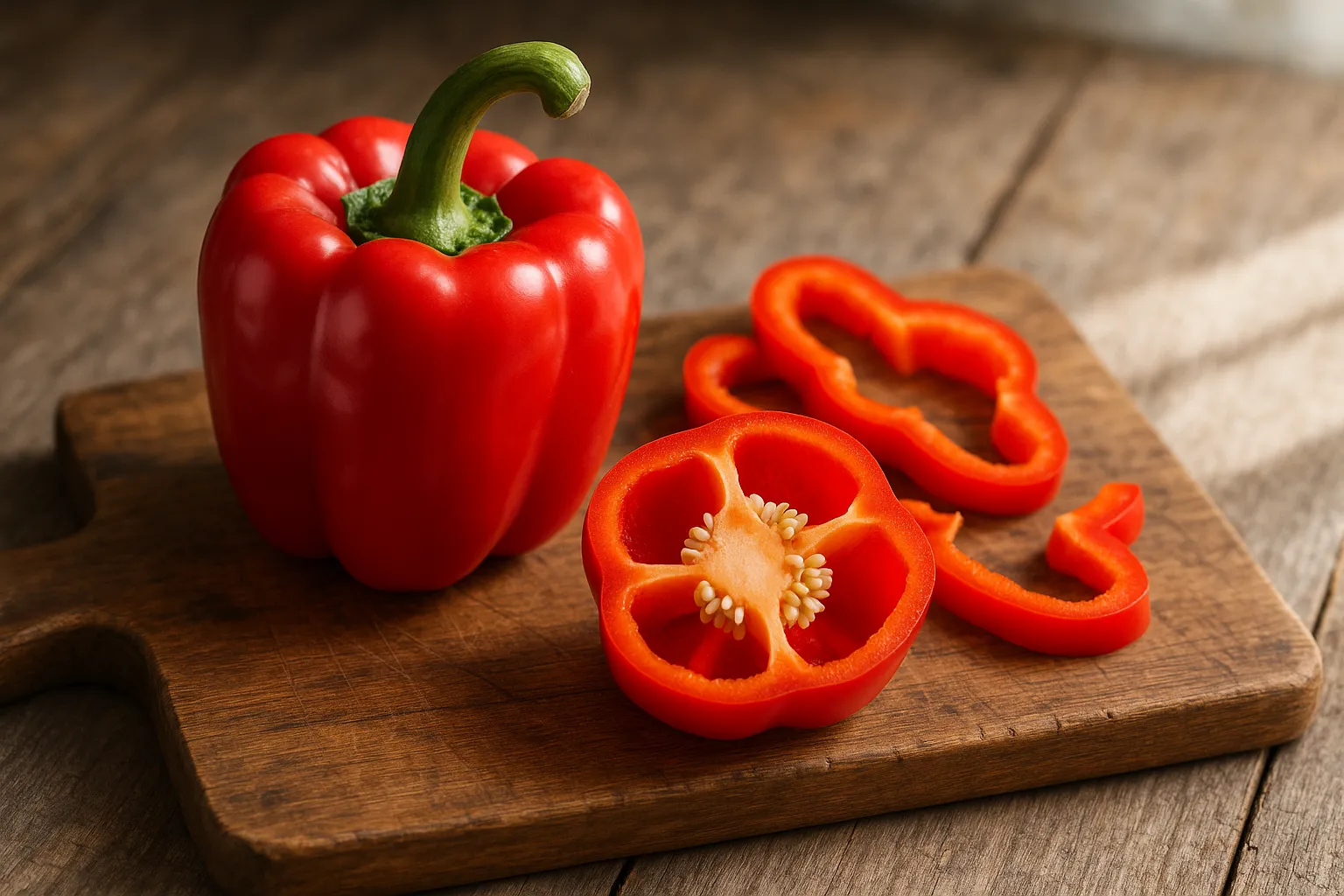
Quick Nutrition Facts
Per 1 Medium Pepper (119g)
| Nutrient | Amount |
|---|---|
| Calories | 37 kcal |
| Protein | 1.2g |
| Carbohydrates | 7g |
| Fiber | 2.5g |
| Sugars | 5g |
| Fat | 0.4g |
| Vitamin C | 152mg (213% DV) |
| Vitamin A | 63% DV |
| Vitamin B6 | 17% DV |
| Folate | 11% DV |
Macronutrient Breakdown
 ChatGPT
  Claude
  AI Mode
  Perplexity
NUTRITIONIST INSIGHT
Red bell peppers contain more vitamin C than oranges and are rich in lycopene and beta-carotene, powerful antioxidants that protect against cellular damage. Eating them raw preserves maximum vitamin C content.
Myth Busters
MYTH #1: All Bell Peppers Have the Same Nutrition
TRUTH: Red bell peppers are the most nutrient-dense, with 11x more beta-carotene and 1.5x more vitamin C than green peppers. Red peppers are fully ripened, making them sweeter and higher in antioxidants.
MYTH #2: Cooking Destroys All Nutrients in Bell Peppers
TRUTH: While vitamin C decreases with cooking, lycopene and carotenoids become more bioavailable when cooked. Lightly sautéing in olive oil enhances antioxidant absorption. For maximum vitamin C, eat half raw and half cooked.
MYTH #3: Bell Peppers Are Too High in Sugar for Weight Loss
TRUTH: At only 5g natural sugars and 37 calories per pepper, bell peppers are excellent for weight loss. The 2.5g fiber offsets sugar impact, and the volume-to-calorie ratio is outstanding for satiety.
MYTH #4: Peppers Cause Inflammation and Should Be Avoided
TRUTH: Bell peppers (Capsicum annuum) are nightshades but are anti-inflammatory, not inflammatory. They contain quercetin and luteolin that reduce inflammation. Only those with specific nightshade allergies need to avoid them.
MYTH #5: You Need to Peel Bell Peppers for Better Digestion
TRUTH: The skin contains most of the fiber and antioxidants. Peeling removes valuable nutrients. The skin is easily digestible for most people. Only peel if you have specific digestive sensitivities.
MYTH #6: Imported Peppers Are Better Than Local Ones
TRUTH: Locally grown, in-season peppers often have higher nutrient content due to shorter transport time and peak ripeness at harvest. Choose firm, glossy peppers with deep color regardless of origin.
NutriScore by Health Goals
| Health Goal | NutriScore | Why This Score? |
|---|---|---|
| Weight Loss |  | Only 37 calories per pepper, 2.5g fiber for fullness, 92% water content, high vitamin C supports fat metabolism during exercise. |
| Muscle Gain |  | Low in protein but excellent vitamin C (supports collagen for muscle repair), vitamin B6 for protein metabolism. Pair with protein sources. |
| Diabetes Management | | Very low glycemic index (less than 15), minimal carbs (7g), high fiber slows glucose absorption, antioxidants support blood vessel health. |
| PCOS Management | | Anti-inflammatory antioxidants reduce oxidative stress, low glycemic load supports insulin sensitivity, vitamin C improves egg quality. |
| Pregnancy Nutrition | | Folate supports fetal neural development, vitamin C enhances iron absorption, vitamin A for vision, vitamin B6 reduces nausea. |
| Viral/Flu Recovery | | 213% DV vitamin C boosts immunity, antioxidants fight infection, easy to digest, hydrating, anti-inflammatory properties soothe symptoms. |
PERSONALIZED NUTRITION
Track your meals with NutriScan for personalized NutriScores based on your specific health goals!
Blood Sugar Response to Red Bell Pepper
Understanding how red bell peppers affect your blood glucose demonstrates their exceptional blood sugar stability.
Typical Glucose Response Curve
This chart shows typical blood glucose response for general healthy individuals. Individual responses may vary. Not medical advice.
How to Maximize Nutritional Benefits
Pairing red bell peppers with healthy fats and protein enhances nutrient absorption and creates balanced meals:
- 🥑 Hummus or guacamole - Healthy fats enhance vitamin A and carotenoid absorption
- 🧀 Cottage cheese or feta - Protein and calcium balance the meal
- 🥜 Nuts or tahini - Fat-soluble vitamins absorb better with healthy fats
- 🫒 Olive oil drizzle - Enhances lycopene and beta-carotene absorption by up to 400%
These combinations provide complete nutrition while maintaining stable blood sugar and maximizing antioxidant benefits.
Cultural Significance
Bell peppers originated in Central and South America over 6,000 years ago and were brought to Europe by Christopher Columbus in the 15th century.
In India:
- Known as "Shimla Mirch" (Shimla pepper) in Hindi, named after the hill station where they're grown
- Introduced during British colonial period and now widely cultivated in North India
- Popular in Indo-Chinese cuisine (gobi manchurian, chili paneer)
- Used in Punjabi and North Indian dishes (capsicum curry, stuffed capsicum)
- Growing recognition of red peppers over green for superior nutrition
Global Impact:
- Cultivated in over 150 countries worldwide
- China, Mexico, and Turkey are largest producers
- Essential ingredient in Mediterranean, Asian, and Latin cuisines
- Increasingly popular in plant-based and whole-food diets for nutrient density
Compare & Substitute
Red Bell Pepper vs Similar Vegetables (Per 100g)
| Nutrient | 🌶️ Red Bell Pepper | 🌶️ Green Bell Pepper | 🥕 Carrot | 🍅 Tomato |
|---|---|---|---|---|
| Calories | 31 kcal | 20 kcal | 41 kcal | 18 kcal |
| Carbs | 6g | 4.6g | 10g | 3.9g |
| Fiber | 2.1g | 1.7g | 2.8g | 1.2g |
| Protein | 1g | 0.9g | 0.9g | 0.9g |
| Fat | 0.3g | 0.2g | 0.2g | 0.2g |
| Vitamin C | 128mg (213% DV) | 80mg (133% DV) | 5.9mg (10% DV) | 14mg (23% DV) |
| Vitamin A | 63% DV | 3% DV | 334% DV | 17% DV |
| Lycopene | High | Low | None | Very High |
| Best For | Vitamin C, raw salads | Lower calories, stir-fry | Vitamin A, eye health | Lycopene, cooked dishes |
Frequently Asked Questions
Are red bell peppers good for weight loss?
Yes, red bell peppers are excellent for weight loss. With only 37 calories per pepper and 2.5g fiber, they provide volume and nutrients with minimal calories. The high vitamin C content (213% DV) supports fat metabolism during exercise.
Best practices: Eat raw as snacks with hummus, add to salads for volume, roast for sweet flavor without added calories, use in stir-fries with minimal oil, pair with protein for balanced meals.
Can diabetics eat red bell peppers?
Yes, diabetics can freely enjoy red bell peppers. With a very low glycemic index (less than 15) and only 7g carbs per pepper, they have minimal impact on blood sugar.
Tips for diabetics:
- Unlimited consumption - no portion control needed
- Best raw or lightly cooked to preserve nutrients
- Pair with protein and healthy fats for balanced meals
- Excellent for snacking between meals
- Rich antioxidants support blood vessel health
Red bell peppers are one of the best vegetables for diabetes management due to their low carb content and high nutrient density.
How much vitamin C is in a red bell pepper?
A medium red bell pepper contains 152mg of vitamin C, which is 213% of the daily value. This is more vitamin C than an orange (70mg) or lemon (53mg per 100g), making red peppers one of the richest sources of this essential nutrient.
One red pepper provides more than double your daily vitamin C needs, supporting immune function, collagen synthesis, and iron absorption.
What are the main health benefits of red bell peppers?
Key Benefits:
- Immune Support: 213% DV vitamin C boosts immunity and fights infections
- Eye Health: Lutein, zeaxanthin, and vitamin A protect against macular degeneration
- Antioxidant Power: Lycopene and beta-carotene fight cellular damage and aging
- Heart Health: Potassium, fiber, and antioxidants support cardiovascular function
- Skin Health: Vitamin C supports collagen production for youthful skin
- Cancer Prevention: High antioxidant content may reduce cancer risk
When is the best time to eat red bell peppers?
Red bell peppers can be enjoyed anytime, providing consistent nutrition benefits.
Optimal timing by goal:
- Weight Loss: Snacks between meals, add to lunch/dinner salads for volume
- Vitamin C Absorption: With iron-rich meals (spinach, lentils) to enhance iron uptake
- Antioxidants: Morning for all-day immunity, raw for maximum vitamin C
- Blood Sugar Control: Anytime - minimal impact on glucose levels
Tip: Eat half your daily peppers raw (salads, snacks) and half cooked (stir-fries, roasted) to maximize both vitamin C and lycopene benefits.
Are red bell peppers healthier than green or yellow peppers?
Yes, red bell peppers are the most nutrient-dense of all bell pepper colors. They have been allowed to fully ripen, resulting in:
Red vs Green Bell Peppers:
- 11x more beta-carotene (powerful antioxidant)
- 1.5x more vitamin C (152mg vs 80mg per 100g)
- Sweeter taste due to higher natural sugars
- More lycopene (antioxidant for heart health)
- Higher antioxidant activity overall
Color Ranking (Nutrition): Red > Orange > Yellow > Green
Recommendation: Choose red peppers for maximum nutrition; green peppers are more budget-friendly and still healthy with fewer calories.
How many red bell peppers should I eat per day?
General Guidelines:
- 1-2 peppers daily - Most people (excellent nutrition, minimal calories)
- Unlimited - Weight loss, diabetes (extremely low calorie, high fiber)
- 1 pepper daily - Provides over 200% vitamin C needs
No upper limit concerns: Red bell peppers are so low in calories (37 per pepper) that you can eat as many as you like without negative effects. The high water content (92%) keeps you hydrated.
Track your meals with NutriScan app to see how red bell peppers fit your personal nutrition goals.
Can I eat raw red bell peppers?
Absolutely - raw is ideal! Raw red bell peppers preserve maximum vitamin C content (heat degrades vitamin C).
Benefits of eating raw:
- Maximum vitamin C (213% DV preserved)
- Crunchy texture satisfies snacking cravings
- Low calorie snacking option
- Easy preparation - just wash and slice
Ways to enjoy raw:
- Sliced with hummus, guacamole, or Greek yogurt dip
- Added to salads for crunch and color
- Stuffed with cottage cheese or tuna salad
- Juiced with other vegetables for immune-boosting drink
Note: Cooking increases lycopene absorption. Eat both raw and cooked for complete nutrition benefits.


Similar Nutritious Foods
4505 Chicharrones Classic Chili Salt
7 Eleven Japan Crispy Corn Cheese
Explore More Nutrition Tools & Resources
AI Calorie Counter App - Snap a Photo, Get Macros
AI Nutritionist App That Reads Your Logged Meals
Best Protein Supplements for Women
Bulking Meal Plan App That Sets Your Surplus
ChatGPT Calorie Counter Alternative That Keeps the Total
ChatGPT Diet Plan Alternative That Tracks What You Eat
ChatGPT Weight Loss Coach Alternative With a Food Log
Fast Food Calorie Counter App That Reads the Tray
Free Calorie Tracker App with AI Photo Scans | NutriScan
Indian Diet Plan App With Veg and Non Veg Meals
Indian Food Calorie Calculator - Get Instant Nutrition Facts for Desi Meals — 2026
Intermittent Fasting for Women, Timer and Meal Log App
Intermittent Fasting Tracker App - Free Fasting Timer
Macro Tracker App That Fills the Numbers From a Photo
Mediterranean Diet Meal Plan App That Counts the Oil
Micronutrient Tracker App for Vitamins and Minerals
MyFitnessPal Alternative That Stays Free | NutriScan
NutriScore App: A Free Grade on Every Meal | NutriScan
Nutrition Label Scanner App for the Amount You Ate
Second Trimester Protein Guide
Vegetarian Meal Plan App With a Protein Target
Voice Calorie Counter - Speak to Track Meals Hands-Free
Water and Calorie Tracker App - Free Water Log