Red Chilli Chutney: Calories, Nutrition and Health Benefits
Fiery Indian condiment packed with metabolism-boosting capsaicin, antioxidants, and bold flavor for every meal.
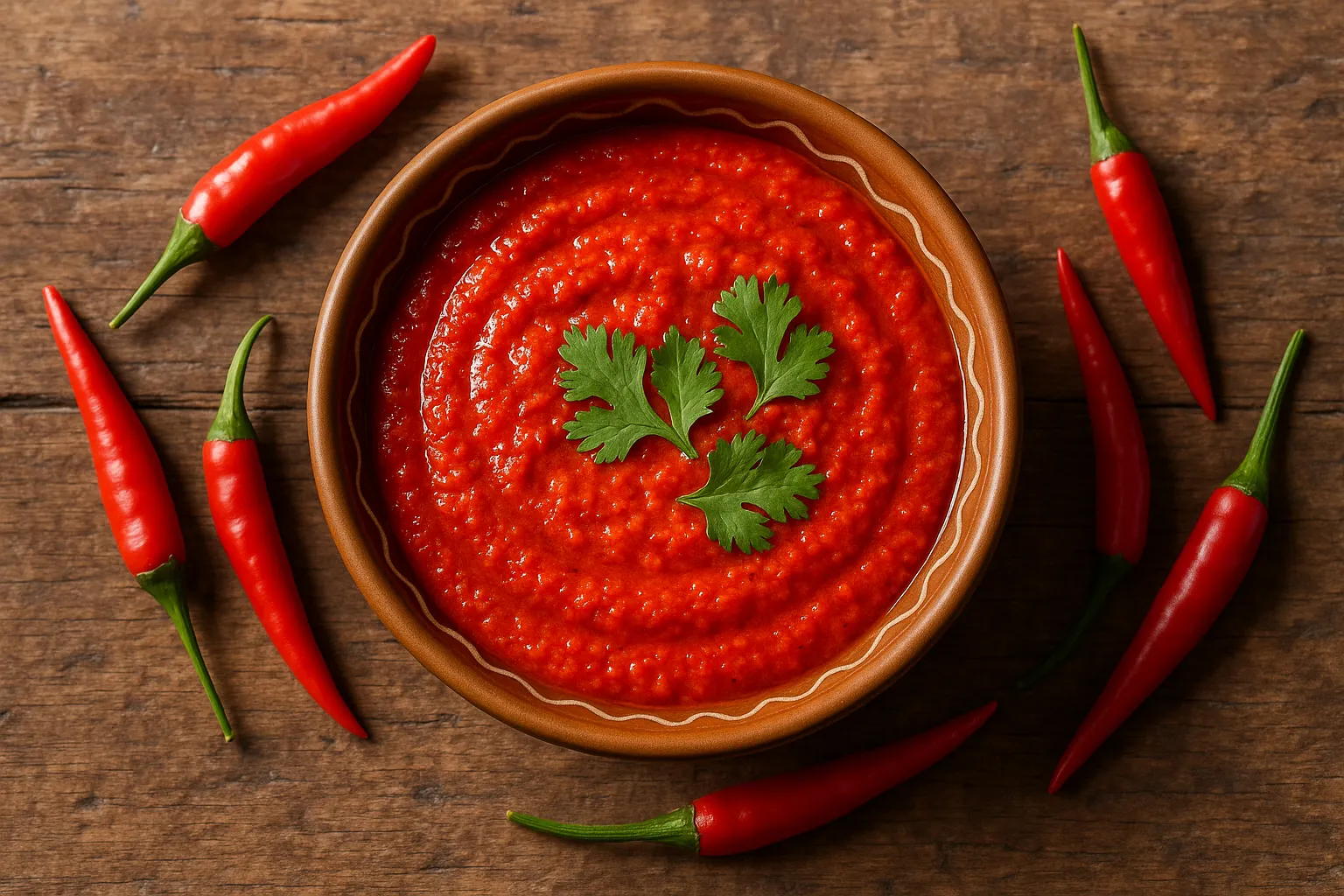
Quick Nutrition Facts
Per 2 Tablespoons (30g)
| Nutrient | Amount |
|---|---|
| Calories | 70 kcal |
| Protein | 1g |
| Carbohydrates | 7g |
| Fiber | 1.5g |
| Sugars | 2g |
| Fat | 4.5g |
| Vitamin C | 18mg |
| Vitamin A | 450 IU |
| Iron | 0.8mg |
| Capsaicin | 5-15mg |
Macronutrient Breakdown
 ChatGPT
  Claude
  AI Mode
  Perplexity
NUTRITIONIST INSIGHT
Red chilli chutney's capsaicin can boost metabolism by 5-10% for several hours after eating. The combination of vitamin C and antioxidants supports immune function while adding intense flavor with minimal calories.
Myth Busters
MYTH #1: Spicy Food Damages Your Stomach
TRUTH: For most people, moderate spicy food consumption is safe and may even protect the stomach lining. Capsaicin has been shown to reduce inflammation and promote gut health. Only avoid if you have pre-existing GERD, ulcers, or IBS.
MYTH #2: Red Chilli Chutney Is Too High in Calories
TRUTH: At 70 calories per 2 tablespoons, red chilli chutney is a calorie-efficient flavor enhancer. The capsaicin actually boosts metabolism and may help burn an extra 50-100 calories per day when consumed regularly.
MYTH #3: Spicy Food Causes Ulcers
TRUTH: Spicy food does not cause ulcers. Most ulcers are caused by H. pylori bacteria or NSAIDs. In fact, capsaicin may help prevent ulcers by reducing acid secretion and promoting protective mucus production.
MYTH #4: You Should Avoid Spicy Food for Weight Loss
TRUTH: The opposite is true. Capsaicin increases thermogenesis and fat oxidation, helping burn more calories. Studies show it can reduce appetite and increase feelings of fullness, supporting weight loss efforts.
MYTH #5: All Chilli Chutneys Are the Same
TRUTH: Nutritional content varies significantly based on oil, sugar, and ingredient ratios. Restaurant versions often contain 2-3x more oil and calories. Homemade versions with less oil and no added sugar are healthier choices.
MYTH #6: Spicy Food Is Unsafe During Pregnancy
TRUTH: Moderate consumption of spicy food is generally safe during pregnancy. There's no evidence that spicy food harms the baby. However, avoid if you experience heartburn or digestive discomfort, which is more common during pregnancy.
NutriScore by Health Goals
| Health Goal | NutriScore | Why This Score? |
|---|---|---|
| Weight Loss |  | Low calorie (70 per serving), capsaicin boosts metabolism and reduces appetite. Limit to 2-3 tablespoons daily. |
| Muscle Gain |  | Provides flavor without excess calories. Anti-inflammatory properties aid recovery. Use as condiment, not protein source. |
| Diabetes Management | | Low glycemic impact, capsaicin may improve insulin sensitivity. Watch added sugar in store-bought versions. |
| PCOS Management | | Anti-inflammatory, metabolism-boosting. Choose versions with minimal oil and sugar. Limit to 1-2 tablespoons per meal. |
| Pregnancy Nutrition | | Safe in moderation (1-2 tablespoons per meal). Provides vitamin C and iron. Avoid if experiencing heartburn or acid reflux during pregnancy. |
| Viral/Flu Recovery |  | High vitamin C (18mg per serving), capsaicin clears sinuses, antimicrobial properties support immune function. Helps clear congestion naturally. |
PERSONALIZED NUTRITION
Track your meals with NutriScan for personalized NutriScores based on your specific health goals!
Blood Sugar Response to Red Chilli Chutney
Red chilli chutney has minimal impact on blood sugar due to its low carbohydrate content and beneficial capsaicin content.
Typical Glucose Response Curve
This chart shows minimal blood glucose response when consumed as condiment with meals. Individual responses may vary. Not medical advice.
Optimal Consumption Tips
Red chilli chutney works best when paired with complete meals to enhance flavor without spiking blood sugar:
- 🍚 With rice and dal - Adds flavor to balanced Indian meals
- 🫓 With roti and sabzi - Complements whole grain flatbreads
- 🥗 As salad dressing - Mix with yogurt for tangy, spicy dressing
- 🍲 With proteins - Enhances chicken, fish, paneer dishes
The capsaicin in red chilli chutney may actually help moderate blood sugar response when consumed with carbohydrate-rich foods.
Cultural Significance
Red chilli chutney is a staple condiment across India, with regional variations reflecting local tastes and traditions.
In India:
- Essential accompaniment to South Indian breakfast (dosa, idli, vada)
- Andhra Pradesh and Telangana known for fiery red chilli chutneys
- Each region has unique recipes: some with garlic, tamarind, coconut, or peanuts
- Traditional Ayurvedic medicine uses chillies for digestion and circulation
- Symbol of bold Indian flavors in global cuisine
Regional Variations:
- Andhra Style: Extra spicy with more red chillies and garlic
- Tamil Style: Balanced with tamarind and curry leaves
- Karnataka Style: Often includes roasted gram dal for thickness
- Maharashtra Style: May include peanuts for nutty flavor
Global Impact:
- Inspired similar condiments worldwide (harissa, sambal, sriracha)
- Growing popularity in fusion cuisine and health-conscious cooking
- Featured in international restaurants as authentic Indian condiment
Compare & Substitute
Red Chilli Chutney vs Similar Condiments (Per 30g)
| Nutrient | 🌶️ Red Chilli Chutney | 🥥 Coconut Chutney | 🌿 Green Chutney | 🍅 Tomato Chutney |
|---|---|---|---|---|
| Calories | 70 kcal | 90 kcal | 45 kcal | 55 kcal |
| Carbs | 7g | 4g | 5g | 9g |
| Fiber | 1.5g | 2g | 2g | 1g |
| Protein | 1g | 1.5g | 1g | 1g |
| Fat | 4.5g | 8g | 2g | 2.5g |
| Vitamin C | 18mg | 2mg | 25mg | 8mg |
| Capsaicin | 5-15mg | 0mg | 2-5mg | 0-2mg |
| Best For | Metabolism, immunity | Healthy fats, coconut benefits | Low-calorie, vitamin C | Low-fat, balanced flavor |
Frequently Asked Questions
Is red chilli chutney good for weight loss?
Yes, red chilli chutney can support weight loss when consumed in moderation. Capsaicin boosts metabolism by 5-10% and increases thermogenesis (calorie burning) for several hours after eating. At 70 calories per 2 tablespoons, it adds intense flavor without excessive calories.
Best practices: Limit to 1-2 tablespoons per meal; choose homemade versions with less oil; use as flavor enhancer rather than eating in large quantities; pair with protein-rich meals for better satiety.
Can diabetics eat red chilli chutney?
Yes, diabetics can safely consume red chilli chutney in moderation. It has minimal impact on blood sugar (low glycemic index) and research suggests capsaicin may improve insulin sensitivity and glucose metabolism.
Tips for diabetics:
- Limit to 1-2 tablespoons per meal (7g carbs per serving)
- Choose versions without added sugar
- Always consume with balanced meals containing protein and fiber
- Monitor blood sugar response to find your personal tolerance
What are the main health benefits of capsaicin?
Key Benefits:
- Metabolism Boost: Increases calorie burning by 5-10% for several hours
- Anti-Inflammatory: Reduces inflammation throughout the body
- Heart Health: May lower blood pressure and improve cholesterol
- Pain Relief: Natural analgesic properties for chronic pain
- Appetite Control: Reduces hunger and increases feelings of fullness
- Antioxidant: Protects cells from oxidative damage
How much red chilli chutney should I eat per day?
General Guidelines:
- 2-4 tablespoons daily - Most people (140-280 calories, metabolism boost)
- 1-2 tablespoons per meal - Weight loss goals
- 2-3 tablespoons with meals - General health and flavor
- 1-2 tablespoons - Diabetes, PCOS, or sensitive digestion
Avoid or minimize if you have: GERD, acid reflux, stomach ulcers, IBS, or hemorrhoids. Start with small amounts to test tolerance.
Is red chilli chutney safe during pregnancy?
Yes, moderate consumption is generally safe during pregnancy. Pregnant women can consume 1-2 tablespoons per meal if tolerated well. Red chilli chutney provides beneficial vitamin C, iron, and antioxidants.
Pregnancy considerations:
- Common to experience increased heartburn - reduce amount if needed
- Start with smaller portions to test tolerance
- Choose homemade versions with known ingredients
- Avoid if experiencing severe acid reflux or digestive discomfort
- Consult your healthcare provider if unsure
Can red chilli chutney cause stomach problems?
For most people, moderate consumption (2-4 tablespoons daily) is safe and may even support digestive health. However, some individuals should limit or avoid:
May want to avoid or limit if you have:
- GERD or Acid Reflux: Can trigger symptoms
- Stomach Ulcers: May irritate existing ulcers
- IBS: Can worsen symptoms in some people
- Hemorrhoids: Spicy foods can cause discomfort
Better approach: Start with small amounts (1 tablespoon) to test tolerance; always consume with meals, never on empty stomach; choose milder versions if needed; drink milk or eat yogurt if experiencing burning sensation.
What's the difference between homemade and store-bought red chilli chutney?
Homemade Red Chilli Chutney:
- Lower calories (50-70 per serving)
- Controlled oil and sugar content
- Fresh ingredients, no preservatives
- Customizable spice level
- Better nutrient retention
Store-Bought/Restaurant Version:
- Higher calories (80-120 per serving)
- Often contains 2-3x more oil
- May have added sugar, preservatives, artificial colors
- More consistent flavor
- Longer shelf life
Recommendation: Make your own when possible for better nutrition control, or choose brands with minimal ingredients and no added sugar.
How does red chilli chutney compare to hot sauce?
Red chilli chutney is thicker, more complex in flavor (with garlic, tamarind, spices), and typically contains more calories (70 vs 5-10 calories per serving) due to oil content. Hot sauce is thinner, vinegar-based, and very low in calories.
Choose red chilli chutney for: Traditional Indian meals, thicker texture, complex flavor profile, metabolism boost from capsaicin with healthy fats.
Choose hot sauce for: Lower-calorie option, vinegar tang, thin consistency, Western dishes.
Both provide capsaicin benefits, but red chilli chutney offers more nutrients and cultural authenticity in Indian cuisine.


Similar Nutritious Foods
4505 Chicharrones Classic Chili Salt
7 Eleven Japan Crispy Corn Cheese
Explore More Nutrition Tools & Resources
AI Calorie Counter App - Snap a Photo, Get Macros
AI Nutritionist App That Reads Your Logged Meals
Best Protein Supplements for Women
Bulking Meal Plan App That Sets Your Surplus
ChatGPT Calorie Counter Alternative That Keeps the Total
ChatGPT Diet Plan Alternative That Tracks What You Eat
ChatGPT Weight Loss Coach Alternative With a Food Log
Fast Food Calorie Counter App That Reads the Tray
Free Calorie Tracker App with AI Photo Scans | NutriScan
Indian Diet Plan App With Veg and Non Veg Meals
Indian Food Calorie Calculator - Get Instant Nutrition Facts for Desi Meals — 2026
Intermittent Fasting for Women, Timer and Meal Log App
Intermittent Fasting Tracker App - Free Fasting Timer
Macro Tracker App That Fills the Numbers From a Photo
Mediterranean Diet Meal Plan App That Counts the Oil
Micronutrient Tracker App for Vitamins and Minerals
MyFitnessPal Alternative That Stays Free | NutriScan
NutriScore App: A Free Grade on Every Meal | NutriScan
Nutrition Label Scanner App for the Amount You Ate
Second Trimester Protein Guide
Vegetarian Meal Plan App With a Protein Target
Voice Calorie Counter - Speak to Track Meals Hands-Free
Water and Calorie Tracker App - Free Water Log