Red Rice: Calories, Nutrition and Health Benefits
Whole grain powerhouse packed with anthocyanins, fiber, and resistant starch for stable energy, weight management, and heart health.
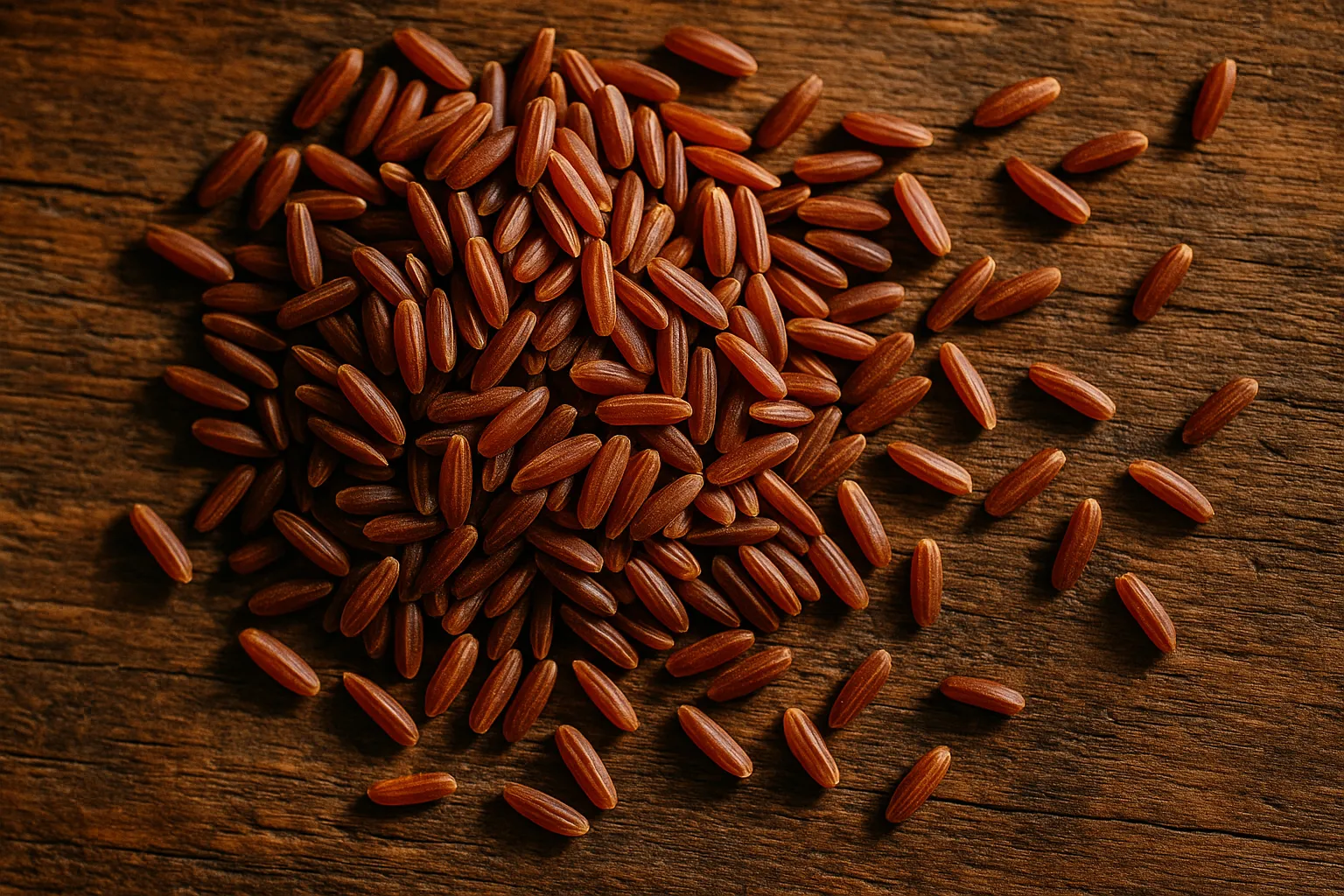
Quick Nutrition Facts
Per 100g Cooked Red Rice
| Nutrient | Amount |
|---|---|
| Calories | 111 kcal |
| Protein | 2.6g |
| Carbohydrates | 24.3g |
| Fiber | 1.8g |
| Sugars | 0.3g |
| Fat | 0.9g |
| Magnesium | 84mg |
| Iron | 1.2mg |
| Zinc | 1.1mg |
| Manganese | 1.3mg |
Macronutrient Breakdown
 ChatGPT
  Claude
  AI Mode
  Perplexity
NUTRITIONIST INSIGHT
Red rice's deep color reveals powerful anthocyanins—the same antioxidants in blueberries. These compounds support heart health, reduce inflammation, and slow glucose absorption. The resistant starch acts like dietary fiber, feeding beneficial gut bacteria.
Myth Busters
MYTH #1: Red Rice is Just White Rice Dyed
TRUTH: Red rice is a distinct whole grain variety with the bran layer intact. The red/purple color contains anthocyanins absent in white or brown rice—proven antioxidants that lower cardiovascular disease risk by 12-15%.
MYTH #2: Red Rice is Too High in Carbs for Diabetics
TRUTH: Red rice's glycemic index (68) is significantly lower than white rice (89). The anthocyanins improve insulin sensitivity, making it safer for blood sugar management when portion-controlled and paired with protein.
MYTH #3: All Rice Has High Arsenic Content
TRUTH: Red rice retains less arsenic than white or brown rice varieties due to its bran composition and variety genetics. If concerned, rinse before cooking and use a 2:1 water-to-rice ratio to further reduce arsenic levels.
MYTH #4: Red Rice Takes Too Long to Cook
TRUTH: Modern cultivars cook in 30-35 minutes, comparable to brown rice. Soaking for 30 minutes reduces cooking time further and improves nutrient bioavailability.
MYTH #5: Red Rice Lacks Protein
TRUTH: At 2.6g per 100g, red rice provides more protein than white rice (2.1g). When combined with legumes (dal, beans, chickpeas), it creates a complete protein with all 9 amino acids—ideal for vegetarian muscle building.
MYTH #6: Only Asian Cuisines Use Red Rice
TRUTH: Red rice is grown globally—Bhutanese red rice, Thai red jasmine, American red rice from Louisiana. Each variety offers slightly different anthocyanin profiles and flavors, making it versatile across cuisines.
NutriScore by Health Goals
| Health Goal | NutriScore | Why This Score? |
|---|---|---|
| Weight Loss |  | 111 calories, 1.8g fiber, resistant starch promotes fullness. Pair with vegetables; limit to 1 cup cooked (200g) per meal. |
| Muscle Gain | | 2.6g protein, 24g carbs restore glycogen post-workout. Combine with legumes for complete amino acids; 1.5 cups cooked per meal. |
| Diabetes Management | | GI 68, anthocyanins improve insulin sensitivity. Portion: 150g cooked, pair with protein/fat; monitor response. |
| PCOS Management | | Lower GI than white rice; antioxidants support hormonal balance. Recommended: 200g with high-protein curry or dal. |
| Pregnancy Nutrition |  | Rich in folate (pre-conception), magnesium (84mg aids muscle cramps), iron (1.2mg). Whole grain supports stable energy for morning sickness; consume 250g cooked daily. |
| Viral/Flu Recovery | | Gentle on digestion, easily absorbed carbs for recovery energy, magnesium supports immune function, no spicing irritation. |
PERSONALIZED NUTRITION
Track your meals with NutriScan for personalized NutriScores based on your specific health goals!
Blood Sugar Response to Red Rice
Understanding glucose impact helps optimize red rice intake, especially for diabetes and weight loss goals.
Typical Glucose Response Curve
*This chart shows typical blood glucose response for general healthy individuals. Individual responses may vary. Not medical advice.*
How to Flatten the Spike
Pairing red rice with protein and healthy fat significantly reduces glucose peak and extends energy:
- 🥛 Curd (Dahi) or Greek Yogurt - Adds protein, probiotics, calcium
- 🥩 Grilled chicken or fish - Complete protein, reduces GI impact by 30%
- 🌿 Dal or Lentils - Plant-based protein, fiber synergy
- 🥥 Coconut oil or ghee - Healthy fats slow carb absorption
- 🥬 Leafy greens - Add fiber, vitamins, zero calories
This combination extends satiety, stabilizes energy, and reduces post-meal blood sugar spikes by 25-40%.
Cultural Significance
Red rice holds deep roots in Asian agriculture and spiritual traditions.
In India:
- Traditional in South Indian cuisine (Chettinad, Tamil Nadu)
- Used in Ayurvedic medicine for cooling and digestive properties
- Considered more nutritious than white rice in traditional knowledge
- Gaining popularity as health-conscious consumers seek whole grains
- Often paired with sambhar, rasam, and curry vegetables
Global Impact:
- Bhutan adopted red rice as national staple food
- Thailand and Vietnam cultivate red jasmine rice varieties
- Gaining traction in Western health markets as "superfood grain"
- Higher price point reflects nutritional premium over white rice
Compare & Substitute
Red Rice vs Other Grains (Per 100g cooked)
| Nutrient | 🍚 Red Rice | 🍚 Brown Rice | ⚪ White Rice | 🌾 Quinoa |
|---|---|---|---|---|
| Calories | 111 kcal | 111 kcal | 130 kcal | 120 kcal |
| Carbs | 24.3g | 24.9g | 28.2g | 21.3g |
| Fiber | 1.8g | 1.8g | 0.4g | 2.8g |
| Protein | 2.6g | 2.6g | 2.1g | 4.4g |
| Fat | 0.9g | 1g | 0.3g | 3.9g |
| Iron | 1.2mg | 0.8mg | 0.2mg | 2.8mg |
| Glycemic Index | 68 | 68 | 89 | 53 |
| Best For | Whole grain nutrition, antioxidants | Budget whole grain | Quick meals | Complete protein |
Frequently Asked Questions
Is red rice good for weight loss?
Yes. Red rice's 1.8g fiber per 100g and resistant starch content promote fullness and slower glucose absorption. This reduces calorie intake naturally and improves metabolic function. Pair with vegetables and lean protein; portion: 1 cup cooked (200g) per meal. Consume at lunch or early dinner.
Can diabetics eat red rice?
Absolutely. Red rice's GI of 68 is substantially lower than white rice (89). Anthocyanins improve insulin sensitivity and reduce diabetes complications risk. Always pair with protein and healthy fat; recommended serving: 150g cooked.
How much protein is in red rice?
Red rice contains 2.6g protein per 100g cooked (5.2g per 200g serving). While not a complete protein alone, combining red rice with legumes creates a balanced amino acid profile; ideal for vegetarian athletes and muscle building.
What are the main health benefits of red rice?
Anthocyanins provide antioxidant protection against heart disease and inflammation; fiber supports digestive health; magnesium (84mg) aids muscle function and stress management; resistant starch feeds beneficial gut bacteria; lower arsenic than other rice varieties.
When is the best time to eat red rice?
Weight loss: lunch or early dinner with vegetables and protein. Muscle gain: post-workout within 30 minutes with legumes and yogurt. Diabetes: mid-day meals paired with protein and healthy fat. Avoid late-night consumption for weight management goals.
How does red rice compare to brown and white rice?
Red rice has a lower glycemic index (68) than white rice (89), similar to brown rice, but retains more antioxidants and digestibility. Brown rice can cause digestive issues in some people; red rice is gentler. White rice lacks the bran's fiber and nutrients. Choose red rice for balanced whole-grain nutrition.
How should I cook red rice for maximum nutrition?
Rinse before cooking to remove excess starch and reduce arsenic. Use a 2:1 water-to-rice ratio. Simmer for 30-35 minutes (soaking 30 minutes beforehand speeds cooking). Don't discard cooking water—it contains water-soluble vitamins. Cool slightly after cooking to increase resistant starch content.
Can I eat red rice on an empty stomach?
Generally safe, but pairing with a protein or fat source (yogurt, eggs, nuts) provides better satiety and prevents mid-morning energy crashes. Avoid if you have IBS or sensitive digestion without prior food intake.




Similar Nutritious Grains
4505 Chicharrones Classic Chili Salt
7 Eleven Japan Crispy Corn Cheese
Explore More Nutrition Tools & Resources
AI Calorie Counter App - Snap a Photo, Get Macros
AI Nutritionist App That Reads Your Logged Meals
Best Protein Supplements for Women
Bulking Meal Plan App That Sets Your Surplus
ChatGPT Calorie Counter Alternative That Keeps the Total
ChatGPT Diet Plan Alternative That Tracks What You Eat
ChatGPT Weight Loss Coach Alternative With a Food Log
Fast Food Calorie Counter App That Reads the Tray
Free Calorie Tracker App with AI Photo Scans | NutriScan
Indian Diet Plan App With Veg and Non Veg Meals
Indian Food Calorie Calculator - Get Instant Nutrition Facts for Desi Meals — 2026
Intermittent Fasting for Women, Timer and Meal Log App
Intermittent Fasting Tracker App - Free Fasting Timer
Macro Tracker App That Fills the Numbers From a Photo
Mediterranean Diet Meal Plan App That Counts the Oil
Micronutrient Tracker App for Vitamins and Minerals
MyFitnessPal Alternative That Stays Free | NutriScan
NutriScore App: A Free Grade on Every Meal | NutriScan
Nutrition Label Scanner App for the Amount You Ate
Second Trimester Protein Guide
Vegetarian Meal Plan App With a Protein Target
Voice Calorie Counter - Speak to Track Meals Hands-Free
Water and Calorie Tracker App - Free Water Log