Roasted Brussels Sprouts: Calories, Nutrition and Health Benefits
Nutrient-dense cruciferous powerhouse loaded with cancer-fighting sulforaphane, vitamin K, and fiber for every health goal.
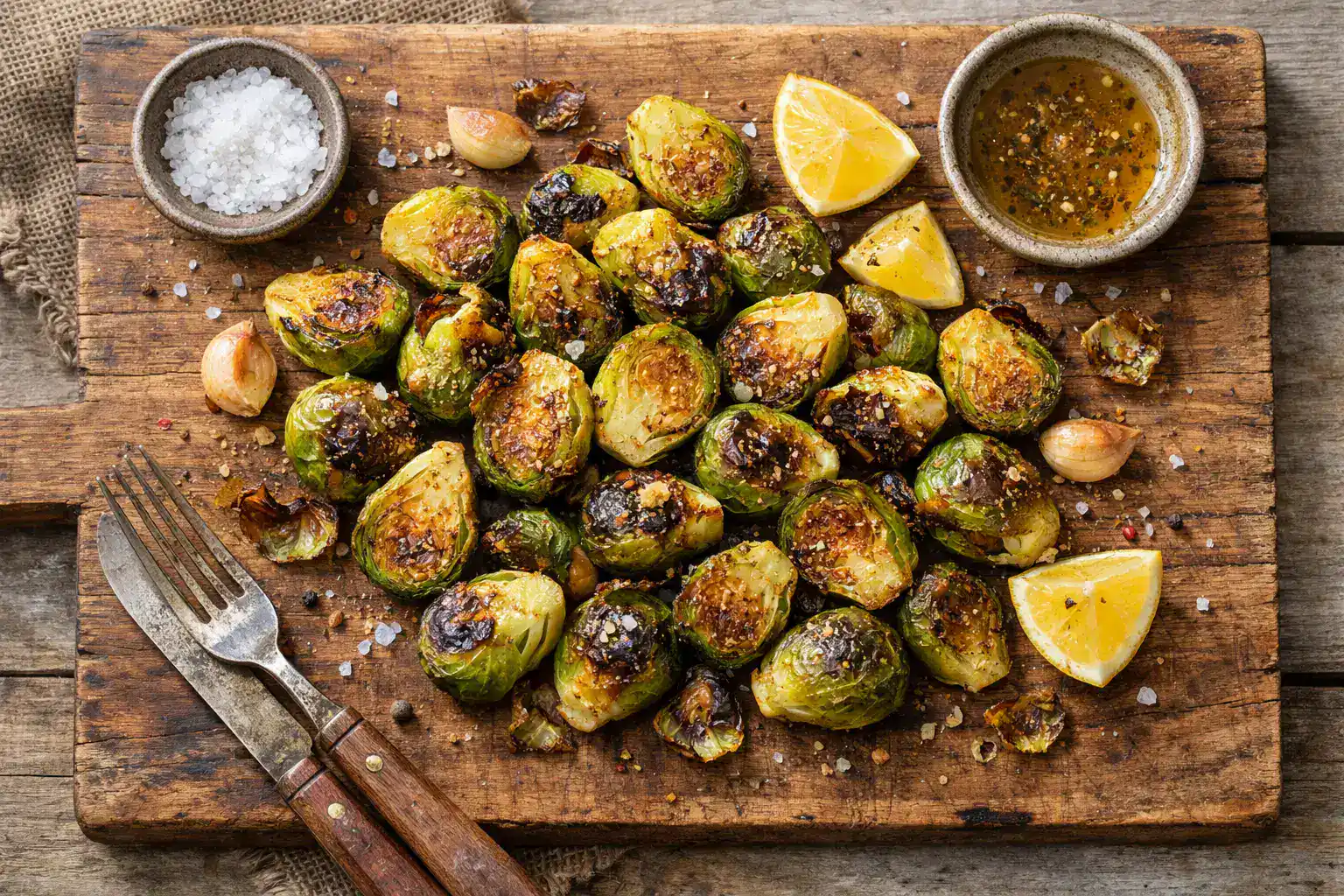
Quick Nutrition Facts
Per 100g Roasted Brussels Sprouts (no oil)
| Nutrient | Amount |
|---|---|
| Calories | 55 kcal |
| Protein | 4g |
| Carbohydrates | 8g |
| Fiber | 4g |
| Sugars | 2.1g |
| Fat | 2g |
| Vitamin K | 175mcg |
| Vitamin C | 62mg |
| Folate | 60mcg |
| Potassium | 317mg |
Macronutrient Breakdown
 ChatGPT
  Claude
  AI Mode
  Perplexity
NUTRITIONIST INSIGHT
Brussels sprouts deliver 175% of your daily vitamin K in just 100g, critical for bone health and blood clotting. Roasting at high heat activates myrosinase enzymes that produce sulforaphane, a potent anticancer compound studied extensively in clinical trials.
Myth Busters
MYTH #1: Brussels Sprouts Are Nutritionally Empty
TRUTH: Brussels sprouts are among the most nutrient-dense vegetables. They provide 175% daily vitamin K, 103% vitamin C, and significant folate per 100g, plus cancer-fighting glucosinolates not found in most other foods.
MYTH #2: Cooking Destroys All Nutrients in Brussels Sprouts
TRUTH: While boiling can leach water-soluble vitamins, roasting actually preserves more glucosinolates and antioxidant activity than boiling. Roasting and steaming are the best cooking methods for retaining Brussels sprouts' cancer-protective compounds.
MYTH #3: Brussels Sprouts Are Bad for Thyroid
TRUTH: You would need to eat extremely large amounts (several kilograms daily) for goitrogens in Brussels sprouts to affect thyroid function. Normal consumption of cruciferous vegetables does not impair thyroid function in healthy individuals.
MYTH #4: Brussels Sprouts Always Taste Bitter
TRUTH: Modern varieties bred since the 1990s have significantly reduced bitterness. Roasting at high heat (200-220C) caramelizes natural sugars, creating a sweet, nutty flavor. Overcooking and boiling cause the sulfurous taste most people dislike.
MYTH #5: Brussels Sprouts Cause Harmful Gas
TRUTH: The gas from Brussels sprouts is caused by raffinose, a complex sugar that gut bacteria ferment. This is actually a sign of healthy prebiotic activity. Gradual introduction and thorough cooking reduce gas production.
NutriScore by Health Goals
| Health Goal | NutriScore | Why This Score? |
|---|---|---|
| Weight Loss |  | Only 55 cal/100g with 4g fiber and 4g protein for exceptional satiety. One of the best vegetables for volume eating. |
| Muscle Gain |  | 4g protein per 100g is high for a vegetable, plus potassium (317mg) prevents cramps. Pair with lean protein for complete meals. |
| Diabetes Management | | Very low GI (estimated 15-30), high fiber slows glucose absorption. Sulforaphane from cruciferous vegetables may improve insulin resistance. |
| PCOS Management | | Indole-3-carbinol supports estrogen metabolism. Low glycemic load helps manage insulin resistance common in PCOS. |
| Pregnancy Nutrition | | Rich in folate (60mcg/100g) for neural tube development, vitamin K for blood clotting, and vitamin C which may lower pre-eclampsia risk. Always cook thoroughly. |
| Viral/Flu Recovery | | 103% daily vitamin C per 100g boosts immune function. Easy to digest when roasted, provides gentle energy and antioxidants. |
PERSONALIZED NUTRITION
Track your meals with NutriScan for personalized NutriScores based on your specific health goals!
Blood Sugar Response to Roasted Brussels Sprouts
Understanding how roasted Brussels sprouts affect your blood glucose can help you make informed decisions about when and how to eat them.
Typical Glucose Response Curve
This chart shows typical blood glucose response for general healthy individuals. Individual responses may vary. Not medical advice.
How to Flatten the Spike
Pairing high-fiber vegetables with protein or healthy fat further slows glucose absorption and stabilizes blood sugar:
- 🧀 Parmesan cheese - Adds protein and umami flavor while slowing carb absorption
- 🥜 Toasted almonds or walnuts - Healthy fats and additional fiber
- 🍗 Grilled chicken or salmon - Complete protein for a balanced meal
- 🫒 Extra virgin olive oil - Monounsaturated fats enhance nutrient absorption
This combination not only minimizes any glucose response but also maximizes absorption of fat-soluble vitamins K and A.
Cultural Significance
Brussels sprouts originated in Belgium (near Brussels) and have been cultivated in Europe since the 13th century.
In Europe:
- Staple of British Christmas dinner since the Victorian era
- Belgium celebrates them as a national vegetable; Brussels markets feature dozens of varieties
- Dutch and German cuisines feature them in hearty winter stews and gratins
In India:
- Growing popularity in urban areas as awareness of cruciferous vegetable benefits increases
- Used in fusion dishes combining Indian spices (cumin, turmeric) with roasted sprouts
- Ayurvedic practitioners recommend cruciferous vegetables for their detoxification properties
Global Impact:
- Netherlands is the largest European producer, growing over 80,000 tonnes annually
- Modern breeding since the 1990s has dramatically improved flavor, driving a culinary renaissance
- Brussels sprouts consumption has increased 400%+ in the US over the past decade
Compare & Substitute
Brussels Sprouts vs Similar Vegetables (Per 100g)
| Nutrient | 🌱 Brussels Sprouts | 🥦 Broccoli | 🥬 Kale | 🫛 Green Peas |
|---|---|---|---|---|
| Calories | 55 kcal | 34 kcal | 49 kcal | 81 kcal |
| Carbs | 8g | 7g | 9g | 14g |
| Fiber | 4g | 2.6g | 3.6g | 5g |
| Protein | 4g | 2.8g | 4.3g | 5g |
| Fat | 2g | 0.4g | 0.9g | 0.4g |
| Vitamin K | 175mcg | 102mcg | 817mcg | 25mcg |
| Vitamin C | 62mg | 89mg | 120mg | 40mg |
| Folate | 60mcg | 63mcg | 141mcg | 65mcg |
| Best For | Balanced cruciferous pick | Highest vitamin C, lowest calorie | Maximum vitamin K and antioxidants | Highest protein and fiber |
Frequently Asked Questions
How many calories are in roasted Brussels sprouts?
Roasted Brussels sprouts contain approximately 55 calories per 100g without added oil. A 1-cup serving (156g) provides about 86 calories. Adding 1 tablespoon of olive oil during roasting increases the total by roughly 120 calories.
Calorie by preparation: Plain roasted (55 kcal/100g), with olive oil (~90 kcal/100g), boiled (36 kcal/100g), raw (43 kcal/100g).
Are Brussels sprouts good for weight loss?
Brussels sprouts are one of the best vegetables for weight loss. At only 55 calories per 100g with 4g each of fiber and protein, they score exceptionally high on the satiety index.
Best practices: Roast with minimal oil, eat 1-2 cups per meal as a side dish, pair with lean protein for complete meals. The high fiber content keeps you fuller for longer.
Can diabetics eat Brussels sprouts?
Brussels sprouts are highly recommended for diabetics. They have an estimated glycemic index of 15-30, among the lowest of any food. The 4g fiber per 100g slows glucose absorption significantly.
Tips for diabetics:
- Roast or steam rather than fry to keep calories low
- Pair with protein for balanced blood sugar response
- Eat as part of regular meals to benefit from consistent fiber intake
- Sulforaphane may improve insulin sensitivity over time
What are the cancer-fighting compounds in Brussels sprouts?
Brussels sprouts contain glucosinolates that break down into indole-3-carbinol (I3C) and sulforaphane, two compounds extensively studied for cancer prevention. These activate phase I and II detoxification enzymes, help neutralize carcinogens, and may inhibit tumor growth.
Research shows cruciferous vegetable consumption is associated with reduced risk of several cancers, particularly prostate, breast, and colorectal cancers.
Are Brussels sprouts safe during pregnancy?
Cooked Brussels sprouts are safe and highly beneficial during pregnancy. They provide folate essential for neural tube development, vitamin K for healthy blood clotting, and vitamin C that may reduce pre-eclampsia risk.
Important: Always cook Brussels sprouts thoroughly during pregnancy to eliminate any risk of toxoplasmosis from soil bacteria. Avoid raw Brussels sprouts while pregnant.
How should I cook Brussels sprouts to retain nutrients?
Best cooking methods ranked by nutrient retention:
- Roasting (200-220C/400-425F) - Retains most glucosinolates, caramelizes natural sugars
- Steaming (5-7 minutes) - Preserves water-soluble vitamins best
- Sauteing (quick, high heat) - Good retention with short cooking time
- Boiling - Least recommended; leaches up to 60% of water-soluble vitamins
Halve sprouts for even cooking. Do not overcook past the point where they turn army green.


Similar Nutritious Foods
4505 Chicharrones Classic Chili Salt
7 Eleven Japan Crispy Corn Cheese
Explore More Nutrition Tools & Resources
AI Calorie Counter App - Snap a Photo, Get Macros
AI Nutritionist App That Reads Your Logged Meals
Best Protein Supplements for Women
Bulking Meal Plan App That Sets Your Surplus
ChatGPT Calorie Counter Alternative That Keeps the Total
ChatGPT Diet Plan Alternative That Tracks What You Eat
ChatGPT Weight Loss Coach Alternative With a Food Log
Fast Food Calorie Counter App That Reads the Tray
Free Calorie Tracker App with AI Photo Scans | NutriScan
Indian Diet Plan App With Veg and Non Veg Meals
Indian Food Calorie Calculator - Get Instant Nutrition Facts for Desi Meals — 2026
Intermittent Fasting for Women, Timer and Meal Log App
Intermittent Fasting Tracker App - Free Fasting Timer
Macro Tracker App That Fills the Numbers From a Photo
Mediterranean Diet Meal Plan App That Counts the Oil
Micronutrient Tracker App for Vitamins and Minerals
MyFitnessPal Alternative That Stays Free | NutriScan
NutriScore App: A Free Grade on Every Meal | NutriScan
Nutrition Label Scanner App for the Amount You Ate
Second Trimester Protein Guide
Vegetarian Meal Plan App With a Protein Target
Voice Calorie Counter - Speak to Track Meals Hands-Free
Water and Calorie Tracker App - Free Water Log