Sabudana: Calories, Nutrition and Health Benefits
Traditional Indian fasting food packed with quick-release energy, ideal for Hindu festivals, pre-workout fuel, and weight gain goals.
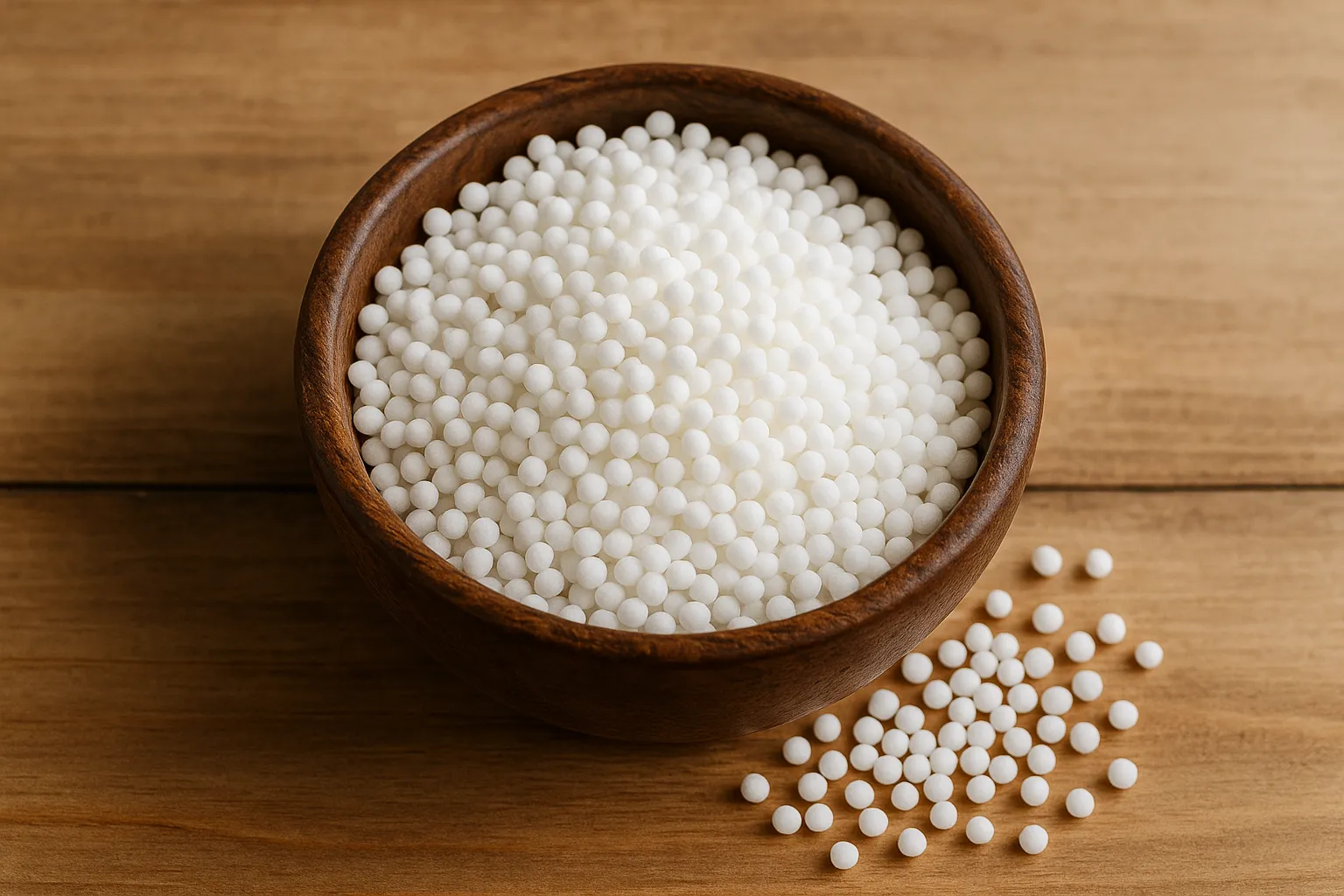
Quick Nutrition Facts
Per 100g Dry Sabudana (Tapioca Pearls)
| Nutrient | Amount |
|---|---|
| Calories | 358 kcal |
| Protein | 0.3g |
| Carbohydrates | 88g |
| Fiber | 1.3g |
| Sugars | 3.4g |
| Fat | 0.1g |
| Iron | 3.2mg |
| Calcium | 30mg |
| Magnesium | 5mg |
| Sodium | 2mg |
Macronutrient Breakdown
 ChatGPT
  Claude
  AI Mode
  Perplexity
NUTRITIONIST INSIGHT
Sabudana is 98% carbohydrates with minimal protein, fat, or fiber. It's a pure energy source made from cassava starch, ideal for quick fuel during fasting or before intense workouts, but not suitable for weight loss or diabetes management.
Myth Busters
MYTH #1: Sabudana is Good for Weight Loss
TRUTH: Sabudana is actually counterproductive for weight loss. With 358 calories per 100g, high glycemic index (70-85), and only 1.3g fiber, it causes rapid blood sugar spikes and provides minimal satiety. Studies show high-GI foods increase hunger and calorie intake, making weight management difficult.
MYTH #2: Sabudana is a Complete Nutritious Food
TRUTH: Sabudana is nutritionally incomplete with only 0.3g protein and 0.1g fat per 100g. It's essentially pure starch with minimal vitamins, minerals, or fiber. Always pair with protein-rich foods (peanuts, curd, paneer) and vegetables for balanced nutrition.
MYTH #3: Sabudana is Safe for Diabetics During Fasting
TRUTH: Sabudana has one of the highest glycemic indices (70-85) among fasting foods, causing rapid blood sugar spikes. Research on diabetes management during Hindu fasting recommends limiting high-GI foods like sabudana and choosing complex carbs with protein instead. Diabetics should eat only small portions (1/4 cup dry) paired with vegetables and protein.
MYTH #4: Sabudana Provides Sustained Energy
TRUTH: Sabudana provides quick, not sustained energy. With high GI and minimal fiber, blood sugar spikes within 30 minutes and crashes by 90 minutes, causing energy dips and hunger. For sustained energy, choose low-GI alternatives like brown rice, quinoa, or oats.
MYTH #5: Soaked Sabudana is Lower in Calories
TRUTH: Soaking sabudana doesn't reduce calories—it only adds water weight. 100g dry sabudana (358 calories) becomes approximately 200-250g after soaking but still contains the same 358 calories. Calorie content remains unchanged; only volume increases.
MYTH #6: Sabudana is High in Protein
TRUTH: Sabudana contains only 0.3g protein per 100g—one of the lowest among common grains and fasting foods. You'd need to eat 1.7kg of sabudana to get 50g protein. Always combine with high-protein foods like peanuts (26g protein/100g), paneer (18g/100g), or curd (11g/100g).
NutriScore by Health Goals
| Health Goal | NutriScore | Why This Score? |
|---|---|---|
| Weight Loss |  | 358 calories, high GI (70-85), minimal satiety. Causes blood sugar spikes and hunger. Not recommended. |
| Muscle Gain | | Only 0.3g protein per 100g makes it useless for muscle building. Needs protein pairing. |
| Diabetes Management | | Very high GI (70-85) causes rapid glucose spikes. Limit to 1/4 cup with protein/vegetables. Monitor carefully. |
| PCOS Management | | High GI worsens insulin resistance, a key PCOS driver. Choose low-GI alternatives like brown rice or quinoa. |
| Pregnancy Nutrition |  | Safe during pregnancy for quick energy and nausea relief, but lacks protein, folate, and iron needed for fetal development. Must pair wisely. |
| Viral/Flu Recovery |  | Easily digestible, gentle on upset stomach, provides quick energy. Good for recovery when appetite is low. |
PERSONALIZED NUTRITION
Track your meals with NutriScan for personalized NutriScores based on your specific health goals!
Blood Sugar Response to Sabudana
Understanding how sabudana affects your blood glucose is critical, especially during fasting or for diabetes management.
Typical Glucose Response Curve
This chart shows typical blood glucose response for healthy individuals. Diabetics may experience higher and prolonged spikes. Individual responses vary. Not medical advice.
How to Reduce the Spike
Pairing high-GI foods with protein and fiber slows glucose absorption and reduces peak blood sugar:
- 🥜 Peanuts or roasted makhana - Add to sabudana khichdi for protein and healthy fats
- 🥛 Curd (dahi) or Greek yogurt - Provides protein and probiotics
- 🥗 Mixed vegetables (cucumber, tomato, spinach) - Adds fiber and micronutrients
- 🧈 Ghee in moderation - Healthy fat slows digestion and improves nutrient absorption
This combination significantly reduces the glucose spike and extends satiety, making sabudana more balanced nutritionally.
Cultural Significance
Sabudana (tapioca pearls) is made from cassava root starch, cultivated in South America over 8,000 years ago and brought to India by Portuguese traders in the 16th century.
In India:
- Essential fasting food during Navratri, Ekadashi, Mahashivratri, and other Hindu vrat (fasting) days
- Permitted during religious fasts when regular grains are restricted
- Popular dishes: sabudana khichdi, vada, kheer, papad, and thalipeeth
- Considered sattvic (pure) food in Ayurveda, balancing all three doshas
- Regional variations: Maharashtra (khichdi with peanuts), Gujarat (vada), South India (payasam)
Global Impact:
- Called "tapioca pearls" globally; "sago" in Southeast Asia (though true sago comes from sago palm)
- Used in bubble tea (boba) worldwide, though those are larger pearls with added sweeteners
- Gluten-free alternative gaining popularity in Western health food markets
- Brazil, Thailand, Nigeria, and Indonesia are major cassava/tapioca producers
Compare & Substitute
Sabudana vs Similar Fasting Foods (Per 100g)
| Nutrient | 🔘 Sabudana | 🥔 Sweet Potato | 🌰 Makhana (Fox Nuts) | 🥜 Peanuts (Roasted) |
|---|---|---|---|---|
| Calories | 358 kcal | 86 kcal | 347 kcal | 567 kcal |
| Carbs | 88g | 20g | 77g | 16g |
| Fiber | 1.3g | 3g | 14g | 8g |
| Protein | 0.3g | 1.6g | 9.7g | 26g |
| Fat | 0.1g | 0.1g | 0.1g | 49g |
| Iron | 3.2mg | 0.6mg | 1.4mg | 4.6mg |
| Calcium | 30mg | 30mg | 60mg | 92mg |
| GI | 70-85 (Very High) | 63 (Medium) | 30-35 (Low) | 14 (Very Low) |
| Best For | Quick energy, pre-workout | Weight loss, low-calorie | High fiber, low GI | Protein, healthy fats |
Frequently Asked Questions
Is sabudana good for weight loss?
No, sabudana is not ideal for weight loss. With 358 calories per 100g and high glycemic index (70-85), it causes rapid blood sugar spikes followed by crashes that trigger hunger and cravings.
Why it's problematic for weight loss: Only 1.3g fiber provides minimal satiety; 88g fast-digesting carbs cause energy crashes; lacks protein to support metabolism; easy to overconsume due to bland taste requiring added fats and sugars.
Better alternatives: Quinoa (120 kcal, 4.4g protein, 2.8g fiber), brown rice (111 kcal, 2.6g protein, 1.8g fiber), oats (68 kcal, 2.4g protein, 1.7g fiber per cooked portion).
Can diabetics eat sabudana?
Diabetics should severely limit or avoid sabudana. With a glycemic index of 70-85 (very high), it causes rapid blood glucose spikes comparable to pure sugar.
If consumed during fasting (with doctor approval):
- Limit to 1/4 cup dry sabudana (approximately 90 calories, 22g carbs)
- Always pair with vegetables (bottle gourd, spinach), protein (peanuts, paneer), and healthy fat (ghee)
- Best timing: mid-morning, never on empty stomach or at night
- Monitor blood sugar 2 hours after eating
- Consider lower-GI alternatives: amaranth (rajgira), buckwheat (kuttu), or sweet potato
Always consult your healthcare provider before consuming sabudana if you have diabetes.
How much protein is in sabudana?
Sabudana contains only 0.3g of protein per 100g—making it one of the poorest protein sources among common foods. This is 50 times less protein than chicken breast (31g) and 87 times less than peanuts (26g).
Protein comparison: To get 50g protein (daily minimum), you'd need to eat 16.7kg of sabudana (5,980 calories). For comparison, you need only 192g peanuts or 161g chicken breast.
Solution: Always pair sabudana with high-protein foods—add roasted peanuts to khichdi (26g protein/100g), serve with paneer curry (18g/100g), or have curd (11g/100g) as a side dish.
What are the main health benefits of sabudana?
Key Benefits:
- Quick Energy Source: 358 calories per 100g provides instant fuel for physical activity or fasting periods
- Easy Digestion: Minimal fiber makes it gentle on upset stomachs during illness or recovery
- Gluten-Free: Safe for celiac disease and gluten sensitivities
- Iron Content: 3.2mg iron per 100g supports blood health and prevents anemia
- Culturally Appropriate Fasting Food: Permits balanced nutrition during religious fasts when grains are restricted
- Pre-Workout Fuel: High-GI carbs provide rapid energy for intense exercise
Important: These benefits apply only when sabudana is consumed appropriately for specific goals (energy, fasting, pre-workout). It's unsuitable for weight loss, diabetes, or PCOS management.
When is the best time to eat sabudana?
Depends on your goal:
- Pre-Workout: 30-60 minutes before intense exercise for rapid energy fuel
- Religious Fasting: During Navratri, Ekadashi, or other Hindu vrat days when grains are restricted
- Weight Gain: As a calorie-dense meal or snack to increase daily calorie intake
- Illness Recovery: When appetite is low and easy-to-digest foods are needed
- Morning: If consumed for energy, best eaten at breakfast paired with protein
AVOID FOR
Never eat sabudana at night (causes blood sugar spikes during sleep), for weight loss goals (high calorie, low satiety), or on empty stomach if diabetic (rapid glucose spike).
Is sabudana healthy or unhealthy?
Sabudana is neither inherently healthy nor unhealthy—it depends entirely on your health goals and how you prepare it.
Sabudana is GOOD for:
- Quick energy needs (pre-workout, fasting, underweight individuals)
- Gluten-free diets and celiac disease
- Easy digestion during illness or digestive upset
- Religious fasting when grain alternatives are limited
Sabudana is BAD for:
- Weight loss (high calorie, high GI, low satiety)
- Diabetes management (GI 70-85 causes rapid blood sugar spikes)
- PCOS management (worsens insulin resistance)
- Muscle building (only 0.3g protein per 100g)
- Complete nutrition (lacks protein, vitamins, healthy fats)
Bottom line: Sabudana is a specialized food for specific situations, not an everyday staple. Use strategically based on your individual health goals.
How to prepare sabudana for best nutrition?
Healthier Preparation Methods:
- Soak Properly: Rinse and soak 4-6 hours until pearls are soft but not mushy; prevents excess oil absorption
- Add Protein: Mix roasted peanuts (1:3 ratio sabudana:peanuts) for protein and healthy fats
- Load Vegetables: Add diced potatoes, green chili, curry leaves, cilantro for fiber and micronutrients
- Minimal Oil: Use 1-2 tsp ghee instead of deep-frying (khichdi vs vada)
- Spice Smart: Cumin, black pepper, and rock salt (sendha namak) aid digestion
- Portion Control: Limit to 1/2-3/4 cup cooked sabudana per meal
Avoid: Deep-fried vada (adds 200+ calories), excessive sugar in kheer, or eating plain sabudana without protein/vegetables.


Similar Nutritious Foods
4505 Chicharrones Classic Chili Salt
7 Eleven Japan Crispy Corn Cheese
Explore More Nutrition Tools & Resources
AI Calorie Counter App - Snap a Photo, Get Macros
AI Nutritionist App That Reads Your Logged Meals
Best Protein Supplements for Women
Bulking Meal Plan App That Sets Your Surplus
ChatGPT Calorie Counter Alternative That Keeps the Total
ChatGPT Diet Plan Alternative That Tracks What You Eat
ChatGPT Weight Loss Coach Alternative With a Food Log
Fast Food Calorie Counter App That Reads the Tray
Free Calorie Tracker App with AI Photo Scans | NutriScan
Indian Diet Plan App With Veg and Non Veg Meals
Indian Food Calorie Calculator - Get Instant Nutrition Facts for Desi Meals — 2026
Intermittent Fasting for Women, Timer and Meal Log App
Intermittent Fasting Tracker App - Free Fasting Timer
Macro Tracker App That Fills the Numbers From a Photo
Mediterranean Diet Meal Plan App That Counts the Oil
Micronutrient Tracker App for Vitamins and Minerals
MyFitnessPal Alternative That Stays Free | NutriScan
NutriScore App: A Free Grade on Every Meal | NutriScan
Nutrition Label Scanner App for the Amount You Ate
Second Trimester Protein Guide
Vegetarian Meal Plan App With a Protein Target
Voice Calorie Counter - Speak to Track Meals Hands-Free
Water and Calorie Tracker App - Free Water Log