Sabudana Khichdi: Calories, Nutrition and Health Benefits
Traditional Indian fasting food made from tapioca pearls, providing quick energy with minimal protein and fat.
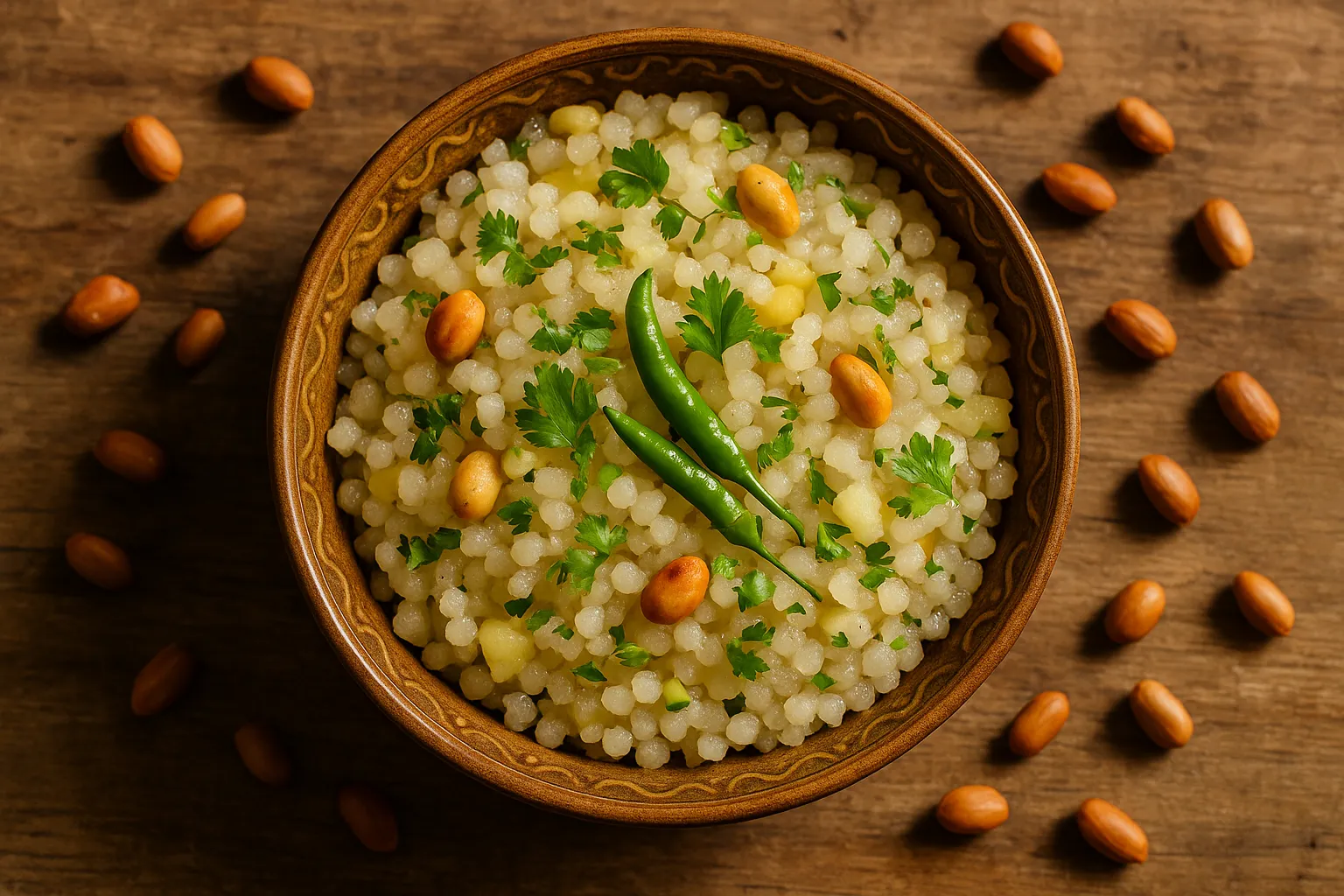
Quick Nutrition Facts
Per 100g Sabudana Khichdi
| Nutrient | Amount |
|---|---|
| Calories | 180 kcal |
| Protein | 0.3g |
| Carbohydrates | 44g |
| Fiber | 0.1g |
| Sugars | 0.5g |
| Fat | 0.2g |
| Sodium | 2mg |
| Iron | 0.8mg |
| Calcium | 10mg |
| Potassium | 5mg |
Macronutrient Breakdown
 ChatGPT
  Claude
  AI Mode
  Perplexity
NUTRITIONIST INSIGHT
Sabudana is pure carbohydrate with minimal protein and fat. While excellent for quick energy during fasting, pair with peanuts and yogurt to add protein and slow glucose absorption.
Myth Busters
MYTH #1: Sabudana is a Complete Meal
TRUTH: Sabudana provides only carbohydrates with negligible protein and fat. A complete meal requires protein (peanuts, curd), healthy fats, and vegetables for balanced nutrition. Pure sabudana khichdi lacks essential amino acids and micronutrients.
MYTH #2: Sabudana Helps Weight Loss
TRUTH: Sabudana is calorie-dense (180 kcal/100g) with high glycemic index (70+) causing rapid blood sugar spikes. Better weight loss options include quinoa, oats, or vegetable-based dishes with higher fiber and protein.
MYTH #3: Sabudana is Healthier Than Rice
TRUTH: White rice provides more protein (2.7g vs 0.3g per 100g) and similar calories. Sabudana has almost zero fiber compared to rice, making rice nutritionally superior despite similar carb content.
MYTH #4: Sabudana Khichdi is Low-Calorie Food
TRUTH: One cup (200g) of sabudana khichdi provides 360+ calories, mainly from carbs and cooking oil. When made with generous oil and peanuts, it can exceed 400-500 calories per serving.
MYTH #5: Diabetics Can Freely Eat Sabudana During Fasting
TRUTH: High GI of sabudana causes rapid blood sugar spikes, problematic for diabetics. If consumed, limit to 1/4 cup portions and pair with protein/fat to moderate glucose response.
MYTH #6: Sabudana is Highly Nutritious
TRUTH: Sabudana is primarily empty calories with minimal vitamins, minerals, or antioxidants. It provides quick energy but lacks the micronutrients found in whole grains, fruits, and vegetables.
NutriScore by Health Goals
| Health Goal | NutriScore | Why This Score? |
|---|---|---|
| Weight Loss |  | High calorie density (180 kcal/100g), zero fiber, high GI causes hunger soon after eating. Not recommended for weight loss. |
| Muscle Gain | | Nearly zero protein (0.3g/100g). Poor choice for muscle building. Add peanuts, paneer, or curd to improve protein content. |
| Diabetes Management |  | Very high GI (70+) causes rapid blood sugar spikes. Minimal fiber to slow absorption. Diabetics should choose alternatives like quinoa or brown rice. |
| PCOS Management | | High GI worsens insulin resistance. Lack of fiber and protein makes it problematic for PCOS. Choose complex carbs with protein instead. |
| Pregnancy Nutrition |  | Safe during pregnancy fasting but lacks essential nutrients. Should be paired with nuts and dairy for complete nutrition. |
| Viral/Flu Recovery | | Easy to digest, provides quick energy when appetite is low. However, lacks immune-boosting vitamins and protein needed for recovery. |
PERSONALIZED NUTRITION
Track your meals with NutriScan for personalized NutriScores based on your specific health goals!
Blood Sugar Response to Sabudana Khichdi
Understanding sabudana's high glycemic impact helps you make informed decisions about consumption timing and portion control.
Typical Glucose Response Curve
This chart shows typical blood glucose response for general healthy individuals. Individual responses may vary. Not medical advice.
How to Flatten the Spike
Pairing sabudana with protein and healthy fats significantly reduces the glucose spike:
- 🥜 Roasted peanuts - Add 2-3 tablespoons to khichdi for protein and healthy fats
- 🥛 Curd/Dahi (1 cup) - Serve on the side for protein and probiotics
- 🧀 Paneer cubes - Mix in for complete protein
- 🥥 Coconut (grated) - Adds healthy fats and fiber
This combination slows carbohydrate absorption, reduces the glucose peak, and provides more sustained energy.
Cultural Significance
Sabudana (tapioca pearls) derived from cassava root has been consumed in India for centuries, particularly during religious fasting.
In India:
- Primary fasting food during Navratri, Ekadashi, and other Hindu religious fasts
- Considered "sattvic" (pure) food in Ayurveda
- Popular in Maharashtra, Gujarat, and Karnataka
- Traditional preparation: soaked overnight, cooked with peanuts and spices
- Also used in desserts: sabudana kheer, sabudana papad
Global Context:
- Cassava (sabudana source) is staple for 800+ million people worldwide
- Tapioca pearls used in bubble tea, puddings, and gluten-free cooking
- Third-largest carbohydrate source globally after rice and corn
- Naturally gluten-free, making it popular in gluten-free diets
Compare & Substitute
Sabudana Khichdi vs Similar Carb Sources (Per 100g)
| Nutrient | 🍚 Sabudana Khichdi | 🌾 Quinoa (cooked) | 🥣 Oats (cooked) | 🍚 Brown Rice (cooked) |
|---|---|---|---|---|
| Calories | 180 kcal | 120 kcal | 71 kcal | 111 kcal |
| Carbs | 44g | 21g | 12g | 23g |
| Fiber | 0.1g | 2.8g | 1.7g | 1.8g |
| Protein | 0.3g | 4.4g | 2.5g | 2.6g |
| Fat | 0.2g | 1.9g | 1.5g | 0.9g |
| Iron | 0.8mg | 1.5mg | 1.2mg | 0.4mg |
| GI | 70+ (High) | 53 (Low) | 55 (Low) | 50 (Low) |
| Best For | Quick energy, fasting | Weight loss, diabetes, muscle gain | Weight loss, heart health | Daily meals, diabetes |
Frequently Asked Questions
Is Sabudana Khichdi good for weight loss?
No, sabudana khichdi is not recommended for weight loss. With 180 calories per 100g and 88% carbohydrates, it's calorie-dense with minimal protein or fiber for satiety. The high glycemic index causes blood sugar spikes followed by hunger.
Better alternatives: Quinoa (120 cal/100g, 4.4g protein), oats (71 cal/100g, 2.5g protein), or vegetable-based dishes with lean protein.
Can diabetics eat Sabudana Khichdi?
Diabetics should consume sabudana khichdi with extreme caution or avoid it. The very high glycemic index (70+) causes rapid blood sugar spikes with minimal fiber to slow absorption.
If consumed:
- Limit to 1/4 cup (50g) portions
- Always pair with protein (peanuts, paneer, curd)
- Add vegetables for fiber
- Monitor blood glucose 2 hours after eating
- Better alternatives: quinoa, brown rice, or daliya (broken wheat)
Why is Sabudana eaten during fasting?
Sabudana is consumed during Hindu religious fasting (vrat) because:
- Sattvic Food: Considered pure and light in Ayurveda
- Quick Energy: Easily digestible carbohydrates provide energy during fasting
- Religious Approval: Allowed in fasting guidelines while grains are prohibited
- Light on Stomach: Gentle on digestion during restricted eating
- Traditional Practice: Cultural tradition passed through generations
However, from a nutritional standpoint, it provides mainly empty calories without significant micronutrients.
Is Sabudana gluten-free?
Yes, sabudana (tapioca pearls) is 100% gluten-free. It's made from cassava root starch and contains no wheat, barley, or rye proteins that trigger celiac disease or gluten sensitivity.
Important: Always check packaging for cross-contamination warnings if you have severe gluten allergies, as processing facilities may also handle grains.
What is the best time to eat Sabudana Khichdi?
Best timing depends on your goal:
- Fasting Days: Mid-morning or early afternoon for sustained energy
- Quick Energy: 45-60 minutes before intense physical activity
- Breakfast: Morning meal during fasting, but pair with protein
- Avoid: Dinner or late evening due to high carb content and GI
TIMING TIP
Never eat sabudana khichdi alone at night. The carb load without activity can lead to fat storage and poor sleep quality.
How to make Sabudana Khichdi healthier?
Transform basic sabudana khichdi into a more balanced meal:
Add Protein:
- Mix 3-4 tablespoons roasted peanuts (adds 8g protein)
- Serve with 1 cup curd/yogurt (adds 6g protein)
- Add paneer cubes (adds 14g protein per 50g)
Boost Fiber:
- Add chopped vegetables (carrots, peas, beans)
- Mix in grated coconut for healthy fats and fiber
Control Portions:
- Limit to 1/2-3/4 cup per serving
- Use minimal cooking oil (1-2 teaspoons)
- Don't eat as sole meal; combine with protein and vegetables
How many calories in 1 cup Sabudana Khichdi?
1 cup (200g) contains approximately 360-500 calories, depending on preparation:
- Basic recipe (minimal oil): 360-400 calories
- Regular recipe (moderate oil, peanuts): 400-450 calories
- Rich recipe (generous oil, ghee, peanuts): 450-500+ calories
The calorie count increases significantly with oil and peanuts used in cooking. Track your recipe accurately with NutriScan app for precise calorie counts.
Is Sabudana high in protein?
No, sabudana is extremely low in protein. Per 100g of sabudana khichdi, you get only 0.3g protein - less than 1% of daily needs.
Comparison:
- Sabudana: 0.3g protein per 100g
- Quinoa: 4.4g protein per 100g
- Oats: 2.5g protein per 100g
- Brown rice: 2.6g protein per 100g
To increase protein, add roasted peanuts (3-4 tbsp adds 8g protein) and serve with curd (1 cup adds 6g protein).


Similar Nutritious Foods
4505 Chicharrones Classic Chili Salt
7 Eleven Japan Crispy Corn Cheese
Explore More Nutrition Tools & Resources
AI Calorie Counter App - Snap a Photo, Get Macros
AI Nutritionist App That Reads Your Logged Meals
Best Protein Supplements for Women
Bulking Meal Plan App That Sets Your Surplus
ChatGPT Calorie Counter Alternative That Keeps the Total
ChatGPT Diet Plan Alternative That Tracks What You Eat
ChatGPT Weight Loss Coach Alternative With a Food Log
Fast Food Calorie Counter App That Reads the Tray
Free Calorie Tracker App with AI Photo Scans | NutriScan
Indian Diet Plan App With Veg and Non Veg Meals
Indian Food Calorie Calculator - Get Instant Nutrition Facts for Desi Meals — 2026
Intermittent Fasting for Women, Timer and Meal Log App
Intermittent Fasting Tracker App - Free Fasting Timer
Macro Tracker App That Fills the Numbers From a Photo
Mediterranean Diet Meal Plan App That Counts the Oil
Micronutrient Tracker App for Vitamins and Minerals
MyFitnessPal Alternative That Stays Free | NutriScan
NutriScore App: A Free Grade on Every Meal | NutriScan
Nutrition Label Scanner App for the Amount You Ate
Second Trimester Protein Guide
Vegetarian Meal Plan App With a Protein Target
Voice Calorie Counter - Speak to Track Meals Hands-Free
Water and Calorie Tracker App - Free Water Log