Salmon: Calories, Nutrition and Health Benefits
The ultimate heart-healthy protein packed with omega-3 fatty acids, complete protein, and essential nutrients for cardiovascular health, muscle building, and brain function.
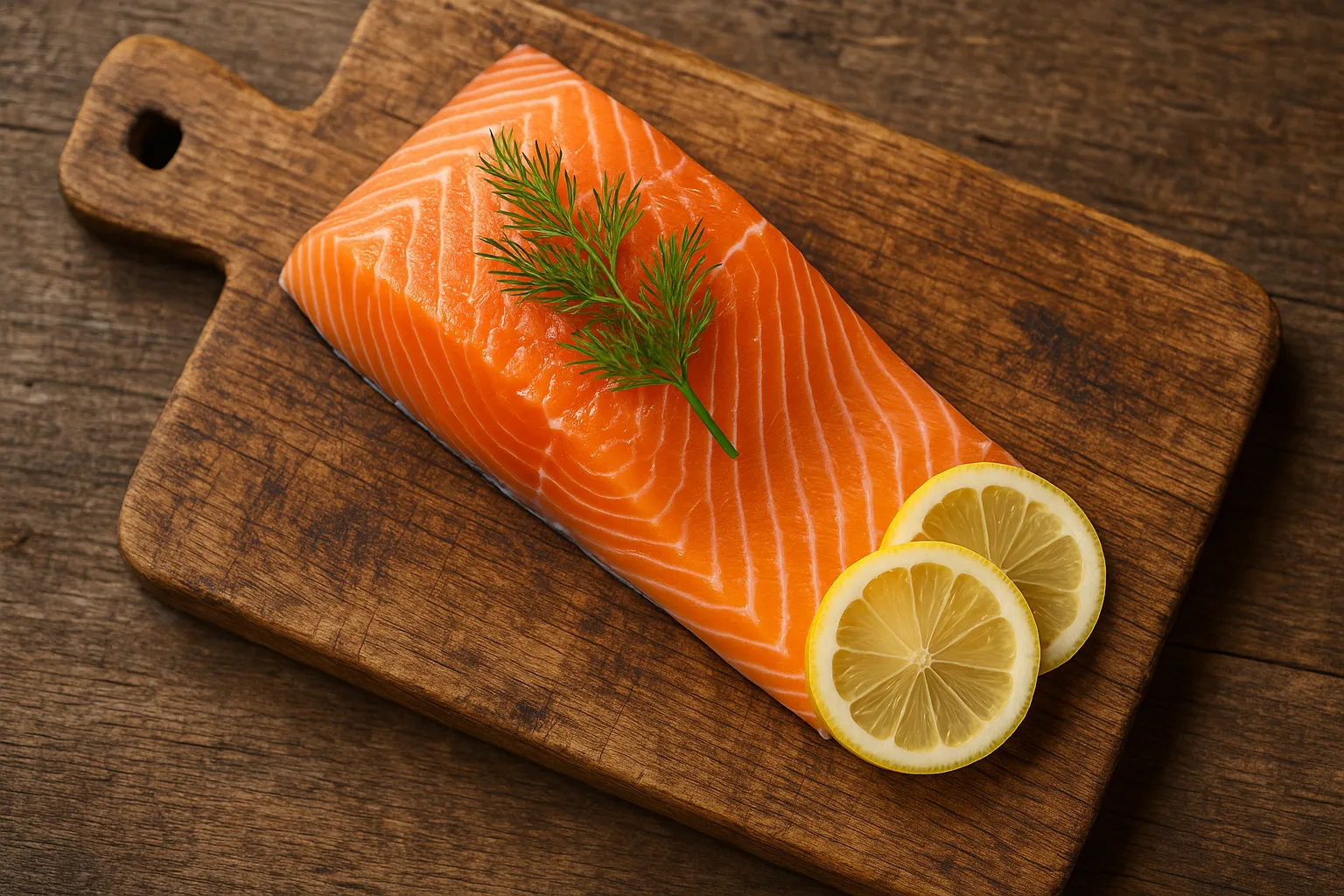
Quick Nutrition Facts
Per 3oz (85g) Cooked Wild Atlantic Salmon
| Nutrient | Amount |
|---|---|
| Calories | 206 kcal |
| Protein | 22g |
| Fat | 12g |
| Saturated Fat | 2.1g |
| Omega-3 (EPA + DHA) | 1.5g |
| Carbohydrates | 0g |
| Cholesterol | 60mg |
| Sodium | 50mg |
| Vitamin B12 | 2.6mcg |
| Vitamin D | 570 IU |
| Selenium | 40mcg |
Macronutrient Breakdown
 ChatGPT
  Claude
  AI Mode
  Perplexity
NUTRITIONIST INSIGHT
Salmon provides over 1,500mg of EPA and DHA omega-3 fatty acids per 3oz serving - more than the American Heart Association's recommended 1,000mg daily for heart health. Wild salmon offers superior omega-6 to omega-3 ratio compared to farmed varieties.
Myth Busters
MYTH #1: All Salmon Is High in Mercury
TRUTH: Salmon is one of the lowest-mercury fish. The FDA classifies salmon as "Best Choice" for pregnancy with only 0.022 ppm mercury compared to 0.358 ppm in tuna. Safe for 2-3 servings weekly even during pregnancy.
MYTH #2: Farmed Salmon Is Unhealthy
TRUTH: While wild salmon has fewer calories and better omega-6:omega-3 ratio, farmed salmon still provides substantial omega-3s and vitamin D. Both types offer cardiovascular benefits - choose based on budget and sustainability preferences.
MYTH #3: Salmon Is Too Fatty for Weight Loss
TRUTH: The 12g of fat in salmon includes heart-healthy omega-3s that may actually enhance fat metabolism and reduce inflammation. Combined with 22g protein, salmon promotes satiety and preserves muscle during weight loss.
MYTH #4: You Need to Avoid Salmon If You Have High Cholesterol
TRUTH: Despite containing 60mg cholesterol per serving, salmon's omega-3 fatty acids help improve cholesterol profiles by raising HDL (good cholesterol) and lowering triglycerides. Studies show regular fish consumption reduces cardiovascular disease risk.
MYTH #5: Frozen Salmon Is Less Nutritious Than Fresh
TRUTH: Frozen salmon retains omega-3s, protein, and vitamins equally well. Flash-frozen fish may be fresher than "fresh" fish that's been transported for days. Quality depends on handling, not frozen vs fresh status.
MYTH #6: Pregnant Women Should Avoid Salmon
TRUTH: The opposite is true. The FDA and ACOG recommend 8-12 ounces of low-mercury fish weekly during pregnancy. Salmon's DHA omega-3 is crucial for fetal brain and eye development.
NutriScore by Health Goals
| Health Goal | NutriScore | Why This Score? |
|---|---|---|
| Weight Loss |  | 22g protein promotes satiety, omega-3s support fat metabolism, zero carbs ideal for low-carb diets. 206 calories per 3oz. |
| Muscle Gain | | Complete protein with all essential amino acids, 22g per serving supports muscle synthesis and recovery. |
| Diabetes Management | | Zero carbs, omega-3s improve insulin sensitivity, reduces cardiovascular risk. |
| PCOS Management | | Anti-inflammatory omega-3s, high protein stabilizes blood sugar, supports hormone balance. |
| Pregnancy Nutrition | | DHA critical for fetal brain development, low mercury, 570 IU vitamin D, complete protein. FDA recommends 8-12oz weekly. |
| Viral/Flu Recovery | | High-quality protein for immune function, selenium supports antioxidant defense, vitamin D boosts immunity, easily digestible. |
PERSONALIZED NUTRITION
Track your meals with NutriScan for personalized NutriScores based on your specific health goals!
Blood Sugar Response to Salmon
Understanding how salmon affects blood glucose can help you make informed decisions about meal planning and portion control.
Typical Glucose Response Curve
This chart shows typical blood glucose response for general healthy individuals. Individual responses may vary. Not medical advice.
Why Salmon Is Ideal for Blood Sugar Control
Protein and healthy fats slow carbohydrate absorption and prevent blood sugar spikes. Salmon's zero-carb profile makes it perfect for diabetes management:
- 🥗 Pair with non-starchy vegetables - Broccoli, asparagus, spinach add fiber without spiking glucose
- 🍚 Combine with controlled portions of quinoa or brown rice - Protein buffers carb impact
- 🥑 Add healthy fats like avocado - Further slows digestion and extends satiety
- 🍋 Finish with lemon juice - May help moderate post-meal glucose response
This combination provides balanced nutrition while maintaining stable blood sugar levels throughout the day.
Cultural Significance
Salmon has been a cornerstone of human nutrition for thousands of years, with deep cultural and historical roots across the globe.
In Indigenous North American Cultures:
- Pacific Northwest tribes revere salmon as sacred, celebrating First Salmon Ceremony annually
- Salmon provided 50-90% of protein for coastal communities for millennia
- Traditional smoking and drying techniques preserve salmon for winter months
- Represents abundance, renewal, and connection to natural cycles
In Nordic Countries:
- Vikings preserved salmon through smoking and salting for long voyages
- Traditional gravlax (cured salmon) dates back centuries
- Norway is world's largest salmon producer and exporter
- Salmon integral to Scandinavian cuisine and economy
Modern Global Impact:
- 2.5+ million tons of salmon consumed globally each year
- Aquaculture revolution made salmon affordable worldwide
- Sustainable farming practices evolving to reduce environmental impact
- Wild Pacific salmon migrations among nature's most remarkable phenomena
Compare & Substitute
Salmon vs Similar Protein Sources (Per 100g Cooked)
| Nutrient | 🐟 Salmon (Wild) | 🐟 Tuna (Yellowfin) | 🐔 Chicken Breast | 🐟 Tilapia |
|---|---|---|---|---|
| Calories | 182 kcal | 132 kcal | 165 kcal | 128 kcal |
| Protein | 25g | 29g | 31g | 26g |
| Fat | 8g | 1g | 3.6g | 2.7g |
| Omega-3 | 2,150mg | 280mg | 60mg | 200mg |
| Vitamin D | 526 IU | 268 IU | 7 IU | 0 IU |
| Vitamin B12 | 2.8mcg | 10.9mcg | 0.3mcg | 1.6mcg |
| Selenium | 42mcg | 108mcg | 27mcg | 54mcg |
| Mercury Level | Low (0.022 ppm) | Moderate (0.358 ppm) | None | Low (0.013 ppm) |
| Best For | Heart health, omega-3s | Highest protein, lean | Lean protein, budget | Mild flavor, low-calorie |
Frequently Asked Questions
Is salmon good for weight loss?
Yes, salmon is excellent for weight loss. A 3oz serving provides 22g protein that promotes satiety and helps preserve muscle mass during calorie restriction. The omega-3 fatty acids may enhance fat metabolism and reduce inflammation associated with obesity.
Best practices: Grill, bake, or air-fry salmon without excess oil; pair with non-starchy vegetables; limit to 3-4 servings weekly; avoid heavy sauces or breading.
Can diabetics eat salmon?
Absolutely. Salmon is ideal for diabetes management with zero carbohydrates and high omega-3 content that may improve insulin sensitivity. Studies show regular fish consumption significantly reduces cardiovascular disease risk in diabetics.
Tips for diabetics:
- Aim for 2-3 servings (3-4oz each) weekly
- Pair with fiber-rich vegetables to further stabilize blood sugar
- Choose grilled, baked, or poached preparation methods
- Monitor portion sizes to control total calorie intake
Always consult your healthcare provider for personalized dietary advice.
How much protein is in salmon?
A 3oz (85g) serving of cooked salmon contains 22 grams of high-quality complete protein with all nine essential amino acids. This makes salmon excellent for muscle building, recovery, and maintaining lean body mass.
For muscle gain goals, consume salmon within 2 hours post-workout to maximize protein synthesis.
Is salmon safe during pregnancy?
Yes, salmon is one of the safest and most beneficial fish for pregnancy. The FDA and ACOG recommend 8-12 ounces of low-mercury fish weekly during pregnancy and breastfeeding.
Pregnancy benefits:
- DHA Omega-3: Critical for fetal brain and eye development
- Low Mercury: Only 0.022 ppm compared to 0.358 ppm in tuna
- Complete Protein: Supports fetal growth and maternal health
- Vitamin D: 570 IU per serving supports bone development
- Vitamin B12: Essential for neural tube development
Safe consumption: 2-3 servings (3-4oz each) weekly, fully cooked to 145°F internal temperature.
Wild salmon or farmed salmon - which is healthier?
Both are nutritious, but wild salmon has some advantages:
Wild Salmon Benefits:
- Lower calories: 182 kcal vs 206 kcal per 3oz
- Less total fat: 8g vs 12-13g
- Better omega-6 to omega-3 ratio (0.05 vs 0.7)
- Lower contaminant levels
- More natural diet and lifestyle
Farmed Salmon Benefits:
- Higher total omega-3 content (more fat overall)
- More consistent availability year-round
- Lower cost and greater accessibility
- Controlled farming reduces overfishing
Recommendation: Choose wild when budget allows, but farmed salmon still provides substantial health benefits. Both far exceed chicken or beef for omega-3 content.
How often should I eat salmon?
General Guidelines:
- 2-3 servings weekly (3-4oz each) - Most adults for optimal omega-3 benefits
- 8-12 ounces weekly - Pregnant/breastfeeding women per FDA guidelines
- 3-4 servings weekly - Athletes, muscle gain goals, or those with low omega-3 intake
- 1-2 servings weekly - Budget-conscious (supplement with sardines, mackerel)
Avoid daily consumption: While salmon is low-mercury, varying fish types ensures balanced micronutrient intake and minimizes any contaminant exposure.
Track your meals with NutriScan app to monitor protein and omega-3 intake aligned with your health goals.
What's the best way to cook salmon?
Healthiest cooking methods preserve omega-3s and minimize added fat:
- Baked/Roasted (400°F for 12-15 min) - Simple, preserves moisture, minimal fat
- Grilled (medium-high heat, 6-8 min per side) - Adds smoky flavor, crispy skin
- Poached (simmer in water/broth) - Lowest calorie, very tender, ideal for salads
- Air-Fried (400°F for 7-10 min) - Crispy exterior without oil
Avoid: Deep frying adds 100+ calories and destroys omega-3s. Pan-frying is acceptable with minimal olive oil.
Pro tip: Cook to 145°F internal temperature. Salmon continues cooking after removal, so slight translucency at center is ideal.
Does cooking salmon destroy omega-3s?
Minimal omega-3 loss occurs with proper cooking. Studies show baking, grilling, and poaching at moderate temperatures (<400°F) retain 85-95% of omega-3 fatty acids.
To maximize omega-3 retention:
- Avoid overcooking (dry, flaky salmon = omega-3 loss)
- Use moist-heat methods (baking in foil, poaching)
- Keep cooking time under 20 minutes
- Don't deep-fry or cook above 450°F
Eating cooked salmon 2-3 times weekly still provides far more omega-3s than most people consume.


Similar Nutritious Foods
4505 Chicharrones Classic Chili Salt
7 Eleven Japan Crispy Corn Cheese
Explore More Nutrition Tools & Resources
AI Calorie Counter App - Snap a Photo, Get Macros
AI Nutritionist App That Reads Your Logged Meals
Best Protein Supplements for Women
Bulking Meal Plan App That Sets Your Surplus
ChatGPT Calorie Counter Alternative That Keeps the Total
ChatGPT Diet Plan Alternative That Tracks What You Eat
ChatGPT Weight Loss Coach Alternative With a Food Log
Fast Food Calorie Counter App That Reads the Tray
Free Calorie Tracker App with AI Photo Scans | NutriScan
Indian Diet Plan App With Veg and Non Veg Meals
Indian Food Calorie Calculator - Get Instant Nutrition Facts for Desi Meals — 2026
Intermittent Fasting for Women, Timer and Meal Log App
Intermittent Fasting Tracker App - Free Fasting Timer
Macro Tracker App That Fills the Numbers From a Photo
Mediterranean Diet Meal Plan App That Counts the Oil
Micronutrient Tracker App for Vitamins and Minerals
MyFitnessPal Alternative That Stays Free | NutriScan
NutriScore App: A Free Grade on Every Meal | NutriScan
Nutrition Label Scanner App for the Amount You Ate
Second Trimester Protein Guide
Vegetarian Meal Plan App With a Protein Target
Voice Calorie Counter - Speak to Track Meals Hands-Free
Water and Calorie Tracker App - Free Water Log