Salted Egg Yolk: Calories, Nutrition and Health Benefits
Viral Asian ingredient with 147mg choline for brain health, pregnancy support, and powerful satiety—cholesterol myths debunked by latest science.
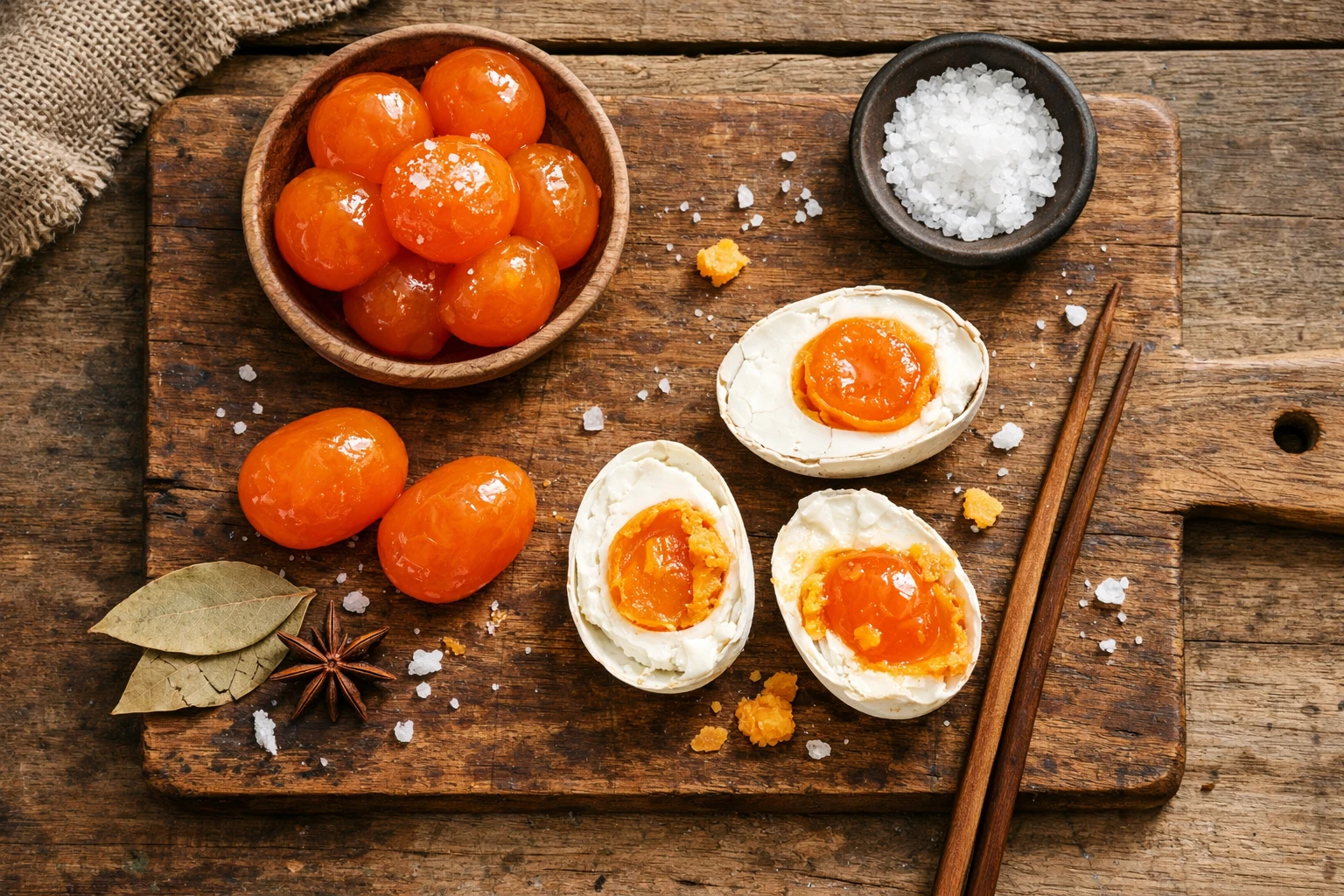
Quick Nutrition Facts
Per 100g Salted Egg Yolk
| Nutrient | Amount | % DV |
|---|---|---|
| Calories | 275 kcal | 14% |
| Protein | 14.1g | 28% |
| Fat | 22.9g | 35% |
| Carbohydrates | 1.8g | 1% |
| Cholesterol | 912mg | 304% |
| Sodium | 10,461mg | 455% |
| Phosphorus | 1,242mg | 124% |
| Vitamin A | 939µg | 104% |
| Choline | ~147mg/yolk | 33% |
| Lecithin | 9.44g | - |
Macronutrient Breakdown
 ChatGPT
  Claude
  AI Mode
  Perplexity
NUTRITIONIST INSIGHT
Salted egg yolk delivers 147mg choline per yolk—supporting fetal brain development and reducing neural tube defect risk by 36%. However, 10,461mg sodium per 100g requires portion control, especially during pregnancy.
Myth Busters
MYTH #1: Egg Yolk Cholesterol Causes Heart Disease
TRUTH: Recent research shows eating 2 eggs daily reduces LDL cholesterol when saturated fat is low. Every 100mg dietary cholesterol raises blood cholesterol only 2.2mg/dL. Saturated fat, not egg cholesterol, drives heart disease risk.
MYTH #2: Pregnant Women Should Avoid Egg Yolk
TRUTH: Higher maternal choline intake reduces neural tube defects by 36% and improves child memory scores by 1.4 points at age 7. Pregnant women need 450mg choline daily; egg yolks are nature's richest source (147mg per yolk).
MYTH #3: Salted Egg Yolk and Fresh Egg Yolk Are Nutritionally Identical
TRUTH: Salting concentrates nutrients through dehydration—ash increases from 1.1% to 7.5%, sodium reaches 10,461mg vs ~50mg per 100g. Processing enhances antioxidants but dramatically elevates sodium, requiring portion control.
MYTH #4: Egg Yolks Cause Diabetes
TRUTH: Studies showing diabetes risk involved high-carb diets and processed meats. Pregnant women eating most eggs showed 41% lower gestational diabetes risk. The protein and choline improve insulin sensitivity when paired with low-carb patterns.
MYTH #5: Egg White Is Healthier Than Yolk
TRUTH: 100% of egg's choline, lecithin, vitamins A/D/E/K, lutein, and zeaxanthin reside in the yolk. Egg yolk lecithin demonstrates antioxidant, anti-inflammatory, and neuroprotective properties absent in whites.
MYTH #6: High Cholesterol Foods Raise Blood Cholesterol Equally in Everyone
TRUTH: ApoE4/4 genotype individuals show 2x greater cholesterol response than others. Genetic variation explains why some people tolerate high-cholesterol foods while others show lipid elevation—personalized nutrition matters.
NutriScore by Health Goals
| Health Goal | NutriScore | Why This Score? |
|---|---|---|
| Weight Loss |  | Egg breakfast reduces lunch intake by 765 calories (4,518 vs 5,283 kJ). The 14.1g protein enhances satiety through prolonged gastric emptying and peptide YY secretion. Limit 1-2 weekly due to sodium. |
| Muscle Gain |  | 14.1g high-quality protein with complete amino acids supports muscle synthesis; 22.9g fat provides energy; phosphorus (1,242mg) aids ATP production. Sodium requires hydration management. |
| Diabetes Management |  | Low carbs (1.8g) minimize glucose spike; choline improves insulin sensitivity; but daily consumption in high-carb diets associates with increased diabetes risk. Limit to 2-3 weekly in low-carb context. |
| PCOS Management | | Whole eggs reduce inflammatory markers TNF-α and IL-6 in PCOS. High-quality protein improves insulin sensitivity; omega-3s and selenium are anti-inflammatory. Check egg sensitivity first. |
| Pregnancy Nutrition | | 147mg choline reduces neural tube defects 36%, improves child memory. But >5g daily sodium increases low birth weight risk by 72-106%. Limit to 1-2 yolks weekly; pair with low-sodium foods. |
| Viral/Flu Recovery | | Vitamin A (939µg, 104% DV) supports immune function; selenium protects against oxidative damage; easy-to-digest protein supports recovery. Sodium aids fluid balance but requires hydration. |
PERSONALIZED NUTRITION
Track your meals with NutriScan for personalized NutriScores based on your specific health goals!
Blood Sugar Response to Salted Egg Yolk
Salted egg yolk produces minimal blood sugar impact due to extremely low carbohydrate content (1.8g per 100g). The high protein (14.1g) and fat (22.9g) content slow gastric emptying and glucose absorption when consumed with carb-containing foods.
Typical Glucose Response Curve
This chart shows typical blood glucose response for general healthy individuals. Individual responses may vary. Not medical advice.
How to Optimize Metabolic Benefits
Strategic pairing maximizes salted egg yolk's metabolic advantages:
- 🥗 With vegetables - Pair with leafy greens, broccoli, or cauliflower to offset sodium and add fiber
- 🍚 With complex carbs - Add to brown rice, quinoa, or sweet potato to slow glucose absorption
- 💧 With hydration - Drink 8-16oz water per yolk to manage 10,461mg sodium per 100g
- 🥑 With healthy fats - Combine with avocado or olive oil to enhance fat-soluble vitamin absorption
This approach delivers choline's insulin-sensitizing benefits while mitigating sodium-related blood pressure concerns.
Cultural Significance
Salted egg originated in China during the Ming Dynasty (1368-1644 AD) as a preservation method before refrigeration, using duck eggs due to their larger size and richer flavor than chicken eggs.
Asian Food Trends:
- Singapore imported 3,300 tonnes in 2018 (13.8% increase from 2014)
- Viral applications: chips, popcorn, desserts, bubble tea foam
- Traditional uses: mooncakes, rice dumplings (zongzi), congee toppings
- Modern fusion: pasta sauces, croissants, ice cream, pizza
Traditional Preparation:
- Brining in saturated saline (25-30% salt) for 30-40 days
- Clay-coating method using soil paste mixed with salt
- Modern low-salt techniques reduce sodium by 50% using vacuum/ultrasonic methods
- Quality indicators: orange-red yolk, sandy texture, oily appearance
Global Spread:
- Malaysian and Filipino cuisines adopted during Chinese diaspora
- Taiwan's innovation in salted egg yolk snacks (chips, cookies)
- Western markets embrace via Asian fusion restaurants
- Over 10,000 tonnes of egg white discarded annually in China due to excessive salt
Compare & Substitute
Salted Egg Yolk vs Similar Egg Products (Per 100g)
| Nutrient | 🥚 Salted Yolk | 🍳 Fresh Yolk | 🥚 Whole Egg | 🥚 Egg White |
|---|---|---|---|---|
| Calories | 275 kcal | 322 kcal | 143 kcal | 52 kcal |
| Protein | 14.1g | 15.9g | 12.6g | 11g |
| Fat | 22.9g | 26.5g | 9.5g | 0.2g |
| Carbs | 1.8g | 3.6g | 0.7g | 0.7g |
| Cholesterol | 912mg | 1,011mg | 373mg | 0mg |
| Sodium | 10,461mg (455%) | ~50mg (2%) | 124mg (5%) | 166mg (7%) |
| Choline | ~147mg/yolk | ~147mg/yolk | ~147mg/egg | 0.4mg |
| Vitamin A | 939µg (104%) | 1,442µg (160%) | 149µg (17%) | 0µg |
| Best For | Asian fusion, flavor boost | Brain health, pregnancy | Complete nutrition, weight loss | Low-cal, low-cholesterol |
Frequently Asked Questions
Is salted egg yolk safe during pregnancy?
Yes, in moderation. Salted egg yolk provides 147mg choline per yolk—pregnant women need 450mg daily to prevent neural tube defects (36% risk reduction) and support fetal brain development. However, the 10,461mg sodium per 100g requires strict portion control; limit to 1-2 yolks weekly and pair with low-sodium vegetables.
Pregnancy guidelines: Consume 450-550mg choline daily through eggs, fish, or supplements; avoid >5g daily sodium to prevent low birth weight (72-106% increased risk); choose low-salt preparation methods when possible; consult healthcare provider for personalized guidance.
Does egg yolk cholesterol cause heart disease?
No. Recent University of South Australia research shows eating 2 eggs daily reduces LDL cholesterol when saturated fat is low. Every 100mg dietary cholesterol raises blood cholesterol only 2.2-2.5mg/dL. The Framingham Heart Study found no connection between blood cholesterol and coronary artery disease or all-cause mortality.
Key insights: Saturated fat, not dietary cholesterol, drives heart disease risk; egg yolk lutein and zeaxanthin prevent atherosclerosis through antioxidant mechanisms; ApoE genotype determines individual cholesterol response (2x variation); focus on overall diet quality, not cholesterol numbers.
Can salted egg yolk help with weight loss?
Yes. Egg-based breakfasts reduce subsequent lunch intake by 765 calories (4,518 vs 5,283 kJ) compared to isocaloric cereal breakfasts. The 14.1g protein per 100g enhances satiety through prolonged gastric emptying, peptide YY secretion, and enhanced thermogenesis. Choline modulates metabolism and reduces inflammation linked to weight gain.
Weight loss strategy: Use 1 salted egg yolk per breakfast 2-3x weekly; pair with vegetables to offset sodium; drink 8-16oz water per yolk; limit total intake to 2-3 yolks weekly due to sodium; combine with calorie deficit and exercise for optimal results.
How much choline is in salted egg yolk?
Salted egg yolk contains approximately 147mg choline per yolk (33% daily value). This essential nutrient supports brain function, liver health, and fetal neural development. Adults need 425mg daily; pregnant women need 450mg; breastfeeding women need 550mg.
Choline benefits: Precursor to acetylcholine neurotransmitter (memory, cognition); methyl donor for DNA synthesis; prevents neural tube defects during pregnancy; improves verbal memory in older adults; reduces inflammation and insulin resistance; supports liver function and fat metabolism.
Is salted egg yolk good for PCOS?
Yes, with cautions. Whole eggs reduce inflammatory markers TNF-α and IL-6 in PCOS patients through omega-3s, selenium, and vitamin D. The high-quality protein improves insulin sensitivity—addressing core PCOS pathophysiology. However, limit to 2-3 yolks weekly due to 10,461mg sodium, which can worsen inflammation.
PCOS protocol: Test for egg sensitivity first (some PCOS patients react adversely); consume within anti-inflammatory diet (Mediterranean pattern); pair with vegetables and complex carbs; monitor insulin and inflammatory markers; avoid if hypertensive due to sodium; consider fresh eggs for daily use, salted yolks for occasional flavor.
What's the difference between salted and fresh egg yolk?
Salting concentrates nutrients through dehydration and fundamentally alters composition. Ash increases from 1.1% to 7.5%; sodium rises from ~50mg to 10,461mg per 100g (91x increase); processing enhances antioxidants through Maillard reaction; lecithin decreases from 9.44g to lower levels; cholesterol remains similar (912mg vs 1,011mg).
Processing effects: Saturated fats increase 58%, monounsaturated fats increase 42%, polyunsaturated fats increase 23%; lysophosphatidylcholine and lysophosphatidylethanolamine levels rise; carotenoids concentrate (deeper orange color); texture becomes sandy and oily; vitamin C degrades during curing.
How many salted egg yolks can I eat per week?
General Guidelines:
- 1-2 yolks weekly - Most people due to 10,461mg sodium per 100g (455% DV)
- 2-3 yolks weekly - Pregnant women for choline (147mg per yolk) while managing sodium
- 3-4 yolks weekly - Athletes needing protein/calories, with high water intake
- 0-1 yolk weekly - Hypertensive individuals or those with cardiovascular disease
Sodium management: Each yolk contributes massive sodium load requiring 8-16oz water; pair with potassium-rich vegetables (spinach, sweet potato); choose low-salt preparation methods when available; monitor blood pressure if consuming regularly.
Can I eat salted egg yolk if I have high cholesterol?
Depends on ApoE genotype and overall diet. ApoE4/4 individuals show 2x greater cholesterol response than other genotypes. If saturated fat is low (<7% calories), eggs may actually reduce LDL. If saturated fat is high (processed meats, butter, cheese), eggs amplify cholesterol elevation.
High cholesterol protocol: Test ApoE genotype to assess individual response; limit to 1-2 yolks weekly initially; measure fasting lipids after 4 weeks; if LDL rises >10mg/dL, reduce frequency; if LDL stable or drops, continue moderate intake; prioritize fresh eggs over salted due to sodium; consult healthcare provider for personalized guidance.


Similar Nutritious Fruits
4505 Chicharrones Classic Chili Salt
7 Eleven Japan Crispy Corn Cheese
Explore More Nutrition Tools & Resources
AI Calorie Counter App - Snap a Photo, Get Macros
AI Nutritionist App That Reads Your Logged Meals
Best Protein Supplements for Women
Bulking Meal Plan App That Sets Your Surplus
ChatGPT Calorie Counter Alternative That Keeps the Total
ChatGPT Diet Plan Alternative That Tracks What You Eat
ChatGPT Weight Loss Coach Alternative With a Food Log
Fast Food Calorie Counter App That Reads the Tray
Free Calorie Tracker App with AI Photo Scans | NutriScan
Indian Diet Plan App With Veg and Non Veg Meals
Indian Food Calorie Calculator - Get Instant Nutrition Facts for Desi Meals — 2026
Intermittent Fasting for Women, Timer and Meal Log App
Intermittent Fasting Tracker App - Free Fasting Timer
Macro Tracker App That Fills the Numbers From a Photo
Mediterranean Diet Meal Plan App That Counts the Oil
Micronutrient Tracker App for Vitamins and Minerals
MyFitnessPal Alternative That Stays Free | NutriScan
NutriScore App: A Free Grade on Every Meal | NutriScan
Nutrition Label Scanner App for the Amount You Ate
Second Trimester Protein Guide
Vegetarian Meal Plan App With a Protein Target
Voice Calorie Counter - Speak to Track Meals Hands-Free
Water and Calorie Tracker App - Free Water Log