Sinigang: Calories, Nutrition and Health Benefits
The beloved Filipino sour soup featuring tamarind-soured broth, tender pork, and fresh vegetables—a comforting, protein-rich dish with powerful digestive benefits.
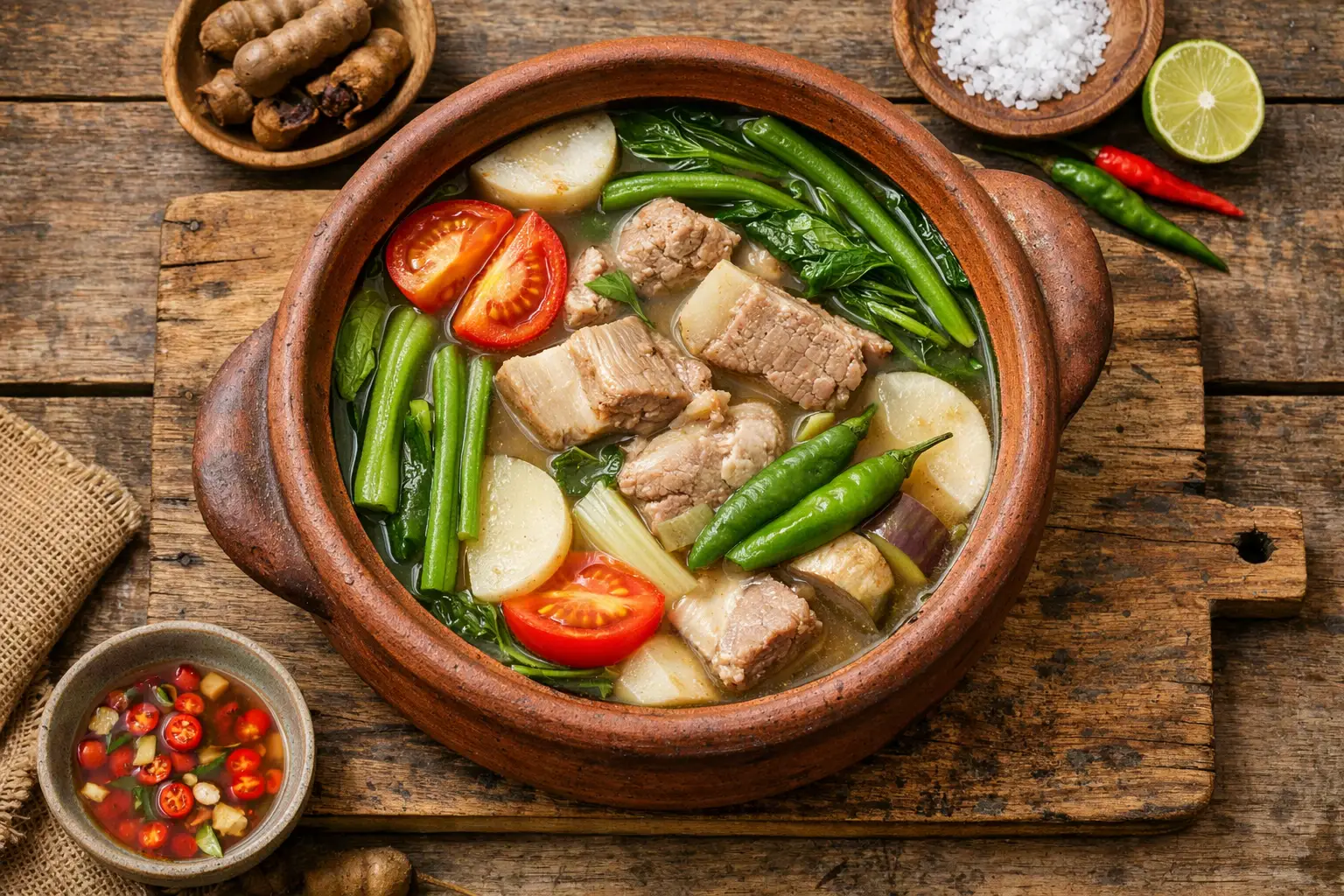
Quick Nutrition Facts
Per 1 Bowl Sinigang (350g)
| Nutrient | Amount |
|---|---|
| Calories | 180 kcal |
| Protein | 18g |
| Carbohydrates | 12g |
| Fiber | 3g |
| Sugars | 4g |
| Fat | 8g |
| Sodium | 850mg |
| Vitamin C | 25mg |
| Potassium | 520mg |
| Iron | 2.1mg |
Macronutrient Breakdown
 ChatGPT
  Claude
  AI Mode
  Perplexity
NUTRITIONIST INSIGHT
Sinigang's tamarind broth provides natural tartaric acid that aids digestion and may help reduce cholesterol. The combination of protein from meat and fiber from vegetables makes this soup exceptionally filling with minimal calories.
Myth Busters
MYTH #1: Sinigang Is Too Sour for Sensitive Stomachs
TRUTH: The tartaric acid in tamarind actually aids digestion rather than causing stomach upset. The sour broth stimulates digestive enzymes and can soothe mild digestive discomfort.
MYTH #2: Sinigang Is Unhealthy Because of High Sodium
TRUTH: While sinigang contains sodium (850mg per bowl), you can control this by making it at home with less salt. The vegetables and tamarind provide potassium that helps balance sodium effects on blood pressure.
MYTH #3: Pork Sinigang Is Too Fatty
TRUTH: A bowl of sinigang has only 8g of fat. Using lean pork cuts like pork loin or sirloin reduces fat content significantly. Fish or shrimp versions have even less fat with similar protein.
MYTH #4: Sinigang Causes Blood Sugar Spikes
TRUTH: Sinigang itself has only 12g carbs per bowl—most from vegetables. The fiber from vegetables slows glucose absorption. Blood sugar spikes come from rice eaten alongside, not the soup itself.
MYTH #5: Pregnant Women Should Avoid Sour Foods Like Sinigang
TRUTH: Sinigang is actually beneficial during pregnancy. The sour taste can help with morning sickness, and it provides protein, iron, and vitamin C. Just ensure meat is fully cooked.
MYTH #6: Canned/Instant Sinigang Mix Is Just as Healthy
TRUTH: Instant mixes are higher in sodium and contain additives. Fresh tamarind or natural souring agents (kamias, santol, guava) provide more antioxidants and health benefits without artificial ingredients.
NutriScore by Health Goals
| Health Goal | NutriScore | Why This Score? |
|---|---|---|
| Weight Loss |  | 180 calories per bowl with 18g protein promotes fullness. Broth-based soup is filling yet low calorie. Skip or limit rice. |
| Muscle Gain | | Excellent protein source (18g per bowl), easily digestible. The potassium (520mg) prevents muscle cramps post-workout. |
| Diabetes Management |  | Low carb soup (12g), high fiber vegetables. Vegetable soups help regulate blood sugar. Limit rice portion. |
| PCOS Management | | High protein, low glycemic load. Choose fish version for omega-3 benefits. Avoid eating with white rice. |
| Pregnancy Nutrition | | Provides iron (2.1mg), protein, and vitamin C. Sour taste helps with pregnancy nausea. Include leafy greens like kangkong. |
| Viral/Flu Recovery | | Hot sour broth soothes throat, vitamin C (25mg) supports immunity. Easy to digest with good hydration from broth. |
PERSONALIZED NUTRITION
Track your meals with NutriScan for personalized NutriScores based on your specific health goals!
Blood Sugar Response to Sinigang
Understanding how sinigang affects your blood glucose can help you make informed decisions about portion sizes and rice accompaniment.
Typical Glucose Response Curve
This chart shows typical blood glucose response for sinigang alone (without rice). Adding rice significantly increases the glucose response. Not medical advice.
How to Minimize Blood Sugar Impact
Pairing sinigang with fiber and protein rather than white rice helps maintain stable blood sugar:
- 🍚 Brown rice or cauliflower rice - Lower glycemic alternatives
- 🥬 Extra kangkong and vegetables - More fiber slows glucose absorption
- 🐟 Choose fish or shrimp versions - Lean protein with omega-3s
- ⏰ Eat soup first, rice last - Slows overall glucose response
Cultural Significance
Sinigang is considered the national soup of the Philippines, with origins tracing back centuries to pre-colonial times when Filipinos used local souring agents.
In the Philippines:
- Every region has unique variations: Visayan uses batuan fruit, Bicolanos add coconut milk
- Common souring agents: tamarind (sampalok), kamias, guava, santol, calamansi
- Served at family gatherings, fiestas, and as everyday comfort food
- Often paired with grilled fish (inihaw) for contrast of flavors
Global Recognition:
- Voted the world's best vegetable soup by TasteAtlas in 2021
- Growing popularity in Southeast Asian restaurants worldwide
- Adaptable to dietary preferences: pork, beef, fish, shrimp, or vegetarian versions
Compare & Substitute
Sinigang vs Similar Soups (Per 350g Serving)
| Nutrient | 🍲 Sinigang (Pork) | 🍜 Tom Yum | 🥣 Chicken Soup | 🍵 Miso Soup |
|---|---|---|---|---|
| Calories | 180 kcal | 120 kcal | 150 kcal | 70 kcal |
| Carbs | 12g | 8g | 10g | 8g |
| Fiber | 3g | 1g | 1g | 2g |
| Protein | 18g | 12g | 15g | 5g |
| Fat | 8g | 5g | 6g | 2g |
| Sodium | 850mg | 1200mg | 950mg | 900mg |
| Vitamin C | 25mg | 15mg | 5mg | 2mg |
| Best For | High protein, Filipino comfort | Low calorie, Thai flavor | Gentle recovery, universal | Low calorie, probiotics |
Frequently Asked Questions
Is sinigang good for weight loss?
Yes, sinigang supports weight loss effectively. A bowl has only 180 calories with 18g protein that keeps you full for hours. The broth-based soup with vegetables is low in energy density yet highly satisfying.
Best practices: Eat 1-2 bowls per day, skip or limit rice to 1/2 cup, choose lean pork cuts or fish, and load up on vegetables like kangkong, radish, and eggplant.
Can diabetics eat sinigang?
Diabetics can enjoy sinigang in moderation. The soup itself contains only 12g carbohydrates per bowl—most from vegetables with fiber that slows glucose absorption.
Tips for diabetics:
- Skip or limit rice (the main carb source)
- Choose fish or shrimp versions for lean protein
- Add extra leafy greens for more fiber
- Monitor blood sugar 2 hours after eating
How much protein is in sinigang?
A bowl of pork sinigang (350g) provides approximately 18g of protein. This makes it an excellent protein source comparable to a chicken breast. Fish and shrimp versions provide similar protein content with less fat.
For muscle gain, sinigang pairs well with rice for post-workout recovery, providing both protein and carbohydrates.
What are the main health benefits of sinigang?
Key Benefits:
- High Protein: 18g per bowl supports muscle maintenance and satiety
- Digestive Health: Tamarind's tartaric acid aids digestion
- Vitamin C Boost: 25mg supports immune function
- Anti-inflammatory: Tamarind contains antioxidants that reduce inflammation
- Hydration: Hot broth provides fluids and electrolytes
- Blood Pressure Support: Potassium (520mg) helps balance sodium
Is sinigang safe during pregnancy?
Yes, sinigang is safe and beneficial during pregnancy when properly prepared. The sour taste can help alleviate morning sickness, and it provides essential nutrients.
Pregnancy considerations:
- Ensure pork or fish is fully cooked
- Include iron-rich vegetables like kangkong
- Moderate sodium by making at home with less salt
- Vitamin C aids iron absorption from vegetables
FOOD SAFETY
Always cook meat thoroughly to internal temperature of 145°F (63°C) for pork and 145°F (63°C) for fish.
What is the healthiest version of sinigang?
Fish sinigang (sinigang na isda) or shrimp sinigang are the healthiest with lean protein and omega-3 fatty acids.
To make any version healthier:
- Use fresh tamarind instead of instant powder
- Choose lean pork cuts (loin, sirloin) and remove visible fat
- Add extra vegetables: kangkong, radish, string beans, eggplant, tomatoes
- Reduce salt and rely on natural sour flavor
- Skim fat from the surface before serving
How many calories are in different sinigang versions?
Calories by protein source (per 350g bowl):
- Pork sinigang: 180-200 kcal
- Fish sinigang: 140-160 kcal
- Shrimp sinigang: 130-150 kcal
- Beef sinigang: 190-220 kcal
- Vegetable sinigang: 80-100 kcal
Track your meals with NutriScan app to get accurate calorie counts based on your specific recipe and portions.
Can I eat sinigang every day?
Yes, sinigang can be part of a healthy daily diet. Its combination of protein, vegetables, and flavorful broth makes it nutritionally complete. However, watch sodium intake—homemade versions with controlled salt are better than restaurant or instant versions for daily consumption.


Similar Nutritious Foods
4505 Chicharrones Classic Chili Salt
7 Eleven Japan Crispy Corn Cheese
Explore More Nutrition Tools & Resources
AI Calorie Counter App - Snap a Photo, Get Macros
AI Nutritionist App That Reads Your Logged Meals
Best Protein Supplements for Women
Bulking Meal Plan App That Sets Your Surplus
ChatGPT Calorie Counter Alternative That Keeps the Total
ChatGPT Diet Plan Alternative That Tracks What You Eat
ChatGPT Weight Loss Coach Alternative With a Food Log
Fast Food Calorie Counter App That Reads the Tray
Free Calorie Tracker App with AI Photo Scans | NutriScan
Indian Diet Plan App With Veg and Non Veg Meals
Indian Food Calorie Calculator - Get Instant Nutrition Facts for Desi Meals — 2026
Intermittent Fasting for Women, Timer and Meal Log App
Intermittent Fasting Tracker App - Free Fasting Timer
Macro Tracker App That Fills the Numbers From a Photo
Mediterranean Diet Meal Plan App That Counts the Oil
Micronutrient Tracker App for Vitamins and Minerals
MyFitnessPal Alternative That Stays Free | NutriScan
NutriScore App: A Free Grade on Every Meal | NutriScan
Nutrition Label Scanner App for the Amount You Ate
Second Trimester Protein Guide
Vegetarian Meal Plan App With a Protein Target
Voice Calorie Counter - Speak to Track Meals Hands-Free
Water and Calorie Tracker App - Free Water Log