Sliced Carrots and Cucumbers: Calories, Nutrition and Health Benefits
The ultimate guilt-free snack - crunchy, refreshing, and packed with vitamins, fiber, and hydration for every health goal. Eat unlimited portions!
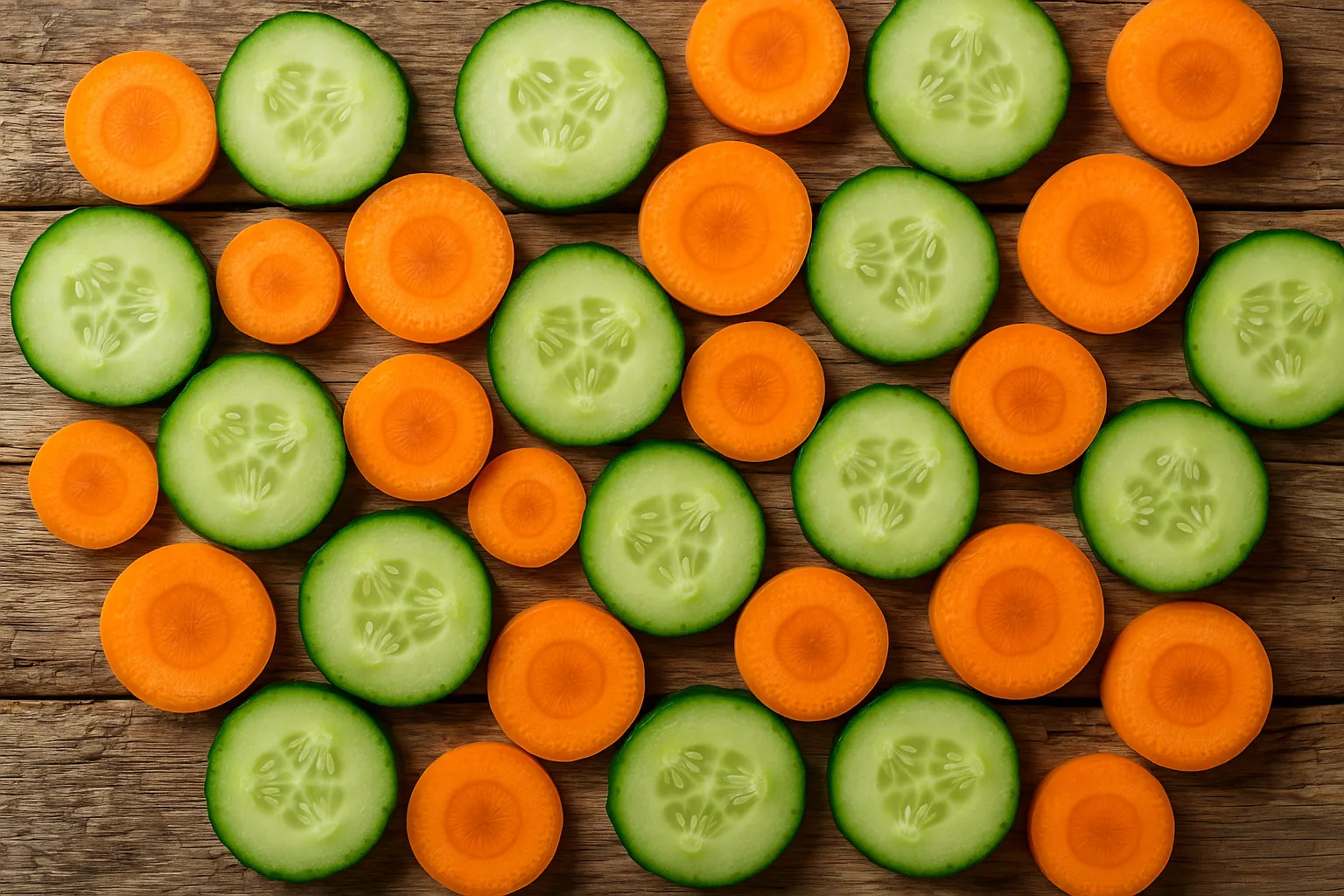
Quick Nutrition Facts
Per 100g Sliced Mix (50g carrots + 50g cucumbers)
| Nutrient | Amount |
|---|---|
| Calories | 29 kcal |
| Protein | 0.9g |
| Carbohydrates | 6.8g |
| Fiber | 1.9g |
| Sugars | 4.0g |
| Fat | 0.2g |
| Vitamin A | 8,285 IU |
| Vitamin C | 6.4mg |
| Vitamin K | 14.5mcg |
| Potassium | 213mg |
Macronutrient Breakdown
 ChatGPT
  Claude
  AI Mode
  Perplexity
NUTRITIONIST INSIGHT
This vegetable combination provides only 29 calories per 100g with 95% water content, making it impossible to overeat. The vitamin A from carrots (8,285 IU) supports eye health, while cucumbers provide hydration and silica for skin health. Perfect guilt-free snack anytime!
Myth Busters
MYTH #1: Carrots Are Too High in Sugar for Weight Loss
TRUTH: Carrots have only 4.7g natural sugars per 100g with a low glycemic index (35-41 raw). The fiber content slows sugar absorption, making them ideal for weight loss. You'd need to eat 2kg of carrots to match one candy bar's sugar content!
MYTH #2: Cucumbers Have No Nutritional Value
TRUTH: While 96% water, cucumbers provide vitamin K, potassium, vitamin C, and beneficial plant compounds called cucurbitacins. The high water content aids hydration, digestion, and skin health. Plus, the silica in cucumbers supports collagen production.
MYTH #3: Raw Vegetables Are Hard to Digest
TRUTH: Both carrots and cucumbers are easily digestible raw, with high water and fiber content promoting smooth digestion. Only people with specific digestive conditions (IBS, IBD) may need to cook carrots. For most people, raw is healthier with more nutrients and crunch.
MYTH #4: You Shouldn't Eat Cucumbers at Night
TRUTH: Cucumbers are one of the BEST nighttime foods - low calorie, won't disrupt sleep, aids digestion, and provides hydration. The magnesium in cucumbers may actually improve sleep quality. Perfect guilt-free late-night snack.
MYTH #5: Diabetics Should Avoid Carrots Due to Sugar
TRUTH: Raw carrots have a low glycemic index (35-41) and don't spike blood sugar. When paired with cucumbers (GI 15), the combination is excellent for diabetes management. Only cooked carrots have moderate GI (60-80), but still safe in portions.
MYTH #6: You Need to Peel Cucumbers for Safety
TRUTH: Cucumber skin contains most of the fiber, vitamin K, and antioxidants. Simply wash thoroughly under running water. Peeling removes beneficial nutrients. Only peel if waxed (store-bought) or if you prefer softer texture.
NutriScore by Health Goals
| Health Goal | NutriScore | Why This Score? |
|---|---|---|
| Weight Loss |  | Only 29 calories per 100g, high fiber promotes fullness, 95% water content. Eat unlimited portions guilt-free! |
| Muscle Gain |  | Low protein (0.9g), but excellent as meal filler or post-workout hydration. Add protein-rich dip (hummus, Greek yogurt). |
| Diabetes Management | | Very low glycemic index (raw carrots 35-41, cucumbers 15). No blood sugar spike, high fiber slows glucose absorption. Unlimited portions. |
| PCOS Management | | Low carb, low calorie, anti-inflammatory. Fiber supports hormone balance and insulin sensitivity. Perfect unlimited snack. |
| Pregnancy Nutrition | | Vitamin A for fetal development, folate, fiber for digestion, hydration. Safe unlimited consumption. |
| Viral/Flu Recovery | | High water content for hydration, vitamin C for immunity, easy to digest, anti-inflammatory. Perfect when appetite is low. |
PERSONALIZED NUTRITION
Track your meals with NutriScan for personalized NutriScores based on your specific health goals!
Blood Sugar Response to Sliced Vegetables
Understanding how this vegetable combination affects your blood glucose helps you make informed snacking decisions.
Typical Glucose Response Curve
This chart shows typical blood glucose response for general healthy individuals. Individual responses may vary. Not medical advice.
Why This Combination Is Perfect for Blood Sugar Control
Low-calorie, high-fiber vegetables have minimal impact on blood glucose due to very low carb content and slow digestion:
- 🥜 Add protein dip - Pair with hummus, Greek yogurt, or nut butter for even better blood sugar control and satiety
- 🥗 Unlimited portions - You can eat as much as you want without blood sugar concerns
- 🍽️ Meal filler - Add to any meal to reduce overall glycemic load and increase fullness
- ⏰ Anytime snack - Perfect for morning, afternoon, evening, or late-night cravings without glucose spikes
This stable response makes carrots and cucumbers ideal for diabetes management, weight loss, and sustained energy throughout the day.
Cultural Significance
Carrots and cucumbers have been cultivated for over 5,000 years, with origins in Central Asia and India respectively.
In India:
- Essential components of Indian salads (kachumber), raita, and street food (pani puri accompaniments)
- Ayurveda uses carrots for eye health and digestion; cucumbers for cooling and hydration
- Traditional fasting food during Navratri and religious festivals (sattvic, pure foods)
- Gajar ka halwa (carrot dessert) is a winter delicacy; cucumber raita cools summer meals
- Everyday Indian meal practice: sliced vegetables served as palate cleanser and digestive aid
Global Impact:
- Carrots are the 10th most consumed vegetable globally; cucumbers rank 4th
- Major export crops: India is the 2nd largest carrot producer; China leads cucumber production
- Universal appeal: Found in salads, pickles, juices, and snacks across all cuisines
- Health trend: Raw vegetable sticks with dips have become global healthy snacking standard
- Sustainability: Low water requirement, easy to grow, minimal pesticide needs
Compare & Substitute
Carrots & Cucumbers vs Similar Low-Calorie Vegetables (Per 100g)
| Nutrient | 🥕🥒 Carrots + Cucumbers | 🥬 Lettuce | 🍅 Cherry Tomatoes | 🌶️ Bell Peppers | 🥒 Zucchini |
|---|---|---|---|---|---|
| Calories | 29 kcal | 15 kcal | 18 kcal | 31 kcal | 17 kcal |
| Carbs | 6.8g | 2.9g | 3.9g | 6g | 3.1g |
| Fiber | 1.9g | 1.3g | 1.2g | 2.1g | 1g |
| Protein | 0.9g | 1.4g | 0.9g | 1g | 1.2g |
| Fat | 0.2g | 0.2g | 0.2g | 0.3g | 0.3g |
| Vitamin A | 8,285 IU | 7,405 IU | 833 IU | 3,131 IU | 200 IU |
| Vitamin C | 6.4mg | 9.2mg | 13.7mg | 127.7mg | 17.9mg |
| Water | 95% | 96% | 95% | 92% | 95% |
| Best For | Eye health, hydration | Lowest calorie, sandwich base | Antioxidants, lycopene | Vitamin C, immune health | Low-carb, keto-friendly |
Frequently Asked Questions
Are carrots and cucumbers good for weight loss?
Yes, this combination is one of the BEST foods for weight loss with only 29 calories per 100g, high fiber (1.9g) promoting fullness, and 95% water content providing hydration and volume.
Weight loss benefits: Eat unlimited portions without calorie worry; 200g (2 cups) = only 58 calories; high crunch factor increases eating time and satisfaction; fiber prevents overeating at meals; natural sweetness satisfies cravings.
Best practices: Eat as pre-meal appetizer (reduces meal intake by 20%); keep as go-to snack (replace chips, cookies); add to every meal for volume; pair with protein dip (hummus, Greek yogurt) for sustained energy; eat before bed to curb nighttime cravings.
Track with NutriScan app to see how this fits your weight loss goals.
Can diabetics eat carrots and cucumbers?
Yes, diabetics can freely eat this combination with no portion restrictions. Raw carrots have a low glycemic index (35-41), cucumbers have very low GI (15), and the fiber slows glucose absorption.
Diabetes-friendly tips: Eat unlimited portions anytime; best as snack between meals to stabilize blood sugar; pair with protein for even better control; raw carrots are better than cooked (lower GI); add to meals to reduce overall glycemic load; perfect late-night snack without blood sugar spike.
The minimal carbs (6.8g per 100g) and high fiber make this ideal for blood sugar management.
What vitamins and minerals are in carrots and cucumbers?
Key Nutrients (per 100g):
- Vitamin A: 8,285 IU (166% DV) - Essential for eye health, immune function, and skin health
- Vitamin C: 6.4mg (11% DV) - Antioxidant, immune support, collagen production
- Vitamin K: 14.5mcg (18% DV) - Blood clotting, bone health
- Potassium: 213mg (6% DV) - Heart health, blood pressure regulation
- Fiber: 1.9g - Digestive health, cholesterol management
- Beta-carotene: Powerful antioxidant from carrots, converts to vitamin A
- Silica: From cucumbers, supports skin, hair, and nail health
This combination also provides B vitamins (folate, B6), magnesium, and beneficial plant compounds with anti-inflammatory properties.
Are carrots and cucumbers hydrating?
Yes, this combination is extremely hydrating with ~95% water content. Cucumbers are 96% water (one of the highest water content vegetables), while carrots are 88% water.
Hydration benefits: 200g provides ~190ml fluid (nearly 1 cup water); perfect post-workout recovery snack; ideal for hot weather or when you struggle to drink enough water; electrolytes (potassium) support hydration; natural alternative to sports drinks without added sugars.
When to eat for hydration: Morning (rehydrate after sleep); before/after exercise; during summer heat; when traveling (prevents dehydration); when feeling thirsty instead of drinking only water; for children who don't drink enough water.
Is this snack good during pregnancy?
Yes, carrots and cucumbers are excellent during pregnancy providing vitamin A for fetal eye and organ development, folate for neural tube formation, fiber for pregnancy constipation relief, and hydration.
Pregnancy benefits: Safe to eat unlimited portions throughout all trimesters; natural folate (27mcg per 100g) supports fetal development; vitamin A (ensure not exceeding 10,000 IU daily from all sources); fiber eases constipation (common in pregnancy); low-calorie snack prevents excessive weight gain; hydration supports increased blood volume.
Safety guidelines: Wash thoroughly under running water to remove bacteria; organic preferred to avoid pesticides; avoid unwashed or unrefrigerated for long periods; safe to eat raw throughout pregnancy; perfect snack for morning sickness (easy to digest).
Consult your healthcare provider about vitamin A intake if you're also taking prenatal supplements.
Can I eat carrots and cucumbers at night?
Yes, this is one of the BEST nighttime snacks - only 29 calories, won't disrupt sleep, easy to digest, hydrating, and won't spike blood sugar.
Nighttime benefits: Perfect guilt-free late-night craving solution; fiber aids morning bowel movements; hydration prevents nighttime thirst; magnesium in cucumbers may improve sleep quality; satisfying crunch reduces desire for unhealthy snacks; won't cause acid reflux or indigestion.
Best practices: Keep pre-sliced in fridge for easy access; pair with protein dip if genuinely hungry (not just craving); eat 1-2 hours before bed for best digestion; hydrating without needing to wake up for water; replace nighttime chips, cookies, or ice cream.
Unlike heavy nighttime snacks, this won't interfere with sleep or morning hunger cues.
How should I store sliced carrots and cucumbers?
Storage Tips:
- Refrigerator: Store in airtight container submerged in cold water; change water daily; lasts 3-5 days
- Without water: Store in sealed container with damp paper towel; lasts 2-3 days
- Meal prep: Slice Sunday, store properly, enjoy all week; perfect grab-and-go snack
- Avoid: Don't leave at room temperature >2 hours; don't store with fruits (ethylene gas wilts vegetables)
Freshness signs: Crisp, firm texture; bright color; no sliminess or strong odor. Discard if soggy or discolored.


Similar Nutritious Foods
4505 Chicharrones Classic Chili Salt
7 Eleven Japan Crispy Corn Cheese
Explore More Nutrition Tools & Resources
AI Calorie Counter App - Snap a Photo, Get Macros
AI Nutritionist App That Reads Your Logged Meals
Best Protein Supplements for Women
Bulking Meal Plan App That Sets Your Surplus
ChatGPT Calorie Counter Alternative That Keeps the Total
ChatGPT Diet Plan Alternative That Tracks What You Eat
ChatGPT Weight Loss Coach Alternative With a Food Log
Fast Food Calorie Counter App That Reads the Tray
Free Calorie Tracker App with AI Photo Scans | NutriScan
Indian Diet Plan App With Veg and Non Veg Meals
Indian Food Calorie Calculator - Get Instant Nutrition Facts for Desi Meals — 2026
Intermittent Fasting for Women, Timer and Meal Log App
Intermittent Fasting Tracker App - Free Fasting Timer
Macro Tracker App That Fills the Numbers From a Photo
Mediterranean Diet Meal Plan App That Counts the Oil
Micronutrient Tracker App for Vitamins and Minerals
MyFitnessPal Alternative That Stays Free | NutriScan
NutriScore App: A Free Grade on Every Meal | NutriScan
Nutrition Label Scanner App for the Amount You Ate
Second Trimester Protein Guide
Vegetarian Meal Plan App With a Protein Target
Voice Calorie Counter - Speak to Track Meals Hands-Free
Water and Calorie Tracker App - Free Water Log