Smoked Salmon: Calories, Nutrition and Health Benefits
Premium protein source rich in omega-3s, but sodium content requires mindful portioning for optimal health benefits.
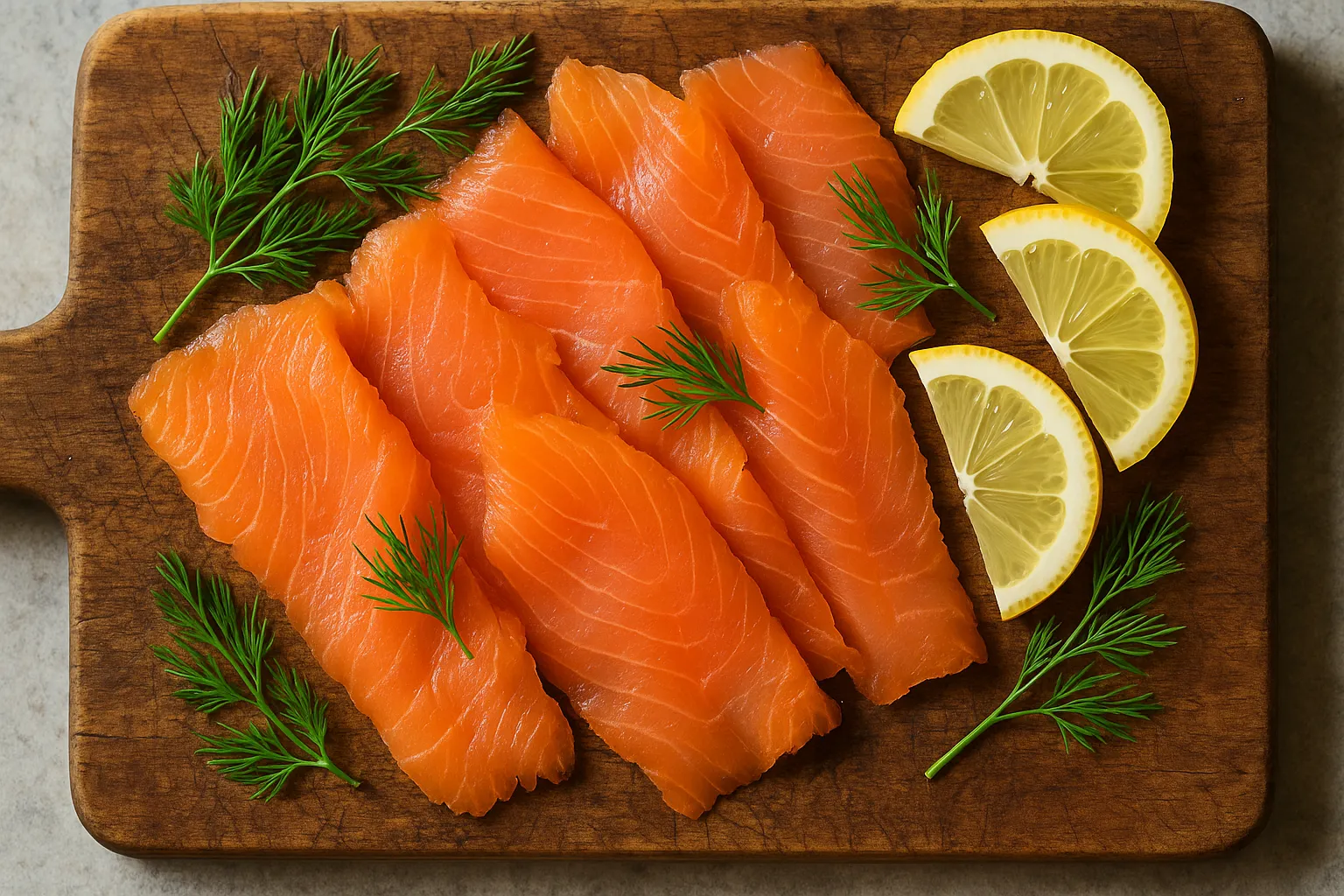
Quick Nutrition Facts
Per 100g (3.5oz)
| Nutrient | Amount |
|---|---|
| Calories | 117 kcal |
| Protein | 18.3g |
| Carbohydrates | 0g |
| Fat | 4.3g |
| Omega-3 | 1.2g |
| Sodium | 784mg |
| Vitamin B12 | 3.2µg |
| Vitamin D | 685 IU |
| Selenium | 24.3µg |
Macronutrient Breakdown
 ChatGPT
  Claude
  AI Mode
  Perplexity
NUTRITIONIST INSIGHT
Smoked salmon offers exceptional protein (18g per 100g) and omega-3s, but the sodium content (784mg) requires portion control. Limit to 2oz servings and choose low-sodium varieties when possible.
Myth Busters
MYTH #1: Smoked Salmon is a Low-Sodium Food
TRUTH: Smoked salmon contains 784mg sodium per 100g (34% daily value), which is 15-20x higher than fresh salmon. The curing process requires heavy salt. Choose low-sodium varieties (400-500mg) or limit portions to 2oz to manage sodium intake.
MYTH #2: All Smoked Salmon is Safe During Pregnancy
TRUTH: Cold-smoked salmon carries listeria risk during pregnancy. Hot-smoked (fully cooked) varieties are safer if heated to 165°F. FDA recommends limiting all smoked fish during pregnancy. Always consult your healthcare provider.
MYTH #3: Smoked Salmon is Just as Healthy as Fresh Salmon
TRUTH: While both provide omega-3s and protein, fresh salmon contains 59mg sodium vs 784mg in smoked. The smoking process can create nitrosamines and reduce some B vitamins. Fresh salmon is better for daily consumption; enjoy smoked salmon as occasional treat.
MYTH #4: You Can Eat Unlimited Smoked Salmon on Keto
TRUTH: While zero-carb and keto-friendly, the high sodium causes water retention and bloating. Excessive intake strains kidneys. High sodium intake is linked to increased blood pressure, even on low-carb diets. Stick to 2-3oz servings.
MYTH #5: Smoked Salmon is a Complete Meal
TRUTH: Smoked salmon provides protein and healthy fats but lacks fiber, carbohydrates, and many micronutrients. Pair with whole grains, vegetables, or fruits for balanced nutrition. A bagel with cream cheese and salmon needs vegetables for complete nutrition.
MYTH #6: All Smoked Salmon is Wild-Caught
TRUTH: Most smoked salmon is farmed Atlantic salmon, not wild Pacific salmon. Farmed salmon may contain higher levels of contaminants and lower omega-3 ratios. Check labels for wild-caught (more expensive) vs farmed varieties.
NutriScore by Health Goals
| Health Goal | NutriScore | Why This Score? |
|---|---|---|
| Weight Loss |  | Low calories (117/100g), high protein (18g) promotes fullness. Watch sodium causing water retention. Limit to 2oz serving. |
| Muscle Gain |  | Complete protein (18g) with all essential amino acids, omega-3s reduce inflammation, vitamin B12 supports energy. Ideal post-workout. |
| Diabetes Management | | Zero carbs, no blood sugar impact, omega-3s improve insulin sensitivity. Monitor sodium if hypertensive. |
| PCOS Management | | High protein stabilizes hormones, omega-3s reduce inflammation. Sodium may worsen bloating. Choose low-sodium varieties. |
| Pregnancy Nutrition |  | Cold-smoked carries listeria risk; FDA recommends limiting smoked fish. Hot-smoked safer if heated to 165°F. |
| Viral/Flu Recovery | | High-quality protein for immune repair, vitamin D and selenium boost immunity. High sodium may cause dehydration; drink extra water. |
PERSONALIZED NUTRITION
Track your meals with NutriScan for personalized NutriScores based on your specific health goals and sodium sensitivity!
Cultural Significance
Smoked salmon has been preserved and consumed for thousands of years across Northern Europe and indigenous North American tribes.
Nordic Tradition:
- Gravlax (cured salmon) dates back to medieval Scandinavia
- Traditional preservation method before refrigeration
- Integral to Swedish, Norwegian, and Finnish cuisine
- Served at special occasions and celebrations
Native American Heritage:
- Pacific Northwest tribes smoked salmon for winter storage
- Sacred food in indigenous ceremonies
- Traditional smoking over alder wood for distinct flavor
- Sustainable fishing practices for thousands of years
Modern Global Impact:
- Scotland's smoked salmon industry worth over £600 million
- Norway produces 1.2+ million tons of salmon annually
- New York City's bagel and lox tradition from Jewish immigrants
- Premium delicacy in fine dining worldwide
Compare & Substitute
Smoked Salmon vs Similar Proteins (Per 100g)
| Nutrient | 🐟 Smoked Salmon | 🐟 Fresh Salmon | 🐟 Canned Tuna | 🐟 Sardines |
|---|---|---|---|---|
| Calories | 117 kcal | 206 kcal | 116 kcal | 208 kcal |
| Protein | 18.3g | 22g | 26g | 25g |
| Fat | 4.3g | 13g | 0.8g | 11g |
| Omega-3 | 1.2g | 2.3g | 0.3g | 1.5g |
| Sodium | 784mg | 59mg | 247mg | 307mg |
| Vitamin D | 685 IU | 988 IU | 269 IU | 272 IU |
| B12 | 3.2µg | 3.2µg | 2.5µg | 8.9µg |
| Best For | Protein + flavor, low-carb | Daily omega-3, heart health | Budget protein, low-calorie | Bone health, highest omega-3 ratio |
Frequently Asked Questions
Is smoked salmon high in sodium?
Yes, smoked salmon contains 784mg sodium per 100g (34% daily value), which is exceptionally high. The traditional curing process requires heavy salting for preservation and flavor development.
Sodium comparison:
- Fresh salmon: 59mg per 100g
- Smoked salmon: 784mg per 100g (13x higher)
- Low-sodium smoked salmon: 400-500mg per 100g
Tips to reduce sodium: Choose low-sodium varieties; limit portion to 2oz (50g = 392mg sodium); rinse slices under cold water before eating; pair with potassium-rich foods (avocado, tomatoes).
Is smoked salmon good for weight loss?
Yes, smoked salmon supports weight loss with only 117 calories per 100g and 18g of satiating protein. However, high sodium can cause temporary water retention and bloating.
Best practices for weight loss:
- Limit to 2oz (56g) serving = 66 calories, 10g protein
- Pair with vegetables and whole grains (not cream cheese and bagel)
- Choose breakfast or lunch (better for protein distribution)
- Drink extra water to offset sodium
- Opt for low-sodium varieties when available
Track with NutriScan app to see how smoked salmon fits your daily calorie and sodium targets.
How much protein is in smoked salmon?
100g of smoked salmon contains 18.3g of complete protein with all nine essential amino acids.
Typical servings:
- 1oz (28g) = 5g protein
- 2oz (56g) = 10g protein
- 3oz (85g) = 15g protein
Smoked salmon has slightly less protein than fresh salmon (22g per 100g) due to moisture loss during smoking. However, it remains an excellent protein source for muscle maintenance and weight management.
What are the main health benefits of smoked salmon?
Key Benefits:
- Omega-3 Fatty Acids: 1.2g per 100g supports heart health, reduces inflammation, improves brain function
- Complete Protein: 18g per 100g for muscle maintenance and satiety
- Vitamin B12: 3.2µg (133% DV) for energy production and nervous system health
- Vitamin D: 685 IU (171% DV) for bone health and immune function
- Selenium: 24.3µg (44% DV) for antioxidant protection and thyroid function
- Low Carb: Zero carbohydrates makes it ideal for keto and low-carb diets
Cautions: High sodium content requires portion control, especially for those with hypertension or kidney disease.
Can pregnant women eat smoked salmon?
Pregnant women should exercise caution with smoked salmon due to listeria concerns.
Safety guidelines:
- Cold-smoked salmon (lox, nova): AVOID - carries listeria risk
- Hot-smoked salmon: Safer if heated to 165°F (74°C) before eating
- Canned smoked salmon: Generally safe (fully cooked during canning)
FDA recommends limiting all smoked fish during pregnancy. Listeria can cause miscarriage, stillbirth, or severe illness in newborns. Fresh cooked salmon is the safest option for omega-3s during pregnancy.
IMPORTANT
Always consult your healthcare provider about fish consumption during pregnancy.
Is smoked salmon healthier than fresh salmon?
Fresh salmon is generally healthier for regular consumption, while smoked salmon makes an excellent occasional treat.
Fresh Salmon Advantages:
- Much lower sodium (59mg vs 784mg per 100g)
- No processing additives or nitrosamines
- Higher in some B vitamins (less degradation)
- Safer during pregnancy (when fully cooked)
Smoked Salmon Advantages:
- Lower in calories (117 vs 206 per 100g)
- Concentrated flavor requires smaller portions
- Convenient ready-to-eat protein
- Similar omega-3 and vitamin D content
- Longer shelf life
Recommendation: Choose fresh salmon for 2-3 times weekly consumption. Enjoy smoked salmon 1-2 times weekly as a flavorful protein boost, watching sodium intake.
How much smoked salmon should I eat per day?
General Guidelines:
- 2oz (56g) serving - Most people (66 calories, 10g protein, 392mg sodium)
- 3oz (85g) serving - Athletes, muscle gain (99 calories, 15g protein, 588mg sodium)
- 1oz (28g) serving - Hypertension, kidney disease, or strict low-sodium diets
Frequency recommendations:
- 2-3 times per week maximum due to sodium content
- Daily consumption not recommended (sodium overload)
- Alternate with fresh fish for better nutrient balance
Daily sodium limit is 2,300mg (American Heart Association recommends 1,500mg for optimal health). A 100g serving of smoked salmon provides 34% of daily sodium in one meal.
Can I eat smoked salmon on keto diet?
Yes, smoked salmon is excellent for keto with zero carbohydrates, moderate protein (18g), and healthy fats (4g per 100g).
Keto benefits:
- Zero carbs maintains ketosis
- Omega-3s reduce keto flu inflammation
- High protein prevents muscle loss
- Convenient ready-to-eat option
Keto cautions:
- High sodium causes water retention (masks fat loss on scale)
- Can trigger bloating and thirst
- Pair with high-potassium foods (avocado, spinach, salmon)
Best keto pairings: Cream cheese, avocado, cucumber, capers, eggs, leafy greens. Avoid bagels, crackers, and sweetened sauces.


Similar Nutritious Foods
4505 Chicharrones Classic Chili Salt
7 Eleven Japan Crispy Corn Cheese
Explore More Nutrition Tools & Resources
AI Calorie Counter App - Snap a Photo, Get Macros
AI Nutritionist App That Reads Your Logged Meals
Best Protein Supplements for Women
Bulking Meal Plan App That Sets Your Surplus
ChatGPT Calorie Counter Alternative That Keeps the Total
ChatGPT Diet Plan Alternative That Tracks What You Eat
ChatGPT Weight Loss Coach Alternative With a Food Log
Fast Food Calorie Counter App That Reads the Tray
Free Calorie Tracker App with AI Photo Scans | NutriScan
Indian Diet Plan App With Veg and Non Veg Meals
Indian Food Calorie Calculator - Get Instant Nutrition Facts for Desi Meals — 2026
Intermittent Fasting for Women, Timer and Meal Log App
Intermittent Fasting Tracker App - Free Fasting Timer
Macro Tracker App That Fills the Numbers From a Photo
Mediterranean Diet Meal Plan App That Counts the Oil
Micronutrient Tracker App for Vitamins and Minerals
MyFitnessPal Alternative That Stays Free | NutriScan
NutriScore App: A Free Grade on Every Meal | NutriScan
Nutrition Label Scanner App for the Amount You Ate
Second Trimester Protein Guide
Vegetarian Meal Plan App With a Protein Target
Voice Calorie Counter - Speak to Track Meals Hands-Free
Water and Calorie Tracker App - Free Water Log