Smoky Plant-Protein Wrap: Calories, Nutrition and Health Benefits
Delicious plant-based powerhouse packed with 14g protein, smoky flavors, and essential nutrients for every health goal.
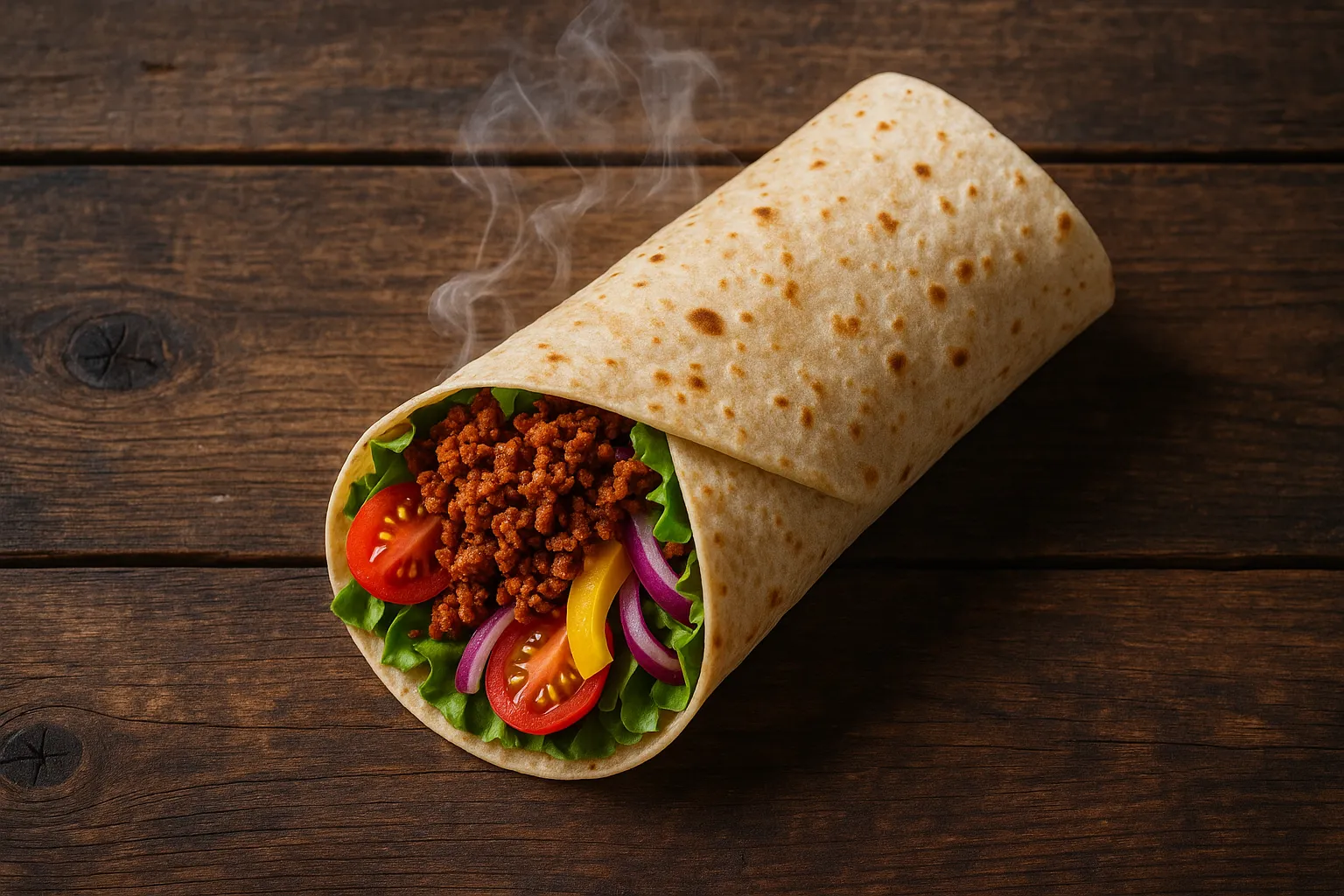
Quick Nutrition Facts
Per 1 Wrap (180g)
| Nutrient | Amount |
|---|---|
| Calories | 285 kcal |
| Protein | 14g |
| Carbohydrates | 38g |
| Fiber | 7g |
| Sugars | 3g |
| Fat | 8g |
| Iron | 3.2mg |
| Calcium | 180mg |
| Vitamin B12 | 0.8mcg |
| Folate | 45mcg |
Macronutrient Breakdown
 ChatGPT
  Claude
  AI Mode
  Perplexity
NUTRITIONIST INSIGHT
Plant-protein wraps deliver complete nutrition with soy-based proteins providing all 9 essential amino acids. The smoky tempeh or tofu adds probiotics for gut health and B12 for energy metabolism.
Myth Busters
MYTH #1: Plant Proteins Are Incomplete
TRUTH: Soy-based proteins like tofu and tempeh contain all 9 essential amino acids, making them complete proteins comparable to animal sources. No need to combine multiple plant foods in one meal.
MYTH #2: Plant-Protein Wraps Don't Fill You Up
TRUTH: The combination of 14g protein and 7g fiber promotes satiety better than many meat-based options. Fiber expands in your stomach, while protein triggers fullness hormones.
MYTH #3: You Need Meat for Muscle Gain
TRUTH: Plant proteins support muscle growth equally well as animal proteins when total protein intake is adequate. Athletes thrive on plant-based diets with proper planning.
MYTH #4: Plant Wraps Are High in Carbs
TRUTH: At 38g carbs per wrap, this is moderate for a complete meal. Choose whole wheat tortillas for complex carbs and pair with vegetables to reduce overall carb density while adding nutrients.
MYTH #5: Tempeh and Tofu Taste Bland
TRUTH: Proper preparation transforms plant proteins. Smoking, marinating, or pan-searing creates rich flavors. The smoky variety adds depth without animal products.
MYTH #6: Plant Proteins Lack Important Nutrients
TRUTH: Fortified plant proteins provide iron, calcium, B12, and zinc. Many plant-based wraps exceed the micronutrient content of meat alternatives.
NutriScore by Health Goals
| Health Goal | NutriScore | Why This Score? |
|---|---|---|
| Weight Loss |  | 285 calories with 14g protein and 7g fiber promotes fullness. Limit to 1 wrap with vegetables for balanced meal. |
| Muscle Gain |  | 14g complete protein plus 38g carbs for glycogen replenishment. Perfect post-workout meal within 60 minutes. |
| Diabetes Management | | Moderate carbs (38g) balanced with protein and fiber. Choose whole wheat tortilla, add healthy fats for better blood sugar control. |
| PCOS Management | | High protein and fiber support insulin sensitivity. Plant proteins don't affect hormones negatively like some animal proteins. |
| Pregnancy Nutrition | | Rich in folate (45mcg), iron (3.2mg), and B12 (0.8mcg) essential for fetal development. Ensure B12 fortification. |
| Viral/Flu Recovery | | Easy to digest, protein supports immune function, iron aids oxygen transport. Anti-inflammatory plant compounds boost recovery. |
PERSONALIZED NUTRITION
Track your meals with NutriScan for personalized NutriScores based on your specific health goals!
Blood Sugar Response to Plant-Protein Wrap
Understanding how plant-protein wraps affect your blood glucose helps optimize meal timing and combinations.
Typical Glucose Response Curve
This chart shows typical blood glucose response for general healthy individuals. Individual responses may vary. Not medical advice.
How to Flatten the Spike
Combining fiber, protein, and healthy fats creates a balanced glucose response:
- 🥑 Add avocado slices - Healthy fats slow carb absorption
- 🥬 Load with leafy greens - Extra fiber without calories
- 🥜 Sprinkle nuts or seeds - Adds protein, healthy fats, crunch
- 🫒 Drizzle tahini or hummus - Plant-based protein and fats
This combination extends energy release and prevents the typical post-meal crash.
Cultural Significance
Plant-based wraps have roots in multiple culinary traditions, evolving into modern nutrition solutions.
Global Origins:
- Mexican tortillas used beans and vegetables for centuries
- Middle Eastern falafel wraps combined legumes with tahini
- Asian spring rolls featured tofu and tempeh
- Mediterranean grape leaves wrapped grains and herbs
Modern Evolution:
- 1970s: Vegetarian movement popularized meatless wraps
- 1990s: Tofu and tempeh entered mainstream Western cuisine
- 2000s: Smoky plant proteins gained popularity with BBQ flavors
- 2020s: Climate-conscious eating drives plant-protein innovation
In India:
- Paneer tikka wraps bridge traditional and modern tastes
- Chole (chickpea) wraps provide regional protein alternatives
- Sprouted moong wraps offer traditional Ayurvedic nutrition
- Mumbai street food adapts plant proteins into kathi rolls
Compare & Substitute
Smoky Plant-Protein Wrap vs Similar Options (Per 100g)
| Nutrient | 🌯 Plant Wrap | 🌮 Chicken Wrap | 🥙 Falafel Wrap | 🍖 Beef Wrap |
|---|---|---|---|---|
| Calories | 158 kcal | 165 kcal | 180 kcal | 210 kcal |
| Carbs | 21g | 18g | 24g | 15g |
| Fiber | 3.9g | 1.5g | 3.2g | 0.8g |
| Protein | 7.8g | 12g | 6.5g | 15g |
| Fat | 4.4g | 6.2g | 8.5g | 12g |
| Iron | 1.8mg | 0.8mg | 2.1mg | 1.5mg |
| Cholesterol | 0mg | 35mg | 0mg | 45mg |
| B12 | 0.4mcg | 0.3mcg | 0mcg (unless fortified) | 1.2mcg |
| Best For | Vegan diets, heart health | High-protein, low-carb diets | Mediterranean flavor fans | Keto, very high protein |
Frequently Asked Questions
Is a plant-protein wrap good for weight loss?
Yes, plant-protein wraps support weight loss with balanced nutrition. At 285 calories with 14g protein and 7g fiber, they promote satiety and prevent overeating.
Best practices: Use whole wheat tortilla, load with vegetables (spinach, peppers, tomatoes), add minimal sauce, pair with side salad, limit to 1 wrap per meal, choose grilled over fried preparation.
How much protein is in a plant-protein wrap?
A smoky plant-protein wrap contains 14g of protein from tofu, tempeh, or beans. This provides about 28% of daily protein needs for a 2000-calorie diet.
For higher protein: Add extra tofu cubes (10g protein per 100g), include black beans (9g per 100g), or spread hummus (3g per 2 tbsp).
Are plant-protein wraps healthy?
Yes, plant-protein wraps are highly nutritious:
- Complete Protein: Soy-based proteins contain all essential amino acids
- Heart-Healthy: Zero cholesterol, low saturated fat
- Rich in Fiber: 7g supports digestive health
- Micronutrient-Dense: Iron, calcium, B12, folate
- Anti-inflammatory: Plant compounds reduce inflammation
- Gut-Friendly: Fermented tempeh adds probiotics
Can diabetics eat plant-protein wraps?
Diabetics can enjoy plant-protein wraps with smart modifications:
Tips for diabetics:
- Choose whole wheat or low-carb tortillas (reduce to 25-30g carbs)
- Add extra vegetables to increase fiber (target 10g+ total)
- Include healthy fats like avocado or tahini
- Pair with protein-rich sides (edamame, Greek yogurt)
- Monitor blood sugar 2 hours after eating
- Best timing: lunch when insulin sensitivity is higher
The 14g protein and 7g fiber help stabilize blood sugar better than high-carb wraps. Always consult your healthcare provider.
What's the best protein source for plant-based wraps?
Top Plant-Protein Sources:
- Tofu (firm): 10g protein per 100g, mild flavor absorbs marinades well, calcium-fortified varieties add 200mg calcium
- Tempeh: 19g protein per 100g, nutty flavor, probiotic-rich from fermentation, higher fiber (6g per 100g)
- Black Beans: 9g protein per 100g, adds texture, rich in folate and iron, cost-effective
- Edamame: 11g protein per 100g, complete protein, adds crunch, vitamin K-rich
Recommendation: Tempeh for highest protein and probiotics; tofu for calcium and versatility; beans for budget-friendly fiber.
Are plant-protein wraps good for muscle gain?
Yes, plant-protein wraps effectively support muscle growth:
Why They Work:
- 14g Complete Protein: Soy provides all essential amino acids needed for muscle synthesis
- 38g Carbs: Replenishes glycogen stores depleted during training
- Iron (3.2mg): Supports oxygen delivery to muscles
- B12 (0.8mcg): Essential for energy metabolism
Best Practices: Consume within 30-60 minutes post-workout; pair with plant-based protein shake (additional 20g protein); add quinoa or brown rice for extra carbs; include nuts for healthy fats and calories.
Research shows plant proteins build muscle as effectively as animal proteins when total intake meets requirements (1.6-2.2g per kg body weight).
When is the best time to eat a plant-protein wrap?
Depends on your goal:
- Weight Loss: Lunch (4-6 hours before dinner) or early dinner (before 7 PM). The fiber keeps you full through afternoon cravings.
- Muscle Gain: Post-workout (within 60 minutes) or pre-workout (90 minutes before). Provides protein for recovery and carbs for energy.
- Diabetes: Lunch when insulin sensitivity peaks. Avoid late night when blood sugar control weakens.
- Energy: Mid-day meal (11 AM - 2 PM) for sustained afternoon energy without crash.
IMPORTANT NOTE
Pair with vegetables and avoid heavy sauces if eating within 2 hours of bedtime.
How do I make a plant-protein wrap at home?
Easy Recipe (1 serving):
- Base: 1 whole wheat tortilla (10-inch)
- Protein: 100g smoked tempeh or firm tofu, cubed
- Vegetables: 1 cup mixed (spinach, peppers, tomatoes, onions)
- Flavor: 1 tbsp tahini or hummus, smoky paprika, garlic powder
- Assembly: Spread sauce, layer protein and vegetables, wrap tightly
Pro Tips: Marinate tofu/tempeh 30 minutes; pan-sear for crispy edges; warm tortilla for flexibility; add fermented vegetables for probiotics; use nutritional yeast for B12 and cheesy flavor.


Similar Nutritious Foods
4505 Chicharrones Classic Chili Salt
7 Eleven Japan Crispy Corn Cheese
Explore More Nutrition Tools & Resources
AI Calorie Counter App - Snap a Photo, Get Macros
AI Nutritionist App That Reads Your Logged Meals
Best Protein Supplements for Women
Bulking Meal Plan App That Sets Your Surplus
ChatGPT Calorie Counter Alternative That Keeps the Total
ChatGPT Diet Plan Alternative That Tracks What You Eat
ChatGPT Weight Loss Coach Alternative With a Food Log
Fast Food Calorie Counter App That Reads the Tray
Free Calorie Tracker App with AI Photo Scans | NutriScan
Indian Diet Plan App With Veg and Non Veg Meals
Indian Food Calorie Calculator - Get Instant Nutrition Facts for Desi Meals — 2026
Intermittent Fasting for Women, Timer and Meal Log App
Intermittent Fasting Tracker App - Free Fasting Timer
Macro Tracker App That Fills the Numbers From a Photo
Mediterranean Diet Meal Plan App That Counts the Oil
Micronutrient Tracker App for Vitamins and Minerals
MyFitnessPal Alternative That Stays Free | NutriScan
NutriScore App: A Free Grade on Every Meal | NutriScan
Nutrition Label Scanner App for the Amount You Ate
Second Trimester Protein Guide
Vegetarian Meal Plan App With a Protein Target
Voice Calorie Counter - Speak to Track Meals Hands-Free
Water and Calorie Tracker App - Free Water Log