Soju: Calories, Nutrition and Health Impact
Korea's national spirit with 232% Gen Z appeal - zero carbs but significant metabolic impact through alcohol's effects on liver, blood sugar, and fat burning.
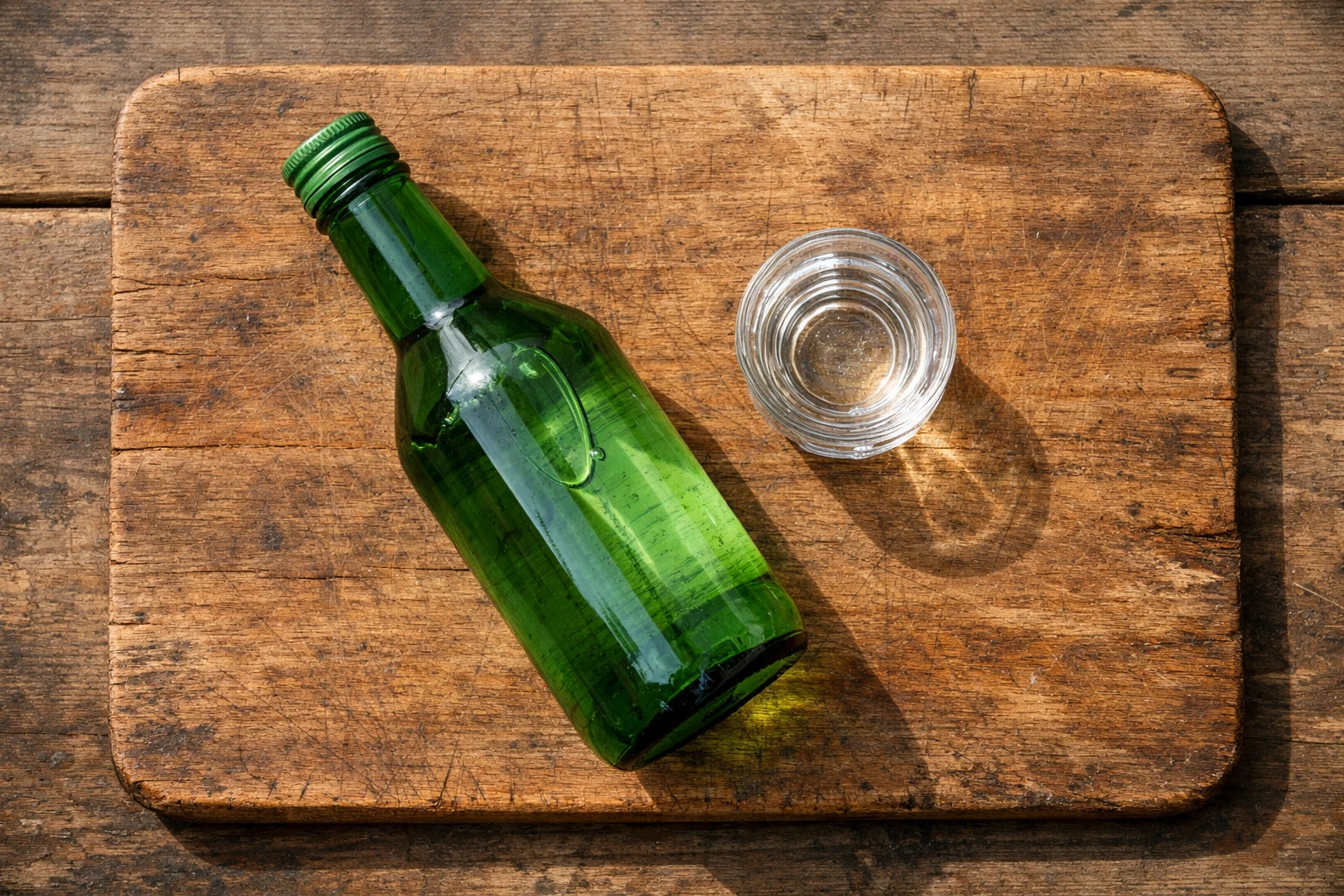
Quick Nutrition Facts
Per 1 Shot Soju (50ml, 20% ABV)
| Nutrient | Amount |
|---|---|
| Calories | 107 kcal |
| Protein | 0g |
| Carbohydrates | 0g |
| Fiber | 0g |
| Sugars | 0g |
| Fat | 0g |
| Sodium | 0mg |
| Alcohol | 10g (20% ABV) |
| Full Bottle (360ml) | 270 kcal |
Calorie Source Breakdown
 ChatGPT
  Claude
  AI Mode
  Perplexity
NUTRITIONIST INSIGHT
Soju provides empty calories with zero nutritional value - 100% of calories derive from alcohol. While carb-free, alcohol suppresses liver gluconeogenesis for 12-24 hours, creating hypoglycemia risk especially for diabetics on medication.
Myth Busters
MYTH #1: Soju Is Low-Calorie Because It Has No Carbs
TRUTH: Zero carbs doesn't mean low-calorie. Alcohol provides 7 calories per gram - nearly as much as fat (9 cal/g). A single 360ml bottle delivers 270 calories with zero nutrients, qualifying as pure empty calories that disrupt fat metabolism for 12-24 hours.
MYTH #2: Distilled Spirits Like Soju Don't Affect Blood Sugar
TRUTH: While soju contains no carbs, alcohol suppresses hepatic gluconeogenesis, causing delayed hypoglycemia 2-12 hours after drinking. Diabetics on insulin or sulfonylureas face severe hypoglycemia risk even from moderate consumption.
MYTH #3: Light Drinking Protects Against Diabetes
TRUTH: While some studies show J-shaped curves suggesting protection, heavy consumption (2+ drinks daily) increases diabetes risk by 55-219% through pancreatic beta-cell dysfunction. The "protective" association likely reflects healthier lifestyles in moderate drinkers, not causation.
MYTH #4: Soju Is Healthier Than Beer or Wine
TRUTH: Soju has no carbs vs beer (10-15g) or sweet wine (10-20g), causing less immediate glucose spike. However, prolonged liver glucose suppression creates greater delayed hypoglycemia risk. All alcohol disrupts metabolism; distilled spirits concentrate alcohol without added nutrients.
MYTH #5: Korean ALDH2 Variants Make Soju Safer
TRUTH: Opposite. Approximately 8% of East Asians carry ALDH2 variants causing acetaldehyde accumulation even at low doses, manifesting as facial flushing. This increases cancer and cardiovascular disease risk; complete abstinence is safest.
MYTH #6: Moderate Soju Drinking Is Fine During Pregnancy
TRUTH: No safe alcohol amount exists during pregnancy. Alcohol crosses the placenta freely, exposing the fetus longer than the mother. Even light consumption risks fetal alcohol spectrum disorder (FASD), growth restriction, miscarriage, and lifelong developmental issues.
NutriScore by Health Goals
| Health Goal | NutriScore | Why This Score? |
|---|---|---|
| Weight Loss |  | Empty calories (270 per bottle) with zero satiety or nutrients. Suppresses fat burning 12-24 hours. Disrupts sleep affecting leptin/ghrelin. Avoid during active weight loss. |
| Muscle Gain |  | Zero protein, disrupts muscle protein synthesis, dehydrates muscles, impairs post-workout recovery. If consumed, max 1-2 shots post-rest day only. |
| Diabetes Management | | Severe delayed hypoglycemia risk 2-12 hours after drinking with insulin/sulfonylureas. Never on empty stomach. |
| PCOS Management | | Disrupts hormone balance, worsens insulin resistance, increases inflammation. Completely incompatible with PCOS management protocols. |
| Pregnancy Nutrition | | Absolutely forbidden - crosses placenta causing FASD risk, growth restriction, miscarriage. Zero safe amount during pregnancy. |
| Viral/Flu Recovery | | Dehydrates body, suppresses immune function, disrupts sleep needed for recovery. Provides zero immune-supporting nutrients. Avoid completely when sick. |
PERSONALIZED NUTRITION
Track your meals with NutriScan for personalized NutriScores based on your specific health goals!
Blood Sugar Response to Soju
Understanding how soju affects blood glucose reveals counterintuitive delayed hypoglycemia risk despite zero carbohydrate content.
Typical Glucose Response Curve (Fasted State)
This chart shows blood glucose response when consuming soju on empty stomach or with minimal food. Severe hypoglycemia risk exists for diabetics on medication. Not medical advice.
How to Prevent Hypoglycemia
Alcohol suppresses liver gluconeogenesis, creating delayed hypoglycemia risk. Protection strategies:
- 🍚 Always consume with carbohydrate-containing food - Rice, bread, or starchy vegetables
- 🥩 Pair with protein and fat - Slows alcohol absorption and provides sustained energy
- ⏰ Never drink on empty stomach - Especially dangerous for diabetics
- 📊 Monitor blood glucose 2-12 hours after - Peak hypoglycemia risk window
Even with food, diabetics on insulin or sulfonylureas face severe hypoglycemia risk requiring medical consultation before consuming alcohol.
Cultural Significance
Soju represents Korea's national spirit with deep cultural roots dating back centuries, though modern commercial production began in the early 20th century.
In Korea:
- Consumed at 232% higher rate among Gen Z compared to older spirits
- Traditional distilled from rice, wheat, or barley; modern versions use sweet potato or tapioca
- Social lubricant in Korean business culture and social gatherings
- Served in distinctive green bottles with ritual pouring and receiving etiquette
- Soju "bombs" (somaek) mix soju with beer for popular drinking game
Global Impact:
- Korea's best-selling spirit globally, outselling vodka in total volume
- Rapid international expansion through Korean Wave (K-pop, K-drama) cultural influence
- Available in 80+ countries; major markets: USA, China, Japan, Southeast Asia
- Flavored varieties (peach, strawberry, grape) driving Western market growth
- Lower alcohol content (12-25% ABV) positions as "approachable" spirit for younger drinkers
Compare & Substitute
Soju vs Other Alcoholic Beverages (Per 100ml)
| Nutrient | 🍶 Soju (20% ABV) | 🍺 Beer (5% ABV) | 🍷 Dry Wine (12% ABV) | 🥃 Vodka (40% ABV) |
|---|---|---|---|---|
| Calories | 215 kcal | 43 kcal | 85 kcal | 231 kcal |
| Carbs | 0g | 3.6g | 2.6g | 0g |
| Sugars | 0g | 0g | 0.6g | 0g |
| Protein | 0g | 0.5g | 0.1g | 0g |
| Alcohol | 20g (20% ABV) | 4g (5% ABV) | 10g (12% ABV) | 31.7g (40% ABV) |
| Sodium | 0mg | 4mg | 4mg | 0mg |
| Best For | Social drinking Korea | Lower alcohol option | Polyphenol benefits | Strongest spirit |
Frequently Asked Questions
Is soju good for weight loss?
No, soju actively hinders weight loss. While zero-carb, soju provides empty calories: 107 per shot, 270 per bottle - equivalent to a meal with zero satiety or nutrients. Alcohol suppresses fat oxidation for 12-24 hours after consumption; disrupts sleep affecting leptin and ghrelin hormones regulating hunger; increases appetite through blood sugar fluctuations; provides no protein, fiber, or micronutrients. Best avoided completely during active weight loss; if consumed socially, max 1-2 shots with food, no more than once weekly.
Can diabetics drink soju?
Diabetics must exercise extreme caution. While soju contains 0g carbs (no immediate glucose spike), alcohol suppresses hepatic gluconeogenesis causing delayed hypoglycemia 2-12 hours after drinking - especially dangerous with insulin or sulfonylurea medications. If consumed despite risks: max 1-2 shots only; always with carbohydrate-containing meal; never on empty stomach; monitor blood glucose 2, 4, 8, and 12 hours after; warn companions about hypoglycemia symptoms. Heavy consumption (2+ daily) increases diabetes risk by 55-219% through beta-cell dysfunction. Consult physician before any alcohol consumption.
How many calories are in soju?
Standard soju (20% ABV) contains 215 calories per 100ml, 107 calories per 50ml shot, and 270 calories per 360ml bottle. Flavored soju (12-13.5% ABV) ranges from 60-107 calories per 100ml depending on added sugars - peach flavor contains approximately 107 cal/100ml with 10g added sugar. All calories derive purely from alcohol (7 cal/g) with zero nutritional value. For comparison: 270-calorie soju bottle equals 1 large banana + 1 slice bread, but provides zero nutrients, fiber, or satiety.
Is soju safer than beer for diabetes?
Soju causes less immediate blood sugar spike than beer (0g carbs vs 10-15g per serving) but creates greater delayed hypoglycemia risk. Research comparing Japanese distilled spirits found shochu (similar to soju) produced significantly lower 12-hour glucose area under curve than beer when consumed with meals. However, prolonged liver glucose suppression makes soju more dangerous for diabetics on medications; hypoglycemia can occur 2-12 hours after drinking when liver cannot compensate. Neither is "safe" for diabetics; soju trades immediate spike for delayed crash risk.
Can pregnant women drink soju?
Absolutely no - complete abstinence is mandatory. All alcohol including soju crosses the placenta freely, exposing the fetus longer than the mother due to slower fetal metabolism. Even light consumption (equivalent to 1-2 shots per trimester) risks fetal alcohol spectrum disorder (FASD), growth restriction, low birthweight, miscarriage, premature birth, stillbirth, and lifelong developmental issues including cognitive impairment. No safe amount or timing exists; health authorities worldwide recommend total alcohol avoidance during pregnancy. Soju's lower ABV (vs vodka) doesn't reduce risk - alcohol content, not beverage type, determines harm.
Does soju have sugar or carbs?
Unflavored soju contains 0g carbohydrates and 0g sugar per serving - 100% of calories derive from alcohol. However, flavored varieties (peach, strawberry, grape, apple) contain added sugars: 7.9-10g carbs and 10g sugar per 100ml from fruit flavorings and sweeteners. These flavored versions also have lower alcohol content (12-13.5% ABV vs 20% standard) and 60-107 calories per 100ml. For keto or diabetic purposes, unflavored soju is zero-carb but still metabolically harmful through alcohol's effects on liver glucose production and fat metabolism.
How does soju affect the liver?
Alcohol metabolism prioritizes liver detoxification over normal metabolic functions. Liver converts ethanol to acetaldehyde (toxic) then acetate via alcohol dehydrogenase and aldehyde dehydrogenase enzymes, generating elevated NADH/NAD+ ratios that suppress gluconeogenesis and promote fat synthesis. Chronic heavy consumption (200g alcohol daily, equivalent to ~16 soju shots) causes alcoholic fatty liver disease, hepatic steatosis, cirrhosis, and liver failure. Moderate consumption (1-2 shots daily) over years increases cirrhosis risk; individuals with ALDH2 genetic variants (8% East Asians) face amplified liver damage even at low doses requiring complete abstinence.
What is a safe amount of soju to drink?
2020-2025 Dietary Guidelines define moderate alcohol as up to 1 drink daily for women, 2 for men (1 shot = 1 drink for distilled spirits). However, "safe" is context-dependent: diabetics on medication face severe hypoglycemia risk even at 1-2 shots; pregnant women must completely abstain; individuals with liver disease, ALDH2 variants, or taking medications metabolized by liver should avoid alcohol entirely. For healthy adults: max 1-2 shots with food, not daily, monitoring for sleep disruption, weight gain, or metabolic changes. Zero consumption is safest for optimal health; no health organization recommends initiating drinking for any benefit.


Similar Nutritious Fruits
4505 Chicharrones Classic Chili Salt
7 Eleven Japan Crispy Corn Cheese
Explore More Nutrition Tools & Resources
AI Calorie Counter App - Snap a Photo, Get Macros
AI Nutritionist App That Reads Your Logged Meals
Best Protein Supplements for Women
Bulking Meal Plan App That Sets Your Surplus
ChatGPT Calorie Counter Alternative That Keeps the Total
ChatGPT Diet Plan Alternative That Tracks What You Eat
ChatGPT Weight Loss Coach Alternative With a Food Log
Fast Food Calorie Counter App That Reads the Tray
Free Calorie Tracker App with AI Photo Scans | NutriScan
Indian Diet Plan App With Veg and Non Veg Meals
Indian Food Calorie Calculator - Get Instant Nutrition Facts for Desi Meals — 2026
Intermittent Fasting for Women, Timer and Meal Log App
Intermittent Fasting Tracker App - Free Fasting Timer
Macro Tracker App That Fills the Numbers From a Photo
Mediterranean Diet Meal Plan App That Counts the Oil
Micronutrient Tracker App for Vitamins and Minerals
MyFitnessPal Alternative That Stays Free | NutriScan
NutriScore App: A Free Grade on Every Meal | NutriScan
Nutrition Label Scanner App for the Amount You Ate
Second Trimester Protein Guide
Vegetarian Meal Plan App With a Protein Target
Voice Calorie Counter - Speak to Track Meals Hands-Free
Water and Calorie Tracker App - Free Water Log