Sudachi Citrus: Calories, Nutrition and Health Benefits
Japan's prized sour citrus with just 20 calories per 100g, packed with vitamin C, unique sudachitin flavonoids, and a refreshing aroma used in traditional cuisine.
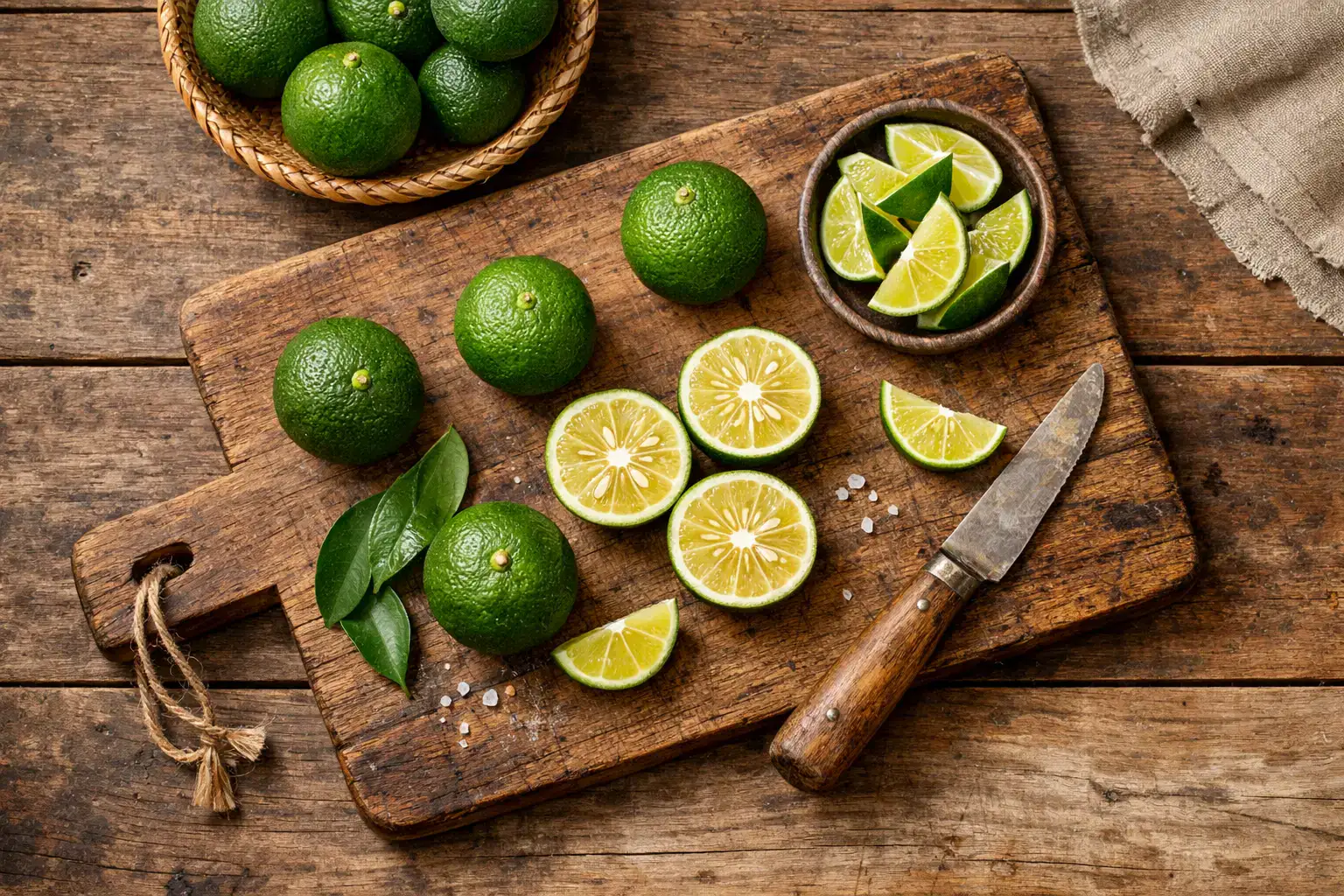
Quick Nutrition Facts
Per 1 Sudachi Fruit (30g) | Per 100g
| Nutrient | Per Fruit (30g) | Per 100g |
|---|---|---|
| Calories | 6 kcal | 20 kcal |
| Protein | 0.2g | 0.5g |
| Carbohydrates | 2.1g | 7g |
| Fiber | 0.5g | 1.8g |
| Sugars | 0.5g | 1.6g |
| Fat | 0.03g | 0.1g |
| Vitamin C | 16.5mg | 55mg |
| Potassium | 39mg | 130mg |
| Calcium | 4.8mg | 16mg |
| Citric Acid | 1.5g | 5g |
Macronutrient Breakdown
 ChatGPT
  Claude
  AI Mode
  Perplexity
NUTRITIONIST INSIGHT
Sudachi is one of the lowest-calorie citrus fruits at just 20 kcal per 100g. Its peel contains sudachitin, a unique flavonoid shown to improve glucose and lipid metabolism by boosting mitochondrial function in skeletal muscle.
Myth Busters
MYTH #1: Sudachi Is Just Another Lemon Substitute
TRUTH: Sudachi contains unique polymethoxylated flavonoids like sudachitin not found in lemons. Research shows sudachitin improves visceral fat ratios and glucose tolerance, making it nutritionally distinct from common citrus.
MYTH #2: Citrus Fruits Are Bad for Acid Reflux
TRUTH: While highly acidic citrus can trigger reflux in some individuals, sudachi is used in very small amounts as a garnish. The citric acid content actually aids mineral absorption, including calcium from fish bones.
MYTH #3: Sudachi Has No Real Nutritional Value Because You Use So Little
TRUTH: Even small amounts deliver concentrated vitamin C (55mg per 100g, more than lemons). The peel flavonoids are potent at low doses, with studies showing metabolic benefits at just 4.9mg sudachitin per day.
MYTH #4: All Citrus Fruits Have the Same Health Benefits
TRUTH: Sudachi's unique compound sudachitin reduces body weight gain on high-fat diets and stimulates lipolysis in fat cells. This fat-burning mechanism is specific to sudachi and not found in oranges, lemons, or grapefruits.
MYTH #5: You Should Only Use Sudachi Juice and Discard the Peel
TRUTH: The peel contains the highest concentration of beneficial flavonoids including sudachitin and nobiletin. Sudachi peel extract significantly reduces visceral fat in clinical trials. Use grated zest to maximize benefits.
NutriScore by Health Goals
| Health Goal | NutriScore | Why This Score? |
|---|---|---|
| Weight Loss |  | Only 20 cal/100g. Sudachitin reduces visceral fat and stimulates lipolysis. Perfect zero-guilt flavoring. |
| Muscle Gain |  | Vitamin C supports collagen synthesis and recovery. Citric acid enhances mineral absorption. Low calorie impact on macros. |
| Diabetes Management | | Only 1.6g sugar/100g. Sudachitin improves glucose tolerance and insulin sensitivity. Ideal citrus for blood sugar management. |
| PCOS Management | | Ultra-low sugar and calories. Anti-inflammatory flavonoids may help manage insulin resistance associated with PCOS. |
| Pregnancy Nutrition | | Safe in culinary amounts. Vitamin C boosts iron absorption essential during pregnancy. Refreshing aroma may ease nausea. |
| Viral/Flu Recovery | | 55mg vitamin C per 100g strengthens immune defense. Citric acid supports hydration. Aromatic compounds clear nasal passages. |
PERSONALIZED NUTRITION
Track your meals with NutriScan for personalized NutriScores based on your specific health goals!
Blood Sugar Response to Sudachi Citrus
Understanding how sudachi affects your blood glucose can help you make informed decisions about incorporating it into meals.
Typical Glucose Response Curve
*This chart shows typical blood glucose response for general healthy individuals. Individual responses may vary. Not medical advice.*
How to Flatten the Spike
Citrus flavonoids like sudachitin improve overall glycemic control when consumed with meals:
- 🐟 Squeeze over grilled fish - Adds flavor while protein slows glucose absorption
- 🥗 Dress salads with sudachi vinaigrette - Fiber and fat from dressing stabilize blood sugar
- 🍜 Add to udon or soba noodles - Citric acid may slow starch digestion
- 🍵 Mix into green tea - Combined antioxidants support metabolic health
Sudachi's ultra-low sugar content (1.6g per 100g) means it barely impacts blood glucose on its own, making it ideal for flavoring meals without sugar spikes.
Cultural Significance
Sudachi (Citrus sudachi) is a small green citrus fruit native to Tokushima Prefecture on Shikoku island, Japan, where over 98% of Japan's sudachi is grown.
In Japan:
- Essential garnish for matsutake mushroom soup, a prized autumn delicacy
- Squeezed over sanma (Pacific saury), tempura, sashimi, and grilled fish
- Symbol of Tokushima Prefecture; featured in regional branding and festivals
- Harvested green from August to October; prized for its tart, aromatic juice
- Used in ponzu sauce, cocktails, and artisan sodas
Global Adoption:
- Gaining popularity in fine dining restaurants worldwide as a yuzu alternative
- Grown experimentally in California, Australia, and Mediterranean regions
- Used by craft cocktail bars for its unique aromatic profile
- Emerging ingredient in health supplements due to sudachitin research
Compare & Substitute
Sudachi vs Similar Citrus (Per 100g)
| Nutrient | 🟢 Sudachi | 🍋 Lemon | 🟡 Yuzu | 🟠 Calamansi |
|---|---|---|---|---|
| Calories | 20 kcal | 29 kcal | 21 kcal | 31 kcal |
| Carbs | 7g | 9.3g | 7.3g | 8.4g |
| Fiber | 1.8g | 2.8g | 1.8g | 2.9g |
| Protein | 0.5g | 1.1g | 0.5g | 0.7g |
| Fat | 0.1g | 0.3g | 0.3g | 0.3g |
| Vitamin C | 55mg | 53mg | 40mg | 31mg |
| Sugar | 1.6g | 2.5g | 2g | 3.5g |
| Best For | Low-cal garnish, metabolism | Cooking, beverages, baking | Sauces, dressings, desserts | Southeast Asian dishes |
Frequently Asked Questions
How many calories are in sudachi citrus?
20 calories per 100g, making it one of the lowest-calorie citrus fruits available. A single sudachi fruit (about 30g) contains just 6 calories. Since sudachi is used as a garnish or seasoning, a typical serving adds virtually zero calories to your meal.
What is sudachitin and why is it special?
Sudachitin is a polymethoxylated flavonoid found primarily in sudachi peel. Studies show it improves glucose and lipid metabolism by increasing mitochondrial biogenesis in skeletal muscle. Clinical trials found that 4.9mg sudachitin daily for 12 weeks significantly reduced visceral fat ratios in at-risk individuals.
Can diabetics consume sudachi?
Yes, sudachi is excellent for diabetics. With only 1.6g sugar per 100g and containing sudachitin that improves glucose tolerance, it is among the most diabetes-friendly citrus options. Use the juice freely as a low-sugar seasoning on fish, salads, and soups.
How do you use sudachi in cooking?
Sudachi is primarily used as a garnish and seasoning in Japanese cuisine.
Common uses:
- Squeeze fresh juice over grilled fish or sashimi
- Add to udon noodle broth or matsutake soup
- Grate zest into dressings, marinades, and sauces
- Mix into cocktails, sparkling water, or green tea
- Use as a ponzu base (sudachi juice + soy sauce + mirin)
The entire fruit is usable: juice for acidity, zest for aroma, and peel for flavonoid benefits.
Is sudachi better than lemon?
Sudachi contains more vitamin C than lemon (55mg vs 53mg per 100g), fewer calories (20 vs 29), and less sugar (1.6g vs 2.5g). It also has unique sudachitin flavonoids with proven metabolic benefits not found in lemons. However, lemons are more widely available and versatile in cooking. Both are excellent citrus choices for different purposes.
Is sudachi safe during pregnancy?
Yes, sudachi is safe during pregnancy when consumed in normal culinary amounts. It provides vitamin C for immune support and iron absorption, and its refreshing sour aroma may help ease morning nausea. As with all foods during pregnancy, consume in moderation and consult your healthcare provider.




Similar Nutritious Fruits
4505 Chicharrones Classic Chili Salt
7 Eleven Japan Crispy Corn Cheese
Explore More Nutrition Tools & Resources
AI Calorie Counter App - Snap a Photo, Get Macros
AI Nutritionist App That Reads Your Logged Meals
Best Protein Supplements for Women
Bulking Meal Plan App That Sets Your Surplus
ChatGPT Calorie Counter Alternative That Keeps the Total
ChatGPT Diet Plan Alternative That Tracks What You Eat
ChatGPT Weight Loss Coach Alternative With a Food Log
Fast Food Calorie Counter App That Reads the Tray
Free Calorie Tracker App with AI Photo Scans | NutriScan
Indian Diet Plan App With Veg and Non Veg Meals
Indian Food Calorie Calculator - Get Instant Nutrition Facts for Desi Meals — 2026
Intermittent Fasting for Women, Timer and Meal Log App
Intermittent Fasting Tracker App - Free Fasting Timer
Macro Tracker App That Fills the Numbers From a Photo
Mediterranean Diet Meal Plan App That Counts the Oil
Micronutrient Tracker App for Vitamins and Minerals
MyFitnessPal Alternative That Stays Free | NutriScan
NutriScore App: A Free Grade on Every Meal | NutriScan
Nutrition Label Scanner App for the Amount You Ate
Second Trimester Protein Guide
Vegetarian Meal Plan App With a Protein Target
Voice Calorie Counter - Speak to Track Meals Hands-Free
Water and Calorie Tracker App - Free Water Log