Tadka Rice: Calories, Nutrition and Health Benefits
Aromatic Indian rice dish enhanced with cumin tempering - a flavorful accompaniment for dal and curries.
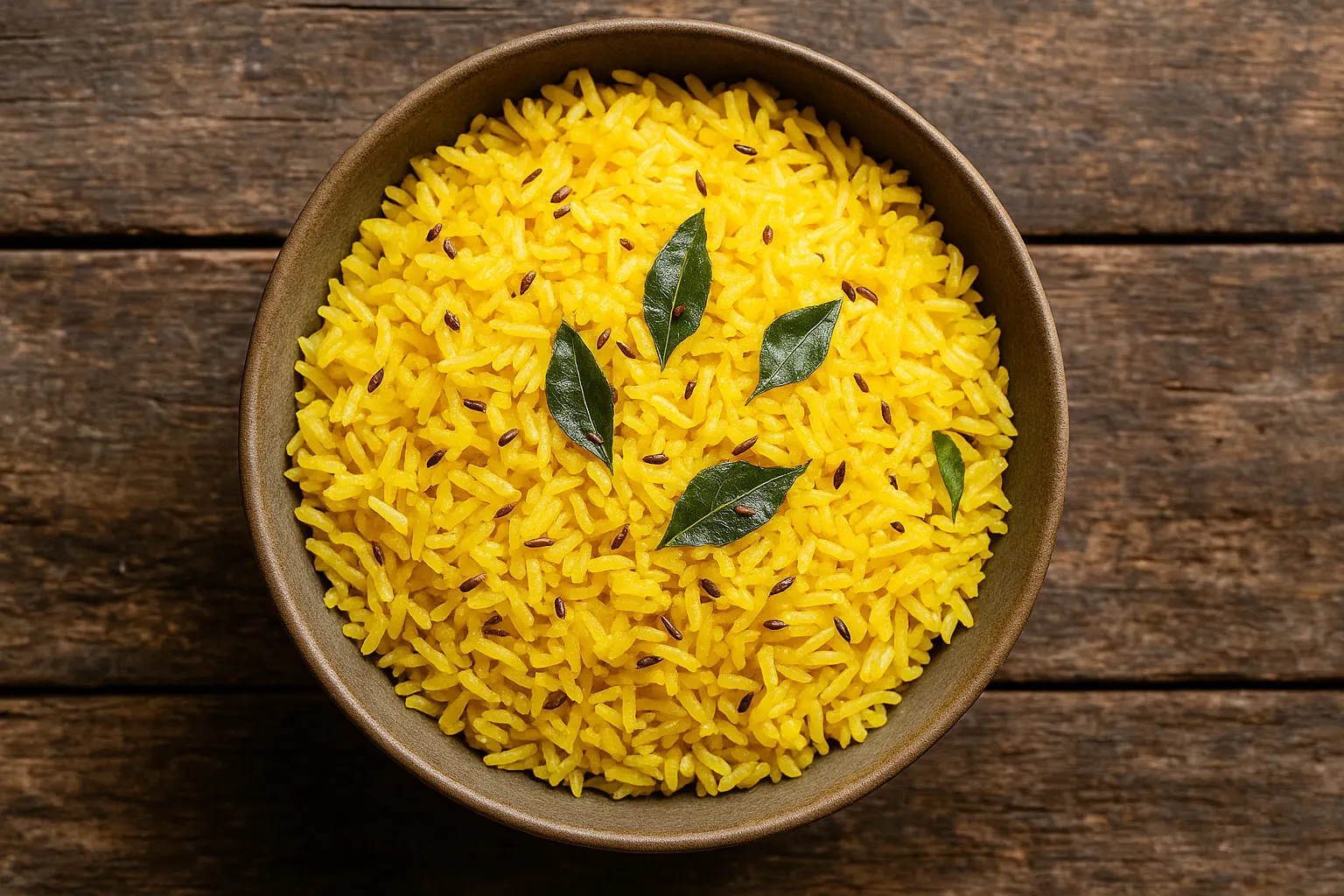
Quick Nutrition Facts
Per 100g Serving
| Nutrient | Amount |
|---|---|
| Calories | 130 kcal |
| Protein | 2.5g |
| Carbohydrates | 25g |
| Fiber | 0.6g |
| Sugars | 0.1g |
| Fat | 3g |
| Sodium | 180mg |
| Potassium | 35mg |
| Iron | 0.3mg |
| Magnesium | 12mg |
Macronutrient Breakdown
 ChatGPT
  Claude
  AI Mode
  Perplexity
NUTRITIONIST INSIGHT
Tadka rice's cumin tempering isn't just for flavor - cumin seeds contain thymoquinone, which aids digestion, reduces bloating, and has mild anti-inflammatory properties.
Myth Busters
MYTH #1: Tadka Rice Is Too High in Calories for Weight Loss
TRUTH: At 130 calories per 100g, tadka rice is similar to plain rice. Weight loss success depends on portion size (80-100g) and meal composition. Combining rice with fiber-rich vegetables and protein increases satiety while managing calories.
MYTH #2: The Tempering Makes It Unhealthy
TRUTH: Traditional tempering uses only 1-2 tsp ghee or oil for flavor, adding just 40-45 calories per 2-serving batch. The cumin, curry leaves, and spices provide digestive benefits and antioxidants that plain rice lacks.
MYTH #3: All Rice Is Bad for Diabetics
TRUTH: While white basmati has moderate GI (58-65), portion control and meal composition matter most. Diabetics can enjoy 80-100g tadka rice with dal, vegetables, and protein. Brown basmati tadka rice offers better blood sugar control.
MYTH #4: Tadka Rice Has No Nutritional Value
TRUTH: Basmati rice provides essential carbohydrates for energy, B vitamins (thiamine, niacin), iron, and magnesium. The cumin tempering adds digestive enzymes, antioxidants, and may improve iron absorption.
NutriScore by Health Goals
| Health Goal | NutriScore | Why This Score? |
|---|---|---|
| Weight Loss |  | 130 calories per 100g requires portion control. Low fiber (0.6g) means less satiety. Best in 80-100g portions with high-fiber vegetables and protein. |
| Muscle Gain |  | Good source of quick carbs (25g) for post-workout glycogen replenishment. Pair with protein sources (dal, paneer, chicken) for muscle recovery. |
| Diabetes Management | | Moderate GI (58-65). Portion control essential (80-100g max). Best at lunch paired with protein and vegetables. Consider brown basmati for lower GI. |
| PCOS Management | | Refined carbs affect insulin sensitivity. Use brown basmati, limit to 80g portions, pair with protein and healthy fats, prefer lunch timing. |
| Pregnancy Nutrition | | Safe and easy to digest during pregnancy. Provides energy and iron. Cumin aids digestion and reduces bloating. Pair with dal and vegetables for complete nutrition. |
| Viral/Flu Recovery |  | Easily digestible, gentle on upset stomach, quick energy source. Cumin settles digestion. Excellent comfort food during illness when appetite is low. |
PERSONALIZED NUTRITION
Track your meals with NutriScan for personalized NutriScores based on your specific health goals!
Blood Sugar Response to Tadka Rice
Understanding glucose impact helps optimize portions and meal timing for metabolic health.
Typical Glucose Response Curve
This chart shows typical blood glucose response for healthy individuals eating white basmati tadka rice. Individual responses vary. Not medical advice.
How to Flatten the Blood Sugar Spike
Pairing tadka rice with protein, fiber, and healthy fats significantly improves glucose response:
- 🥘 Dal (toor, moong, masoor) - Complete protein with fiber
- 🥒 Mixed vegetable sabji - Fiber and micronutrients
- 🥄 Raita (yogurt with cucumber) - Protein and probiotics
- 🧀 Paneer curry - High protein, low carb balance
This combination slows glucose absorption, extends energy release, and improves satiety.
Cultural Significance
Tadka (tempering) is a cornerstone of Indian cooking, dating back thousands of years in Ayurvedic culinary traditions.
In India:
- Essential accompaniment to dal, sambhar, rasam, and curries across all regions
- Jeera (cumin) rice variation most popular in North India
- South Indian versions include curry leaves and mustard seeds
- Ayurveda recommends cumin for digestive fire (agni) stimulation
- Wedding feasts and celebrations feature aromatic tadka rice varieties
Regional Variations:
- North India: Cumin seeds, ghee, bay leaves
- South India: Mustard seeds, curry leaves, split urad dal
- Gujarat: Cumin with green chilies and lemon
- Maharashtra: Cumin with turmeric and curry leaves
Compare & Substitute
Tadka Rice vs Similar Rice Dishes (Per 100g)
| Nutrient | 🍚 Tadka Rice | 🍚 Plain Basmati | 🍚 Jeera Rice | 🍚 Vegetable Pulao |
|---|---|---|---|---|
| Calories | 130 kcal | 121 kcal | 135 kcal | 145 kcal |
| Carbs | 25g | 25g | 26g | 24g |
| Fiber | 0.6g | 0.4g | 0.7g | 1.8g |
| Protein | 2.5g | 2.7g | 2.6g | 3g |
| Fat | 3g | 0.5g | 3.5g | 4.5g |
| Sodium | 180mg | 1mg | 200mg | 250mg |
| Iron | 0.3mg | 0.2mg | 0.4mg | 0.8mg |
| Best For | Dal accompaniment | Low-calorie option | Aromatic flavor | Complete one-pot meal |
Frequently Asked Questions
Is tadka rice good for weight loss?
Tadka rice can fit into weight loss diets with proper portion control. At 130 calories per 100g, it's moderate in calories and low in fiber (0.6g), requiring strategic pairing.
Weight loss tips:
- Limit portions to 80-100g (104-130 calories)
- Pair with high-fiber vegetables (broccoli, spinach, beans)
- Include protein source (dal, paneer, tofu, chicken)
- Prefer lunch timing over dinner
- Use minimal oil/ghee in tempering (1 tsp maximum)
Better alternative for aggressive weight loss: Brown rice tadka (higher fiber, lower GI) or cauliflower rice tadka (90% fewer calories).
Can diabetics eat tadka rice?
Diabetics can include tadka rice in moderation with careful portion control and meal composition.
Diabetic-friendly guidelines:
- Portion size: Maximum 80-100g (16-20g carbs)
- Rice choice: Brown basmati tadka rice (GI 50-55 vs white basmati GI 58-65)
- Meal timing: Lunch rather than dinner for better glucose management
- Always pair with: Dal or protein (slows glucose absorption) + vegetables (fiber)
- Monitor: Blood sugar 2 hours after eating to understand personal response
The cumin in tadka may offer mild benefits for insulin sensitivity. Always consult your healthcare provider for personalized advice.
What are the main health benefits of tadka rice?
Key Benefits:
- Digestive Health: Cumin seeds stimulate digestive enzymes, reduce bloating and gas
- Quick Energy: Easily digestible carbohydrates for sustained energy
- Aromatic Compounds: Curry leaves (if used) provide antioxidants and anti-inflammatory benefits
- Iron Content: Cumin and rice provide small amounts of iron, enhanced absorption when paired with vitamin C foods
- Comfort & Satisfaction: Aromatic flavor makes meals more enjoyable and satisfying
How many calories in tadka rice?
Tadka rice contains approximately 130 calories per 100g. Actual calories depend on oil/ghee used in tempering.
Calorie breakdown by portion:
- Small serving (80g): 104 calories
- Medium serving (100g): 130 calories
- Large serving (150g): 195 calories
- Restaurant serving (200g): 260 calories
Tempering impact: 1 tsp ghee adds 45 calories; 1 tsp oil adds 40 calories (typically divided among 4 servings).
Is tadka rice healthier than plain white rice?
Tadka rice and plain basmati rice have similar calorie and nutrient profiles, but tadka offers added digestive benefits.
Tadka rice advantages:
- Cumin aids digestion and reduces bloating
- Aromatic flavor increases meal satisfaction
- Spices provide antioxidants and anti-inflammatory compounds
- May improve iron and mineral absorption
Plain rice advantages:
- Slightly lower calories (121 vs 130 per 100g)
- No added sodium from tempering
- Blank canvas for calorie-conscious meals
Verdict: For most people, the 10-calorie difference is negligible, and cumin's digestive benefits make tadka rice a flavorful, functional choice.
Can I eat tadka rice daily?
Yes, tadka rice can be part of daily meals with balanced nutrition practices.
Daily consumption tips:
- Maintain consistent portions (100-150g)
- Rotate with brown rice, quinoa, or millet for nutrient variety
- Always pair with vegetables and protein
- Monitor overall daily carb intake
- Use fresh cumin seeds for maximum digestive benefits
Consider limiting if: You have diabetes or PCOS (rotate with lower-GI alternatives); you're on a strict low-carb diet; you have high blood pressure (watch sodium from tempering salt).
Track your meals with NutriScan app to see how tadka rice fits your daily nutrition goals and optimize portion sizes.


Similar Nutritious Foods
4505 Chicharrones Classic Chili Salt
7 Eleven Japan Crispy Corn Cheese
Explore More Nutrition Tools & Resources
AI Calorie Counter App - Snap a Photo, Get Macros
AI Nutritionist App That Reads Your Logged Meals
Best Protein Supplements for Women
Bulking Meal Plan App That Sets Your Surplus
ChatGPT Calorie Counter Alternative That Keeps the Total
ChatGPT Diet Plan Alternative That Tracks What You Eat
ChatGPT Weight Loss Coach Alternative With a Food Log
Fast Food Calorie Counter App That Reads the Tray
Free Calorie Tracker App with AI Photo Scans | NutriScan
Indian Diet Plan App With Veg and Non Veg Meals
Indian Food Calorie Calculator - Get Instant Nutrition Facts for Desi Meals — 2026
Intermittent Fasting for Women, Timer and Meal Log App
Intermittent Fasting Tracker App - Free Fasting Timer
Macro Tracker App That Fills the Numbers From a Photo
Mediterranean Diet Meal Plan App That Counts the Oil
Micronutrient Tracker App for Vitamins and Minerals
MyFitnessPal Alternative That Stays Free | NutriScan
NutriScore App: A Free Grade on Every Meal | NutriScan
Nutrition Label Scanner App for the Amount You Ate
Second Trimester Protein Guide
Vegetarian Meal Plan App With a Protein Target
Voice Calorie Counter - Speak to Track Meals Hands-Free
Water and Calorie Tracker App - Free Water Log