Tandoori Paneer: Calories, Nutrition and Health Benefits
Smoky grilled cottage cheese marinated in yogurt and spices, delivering high protein, healthy fats, and authentic tandoori flavor for muscle building and satisfaction.
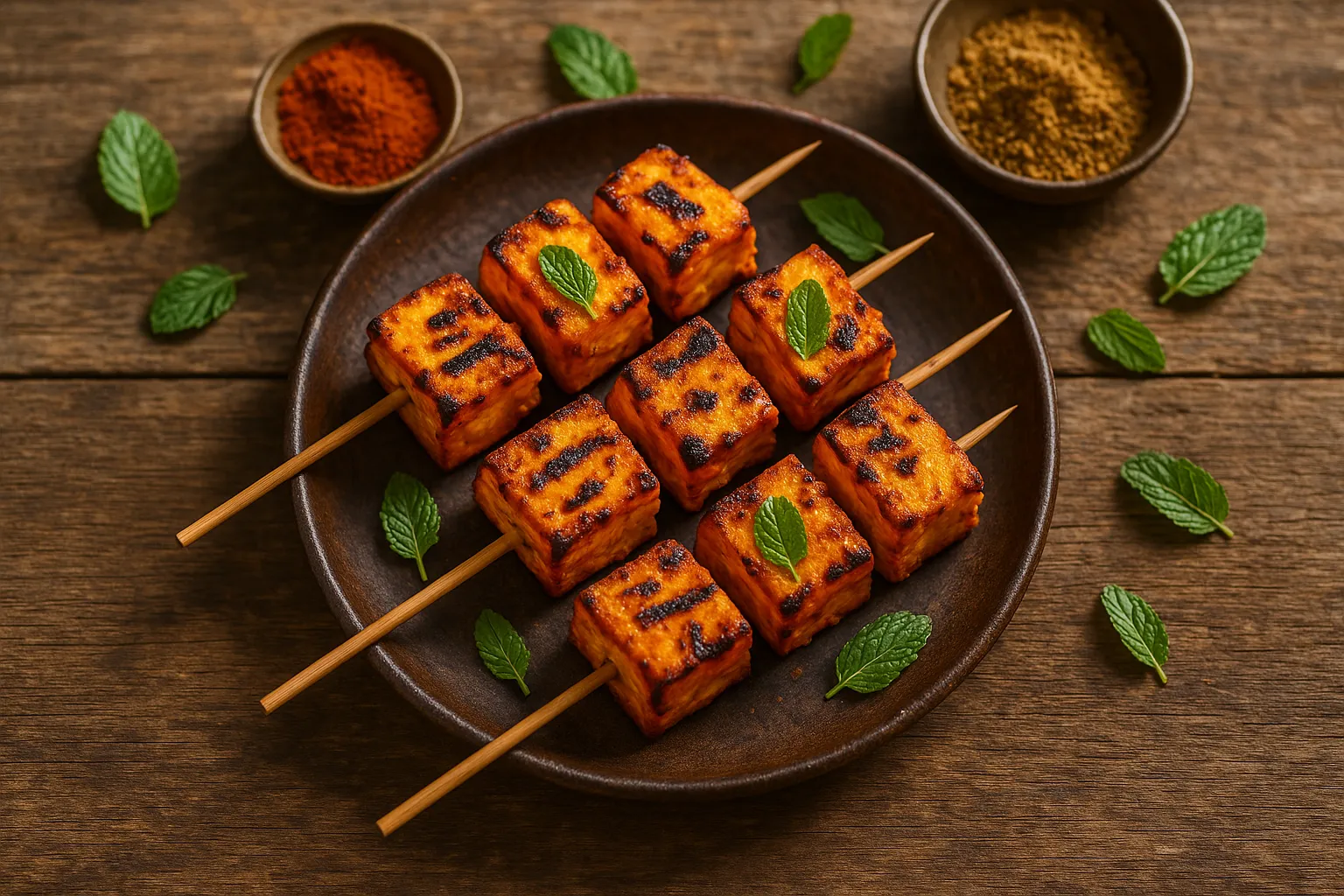
Quick Nutrition Facts
Per 100g Tandoori Paneer
| Nutrient | Amount |
|---|---|
| Calories | 265 kcal |
| Protein | 18g |
| Carbohydrates | 4.5g |
| Fiber | 0.5g |
| Sugars | 2.8g |
| Fat | 20g |
| Calcium | 208mg |
| Phosphorus | 138mg |
| Vitamin B12 | 0.3mcg |
| Zinc | 0.9mg |
Macronutrient Breakdown
 ChatGPT
  Claude
  AI Mode
  Perplexity
NUTRITIONIST INSIGHT
Tandoori paneer delivers 18g complete protein per 100g with minimal carbs (4.5g), making it ideal for muscle building and satiety. The yogurt marinade adds probiotics while spices like turmeric, cumin, and kasuri methi provide antioxidants and anti-inflammatory compounds.
Myth Busters
MYTH #1: Tandoori Paneer Is Too High in Calories for Weight Loss
TRUTH: At 265 calories per 100g with 18g protein, tandoori paneer creates exceptional satiety that prevents overeating. High-protein foods increase thermogenesis and reduce appetite, making them valuable for weight management when portion-controlled.
MYTH #2: All Paneer Preparations Are Equally Healthy
TRUTH: Tandoori paneer (grilled, 265 cal/100g) is significantly healthier than fried paneer pakora (350+ cal/100g) or paneer butter masala (320+ cal/100g). Grilling retains protein while using minimal oil, and spices add antioxidants without extra calories.
MYTH #3: Vegetarians Can't Build Muscle Without Meat
TRUTH: Tandoori paneer provides complete protein with all essential amino acids. Studies show dairy protein is as effective as meat for muscle synthesis when consumed in adequate amounts. One serving (150g) delivers 27g protein comparable to chicken.
MYTH #4: Paneer Causes High Cholesterol
TRUTH: Dairy fat's impact on cholesterol is complex. Paneer contains conjugated linoleic acid (CLA) which may support fat metabolism. Moderate consumption (100-150g) fits heart-healthy diets, especially when grilled and paired with vegetables.
MYTH #5: Diabetics Should Avoid Paneer Due to Fat Content
TRUTH: With only 4.5g carbs per 100g, tandoori paneer has minimal blood sugar impact. The protein-fat combination actually slows digestion and stabilizes glucose. It's one of the best vegetarian protein options for diabetics when eaten in appropriate portions.
MYTH #6: Tandoori Paneer Is Only Restaurant Food
TRUTH: Tandoori paneer is easy to make at home with healthier ingredients. Control oil, salt, and spice levels. Grill, air-fry, or oven-bake for authentic flavor without restaurant-level calories. Homemade versions often contain 200-220 calories vs 265+ at restaurants.
NutriScore by Health Goals
| Health Goal | NutriScore | Why This Score? |
|---|---|---|
| Weight Loss |  | High protein (18g) and fat (20g) create long-lasting fullness. 265 calories are manageable in calorie deficit. Best limited to 100-150g per meal with vegetables. |
| Muscle Gain |  | Exceptional protein content (18g per 100g) supports muscle synthesis. Dairy protein is highly effective for muscle building. Ideal post-workout. |
| Diabetes Management | | Very low carbs (4.5g), high protein stabilizes blood sugar. Minimal glucose impact. Safe daily consumption when paired with fiber-rich vegetables. |
| PCOS Management | | Low-carb, high-protein helps insulin resistance. Moderate fat intake supports hormone production. Portion control important (100-150g). Choose low-fat paneer if calorie-sensitive. |
| Pregnancy Nutrition | | High protein (18g) and calcium (208mg) support fetal development and maternal bone health. Safe when made from pasteurized milk. Rich in phosphorus for energy metabolism. |
| Viral/Flu Recovery | | High-quality protein supports immune function and tissue repair. Zinc aids recovery. Spices like turmeric have anti-inflammatory properties. Easy to digest when chewed properly. |
PERSONALIZED NUTRITION
Track your meals with NutriScan for personalized NutriScores based on your specific health goals!
Blood Sugar Response to Tandoori Paneer
Understanding tandoori paneer's minimal blood glucose impact demonstrates why it's ideal for diabetes management and low-carb diets.
Typical Glucose Response Curve
This chart shows minimal blood glucose response due to very low carbs and high protein-fat content. Individual responses may vary. Not medical advice.
Why Tandoori Paneer Stabilizes Blood Sugar
The protein-fat combination delays gastric emptying and prevents glucose spikes:
- 🥗 Pair with fiber-rich vegetables - Bell peppers, onions, and tomatoes add volume and nutrients
- 🥒 Serve with cucumber raita - Adds cooling probiotics and hydration
- 🍋 Squeeze fresh lemon - Vitamin C enhances iron absorption from spices
- 🌿 Include mint chutney - Aids digestion and adds fresh flavor without carbs
This combination provides sustained energy for 4-5 hours without the crash typical of high-carb meals.
Cultural Significance
Tandoori cooking originated in the Punjab region of India over 5,000 years ago, traditionally using clay ovens (tandoors) heated with charcoal or wood fire.
In India:
- Tandoori paneer evolved from tandoori chicken for vegetarian adaptation
- Street food staple: paneer tikka sold at roadside stalls and dhabas
- Restaurant favorite: served as appetizer with mint chutney and onion rings
- Wedding and celebration food: paneer tikka skewers popular at gatherings
- Regional variations: Amritsari paneer tikka, Lucknowi style, Mughlai marinade
Global Impact:
- International recognition: tandoori paneer available in Indian restaurants worldwide
- Fusion adaptations: tandoori paneer pizza, wraps, salads, bowls gaining popularity
- Home cooking trend: air fryers and ovens make tandoori paneer accessible without traditional tandoor
- Vegetarian appeal: showcases plant-based protein as flavorful and satisfying alternative
Compare & Substitute
Tandoori Paneer vs Similar Proteins (Per 100g)
| Nutrient | 🍢 Tandoori Paneer | 🧀 Plain Paneer | 🍗 Chicken Tikka | 🥚 Boiled Eggs |
|---|---|---|---|---|
| Calories | 265 kcal | 296 kcal | 165 kcal | 155 kcal |
| Carbs | 4.5g | 3.6g | 2.5g | 1.1g |
| Fiber | 0.5g | 0g | 0g | 0g |
| Protein | 18g | 18.3g | 31g | 13g |
| Fat | 20g | 22g | 3.5g | 11g |
| Calcium | 208mg | 480mg | 11mg | 50mg |
| Iron | 0.9mg | 0.2mg | 0.7mg | 1.2mg |
| Best For | High protein, vegetarian | Calcium, plain cooking | Lean protein, muscle gain | Budget protein, versatile |
Frequently Asked Questions
Is tandoori paneer good for weight loss?
Tandoori paneer can support weight loss when eaten in portion-controlled amounts. With 265 calories and 18g protein per 100g, it provides exceptional satiety that prevents overeating for hours.
Best practices: Limit to 100-150g per meal (265-398 calories); pair with large salad or grilled vegetables; choose air-fried or oven-baked over restaurant versions; eat at lunch or dinner, not as snack; avoid creamy accompaniments like butter sauce; track portions with measuring to prevent overeating.
Can diabetics eat tandoori paneer?
Yes, tandoori paneer is excellent for diabetics. With only 4.5g carbs per 100g and 18g protein, it has minimal blood sugar impact and promotes stable glucose levels.
Diabetic-friendly tips:
- Eat 100-150g per meal with fiber-rich vegetables
- Best timing: lunch or dinner paired with salad
- Protein-fat combination slows digestion and prevents spikes
- Monitor blood sugar 2 hours after eating initially
- Choose homemade or low-oil restaurant versions
- Pair with whole grain roti (optional) for balanced meal
The high protein-to-carb ratio makes tandoori paneer one of the best vegetarian options for diabetes management.
How much protein is in tandoori paneer?
Tandoori paneer contains 18g of complete protein per 100g. A typical restaurant serving (150g) provides 27g protein - comparable to a chicken breast or 3 eggs.
For muscle gain: Consume 150-200g post-workout or with meals; combine with whole grains for sustained energy; eat 2-3 times weekly; pair with other protein sources (lentils, eggs, yogurt) to reach 25-30g protein per meal; track intake with NutriScan app to ensure adequate daily protein (1.6-2.2g per kg body weight).
Paneer provides all nine essential amino acids, making it a complete protein source for vegetarians.
What are the main health benefits of tandoori paneer?
Key Benefits:
- Muscle Building: 18g complete protein per 100g supports muscle synthesis and repair
- Bone Health: 208mg calcium (21% DV) and 138mg phosphorus strengthen bones
- Weight Management: High protein and fat promote long-lasting satiety and reduce cravings
- Blood Sugar Control: Very low carbs (4.5g) with minimal glucose impact
- Immune Support: Zinc, vitamin B12, and spice antioxidants (turmeric, ginger) boost immunity
- Gut Health: Yogurt marinade provides probiotics for digestive health
- Antioxidant Rich: Spices (turmeric, chili, cumin) have anti-inflammatory compounds
When is the best time to eat tandoori paneer?
Depends on your goal:
- Weight Loss: Lunch with large salad for sustained fullness; avoid late dinner (slower fat digestion).
- Muscle Gain: Post-workout within 2 hours or at dinner; protein supports overnight recovery.
- Diabetes: Lunch or dinner paired with vegetables for stable blood sugar throughout the day.
- General Health: Lunch or early dinner; high fat content takes 4-5 hours to digest fully.
IMPORTANT NOTE
Avoid eating tandoori paneer late at night if you have slow digestion or acid reflux. The high fat content requires time to digest properly.
Is tandoori paneer healthier than fried paneer?
Yes, tandoori paneer is significantly healthier than fried preparations in multiple ways.
Comparison:
Tandoori Paneer (Grilled):
- 265 calories per 100g
- Minimal added oil (1-2 tsp for basting)
- Retains more protein and nutrients
- Spices add antioxidants
- Lower acrylamide formation (harmful compound)
Fried Paneer Pakora:
- 350+ calories per 100g
- Absorbs 30-40% oil during deep frying
- Higher trans fats and oxidized fats
- More advanced glycation end products (AGEs)
- Higher sodium from batter
Recommendation: Choose tandoori, grilled, or air-fried paneer over deep-fried. For maximum health, make tandoori paneer at home to control oil, salt, and spice levels (200-220 cal/100g homemade vs 265+ restaurant).
How many grams of tandoori paneer should I eat per day?
General Guidelines:
- 100-150g per meal - Most people (265-398 calories, 18-27g protein)
- 150-200g per meal - Athletes, muscle gain, high-protein diets (398-530 calories, 27-36g protein)
- 100g per meal - Weight loss, sedentary lifestyle (265 calories, 18g protein)
- Limit to 1-2 meals per week - If watching saturated fat or calorie intake
Avoid excess: More than 200g daily can provide excessive saturated fat (18g+) and calories (530+) for sedentary individuals. Balance with plant proteins and lean options throughout the week.
Tip: One standard restaurant serving = 150g (6-8 pieces). Track portions with NutriScan app for accurate intake.
How to make healthier tandoori paneer at home?
Healthier Home Recipe:
Marinade (serves 4, 400g paneer):
- 1 cup Greek yogurt (low-fat for fewer calories)
- 1 tbsp ginger-garlic paste
- 1 tsp turmeric, 1 tsp cumin, 1 tsp coriander powder
- 1 tsp kasuri methi (dried fenugreek)
- 1/2 tsp red chili powder
- Salt to taste, lemon juice
Steps:
- Cut paneer into 2-inch cubes
- Mix marinade ingredients thoroughly
- Coat paneer, refrigerate 2-4 hours (overnight best)
- Thread on skewers with bell peppers, onions
- Air-fry 180°C for 12-15 min OR oven-bake 200°C for 20 min OR grill 5-7 min per side
- Baste lightly with oil (1 tsp total) halfway through
Benefits: Homemade version saves 40-60 calories per 100g, reduces sodium by 50%, allows portion control, and ensures fresh ingredients. Store leftovers 3-4 days refrigerated.


Similar Nutritious Foods
4505 Chicharrones Classic Chili Salt
7 Eleven Japan Crispy Corn Cheese
Explore More Nutrition Tools & Resources
AI Calorie Counter App - Snap a Photo, Get Macros
AI Nutritionist App That Reads Your Logged Meals
Best Protein Supplements for Women
Bulking Meal Plan App That Sets Your Surplus
ChatGPT Calorie Counter Alternative That Keeps the Total
ChatGPT Diet Plan Alternative That Tracks What You Eat
ChatGPT Weight Loss Coach Alternative With a Food Log
Fast Food Calorie Counter App That Reads the Tray
Free Calorie Tracker App with AI Photo Scans | NutriScan
Indian Diet Plan App With Veg and Non Veg Meals
Indian Food Calorie Calculator - Get Instant Nutrition Facts for Desi Meals — 2026
Intermittent Fasting for Women, Timer and Meal Log App
Intermittent Fasting Tracker App - Free Fasting Timer
Macro Tracker App That Fills the Numbers From a Photo
Mediterranean Diet Meal Plan App That Counts the Oil
Micronutrient Tracker App for Vitamins and Minerals
MyFitnessPal Alternative That Stays Free | NutriScan
NutriScore App: A Free Grade on Every Meal | NutriScan
Nutrition Label Scanner App for the Amount You Ate
Second Trimester Protein Guide
Vegetarian Meal Plan App With a Protein Target
Voice Calorie Counter - Speak to Track Meals Hands-Free
Water and Calorie Tracker App - Free Water Log