Teff: Calories, Nutrition and Health Benefits
Ethiopia's ancient superfood grain - tiny seeds packed with exceptional iron, complete protein, and naturally gluten-free goodness for every health goal.
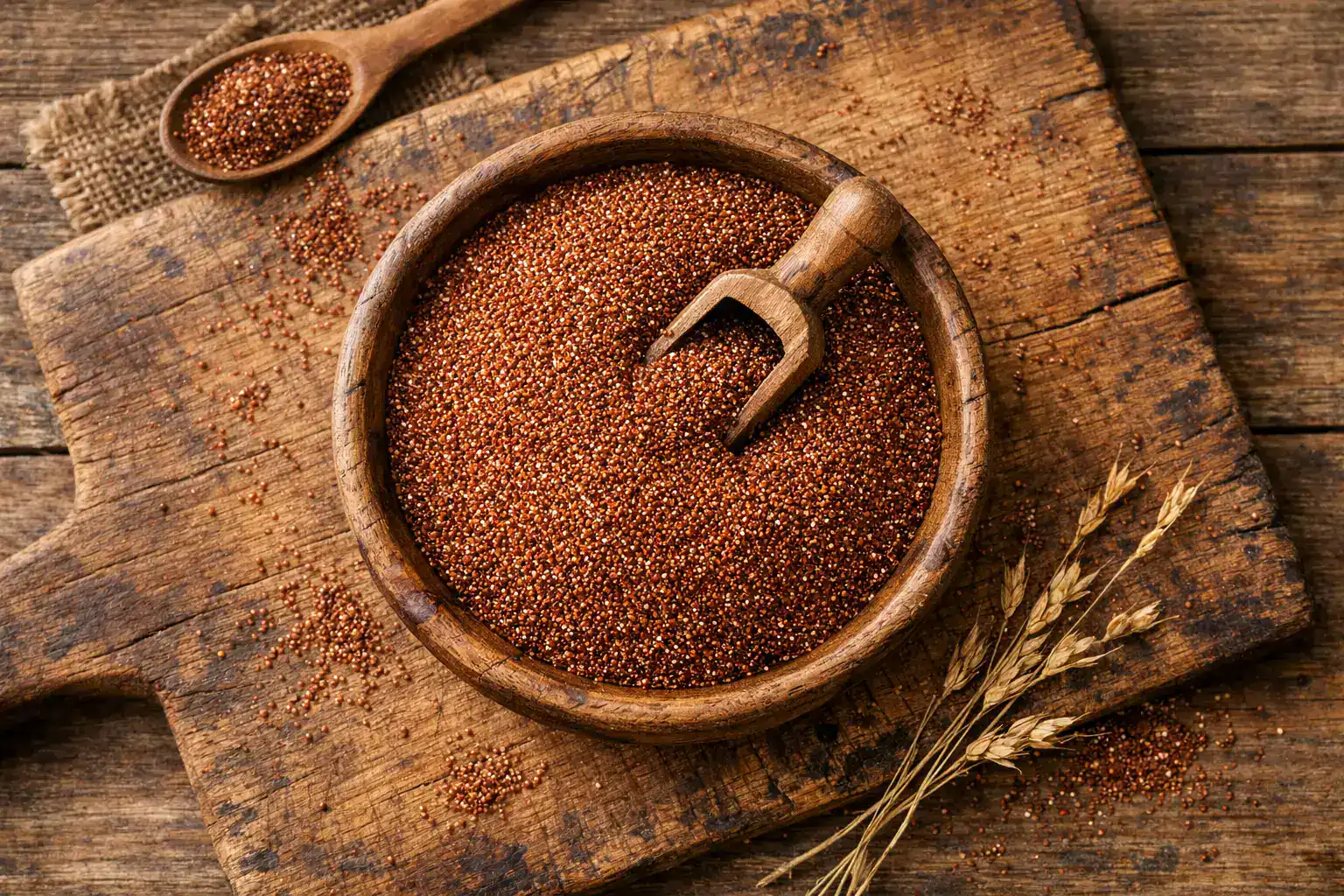
Quick Nutrition Facts
Per 1/2 Cup Cooked Teff (126g)
| Nutrient | Amount |
|---|---|
| Calories | 101 kcal |
| Protein | 3.9g |
| Carbohydrates | 20g |
| Fiber | 3.6g |
| Sugars | 0.8g |
| Fat | 0.6g |
| Iron | 3.8mg |
| Calcium | 87mg |
| Magnesium | 63mg |
| Phosphorus | 180mg |
Macronutrient Breakdown
 ChatGPT
  Claude
  AI Mode
  Perplexity
NUTRITIONIST INSIGHT
Teff is one of the world's most iron-rich grains, providing 95% of daily iron needs per 100g dry grain. Its resistant starch and low glycemic index make it ideal for blood sugar management and sustained energy.
Myth Busters
MYTH #1: Teff Is Just Another Trendy Superfood
TRUTH: Teff has been cultivated in Ethiopia for over 3,000 years and remains the staple food for 80+ million people. Its exceptional nutritional profile - particularly iron content - makes it genuinely superior to many common grains.
MYTH #2: Teff Has No Real Benefits Over Other Grains
TRUTH: Teff contains 7.6mg iron per 100g (95% DV) compared to 1.2mg in white rice and 3.5mg in whole wheat. It also has complete amino acid profile and naturally gluten-free status.
MYTH #3: Gluten-Free Grains Are Less Nutritious
TRUTH: Teff disproves this myth completely. It has more protein, fiber, iron, and calcium than wheat while being 100% gluten-free and safe for celiac disease.
MYTH #4: Teff Causes Blood Sugar Spikes Like Other Grains
TRUTH: Research shows teff injera has a glycemic index of just 35.6 compared to 50.7 for white wheat bread. Teff's resistant starch significantly slows glucose absorption.
MYTH #5: Teff Is Hard to Cook and Use
TRUTH: Teff cooks in 15-20 minutes like quinoa. It can be used as whole grain porridge, ground into flour for baking, or made into traditional injera flatbread. Extremely versatile.
NutriScore by Health Goals
| Health Goal | NutriScore | Why This Score? |
|---|---|---|
| Weight Loss |  | 101 calories per 1/2 cup, 3.6g fiber promotes fullness, low GI prevents cravings. |
| Muscle Gain |  | Complete amino acid profile, 3.9g protein per serving, excellent post-workout carbs for recovery. |
| Diabetes Management | | Low GI of 35-57, resistant starch slows glucose absorption, fiber improves insulin sensitivity. |
| PCOS Management | | Low glycemic impact helps regulate insulin, iron addresses common PCOS-related anemia. |
| Pregnancy Nutrition | | Exceptional iron (3.8mg/serving) prevents pregnancy anemia, calcium for fetal bone development, folate for neural tube health. |
| Viral/Flu Recovery | | Easy to digest, sustained energy release, iron supports immune function. |
PERSONALIZED NUTRITION
Track your meals with NutriScan for personalized NutriScores based on your specific health goals!
Blood Sugar Response to Teff
Understanding how teff affects your blood glucose can help you make informed decisions about when and how to eat it.
Typical Glucose Response Curve
This chart shows typical blood glucose response for general healthy individuals. Individual responses may vary. Not medical advice.
How to Optimize Blood Sugar Response
Pairing teff with protein or healthy fat further improves the already favorable glucose response:
- 🥚 Eggs or lentils - Ethiopian-style with injera and protein-rich stews
- 🥜 Nut butter or tahini - Adds healthy fats for slower absorption
- 🥛 Yogurt or ayib (Ethiopian cottage cheese) - Protein and probiotics
- 🥗 Vegetables and legumes - Fiber-rich sides enhance blood sugar control
Teff's naturally low glycemic index means it already provides steady energy without dramatic spikes.
Cultural Significance
Teff is one of the world's most ancient cultivated grains, with evidence of use in Ethiopia dating back over 3,000 years.
In Ethiopia:
- Primary ingredient in injera, the spongy sourdough flatbread that's the country's staple food
- 80+ million Ethiopians rely on teff as their main grain source
- Traditionally fermented for 2-3 days to make injera, which enhances nutrient availability
- Both ivory (white) and brown teff varieties are cultivated and prized
Global Impact:
- Now grown in the US, Netherlands, Australia, and India as demand grows
- Recognized by athletes for its iron content and sustained energy
- Popular in gluten-free baking as flour alternative
- Ethiopian runners credit teff-based diet for their world-class endurance
Compare & Substitute
Teff vs Similar Grains (Per 100g Dry)
| Nutrient | 🌾 Teff | 🌾 Quinoa | 🌾 Brown Rice | 🌾 Oats |
|---|---|---|---|---|
| Calories | 367 kcal | 368 kcal | 362 kcal | 389 kcal |
| Carbs | 73g | 64g | 76g | 66g |
| Fiber | 8g | 7g | 3.6g | 10.6g |
| Protein | 13.3g | 14.1g | 7.5g | 16.9g |
| Fat | 2.4g | 6.1g | 2.7g | 6.9g |
| Iron | 7.6mg | 2.8mg | 1.5mg | 4.7mg |
| Calcium | 180mg | 47mg | 33mg | 54mg |
| GI | 35-57 | 53 | 68 | 55 |
| Best For | Iron needs, diabetes, celiac | Protein, complete amino acids | Budget, mild flavor | Fiber, beta-glucan |
Frequently Asked Questions
Is teff good for weight loss?
Yes, teff is excellent for weight loss. One serving (1/2 cup cooked) has only 101 calories with 3.6g fiber that keeps you full longer. Its low glycemic index prevents blood sugar spikes that trigger cravings.
Best practices: Use as base for grain bowls, replace rice in meals, make porridge for breakfast, combine with vegetables and lean protein.
Can diabetics eat teff?
Teff is one of the best grains for diabetics. Studies show teff injera has a glycemic index of 35.6 compared to 50.7 for white wheat bread, making it significantly better for blood sugar control.
Tips for diabetics:
- Choose teff over rice or wheat regularly
- Pair with protein and vegetables for optimal glucose response
- Enjoy as injera with Ethiopian lentil stews
- Monitor blood sugar to confirm personal response
Is teff gluten-free?
Yes, teff is 100% naturally gluten-free and safe for people with celiac disease or gluten sensitivity. It's one of the most nutritious gluten-free whole grain options available.
Important: Ensure your teff is certified gluten-free if you have celiac disease, as cross-contamination can occur during processing.
What are the main health benefits of teff?
Key Benefits:
- Iron Powerhouse: 7.6mg per 100g dry (95% DV) - one of highest among grains
- Diabetes-Friendly: Low GI (35-57) with resistant starch
- Gluten-Free: Safe for celiac disease
- Bone Health: 180mg calcium per 100g dry
- Complete Protein: Contains all 8 essential amino acids
- Gut Health: Resistant starch feeds beneficial gut bacteria
How do you cook teff grain?
Basic method:
- Combine 1 cup teff with 3 cups water and pinch of salt
- Bring to boil, reduce heat to low
- Simmer covered for 15-20 minutes until water absorbed
- Fluff with fork, let rest 5 minutes
For porridge: Use 4 cups water for creamier consistency. Add cinnamon, honey, and nuts.
As flour: Use teff flour for pancakes, baking, or traditional injera flatbread.
Is teff better than quinoa?
Both are excellent grains with different strengths:
Choose teff if:
- You need more iron (7.6mg vs 2.8mg per 100g)
- You want more calcium (180mg vs 47mg)
- You prefer lower glycemic index
- You want traditional Ethiopian flavors
Choose quinoa if:
- You need slightly more protein
- You prefer faster cooking (15 min vs 20 min)
- You want a lighter, fluffier texture
How much teff should I eat per day?
General Guidelines:
- 1/2 to 1 cup cooked daily - Most people for balanced nutrition
- 1/2 cup daily - Weight loss or calorie restriction
- 1-2 cups daily - Athletes, pregnancy, or iron deficiency
- Start with 1/4 cup - If new to teff, increase gradually for digestive adjustment
Track your intake with NutriScan app to see how teff fits your personal nutrition goals.
Can teff help with anemia?
Yes, teff is one of the best food sources for addressing iron-deficiency anemia. Its 7.6mg iron per 100g dry grain provides 95% of daily needs.
To maximize iron absorption:
- Pair with vitamin C foods (lemon juice, tomatoes, peppers)
- Avoid drinking tea or coffee with meals (inhibits absorption)
- Combine with other iron-rich foods like lentils
- Cook in cast iron for additional iron


Similar Nutritious Foods
4505 Chicharrones Classic Chili Salt
7 Eleven Japan Crispy Corn Cheese
Explore More Nutrition Tools & Resources
AI Calorie Counter App - Snap a Photo, Get Macros
AI Nutritionist App That Reads Your Logged Meals
Best Protein Supplements for Women
Bulking Meal Plan App That Sets Your Surplus
ChatGPT Calorie Counter Alternative That Keeps the Total
ChatGPT Diet Plan Alternative That Tracks What You Eat
ChatGPT Weight Loss Coach Alternative With a Food Log
Fast Food Calorie Counter App That Reads the Tray
Free Calorie Tracker App with AI Photo Scans | NutriScan
Indian Diet Plan App With Veg and Non Veg Meals
Indian Food Calorie Calculator - Get Instant Nutrition Facts for Desi Meals — 2026
Intermittent Fasting for Women, Timer and Meal Log App
Intermittent Fasting Tracker App - Free Fasting Timer
Macro Tracker App That Fills the Numbers From a Photo
Mediterranean Diet Meal Plan App That Counts the Oil
Micronutrient Tracker App for Vitamins and Minerals
MyFitnessPal Alternative That Stays Free | NutriScan
NutriScore App: A Free Grade on Every Meal | NutriScan
Nutrition Label Scanner App for the Amount You Ate
Second Trimester Protein Guide
Vegetarian Meal Plan App With a Protein Target
Voice Calorie Counter - Speak to Track Meals Hands-Free
Water and Calorie Tracker App - Free Water Log