Tempeh: Calories, Nutrition and Health Benefits
Fermented Indonesian soy superfood packed with 19g protein, probiotics, and essential nutrients for plant-based diets and muscle gain.
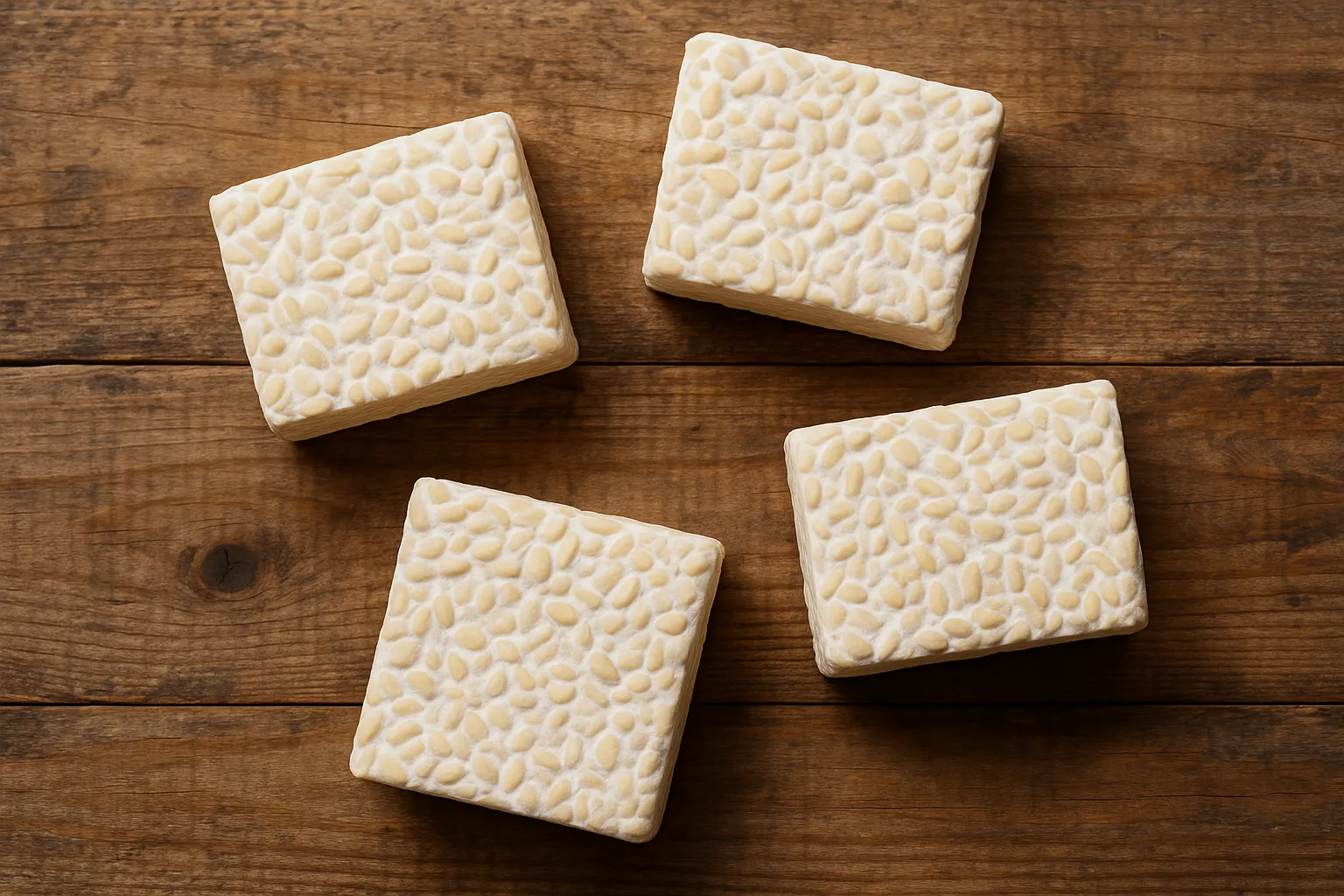
Quick Nutrition Facts
Per 100g (1/2 cup cooked)
| Nutrient | Amount |
|---|---|
| Calories | 193 kcal |
| Protein | 19g |
| Carbohydrates | 9g |
| Fiber | 5g |
| Sugars | 2.3g |
| Fat | 11g |
| Calcium | 111mg |
| Iron | 2.7mg |
| Magnesium | 81mg |
| Phosphorus | 266mg |
Macronutrient Breakdown
 ChatGPT
  Claude
  AI Mode
  Perplexity
NUTRITIONIST INSIGHT
Tempeh provides 38% of daily protein needs in just 100g. The fermentation process breaks down phytic acid, improving mineral absorption by 50% compared to unfermented soy.
Myth Busters
MYTH #1: All Soy Products Are Equal
TRUTH: Tempeh is nutritionally superior to tofu with 2.4x more protein (19g vs 8g) and 5g fiber vs none. Fermentation creates probiotics and reduces antinutrients, making nutrients more bioavailable.
MYTH #2: Tempeh Is Always High in Probiotics
TRUTH: Most commercial tempeh is pasteurized, killing live cultures. The fermentation still creates prebiotics and easier-to-digest proteins. Look for "unpasteurized" or "raw" labels for probiotic benefits.
MYTH #3: Soy Products Cause Hormone Imbalance in Men
TRUTH: Clinical studies show no feminizing effects from soy. Tempeh's isoflavones are 1000x weaker than human estrogen. Moderate consumption (100-200g daily) is safe for men and may reduce prostate cancer risk.
MYTH #4: Tempeh Tastes Bitter and Unpleasant
TRUTH: Raw tempeh has a nutty, mushroom-like flavor. Steam for 10 minutes before cooking to remove any bitterness. Properly marinated and cooked tempeh absorbs flavors beautifully and develops a satisfying texture.
MYTH #5: Tempeh Is Too High in Fat for Weight Loss
TRUTH: The 11g fat is mostly healthy polyunsaturated omega-3 and omega-6 fats. The high protein (19g) and fiber (5g) promote satiety, making it effective for weight loss despite moderate calories.
MYTH #6: You Need to Eat Meat for Complete Protein
TRUTH: Tempeh is a complete protein containing all 9 essential amino acids. 100g provides more protein than most meats, making it ideal for vegan and vegetarian diets.
NutriScore by Health Goals
| Health Goal | NutriScore | Why This Score? |
|---|---|---|
| Weight Loss |  | 19g protein promotes fullness and muscle preservation, 5g fiber controls appetite. Limit to 80-100g portions. |
| Muscle Gain |  | Excellent plant-based protein (19g per 100g) with all essential amino acids. Fermentation improves protein digestibility by 25%. |
| Diabetes Management | | Low GI, soy protein improves insulin sensitivity. High fiber and protein slow glucose absorption. |
| PCOS Management | | Plant protein supports hormone balance, low GI prevents insulin spikes. Isoflavones may improve PCOS symptoms. |
| Pregnancy Nutrition | | Rich in folate, iron (2.7mg), and calcium (111mg). Complete protein for fetal development. |
| Viral/Flu Recovery | | Easy-to-digest protein for immune function, zinc and probiotics support gut immunity. |
PERSONALIZED NUTRITION
Track your meals with NutriScan for personalized NutriScores based on your specific health goals!
Blood Sugar Response to Tempeh
Understanding how tempeh affects your blood glucose shows its excellent metabolic profile for stable energy.
Typical Glucose Response Curve
This chart shows typical blood glucose response for general healthy individuals. Individual responses may vary. Not medical advice.
Why Tempeh Keeps Blood Sugar Stable
The combination of high protein, fiber, and healthy fats creates minimal blood sugar impact:
- 🥜 High protein (19g) - Slows digestion and glucose release
- 🌾 Fiber (5g) - Reduces glucose absorption rate
- 🥑 Healthy fats - Further slows carbohydrate digestion
- 🦠 Fermentation - Reduces starch and increases resistant starch
This makes tempeh ideal for diabetes management, weight loss, and sustained energy throughout the day.
Cultural Significance
Tempeh originated in Indonesia over 400 years ago, traditionally made by fermenting soybeans with Rhizopus mold.
In Indonesia:
- National staple protein, consumed daily across all economic levels
- Traditional preparation uses banana leaves for fermentation
- Over 50 varieties including beans, grains, and mixed versions
- Tempeh Mendoan (fried tempeh) is a beloved street food
Global Impact:
- Vegan movement popularized tempeh in Western countries since 1970s
- Now made worldwide with soybeans, chickpeas, and other legumes
- Sustainable protein source requiring 90% less water than beef
- Growing market: $3.8 billion industry projected to reach $6.2 billion by 2030
Compare & Substitute
Tempeh vs Similar Plant Proteins (Per 100g)
| Nutrient | 🌾 Tempeh | 🧀 Tofu (Firm) | 🥜 Edamame | 🍗 Chicken Breast |
|---|---|---|---|---|
| Calories | 193 kcal | 76 kcal | 122 kcal | 165 kcal |
| Carbs | 9g | 1.9g | 9g | 0g |
| Fiber | 5g | 0g | 5g | 0g |
| Protein | 19g | 8g | 11g | 31g |
| Fat | 11g | 4.8g | 5g | 3.6g |
| Calcium | 111mg | 350mg | 63mg | 15mg |
| Iron | 2.7mg | 1.6mg | 2.3mg | 0.7mg |
| Magnesium | 81mg | 37mg | 64mg | 29mg |
| Best For | High protein | Low calorie | Snacking | Lean protein |
Frequently Asked Questions
Is tempeh good for weight loss?
Yes, tempeh supports weight loss effectively. The 19g protein per 100g promotes fullness and preserves muscle during calorie deficits. Despite 193 calories, the high protein and 5g fiber create strong satiety signals.
Best practices: Consume 80-100g portions, steam before cooking to reduce bitterness, pair with vegetables, use as meat substitute in stir-fries and salads.
Is tempeh healthier than tofu?
Depends on your goals. Tempeh has significantly more protein (19g vs 8g), fiber (5g vs 0g), and contains probiotics from fermentation. Tofu has fewer calories (76 vs 193) and more calcium when fortified (350mg vs 111mg).
Choose tempeh for: Protein needs, gut health, nutrient density, whole food texture Choose tofu for: Lower calories, calcium, mild flavor, softer texture
How much protein is in tempeh?
Tempeh contains 19g of protein per 100g, making it one of the highest plant-based protein sources. This is more protein than most meats per 100g.
A typical serving (100g) provides 38% of daily protein needs (50g daily value). Tempeh is a complete protein with all 9 essential amino acids, ideal for vegan and vegetarian diets.
Does tempeh have probiotics?
Traditional tempeh contains beneficial bacteria, but most commercial tempeh is pasteurized, which kills live cultures to extend shelf life. The fermentation process still creates prebiotics and breaks down antinutrients, improving nutrient absorption.
For probiotic benefits: Look for unpasteurized or raw tempeh in the refrigerated section, or make your own. Even without live cultures, fermented tempeh offers better digestibility than unfermented soy.
Can diabetics eat tempeh?
Yes, tempeh is excellent for diabetics. It has a low glycemic index, and the combination of high protein (19g), fiber (5g), and healthy fats minimizes blood sugar spikes.
Diabetes benefits:
- Soy protein may improve insulin sensitivity by 6-8%
- Minimal impact on blood glucose
- 5g fiber slows glucose absorption
- Complete protein reduces post-meal cravings
Research shows regular soy consumption (including tempeh) correlates with better glycemic control. Always monitor blood sugar response individually.
How do you cook tempeh?
Basic Preparation:
- Steam first (10 minutes) - Removes bitterness and opens texture
- Slice into strips, cubes, or crumble
- Marinate (30+ minutes) - Tempeh absorbs flavors well
- Cook - Pan-fry, bake (375°F for 20-25 min), or crumble into dishes
Popular methods: Stir-fries, tacos, salads, bacon-style strips, burgers, pasta sauces. Cook until golden and slightly crispy for best texture and flavor.
How many calories are in tempeh?
Tempeh contains 193 calories per 100g (approximately 1/2 cup). A typical serving size:
- 80g serving = 154 calories, 15g protein
- 100g serving = 193 calories, 19g protein
- 150g serving = 290 calories, 28.5g protein
Despite moderate calories, the high protein and fiber make tempeh very filling. Track portions with NutriScan app to match your calorie goals.
Is tempeh safe to eat raw?
No, always cook tempeh before eating. Raw tempeh contains live mold cultures that can cause digestive issues. The fermentation creates safe bacteria, but proper cooking ensures food safety.
Minimum cooking: Steam for 10 minutes at 160°F (71°C). This also improves flavor and texture while maintaining nutritional value.


Similar Nutritious Foods
4505 Chicharrones Classic Chili Salt
7 Eleven Japan Crispy Corn Cheese
Explore More Nutrition Tools & Resources
AI Calorie Counter App - Snap a Photo, Get Macros
AI Nutritionist App That Reads Your Logged Meals
Best Protein Supplements for Women
Bulking Meal Plan App That Sets Your Surplus
ChatGPT Calorie Counter Alternative That Keeps the Total
ChatGPT Diet Plan Alternative That Tracks What You Eat
ChatGPT Weight Loss Coach Alternative With a Food Log
Fast Food Calorie Counter App That Reads the Tray
Free Calorie Tracker App with AI Photo Scans | NutriScan
Indian Diet Plan App With Veg and Non Veg Meals
Indian Food Calorie Calculator - Get Instant Nutrition Facts for Desi Meals — 2026
Intermittent Fasting for Women, Timer and Meal Log App
Intermittent Fasting Tracker App - Free Fasting Timer
Macro Tracker App That Fills the Numbers From a Photo
Mediterranean Diet Meal Plan App That Counts the Oil
Micronutrient Tracker App for Vitamins and Minerals
MyFitnessPal Alternative That Stays Free | NutriScan
NutriScore App: A Free Grade on Every Meal | NutriScan
Nutrition Label Scanner App for the Amount You Ate
Second Trimester Protein Guide
Vegetarian Meal Plan App With a Protein Target
Voice Calorie Counter - Speak to Track Meals Hands-Free
Water and Calorie Tracker App - Free Water Log