Tinned Mackerel: Calories, Nutrition and Health Benefits
Omega-3 powerhouse from your pantry. Tinned mackerel delivers exceptional protein and heart-healthy fats with zero carbs.
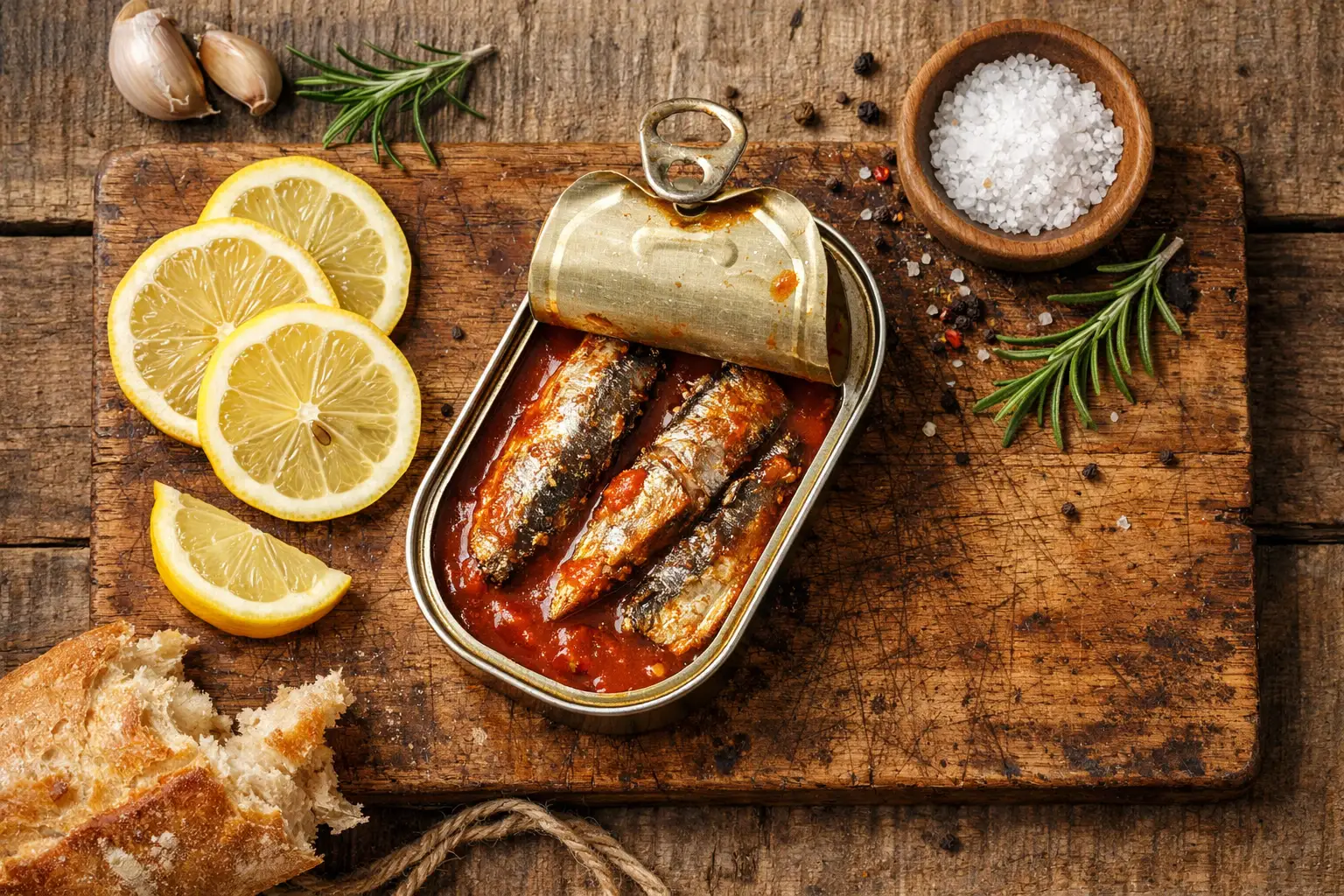
Quick Nutrition Facts
Per 100g Tinned Mackerel (drained)
| Nutrient | Amount |
|---|---|
| Calories | 156 kcal |
| Protein | 23g |
| Carbohydrates | 0g |
| Fiber | 0g |
| Sugars | 0g |
| Fat | 6.3g |
| Omega-3 | 1.8g |
| Vitamin B12 | 7.0mcg |
| Vitamin D | 7.3mcg |
| Selenium | 37.7mcg |
Macronutrient Breakdown
 ChatGPT
  Claude
  AI Mode
  Perplexity
NUTRITIONIST INSIGHT
Tinned mackerel provides 390% of daily vitamin B12 and nearly 50% of vitamin D in a single serving. The omega-3 content rivals fresh salmon at a fraction of the cost, making it one of the most nutrient-dense pantry staples available.
Myth Busters
MYTH #1: Canned Fish Has Less Nutrition Than Fresh
TRUTH: Tinned mackerel retains nearly all its omega-3 content through canning. Studies show canned fish provides comparable EPA and DHA levels to fresh, with added calcium from soft, edible bones.
MYTH #2: All Mackerel Is High in Mercury
TRUTH: Atlantic and Pacific mackerel are low in mercury and FDA-approved for 2-3 servings weekly. Only King mackerel should be avoided due to higher mercury levels.
MYTH #3: Tinned Mackerel Is Too High in Sodium
TRUTH: While canned fish contains added sodium (380mg per 100g), draining and rinsing reduces sodium by 30-40%. You can also find no-salt-added varieties. The heart benefits from omega-3s outweigh moderate sodium for most people.
MYTH #4: The Oil in Canned Fish Is Unhealthy
TRUTH: Mackerel canned in olive oil or its own juices provides additional heart-healthy monounsaturated fats. Avoid varieties in soybean or vegetable oils if you want optimal omega-6 to omega-3 ratio.
MYTH #5: Canned Fish Causes Inflammation
TRUTH: The opposite is true. Omega-3 fatty acids in mackerel are potent anti-inflammatory compounds that reduce CRP levels and protect against chronic inflammatory conditions.
NutriScore by Health Goals
| Health Goal | NutriScore | Why This Score? |
|---|---|---|
| Weight Loss |  | Zero carbs, 23g protein promotes satiety, omega-3s regulate appetite hormones. Ideal for low-carb and keto diets. |
| Muscle Gain | | Complete protein with all essential amino acids, anti-inflammatory omega-3s support recovery. |
| Diabetes Management | | Zero glycemic impact. Fish consumption is associated with improved insulin sensitivity and reduced diabetes complications. |
| PCOS Management | | Anti-inflammatory omega-3s help reduce PCOS symptoms, zero carbs won't spike insulin. |
| Pregnancy Nutrition |  | Rich in DHA for fetal brain development. FDA recommends 2-3 servings of low-mercury fish weekly during pregnancy. Avoid King mackerel. |
| Viral/Flu Recovery | | High protein for tissue repair, vitamin D supports immune function, easy to digest. |
PERSONALIZED NUTRITION
Track your meals with NutriScan for personalized NutriScores based on your specific health goals!
Blood Sugar Response to Tinned Mackerel
Understanding how tinned mackerel affects your blood glucose helps optimize meal timing and combinations.
Typical Glucose Response Curve
This chart shows typical blood glucose response for general healthy individuals. Individual responses may vary. Not medical advice.
How to Optimize Your Meal
Pairing protein-rich foods with fiber-containing vegetables further stabilizes blood sugar:
- Leafy greens - Add spinach or kale for fiber and micronutrients
- Whole grain crackers - Complex carbs for sustained energy without spikes
- Avocado - Healthy fats complement omega-3s
- Lemon juice - Enhances iron absorption and adds vitamin C
Tinned mackerel's zero-carb profile means virtually no blood sugar impact, making it ideal for stable energy.
Cultural Significance
Mackerel has been a dietary staple across maritime cultures for thousands of years.
In Japan:
- Saba (mackerel) is featured in traditional cuisine including sushi and grilled preparations
- Canned mackerel gained popularity post-WWII as affordable, shelf-stable protein
- Often served with rice, pickled ginger, and miso soup
In the UK & Europe:
- British "kippers" tradition - smoked mackerel for breakfast
- Mediterranean cultures use mackerel in pasta, salads, and tapas
- Portuguese conservas (tinned fish) culture celebrates quality canned seafood
In India:
- Bangda (mackerel) is popular in coastal regions of Maharashtra, Goa, and Kerala
- Prepared as curry, fried, or in rice dishes
- Affordable protein source for fishing communities
Global Impact:
- One of the most sustainable fish species when properly managed
- Canning industry provides shelf-stable nutrition for food-insecure regions
- Growing popularity in health-conscious consumers seeking affordable omega-3 sources
Compare & Substitute
Tinned Mackerel vs Other Canned Fish (Per 100g)
| Nutrient | Tinned Mackerel | Tinned Sardines | Tinned Salmon | Tinned Tuna |
|---|---|---|---|---|
| Calories | 156 kcal | 208 kcal | 142 kcal | 116 kcal |
| Protein | 23g | 21g | 20g | 26g |
| Fat | 6.3g | 11g | 6g | 1g |
| Omega-3 | 1.8g | 1.5g | 1.2g | 0.3g |
| Vitamin D | 7.3mcg | 4.8mcg | 17mcg | 1.7mcg |
| Calcium | 241mg | 382mg | 249mg | 11mg |
| Vitamin B12 | 7.0mcg | 8.9mcg | 4.7mcg | 2.1mcg |
| Best For | Omega-3, protein balance | Calcium, bone health | Vitamin D, mild flavor | Lean protein, low fat |
Frequently Asked Questions
Is tinned mackerel good for weight loss?
Tinned mackerel is excellent for weight loss. At 156 calories with 23g protein and zero carbs per 100g, it provides exceptional satiety. The omega-3 fatty acids help regulate appetite hormones like leptin and ghrelin.
Best practices: Eat 2-3 servings per week, pair with vegetables, choose varieties in water or olive oil rather than heavy sauces.
Can diabetics eat tinned mackerel?
Tinned mackerel is ideal for diabetics. With zero carbohydrates, it has no direct impact on blood sugar levels.
Benefits for diabetics:
- Zero glycemic index
- Omega-3s may improve insulin sensitivity
- High protein promotes stable energy
- Anti-inflammatory properties reduce diabetes-related complications
Always monitor your individual response and consult your healthcare provider.
How much omega-3 is in tinned mackerel?
A 100g serving of tinned mackerel provides approximately 1.8g of omega-3 fatty acids, including:
- EPA (eicosapentaenoic acid): 0.6g
- DHA (docosahexaenoic acid): 1.1g
- ALA and other omega-3s: 0.1g
This exceeds the daily recommended intake of 250-500mg for cardiovascular health benefits.
Is tinned mackerel safe during pregnancy?
Atlantic and Pacific tinned mackerel are safe during pregnancy with 2-3 servings per week. They provide DHA essential for fetal brain and eye development.
Pregnancy guidelines:
- Choose Atlantic, Pacific, or Chub mackerel (low mercury)
- Avoid King mackerel (high mercury)
- Limit to 2-3 servings (about 340g total) per week
- Combine with other low-mercury fish for variety
What's the difference between tinned mackerel and sardines?
Both are excellent omega-3 sources with some key differences:
- Protein: Mackerel has slightly more (23g vs 21g per 100g)
- Omega-3: Mackerel edges out sardines (1.8g vs 1.5g)
- Calcium: Sardines have more due to smaller, fully edible bones
- Flavor: Mackerel is richer and "fishier"; sardines are milder
- Texture: Mackerel has larger, meatier fillets
Choose based on your taste preference and specific nutritional needs.
How should I store tinned mackerel?
Unopened cans: Store in a cool, dry place for up to 3-5 years (check expiration date).
After opening:
- Transfer to an airtight container
- Refrigerate immediately
- Consume within 2-3 days
- Never store food in open cans
How much tinned mackerel should I eat per week?
2-3 servings (85-100g each) per week provides optimal benefits:
- 3-5g omega-3 weekly for heart health
- Sufficient vitamin D and B12
- Within safe mercury limits
- Sustainable consumption level
Athletes or those with higher protein needs may consume up to 4 servings weekly.


Similar Nutritious Foods
4505 Chicharrones Classic Chili Salt
7 Eleven Japan Crispy Corn Cheese
Explore More Nutrition Tools & Resources
AI Calorie Counter App - Snap a Photo, Get Macros
AI Nutritionist App That Reads Your Logged Meals
Best Protein Supplements for Women
Bulking Meal Plan App That Sets Your Surplus
ChatGPT Calorie Counter Alternative That Keeps the Total
ChatGPT Diet Plan Alternative That Tracks What You Eat
ChatGPT Weight Loss Coach Alternative With a Food Log
Fast Food Calorie Counter App That Reads the Tray
Free Calorie Tracker App with AI Photo Scans | NutriScan
Indian Diet Plan App With Veg and Non Veg Meals
Indian Food Calorie Calculator - Get Instant Nutrition Facts for Desi Meals — 2026
Intermittent Fasting for Women, Timer and Meal Log App
Intermittent Fasting Tracker App - Free Fasting Timer
Macro Tracker App That Fills the Numbers From a Photo
Mediterranean Diet Meal Plan App That Counts the Oil
Micronutrient Tracker App for Vitamins and Minerals
MyFitnessPal Alternative That Stays Free | NutriScan
NutriScore App: A Free Grade on Every Meal | NutriScan
Nutrition Label Scanner App for the Amount You Ate
Second Trimester Protein Guide
Vegetarian Meal Plan App With a Protein Target
Voice Calorie Counter - Speak to Track Meals Hands-Free
Water and Calorie Tracker App - Free Water Log