Tofu: Calories, Nutrition and Health Benefits
Plant-based protein powerhouse made from soybeans, offering complete amino acids, calcium, and versatility for every diet.
Calories depend on the style. Firm tofu is 80 kcal per 100 g, hard tofu set with nigari is 145 kcal, extra-firm nigari tofu is 83 kcal, and silken or soft tofu runs 55 to 62 kcal (USDA FoodData Central). Every number on this page is for firm tofu unless it says otherwise.
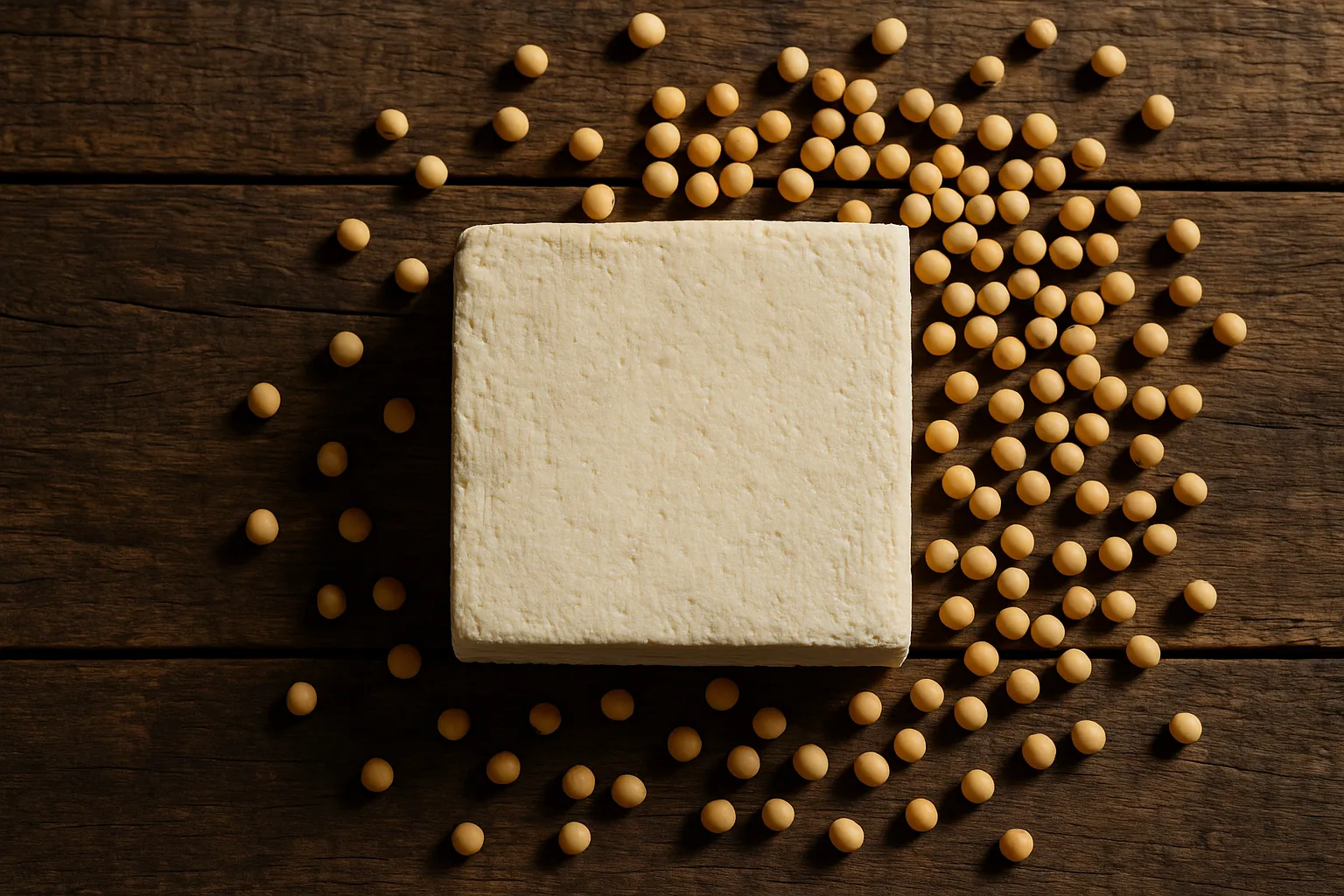
Quick Nutrition Facts
Per 100g (Firm Tofu)
| Nutrient | Amount |
|---|---|
| Calories | 80 kcal |
| Protein | 8g |
| Carbohydrates | 2g |
| Fiber | 1g |
| Sugars | 0.6g |
| Fat | 5g |
| Saturated Fat | 0.7g |
| Calcium | 350mg |
| Iron | 1.4mg |
| Magnesium | 30mg |
Other styles per 100 g (USDA FoodData Central): hard tofu set with nigari 145 kcal and 12.7g protein, extra-firm nigari 83 kcal, silken firm 62 kcal, silken soft 55 kcal, fried tofu 270 kcal.
Macronutrient Breakdown
 ChatGPT
  Claude
  AI Mode
  Perplexity
NUTRITIONIST INSIGHT
Tofu is a complete protein containing all 9 essential amino acids - rare for plant foods. Calcium-set tofu provides 35% of daily calcium needs per 100g, making it excellent for bone health on plant-based diets.
Tofu Nutrition Facts Per 100 g and Per Portion
Tofu nutrition sits in an unusual spot: real protein and real calcium at a calorie count closer to a vegetable than to a cheese. Here is the full profile for firm tofu.
| Nutrient | Per 100 g | Per 150 g portion |
|---|---|---|
| Calories | 80 kcal | 120 kcal |
| Protein | 8 g | 12 g |
| Carbohydrates | 2 g | 3 g |
| Sugars | 0.6 g | 0.9 g |
| Fiber | 1 g | 1.5 g |
| Fat | 5 g | 7.5 g |
| Saturated fat | 0.7 g | 1.05 g |
| Calcium | 350 mg | 525 mg |
| Iron | 1.4 mg | 2.1 mg |
| Magnesium | 30 mg | 45 mg |
Plain tofu is naturally low in sodium. Anything you taste as salty comes from the marinade, not the block.
Fat drives most of the calorie count: 5 g of fat supplies about 45 of the 80 calories, protein another 32. The calcium number depends on the coagulant, so blocks set with calcium sulfate hit the 350 mg mark while blocks set with nigari land far lower. Check the label if calcium is why you are buying it.
Tofu vs two close protein foods, per 100 g
| Per 100 g | Tofu | Tempeh | Paneer |
|---|---|---|---|
| Calories | 80 kcal | 193 kcal | 296 kcal |
| Protein | 8 g | 19 g | 18 g |
| Calcium | 350 mg | 111 mg | 700 to 800 mg |
Gram for gram, tempeh gives more than twice the protein because it is whole fermented soybean rather than pressed curd. Tofu wins on calories per gram of protein, which is why it fits a cut better than paneer does.
Myth Busters
MYTH #1: Soy Causes Hormone Problems in Men
TRUTH: Decades of research confirm moderate soy consumption (1-2 servings daily) doesn't affect testosterone or cause feminization. Soy isoflavones are 1,000-10,000x weaker than human estrogen and don't bind to the same receptors. Safe for men.
MYTH #2: Tofu Increases Breast Cancer Risk
TRUTH: Research shows soy consumption reduces breast cancer risk by 30%, especially when consumed in adolescence. Asian populations with lifelong soy intake have lower breast cancer rates. Soy is protective, not harmful.
MYTH #3: Soy Disrupts Thyroid Function
TRUTH: Soy doesn't cause thyroid problems in people with adequate iodine intake. Only those with pre-existing hypothyroidism and iodine deficiency need caution. Most people can eat tofu without thyroid concerns.
MYTH #4: Tofu Is Highly Processed and Unhealthy
TRUTH: Traditional tofu-making is simple: soybeans, water, coagulant (calcium/magnesium salt). It's minimally processed compared to fake meats or protein powders. Similar to making cheese from milk - a traditional preservation method.
MYTH #5: You Need Meat for Complete Protein
TRUTH: Tofu is a complete protein with all 9 essential amino acids. At 8g protein per 100g, a 150g serving provides 12g - equivalent to 2 eggs. Plant protein from tofu supports muscle growth just as effectively as animal protein.
MYTH #6: Tofu Has No Flavor
TRUTH: Plain tofu is neutral, making it versatile. It absorbs marinades and seasonings exceptionally well. Press it, marinate it, bake/fry/grill it - tofu takes on bold flavors. It's a blank canvas, not flavorless.
NutriScore by Health Goals
| Health Goal | NutriScore | Why This Score? |
|---|---|---|
| Weight Loss |  | Only 80 calories with 8g protein per 100g. High satiety, low calories, supports muscle retention during weight loss. |
| Muscle Gain |  | Complete protein with all essential amino acids. Pair with resistance training. Add tempeh (19g protein/100g) for variety. |
| Diabetes Management | | Soy protein improves insulin sensitivity and lowers HbA1c. Only 2g carbs, low GI, excellent meat replacement for blood sugar control. |
| PCOS Management | | Soy isoflavones may improve PCOS symptoms and insulin resistance. Low-calorie protein source supports weight management. |
| Pregnancy Nutrition | | Safe protein source with calcium and iron. Moderate intake (1-2 servings/day) beneficial. Avoid excessive amounts; variety is key. |
| Viral/Flu Recovery | | Gentle protein source when appetite is low. Easy to digest. Provides amino acids for immune function without heaviness of meat. |
PERSONALIZED NUTRITION
Track your plant-based protein intake with NutriScan for balanced nutrition on any diet!
Blood Sugar Response to Tofu
Tofu contains minimal carbohydrates (2g per 100g) and has virtually no impact on blood glucose levels, making it excellent for diabetes management and blood sugar control.
Blood Glucose Impact
Tofu has minimal blood sugar impact due to low carbs and high protein. Chart shows flat response. Individual responses may vary. Not medical advice.
Optimizing Tofu for Balanced Meals
Tofu pairs excellently with complex carbs and vegetables for complete nutrition:
- 🍚 Brown rice or quinoa - Adds fiber and complex carbohydrates
- 🥦 Steamed vegetables - Vitamins, minerals, and fiber
- 🥜 Nuts and seeds - Healthy fats and additional protein
- 🌶️ Spices and marinades - Flavor enhancement and antioxidants
Use tofu as your protein base in bowls, stir-fries, curries, and salads for balanced plant-based meals.
Cultural Significance
Tofu originated in China over 2,000 years ago during the Han Dynasty, spreading throughout Asia as a staple protein source.
In Asia:
- China: Called "doufu," essential in vegetarian Buddhist cuisine
- Japan: Varieties include silken (kinugoshi), firm (momen), freeze-dried (koya-dofu)
- Korea: "Dubu" used in stews (sundubu-jjigae) and fermented forms
- Southeast Asia: Deep-fried tofu, tofu skin, and tofu puddings
Global Adoption:
- 1960s-70s: Introduced to Western vegetarian communities
- 1990s: Mainstream acceptance as health food
- 2020s: Plant-based diet surge drives global demand
- Sustainable protein: Requires 75% less land and water than beef
Compare & Substitute
Tofu vs Other Protein Sources (Per 100g)
| Nutrient | 🟡 Firm Tofu | 🟤 Tempeh | 🍗 Chicken Breast | 🧀 Paneer |
|---|---|---|---|---|
| Calories | 80 kcal | 195 kcal | 165 kcal | 265 kcal |
| Protein | 8g | 19g | 31g | 18g |
| Carbs | 2g | 9g | 0g | 3g |
| Fiber | 1g | 6g | 0g | 0g |
| Fat | 5g | 11g | 3.6g | 21g |
| Calcium | 350mg | 111mg | 15mg | 208mg |
| Iron | 1.4mg | 2.7mg | 0.9mg | 0.2mg |
| Best For | Low-calorie, high-calcium | Higher protein, fermented | Lean animal protein | High-fat, rich flavor |
Frequently Asked Questions
Is tofu healthy?
Yes, tofu is very healthy. It's a complete protein source providing all 9 essential amino acids, low in calories (80 per 100g), rich in calcium (350mg when calcium-set), and contains minimal saturated fat.
Key benefits:
- Complete protein (8g per 100g)
- Bone health (calcium-fortified varieties)
- Heart health (lowers LDL cholesterol)
- Weight management (low calorie, high satiety)
Does tofu cause hormone problems?
No. This is one of the most persistent myths despite overwhelming scientific evidence to the contrary.
Facts:
- Soy isoflavones are 1,000-10,000x weaker than human estrogen
- They bind to different estrogen receptors (beta vs alpha)
- Studies show no effect on testosterone, sperm count, or feminization in men
- Asian populations consume 25-50g soy protein daily with no hormone issues
Conclusion: 1-2 servings (100-200g) of tofu daily is safe for everyone.
What are tofu nutrition facts and how much protein is in tofu?
Firm tofu contains 8g of protein per 100g. A typical serving size is 150g, providing 12g of protein - equivalent to 2 large eggs.
Protein content by type:
- Silken tofu: 5-6g per 100g
- Firm tofu: 8g per 100g
- Extra-firm tofu: 10g per 100g
- Tempeh (fermented soy): 19g per 100g
Tofu is a complete protein with all essential amino acids, making it an excellent meat replacement.
Can I eat tofu every day?
Yes, eating 1-2 servings (150-300g) of tofu daily is safe and healthy.
Evidence:
- Asian populations have consumed soy daily for centuries
- Associated with 30% lower heart disease risk
- Reduced risk of certain cancers
- No adverse hormonal effects
Variety tip: Rotate tofu with other plant proteins (tempeh, lentils, chickpeas, edamame) for nutritional diversity.
What is the difference between firm and silken tofu?
The difference lies in water content, texture, and culinary uses:
Firm/Extra-Firm Tofu:
- 80 calories per 100g
- Holds shape well
- Used for: stir-fries, grilling, baking, scrambles
- Press before cooking for crispier texture
Silken Tofu:
- 55 calories per 100g
- Soft, custard-like texture
- Used for: smoothies, puddings, sauces, soups, dressings
- Don't press; use as-is
Both have similar protein content; choose based on your recipe needs.
Is tofu good for weight loss?
Yes, tofu is excellent for weight loss:
Why it works:
- Low calorie density: Only 80 calories per 100g
- High protein: 8g per 100g promotes satiety and muscle retention
- Versatile: Can replace higher-calorie meats in meals
- Low saturated fat: 0.7g per 100g
Practical use: Substitute tofu for chicken, beef, or paneer in curries and stir-fries to save 50-150 calories per serving while maintaining protein intake.
How do I make tofu taste good?
Tofu absorbs flavors beautifully with proper preparation:
Step 1: Press It
- Remove excess water by pressing for 15-30 minutes
- Use tofu press or wrap in towels with weight on top
- Makes it firmer and better at absorbing marinades
Step 2: Marinate It
- Soy sauce, garlic, ginger for Asian flavors
- Lemon, herbs, nutritional yeast for Mediterranean
- BBQ sauce, smoked paprika for American
Step 3: Cook It Right
- Pan-fry: Crispy golden exterior
- Bake: 400°F for 25-30 min for firm texture
- Air-fry: Maximum crispiness with minimal oil
Step 4: Season Generously
- Tofu is a blank canvas - don't be shy with spices
Is tofu environmentally friendly?
Yes, tofu is one of the most environmentally sustainable protein sources.
Environmental impact (vs beef):
- 75% less land use
- 90% lower greenhouse gas emissions
- 95% less water consumption
- No antibiotics or methane production
Sustainability considerations:
- Choose organic tofu to avoid GMO soybeans
- Look for locally-produced when possible
- Avoid products linked to deforestation
Tofu is significantly more sustainable than any animal protein.


Similar Nutritious Foods
4505 Chicharrones Classic Chili Salt
7 Eleven Japan Crispy Corn Cheese
Explore More Nutrition Tools & Resources
AI Calorie Counter App - Snap a Photo, Get Macros
AI Nutritionist App That Reads Your Logged Meals
Best Protein Supplements for Women
Bulking Meal Plan App That Sets Your Surplus
ChatGPT Calorie Counter Alternative That Keeps the Total
ChatGPT Diet Plan Alternative That Tracks What You Eat
ChatGPT Weight Loss Coach Alternative With a Food Log
Fast Food Calorie Counter App That Reads the Tray
Free Calorie Tracker App with AI Photo Scans | NutriScan
Indian Diet Plan App With Veg and Non Veg Meals
Indian Food Calorie Calculator - Get Instant Nutrition Facts for Desi Meals — 2026
Intermittent Fasting for Women, Timer and Meal Log App
Intermittent Fasting Tracker App - Free Fasting Timer
Macro Tracker App That Fills the Numbers From a Photo
Mediterranean Diet Meal Plan App That Counts the Oil
Micronutrient Tracker App for Vitamins and Minerals
MyFitnessPal Alternative That Stays Free | NutriScan
NutriScore App: A Free Grade on Every Meal | NutriScan
Nutrition Label Scanner App for the Amount You Ate
Second Trimester Protein Guide
Vegetarian Meal Plan App With a Protein Target
Voice Calorie Counter - Speak to Track Meals Hands-Free
Water and Calorie Tracker App - Free Water Log