Tomato Salsa: Calories, Nutrition and Health Benefits
The ultimate low-calorie condiment packed with lycopene, antioxidants, and vibrant Mexican flavor for guilt-free eating.
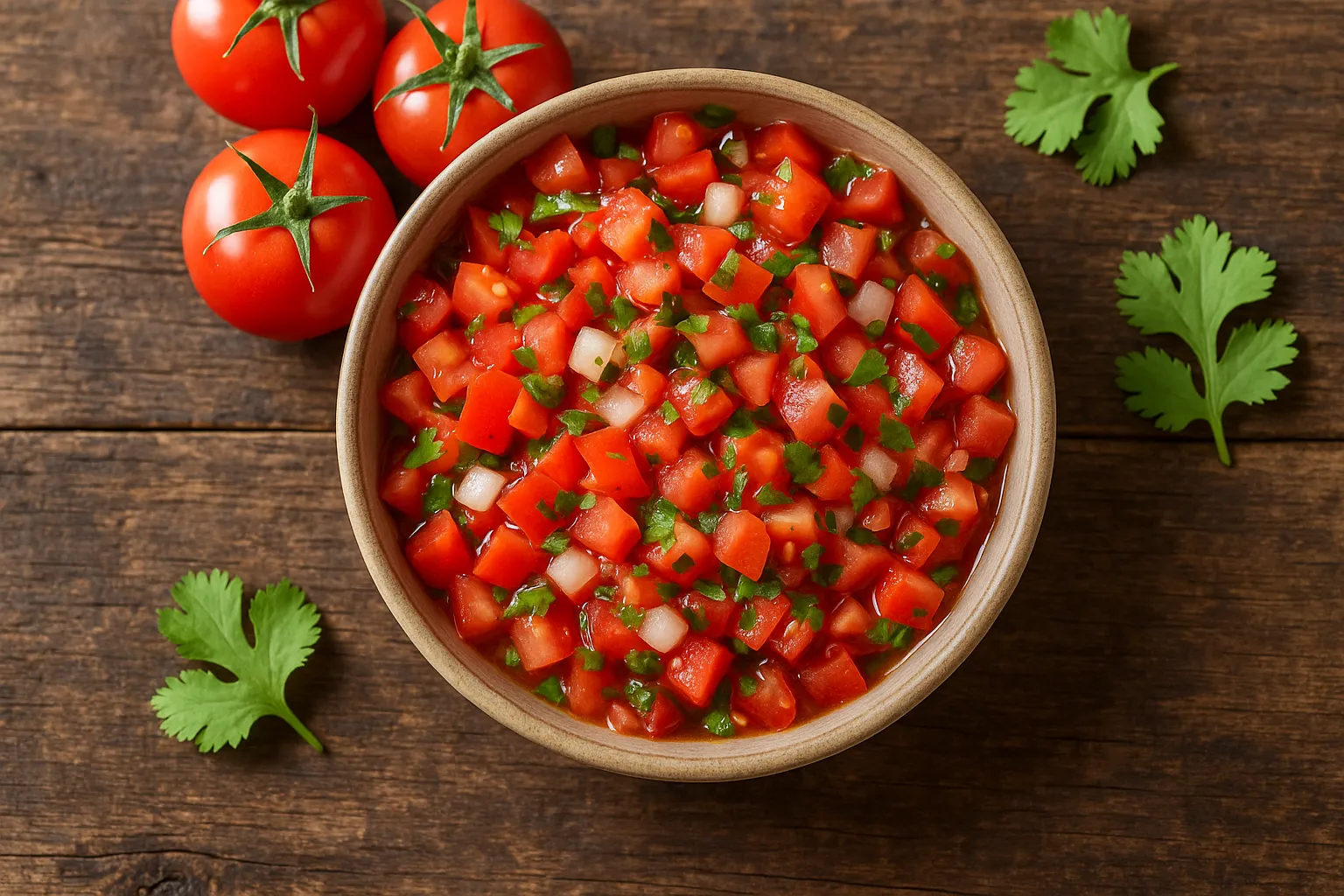
Quick Nutrition Facts
Per 100g Fresh Tomato Salsa
| Nutrient | Amount |
|---|---|
| Calories | 36 kcal |
| Protein | 1.5g |
| Carbohydrates | 8g |
| Fiber | 1.7g |
| Sugars | 4.1g |
| Fat | 0.2g |
| Vitamin C | 11mg |
| Vitamin A | 430 IU |
| Potassium | 218mg |
| Lycopene | 2.6mg |
Macronutrient Breakdown
 ChatGPT
  Claude
  AI Mode
  Perplexity
NUTRITIONIST INSIGHT
Tomato salsa is one of the healthiest condiments, offering powerful lycopene and antioxidants with minimal calories. Fresh salsa maximizes nutrient bioavailability and flavor without preservatives.
Myth Busters
MYTH #1: All Salsa is High in Sodium
TRUTH: Fresh homemade salsa contains only 5-10mg sodium per 100g. Commercial versions can exceed 400-600mg, but low-sodium options exist. Choose fresh or check labels for sodium content under 200mg per 100g.
MYTH #2: Salsa is Just Empty Calories
TRUTH: Tomato salsa provides lycopene (heart health), vitamin C (immunity), fiber (digestion), and multiple antioxidants from tomatoes, onions, peppers, and cilantro. It's nutrient-dense, not calorie-dense.
MYTH #3: Salsa Causes Weight Gain
TRUTH: At only 36 calories per 100g, salsa is one of the lowest-calorie condiments available. Weight gain comes from chips, tortillas, or high-calorie pairings—not the salsa itself. Use it to replace calorie-dense condiments.
MYTH #4: Store-Bought is Same as Fresh
TRUTH: Commercial salsa often contains added sugars (8-12g vs 4g in fresh), high sodium, preservatives, and reduced lycopene content. Fresh salsa retains maximum nutrients, natural flavor, and no additives.
MYTH #5: Salsa is Bad for Diabetes
TRUTH: Tomato salsa has a low glycemic index (38) and minimal impact on blood sugar. The fiber, low carbs (8g per 100g), and fresh vegetables make it diabetes-friendly. Avoid versions with added sugars.
MYTH #6: You Need Chips to Enjoy Salsa
TRUTH: Salsa is versatile beyond chips—use as topping for grilled chicken, fish, eggs, salads, or vegetables. Dip with cucumber, bell pepper, or whole-grain crackers for lower-calorie, nutrient-dense options.
NutriScore by Health Goals
| Health Goal | NutriScore | Why This Score? |
|---|---|---|
| Weight Loss |  | Ultra-low calorie (36 kcal per 100g), high flavor enhances satisfaction, 1.7g fiber promotes fullness. Perfect condiment replacement. |
| Muscle Gain |  | Low-calorie flavor addition to protein sources, vitamin C supports collagen and recovery, minimal fat allows macros flexibility. |
| Diabetes Management | | Low GI (38), only 8g carbs, no blood sugar spikes. Choose fresh versions without added sugars. |
| PCOS Management | | Low carbs, anti-inflammatory antioxidants, minimal impact on insulin. Supports hormone balance with nutrient density. |
| Pregnancy Nutrition | | Lycopene supports fetal development, vitamin C boosts immunity, folate from tomatoes and cilantro. |
| Viral/Flu Recovery | | High vitamin C (11mg per 100g), antioxidants support immunity, easy to digest, anti-inflammatory compounds aid recovery. |
PERSONALIZED NUTRITION
Track your meals with NutriScan for personalized NutriScores based on your specific health goals!
Blood Sugar Response to Tomato Salsa
Understanding how tomato salsa affects blood glucose demonstrates its excellent glycemic control properties.
Typical Glucose Response Curve
This chart shows typical blood glucose response for healthy individuals. Individual responses vary. Not medical advice.
How to Maximize Benefits
Pairing salsa with protein and fiber creates balanced meals with excellent glycemic control:
- 🥚 Scrambled eggs or egg whites - Protein-rich breakfast topping
- 🐟 Grilled fish or chicken - Lean protein enhancement
- 🥗 Leafy green salads - Additional fiber and nutrients
- 🥑 Avocado toast on whole grain - Healthy fats slow digestion
Salsa's low carb content and fiber make it naturally blood-sugar friendly, requiring no special modifications for most dietary needs.
Cultural Significance
Salsa originated in Mexico with the Aztec, Mayan, and Incan civilizations over 3,000 years ago, combining native tomatoes, peppers, and spices.
In Mexico:
- Essential component of Mexican cuisine across all regions
- Countless regional variations: salsa verde, salsa roja, pico de gallo, salsa macha
- Traditional preparation using molcajete (stone mortar and pestle)
- Served at every meal from breakfast to dinner
- Cultural pride in family salsa recipes passed through generations
In India:
- Growing popularity in urban areas through Mexican restaurant culture
- Fusion adaptations: salsa with Indian spices (cumin, coriander)
- Used as healthy chutney alternative for modern diets
- Popular among fitness enthusiasts for low-calorie meal enhancement
Global Impact:
- Salsa surpassed ketchup as America's #1 condiment in 1990s
- $800 million annual market in the United States alone
- Adopted worldwide as healthy condiment alternative
- Recognized as Mediterranean diet-compatible for heart health
Compare & Substitute
Tomato Salsa vs Similar Condiments (Per 100g)
| Nutrient | 🍅 Tomato Salsa | 🍅 Ketchup | 🥄 Mayonnaise | 🌶️ Hot Sauce |
|---|---|---|---|---|
| Calories | 36 kcal | 112 kcal | 680 kcal | 12 kcal |
| Carbs | 8g | 27g | 2.7g | 0.9g |
| Fiber | 1.7g | 0.3g | 0g | 0.5g |
| Protein | 1.5g | 1.2g | 1.1g | 1.3g |
| Fat | 0.2g | 0.1g | 75g | 0.9g |
| Vitamin C | 11mg | 4mg | 0mg | 7mg |
| Sodium | 430mg | 907mg | 620mg | 1,370mg |
| Sugar | 4.1g | 23g | 1.7g | 0.8g |
| Best For | Weight loss | Flavor | Keto | Spice lovers |
Frequently Asked Questions
Is tomato salsa good for weight loss?
Yes, tomato salsa is one of the best condiments for weight loss. With only 36 calories per 100g and 1.7g of fiber, it adds robust flavor without caloric burden.
Best practices: Replace high-calorie condiments (mayo, ranch) with salsa; use as topping for lean proteins; pair with vegetables for snacking; choose fresh or low-sodium versions. The capsaicin in peppers may boost metabolism slightly.
Can diabetics eat tomato salsa?
Yes, tomato salsa is highly diabetes-friendly with a low glycemic index (38) and only 8g carbohydrates per 100g. The fiber content slows sugar absorption further.
Tips for diabetics:
- Choose fresh salsa without added sugars (check labels showing <5g sugar per 100g)
- Watch sodium in commercial versions (aim for <200mg per 100g)
- Pair with protein-rich foods for balanced meals
- Use as flavor enhancer for vegetables and lean proteins
Fresh tomato salsa provides nutrients without blood sugar concerns. Always consult your healthcare provider for personalized advice.
What are the main health benefits of tomato salsa?
Key Benefits:
- Heart Health: Lycopene reduces cardiovascular disease risk; potassium supports blood pressure
- Cancer Prevention: Lycopene and antioxidants may reduce cancer risk
- Weight Management: Ultra-low calories allow unlimited consumption as condiment
- Immune Support: Vitamin C, onions, and garlic provide antimicrobial properties
- Digestive Health: Fiber supports gut health and regular bowel movements
- Anti-Inflammatory: Capsaicin and antioxidants reduce systemic inflammation
Is store-bought salsa as healthy as fresh?
Store-bought salsa can be healthy with careful label reading, but fresh is always superior for nutrition and flavor.
What to look for in store-bought:
- Ingredients: Tomatoes, onions, peppers, cilantro, lime as primary ingredients
- Sodium: Less than 200mg per 100g (fresh has 5-10mg)
- Sugar: Less than 5g per 100g (fresh has 4g natural)
- No preservatives: Avoid potassium sorbate, sodium benzoate
Benefits of fresh homemade:
- Maximum lycopene and vitamin C content
- Control over sodium and ingredients
- No added sugars or preservatives
- Superior taste and texture
Recommendation: Make fresh salsa in batches (lasts 5-7 days refrigerated) for optimal health benefits.
How much tomato salsa can I eat per day?
General Guidelines:
- 100-200g daily - Most adults as condiment or topping
- Unlimited as condiment - Weight loss (replaces high-calorie options)
- 100g with meals - Diabetes (low carbs make it unrestricted)
- 150-200g daily - Pregnancy (rich in folate and vitamins)
Watch sodium intake: Commercial salsa can contain 400-600mg per 100g. Limit total daily sodium from salsa to under 400mg (about 100g commercial or unlimited fresh).
Track your meals with NutriScan app to see how salsa fits your personal nutrition goals and sodium limits.
What makes tomato salsa healthier than ketchup?
Tomato salsa is significantly healthier than ketchup across multiple nutritional metrics:
Calorie Comparison:
- Salsa: 36 calories per 100g
- Ketchup: 112 calories per 100g (3x more)
Sugar Comparison:
- Salsa: 4g natural sugars (from tomatoes)
- Ketchup: 23g (mostly added sugars - nearly 6 teaspoons!)
Fiber & Nutrients:
- Salsa: 1.7g fiber, fresh vegetables, more vitamin C
- Ketchup: 0.3g fiber, highly processed, minimal nutrients
Sodium:
- Fresh salsa: 5-10mg (commercial: 430mg)
- Ketchup: 907mg per 100g
Recommendation: Replace ketchup with fresh salsa wherever possible for superior nutrition, lower calories, and authentic vegetable content.
Can I eat tomato salsa on a low-carb or keto diet?
Yes, tomato salsa is compatible with low-carb and keto diets when consumed in reasonable amounts.
Carb Content: 8g carbs per 100g (1.7g fiber = 6.3g net carbs)
Keto Guidelines:
- Limit to 50-100g per serving (3-6g net carbs)
- Use as flavor enhancer for proteins and vegetables
- Avoid chip pairings (use celery, cucumber, or pork rinds)
- Choose fresh or low-carb commercial versions (<5g sugar)
Tomato salsa provides flavor, nutrients, and satisfaction while fitting most low-carb macro targets. Monitor total daily carb intake based on your specific plan.


Similar Healthy Condiments
4505 Chicharrones Classic Chili Salt
7 Eleven Japan Crispy Corn Cheese
Explore More Nutrition Tools & Resources
AI Calorie Counter App - Snap a Photo, Get Macros
AI Nutritionist App That Reads Your Logged Meals
Best Protein Supplements for Women
Bulking Meal Plan App That Sets Your Surplus
ChatGPT Calorie Counter Alternative That Keeps the Total
ChatGPT Diet Plan Alternative That Tracks What You Eat
ChatGPT Weight Loss Coach Alternative With a Food Log
Fast Food Calorie Counter App That Reads the Tray
Free Calorie Tracker App with AI Photo Scans | NutriScan
Indian Diet Plan App With Veg and Non Veg Meals
Indian Food Calorie Calculator - Get Instant Nutrition Facts for Desi Meals — 2026
Intermittent Fasting for Women, Timer and Meal Log App
Intermittent Fasting Tracker App - Free Fasting Timer
Macro Tracker App That Fills the Numbers From a Photo
Mediterranean Diet Meal Plan App That Counts the Oil
Micronutrient Tracker App for Vitamins and Minerals
MyFitnessPal Alternative That Stays Free | NutriScan
NutriScore App: A Free Grade on Every Meal | NutriScan
Nutrition Label Scanner App for the Amount You Ate
Second Trimester Protein Guide
Vegetarian Meal Plan App With a Protein Target
Voice Calorie Counter - Speak to Track Meals Hands-Free
Water and Calorie Tracker App - Free Water Log