Tomatoes: Calories, Nutrition and Health Benefits
Nature's superfood packed with lycopene, vitamin C, and heart-protective antioxidants for every health goal.
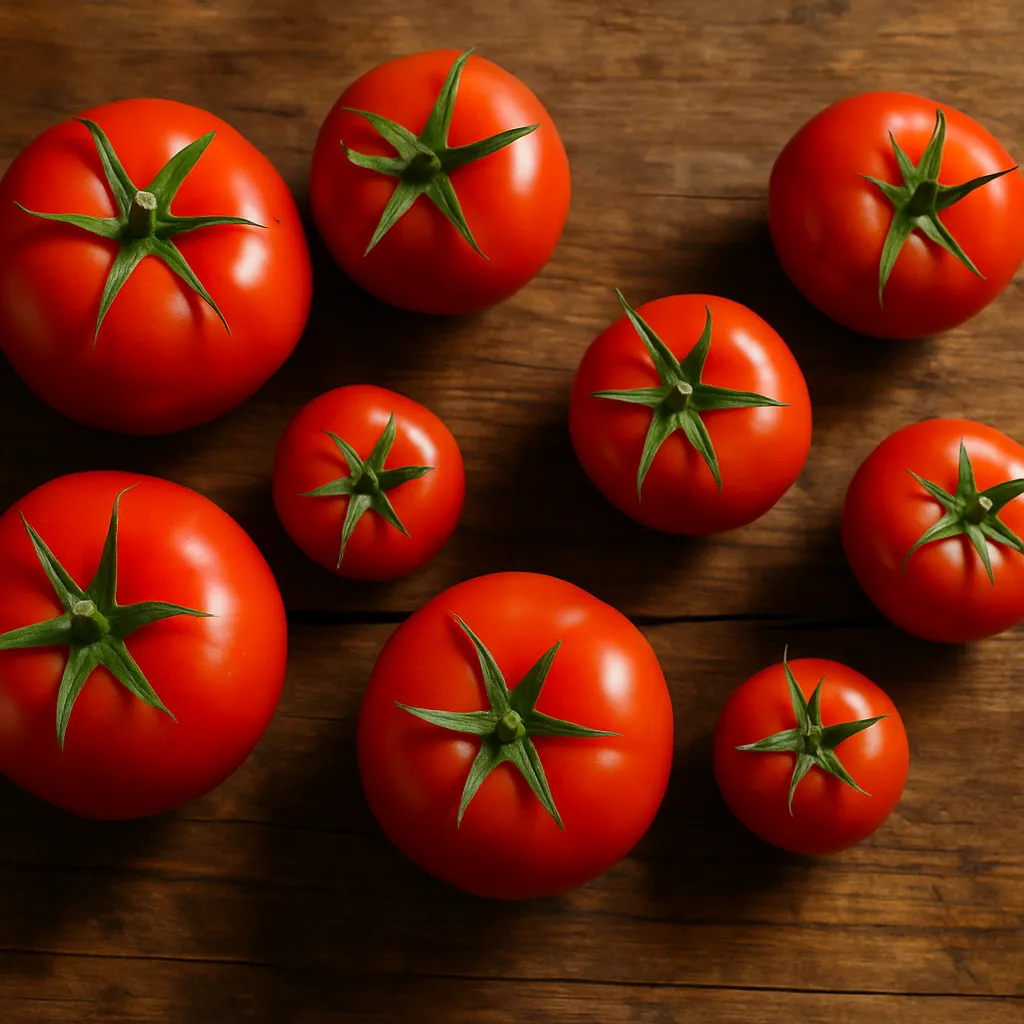
Quick Nutrition Facts
Per 1 Medium Tomato (123g)
| Nutrient | Amount |
|---|---|
| Calories | 23 kcal |
| Protein | 1.2g |
| Carbohydrates | 5g |
| Fiber | 1.5g |
| Sugars | 3g |
| Fat | 0.2g |
| Potassium | 292mg |
| Vitamin C | 16.9mg |
| Lycopene | 3-5mg |
| Magnesium | 12mg |
Macronutrient Breakdown
 ChatGPT
  Claude
  AI Mode
  Perplexity
NUTRITIONIST INSIGHT
Tomatoes are 95% water, making them the ultimate low-calorie, high-volume food. The lycopene (responsible for red color) is a carotenoid that increases 3-fold when cooked, making tomato sauce more nutrient-dense than raw tomatoes. Pair with healthy fats like olive oil to maximize absorption.
Myth Busters
MYTH #1: Tomatoes Cause Inflammation
TRUTH: Tomatoes are anti-inflammatory powerhouses. Lycopene has demonstrated anti-inflammatory properties in multiple studies, protecting against chronic diseases including heart disease and cancer.
MYTH #2: Tomatoes Are High in Sugar
TRUTH: A medium tomato has only 3g natural sugar with 1.5g fiber. The natural sugars don't spike blood glucose, especially when paired with protein or healthy fats. Perfect for diabetes management.
MYTH #3: All Tomato Products Contain Too Much Sodium
TRUTH: Fresh tomatoes are naturally sodium-free. Commercial tomato sauce may have added salt, but fresh tomatoes, paste, and canned varieties without added salt remain excellent low-sodium choices. Read labels carefully.
MYTH #4: Tomato Seeds Are Unhealthy
TRUTH: Tomato seeds are completely safe and nutritious. They contain fiber, minerals, and antioxidants. The seed gel contains beneficial compounds. Eat seeds without concern.
MYTH #5: Green Tomatoes Are Unripe and Nutritionally Inferior
TRUTH: Green (unripe) tomatoes contain tomatine, a protective alkaloid with anticancer potential shown in preliminary research. Fried green tomatoes are a legitimate culinary tradition. Ripeness determines sugar content, not nutritional value.
NutriScore by Health Goals
| Health Goal | NutriScore | Why This Score? |
|---|---|---|
| Weight Loss |  | Only 23 calories, 95% water, 1.5g fiber, high volume. Unlimited consumption. Excellent for satiety without calorie burden. |
| Muscle Gain |  | Provides potassium (prevents cramps), vitamins, minimal calories. Pair with protein source for balanced nutrition. |
| Diabetes Management | | GI 15, minimal sugar (3g), high fiber. Lycopene associated with improved insulin sensitivity. No portion limits needed. |
| PCOS Management | | Low glycemic load, anti-inflammatory lycopene, minimal sugars. Supports insulin sensitivity goals. |
| Pregnancy Nutrition | | Rich in folate (24mcg), vitamin C for immunity, potassium. Lycopene supports fetal development. Safe unlimited consumption. |
| Viral/Flu Recovery | | High vitamin C (16.9mg), easy to digest, hydrating. Lycopene boosts immune response. Excellent recovery food. |
PERSONALIZED NUTRITION
Track your meals with NutriScan for personalized NutriScores based on your specific health goals!
Blood Sugar Response to Tomato
Tomatoes have minimal impact on blood glucose due to low sugar content and high fiber.
Typical Glucose Response Curve
*This chart shows typical blood glucose response for general healthy individuals. Individual responses may vary. Not medical advice.*
How to Maximize Absorption
Pairing tomatoes with healthy fats significantly increases lycopene bioavailability:
- 🫒 Olive oil - Mediterranean pairing, doubles lycopene absorption
- 🥑 Avocado - Healthy fats enhance antioxidant uptake
- 🧀 Cheese - Fat-based absorption, adds protein and calcium
- 🌰 Nuts & Seeds - Complete nutrition, boost mineral absorption
Cultural Significance
Tomatoes originated in Mexico and Central America over 2,000 years ago, becoming essential to Mediterranean and Indian cuisines.
In India:
- Essential ingredient in curries, chutneys, and sambar (South Indian staple)
- Tomato-based gravies are foundational to Indian cooking
- Locally grown year-round in regions like Maharashtra, Karnataka, Andhra Pradesh
- Used fresh in Indian salads (kachumber) and preserved as chutneys
- Ayurvedic medicine values tomatoes for digestive health
Global Impact:
- World's most consumed vegetable (170+ million tons annually)
- Italy leads in processing; Mexico in fresh production
- Lycopene research has transformed tomato from basic vegetable to functional food
- Tomato paste, sauce, and juice rank among world's most valuable processed foods
Compare & Substitute
Tomato vs Similar Vegetables (Per 100g)
| Nutrient | 🍅 Tomato | 🥒 Cucumber | 🌶️ Red Pepper | 🥬 Spinach |
|---|---|---|---|---|
| Calories | 18 kcal | 16 kcal | 37 kcal | 23 kcal |
| Carbs | 3.9g | 3.6g | 9g | 3.6g |
| Fiber | 1.2g | 0.5g | 1.7g | 2.2g |
| Protein | 0.9g | 0.6g | 0.9g | 2.9g |
| Fat | 0.2g | 0.1g | 0.3g | 0.4g |
| Vitamin C | 13.7mg | 3.2mg | 127.7mg | 28.1mg |
| Potassium | 237mg | 147mg | 211mg | 558mg |
| Best For | Cooking, salads, antioxidants | Hydration, low-calorie snack | Vitamin C, sweet flavor | Protein, iron, folate |
Frequently Asked Questions
Are tomatoes good for weight loss?
Yes, tomatoes are one of the best weight-loss foods. At 18 calories per 100g with 95% water content and 1.5g fiber per medium tomato, they promote fullness without calorie burden. Unlimited consumption recommended for weight loss goals.
Can diabetics eat tomatoes?
Absolutely. Tomatoes have GI 15 (very low), minimal sugar (3g per medium), and high fiber. Research shows lycopene may improve insulin sensitivity and reduce diabetes complications. No portion limits needed.
What is lycopene and why is it important?
Lycopene is a carotenoid antioxidant responsible for tomato's red color. Raw tomatoes contain 3-5mg per medium fruit; cooked/processed tomatoes contain 15-20mg per 100g. Studies link lycopene to reduced heart disease risk, prostate health, and cancer prevention. Absorption increases 3-fold with healthy fats (olive oil) and cooking.
Are raw or cooked tomatoes healthier?
Both offer benefits. Cooking increases bioavailable lycopene 3-fold through cell wall breakdown; raw tomatoes retain more heat-sensitive vitamin C. Optimal strategy: consume both; use cooked tomato paste with olive oil for maximum lycopene absorption.
How much potassium is in a tomato?
A medium tomato contains 292mg potassium (8% DV). Three medium tomatoes provide 876mg, meeting 25% of daily potassium needs. Beneficial for blood pressure regulation and muscle function.
Can I eat tomatoes if I have acid reflux?
Tomato acidity (pH 4.0-4.9) can trigger reflux in sensitive individuals. If you have GERD, limit quantity, consume with food, and avoid processed tomato products. Cooking reduces perceived acidity. Consult healthcare provider for personalized advice.




Similar Nutritious Vegetables
4505 Chicharrones Classic Chili Salt
7 Eleven Japan Crispy Corn Cheese
Explore More Nutrition Tools & Resources
AI Calorie Counter App - Snap a Photo, Get Macros
AI Nutritionist App That Reads Your Logged Meals
Best Protein Supplements for Women
Bulking Meal Plan App That Sets Your Surplus
ChatGPT Calorie Counter Alternative That Keeps the Total
ChatGPT Diet Plan Alternative That Tracks What You Eat
ChatGPT Weight Loss Coach Alternative With a Food Log
Fast Food Calorie Counter App That Reads the Tray
Free Calorie Tracker App with AI Photo Scans | NutriScan
Indian Diet Plan App With Veg and Non Veg Meals
Indian Food Calorie Calculator - Get Instant Nutrition Facts for Desi Meals — 2026
Intermittent Fasting for Women, Timer and Meal Log App
Intermittent Fasting Tracker App - Free Fasting Timer
Macro Tracker App That Fills the Numbers From a Photo
Mediterranean Diet Meal Plan App That Counts the Oil
Micronutrient Tracker App for Vitamins and Minerals
MyFitnessPal Alternative That Stays Free | NutriScan
NutriScore App: A Free Grade on Every Meal | NutriScan
Nutrition Label Scanner App for the Amount You Ate
Second Trimester Protein Guide
Vegetarian Meal Plan App With a Protein Target
Voice Calorie Counter - Speak to Track Meals Hands-Free
Water and Calorie Tracker App - Free Water Log