Vanilla Ice Cream Cup: Calories, Nutrition and Health Facts
America's favorite frozen dessert featuring pure vanilla flavor, creamy texture, and comforting sweetness that pairs perfectly with any occasion.
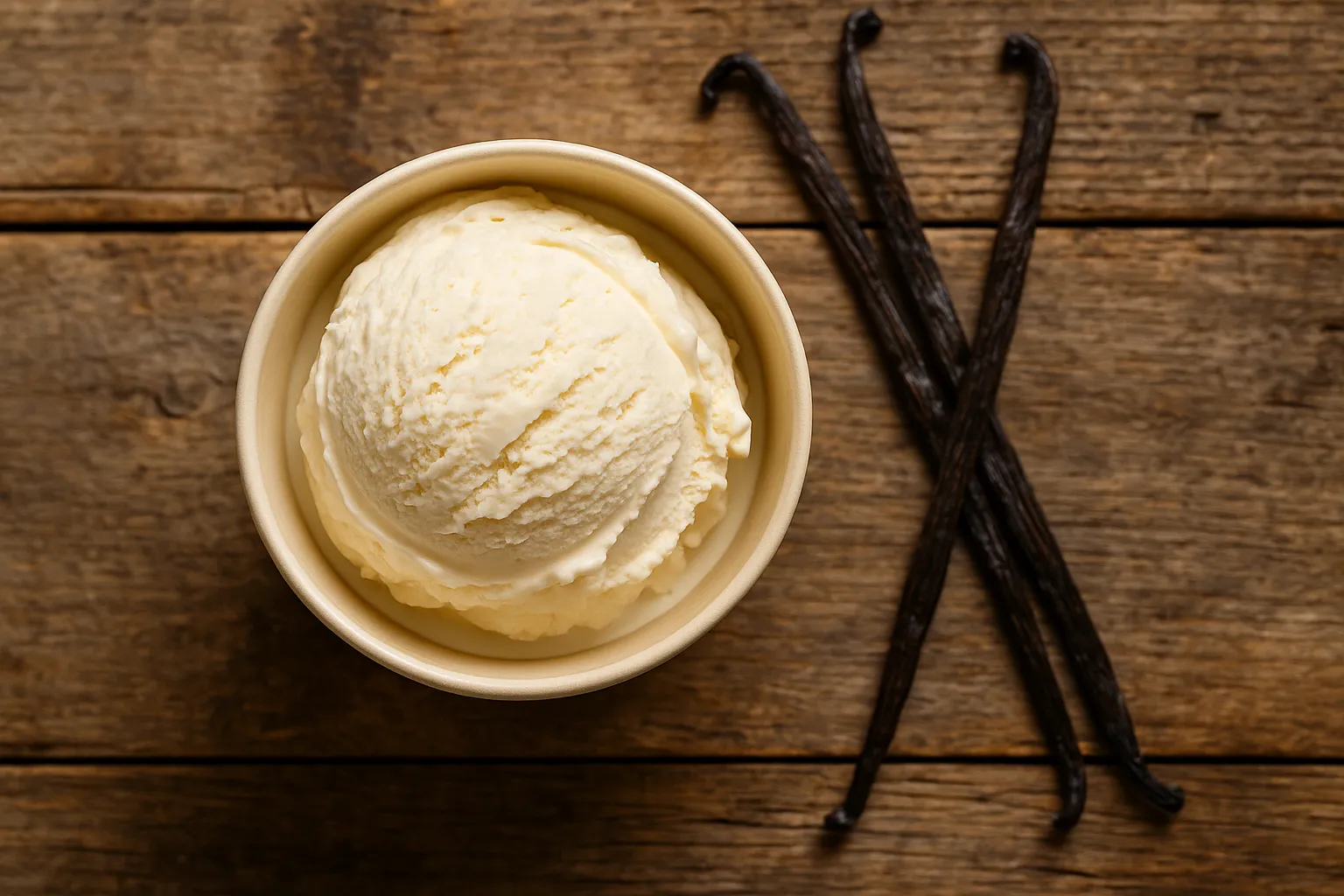
Quick Nutrition Facts
Per 1/2 Cup (68g)
| Nutrient | Amount |
|---|---|
| Calories | 137 kcal |
| Protein | 2.4g |
| Carbohydrates | 16g |
| Fiber | 0.3g |
| Sugars | ~14g |
| Fat | 7.5g |
| Saturated Fat | 4.6g |
| Calcium | 87mg |
| Potassium | 131mg |
| Vitamin D | 0.2mcg |
Macronutrient Breakdown
 ChatGPT
  Claude
  AI Mode
  Perplexity
NUTRITIONIST INSIGHT
Vanilla ice cream has a remarkably low glycemic index of 34 (lower than whole wheat bread), making it one of the better dessert choices for blood sugar control. Premium brands with 14%+ fat provide better satiety and slower sugar absorption than low-fat alternatives.
Myth Busters
MYTH #1: Vanilla Ice Cream Is Boring and Less Nutritious
TRUTH: Real vanilla extract contains over 250 flavor compounds, making it one of the most complex flavors. Nutritionally, vanilla ice cream provides the same calcium, protein, and fat as other flavors without added colorings. Pure vanilla extract also offers trace antioxidants.
MYTH #2: Ice Cream Always Causes Blood Sugar Spikes
TRUTH: Vanilla ice cream has a glycemic index of just 34, lower than whole wheat bread (GI 69) or brown rice (GI 68). The fat and protein content slows sugar absorption significantly. However, portion control remains essential due to calories and sugar content.
MYTH #3: Low-Fat Vanilla Ice Cream Is the Healthy Choice
TRUTH: Low-fat ice cream often contains more sugar and additives to compensate for taste and texture. The fat in regular ice cream helps slow sugar absorption, leading to better blood sugar control and increased satiety. Full-fat versions may help you eat less overall.
MYTH #4: French Vanilla Is Just Marketing Hype
TRUTH: French vanilla contains egg yolks, creating a true custard base with richer flavor and texture. It provides more protein than regular vanilla and has a distinctive pale yellow color. The egg yolks add nutrients including choline and vitamin D.
MYTH #5: Ice Cream Has No Place in a Healthy Diet
TRUTH: Ice cream provides calcium (9% DV per 1/2 cup), protein, phosphorus, and vitamin D. Research shows dairy consumption, including ice cream in moderation, is associated with lower type 2 diabetes risk. The key is portion control and frequency, not complete elimination.
MYTH #6: Vanilla Extract in Ice Cream Is Artificial
TRUTH: Premium ice cream brands use pure vanilla extract from vanilla beans, which contains over 250 natural compounds. Budget brands may use vanillin (synthetic). Check labels for "vanilla extract" or "vanilla beans" vs "artificial vanilla flavor" to identify quality.
NutriScore by Health Goals
| Health Goal | NutriScore | Why This Score? |
|---|---|---|
| Weight Loss |  | 137 calories per 1/2 cup adds up quickly; high sugar (14g) and saturated fat. Occasional treat only (1-2x weekly), strict portion control required. |
| Muscle Gain |  | Low protein (2.4g) for muscle building. Post-workout carbs provide quick energy, but better protein sources exist. Calcium supports bone health during training. |
| Diabetes Management |  | Low GI (34) is excellent, but 14g sugar per serving requires monitoring. Ice cream may have protective effects against T2D when consumed in moderation. |
| PCOS Management | | High sugar affects insulin sensitivity. If consuming, choose full-fat premium versions (lower GI), limit to 1/4 cup, and pair with protein or nuts. |
| Pregnancy Nutrition | | Provides calcium (9% DV) and vitamin D but high sugar intake during pregnancy increases GDM risk. Occasional treat, not daily consumption. |
| Viral/Flu Recovery | | Soothing for sore throat, easy to digest, provides quick energy and calcium. Cold temperature numbs throat pain. However, better protein sources exist for immune support. |
PERSONALIZED NUTRITION
Track your meals with NutriScan for personalized NutriScores based on your specific health goals!
Blood Sugar Response to Vanilla Ice Cream
Understanding how vanilla ice cream affects your blood glucose helps you make informed dessert choices.
Typical Glucose Response Curve
This chart shows typical blood glucose response for healthy individuals. Ice cream's high fat content significantly slows sugar absorption. Individual responses vary. Not medical advice.
How to Further Minimize Blood Sugar Impact
Pairing ice cream with protein and fiber creates an even more stable blood sugar response:
- 🥜 Walnuts or pecans - Adds omega-3 fats, protein, and additional texture
- 🫐 Fresh berries - Adds fiber and antioxidants without excessive calories
- ☕ Coffee or espresso - Classic affogato combination that may improve insulin sensitivity
- ⏰ Eat after meals - Consuming ice cream as dessert after a balanced meal reduces glucose spike
This combination maximizes satiety and minimizes metabolic impact.
Cultural Significance
Vanilla ice cream originated in 18th century France and became America's most beloved frozen dessert by the 1800s.
In American Culture:
- #1 ice cream flavor in the US, accounting for 28% of all sales
- Traditional accompaniment to apple pie ("à la mode" since 1890s)
- Served at state dinners and presidential events since Thomas Jefferson
- National Vanilla Ice Cream Day celebrated July 23rd
Global Variations:
- Italy: Gelato alla vaniglia with intense flavor and dense texture
- France: Glace à la vanille using Madagascar vanilla beans
- Japan: Soft-serve vanilla as premium street food
- Commercial production uses 18,000 tons of vanilla annually (world's 2nd most expensive spice)
Vanilla Bean Origins:
- Madagascar produces 80% of world's vanilla beans
- Mexico: Original source, using Vanilla planifolia orchids
- Tahiti: Produces floral vanilla with unique flavor profile
Compare & Substitute
Vanilla Ice Cream vs Similar Frozen Desserts (Per 100g)
| Nutrient | 🍦 Vanilla Ice Cream | 🍦 French Vanilla | 🍓 Strawberry Ice Cream | 🍦 Vanilla Frozen Yogurt | 🍦 Vanilla Gelato |
|---|---|---|---|---|---|
| Calories | 201 kcal | 220 kcal | 192 kcal | 159 kcal | 220 kcal |
| Carbs | 23.6g | 22g | 27.6g | 24g | 29g |
| Fiber | 0.5g | 0g | 0.9g | 0.5g | 0g |
| Protein | 3.5g | 4.2g | 3.2g | 4.5g | 4.5g |
| Fat | 11g | 13g | 8.4g | 5g | 10g |
| Saturated Fat | 6.8g | 8g | 5.2g | 3g | 6g |
| Calcium | 128mg | 135mg | 120mg | 150mg | 130mg |
| Sugar | 21g | 20g | 18g | 18g | 25g |
| Best For | Classic versatility | Richest flavor | Lower fat option | Higher protein | Creamiest texture |
Frequently Asked Questions
Is vanilla ice cream healthy?
Vanilla ice cream is a treat, not a health food. A 1/2 cup has 137 calories, 14g sugar, and 4.6g saturated fat.
Nutritional positives: Provides 9% of daily calcium needs; vitamin D (2% DV); low glycemic index of 34; contains protein (2.4g).
Best approach: Enjoy occasionally (1-2x weekly), control portions strictly (1/2 cup max), choose premium brands with real vanilla extract and higher fat content for better satiety and blood sugar control.
Can diabetics eat vanilla ice cream?
Diabetics can eat vanilla ice cream in moderation. Ice cream has a remarkably low glycemic index of 34 (lower than whole wheat bread) due to its fat content, which slows sugar absorption.
Tips for diabetics: Limit to 1/4 cup portions (8g carbs); choose full-fat premium versions over low-fat (better blood sugar control); eat after meals, not alone; pair with protein like nuts; some research suggests moderate dairy intake may reduce T2D risk.
Monitor blood sugar 2 hours after eating and consult your healthcare provider.
How many calories are in vanilla ice cream?
Standard servings: 1/2 cup (68g) = 137 calories; 1 cup (136g) = 274 calories; 100g = 201 calories.
Calories vary significantly by type: Premium brands (14-16% fat) = 250-290 cal per 1/2 cup; Regular brands (10-12% fat) = 130-160 cal per 1/2 cup; Low-fat versions (3-5% fat) = 90-120 cal per 1/2 cup; French vanilla = 150-180 cal per 1/2 cup.
Actual portions consumed are often 1-2 cups, delivering 270-550 calories. Use measuring cups to control intake.
What's the difference between French vanilla and regular vanilla?
French vanilla uses an egg custard base, creating richer flavor, pale yellow color, and higher protein content (4.2g vs 3.5g per 100g). Contains egg yolks, providing choline and additional vitamin D.
Regular vanilla uses a cream base without eggs, resulting in white color and lighter flavor that better showcases pure vanilla extract.
Calories: French vanilla has slightly more (220 vs 201 per 100g) due to egg yolks and higher fat content. Both should be consumed in moderation.
Why is vanilla ice cream so popular?
Vanilla accounts for 28% of all US ice cream sales due to its versatile, neutral profile that pairs with everything from pies and brownies to coffee and fruit.
Flavor complexity: Pure vanilla extract contains over 250 flavor compounds, providing subtle depth without overwhelming. Cultural history: Vanilla became a luxury ingredient in 18th century Europe, establishing its premium status. Pairing ability: Enhances rather than competes with other flavors.
Premium vanilla ice cream made with real vanilla beans (not artificial vanillin) offers the best flavor experience.
Is vanilla ice cream safe during pregnancy?
Commercially-made vanilla ice cream is safe during pregnancy as it uses pasteurized milk and pasteurized eggs (for French vanilla). Avoid homemade ice cream with raw eggs.
Benefits: Provides calcium for fetal bone development (9% DV per serving); vitamin D for calcium absorption; easy to digest.
Cautions: High sugar intake during pregnancy increases risk of gestational diabetes and excessive weight gain. Limit to occasional treat (1-2x weekly), control portions (1/2 cup max), pair with protein or berries.
What's the best portion size for weight loss?
For weight loss, limit to 1/2 cup (137 calories) 1-2 times per week maximum. This fits into a calorie deficit when properly accounted for.
Portion control strategies: Use a measuring cup every time; eat from a small bowl (8 oz) to prevent overeating; have it after a balanced meal to reduce cravings; pair with fresh berries to add volume and fiber; eat slowly to enhance satisfaction.
Lower-calorie alternatives for more frequent treats: Vanilla frozen yogurt (80 cal per 1/2 cup); vanilla protein "ice cream" (90 cal); frozen banana "nice cream" with vanilla extract (85 cal).
Should I choose premium or regular vanilla ice cream?
Choose premium vanilla ice cream for better satiety, blood sugar control, and flavor.
Premium advantages (14-16% fat): Lower glycemic response; better satiety (may eat less overall); real vanilla extract vs artificial; simpler ingredient list; richer taste allows satisfaction with smaller portions.
Premium disadvantages: Higher calories (250-290 vs 130-160 per serving); higher saturated fat (5-7g vs 2-3g); more expensive.
Best choice: Premium full-fat for occasional treats (better satisfaction); low-fat or frozen yogurt for more frequent smaller portions if following a low-saturated fat diet.


Similar Nutritious Foods
4505 Chicharrones Classic Chili Salt
7 Eleven Japan Crispy Corn Cheese
Explore More Nutrition Tools & Resources
AI Calorie Counter App - Snap a Photo, Get Macros
AI Nutritionist App That Reads Your Logged Meals
Best Protein Supplements for Women
Bulking Meal Plan App That Sets Your Surplus
ChatGPT Calorie Counter Alternative That Keeps the Total
ChatGPT Diet Plan Alternative That Tracks What You Eat
ChatGPT Weight Loss Coach Alternative With a Food Log
Fast Food Calorie Counter App That Reads the Tray
Free Calorie Tracker App with AI Photo Scans | NutriScan
Indian Diet Plan App With Veg and Non Veg Meals
Indian Food Calorie Calculator - Get Instant Nutrition Facts for Desi Meals — 2026
Intermittent Fasting for Women, Timer and Meal Log App
Intermittent Fasting Tracker App - Free Fasting Timer
Macro Tracker App That Fills the Numbers From a Photo
Mediterranean Diet Meal Plan App That Counts the Oil
Micronutrient Tracker App for Vitamins and Minerals
MyFitnessPal Alternative That Stays Free | NutriScan
NutriScore App: A Free Grade on Every Meal | NutriScan
Nutrition Label Scanner App for the Amount You Ate
Second Trimester Protein Guide
Vegetarian Meal Plan App With a Protein Target
Voice Calorie Counter - Speak to Track Meals Hands-Free
Water and Calorie Tracker App - Free Water Log