Varenyky: Calories, Nutrition and Health Benefits
Traditional Ukrainian comfort food with satisfying carbs, moderate protein, and endless filling possibilities for every health goal.
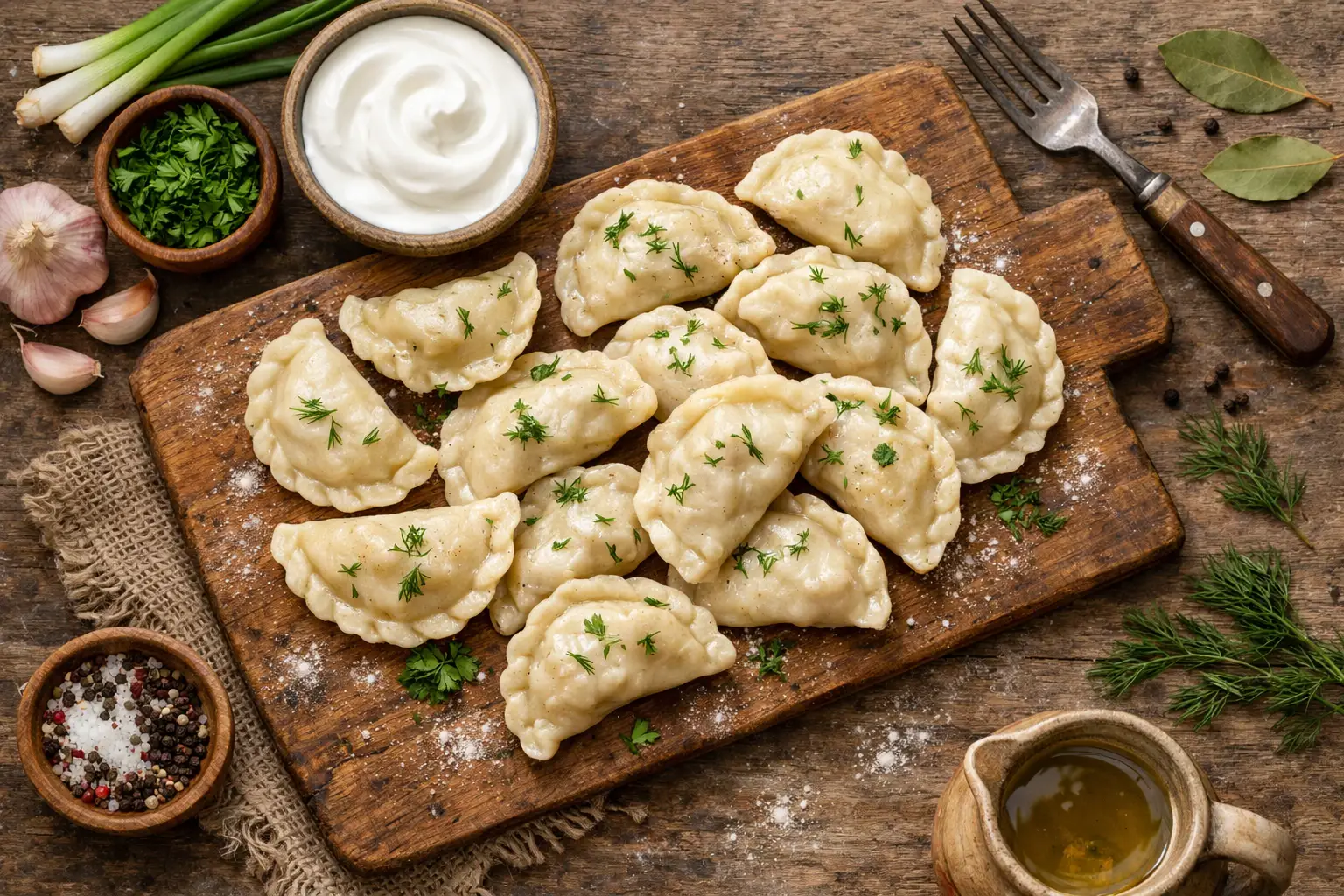
Quick Nutrition Facts
Per 100g Boiled Potato-Cheese Varenyky
| Nutrient | Amount |
|---|---|
| Calories | 125 kcal |
| Protein | 3.5g |
| Carbohydrates | 20g |
| Fiber | 1.3g |
| Sugars | 1.5g |
| Fat | 2g |
| Sodium | 280mg |
| Potassium | 120mg |
| Iron | 1.2mg |
| Calcium | 35mg |
Macronutrient Breakdown
 ChatGPT
  Claude
  AI Mode
  Perplexity
NUTRITIONIST INSIGHT
Varenyky provide sustained energy from complex carbohydrates while being naturally low in fat when boiled. Chilling cooked potatoes increases resistant starch, which may improve blood sugar response when reheated.
Myth Busters
MYTH #1: Varenyky Are Too High in Calories for Weight Loss
TRUTH: At 125 calories per 100g, boiled varenyky are comparable to rice or pasta. The key is portion control (3 pieces = ~188 cal) and choosing boiled over fried. Fiber and protein from fillings promote satiety.
MYTH #2: All Varenyky Are Equally Unhealthy
TRUTH: Nutrition varies dramatically by filling and cooking method. Sweet cherry varenyky have more sugar, while sauerkraut-filled ones are lower in carbs. Boiling keeps calories 25-40% lower than frying.
MYTH #3: Varenyky Cause Rapid Blood Sugar Spikes
TRUTH: The combination of protein from cheese fillings and resistant starch from cooled potatoes can moderate glycemic response. Resistant starch in chilled potatoes acts like fiber and improves glucose tolerance.
MYTH #4: Homemade Varenyky Are Always Healthier
TRUTH: Homemade varenyky can be healthier when you control ingredients, but traditional recipes often include generous butter and sour cream. Store-bought versions may actually have more consistent, moderate fat content.
MYTH #5: Diabetics Cannot Eat Varenyky
TRUTH: Diabetics can enjoy varenyky with smart modifications: limit to 2-3 pieces, choose cheese or sauerkraut fillings over potato-only, pair with vegetables, and opt for cooled then reheated varenyky for increased resistant starch.
NutriScore by Health Goals
| Health Goal | NutriScore | Why This Score? |
|---|---|---|
| Weight Loss |  | 125 cal/100g is moderate. Limit to 3 pieces, choose boiled over fried, pair with vegetables. |
| Muscle Gain | | Provides carbs for energy (20g/100g) but only 3.5g protein. Add cottage cheese or meat filling for better protein. |
| Diabetes Management | | Moderate GI from potato filling. Choose chilled then reheated for more resistant starch, pair with protein, limit portions. |
| PCOS Management | | Carb-rich food affects insulin. Limit to 2 pieces, choose sauerkraut or cheese fillings, add protein sides. |
| Pregnancy Nutrition |  | Good energy source, carbohydrates support fetal development. Iron from dough helps prevent anemia. |
| Viral/Flu Recovery | | Easy to digest, comforting, provides quick energy. Serve with broth for added hydration and nutrients. |
PERSONALIZED NUTRITION
Track your meals with NutriScan for personalized NutriScores based on your specific health goals!
Blood Sugar Response to Varenyky
Understanding how varenyky affect your blood glucose can help you make informed decisions about when and how to eat them.
Typical Glucose Response Curve
This chart shows typical blood glucose response for general healthy individuals. Individual responses may vary. Not medical advice.
How to Flatten the Spike
Pairing carbohydrates with protein and fat slows glucose absorption and reduces the peak blood sugar level:
- Sour cream or Greek yogurt - Adds protein and fat to slow digestion
- Sauteed vegetables - Fiber slows glucose absorption
- Cottage cheese filling - Protein-rich option inside the dumpling
- Serve cooled then reheated - Increases resistant starch content
This combination not only reduces the glucose spike but also extends energy release, keeping you fuller for longer.
Cultural Significance
Varenyky are one of Ukraine's most beloved national dishes, with roots dating back centuries in Eastern European cuisine.
In Ukraine:
- Central to celebrations like Christmas Eve (12 traditional dishes) and weddings
- Each region has signature variations and fillings
- Historically a peasant food that became beloved across all social classes
- Varenyky festivals celebrate this culinary tradition annually
Global Impact:
- Similar dumplings exist across Eastern Europe: pierogi (Poland), pelmeni (Russia), kolduny (Lithuania)
- Ukrainian diaspora spread varenyky to North America, where they're now mainstream
- Commercial frozen varenyky make this comfort food accessible worldwide
- Part of UNESCO intangible cultural heritage discussions
Compare & Substitute
Varenyky vs Similar Dumplings (Per 100g, Boiled)
| Nutrient | Varenyky | Pierogi | Pelmeni | Gyoza |
|---|---|---|---|---|
| Calories | 125 kcal | 130 kcal | 180 kcal | 200 kcal |
| Carbs | 20g | 22g | 18g | 25g |
| Fiber | 1.3g | 1.5g | 1g | 1.2g |
| Protein | 3.5g | 4g | 10g | 7g |
| Fat | 2g | 2.5g | 8g | 8g |
| Sodium | 280mg | 300mg | 420mg | 480mg |
| Best For | Low-fat comfort food | Similar to varenyky | Higher protein needs | Asian fusion meals |
Frequently Asked Questions
How many calories are in varenyky?
Boiled potato-cheese varenyky contain approximately 125 calories per 100g. A typical serving of 3 varenyky (~150g) provides about 188 calories. Fried varenyky add 25-40 extra calories due to oil absorption.
Calories by filling type (per 3 pieces):
- Potato-cheese: ~188 calories
- Sauerkraut: ~165 calories
- Cherry (sweet): ~210 calories
- Meat: ~220 calories
Are varenyky healthy?
Varenyky can be part of a balanced diet when prepared mindfully. They provide complex carbohydrates for sustained energy and moderate protein when filled with cheese.
Healthiest choices:
- Boil instead of fry (saves 25-40 calories)
- Choose vegetable or cheese fillings over fatty meat
- Serve with Greek yogurt instead of butter
- Pair with a side salad for added fiber and nutrients
Can diabetics eat varenyky?
Diabetics can enjoy varenyky with smart modifications. The potato filling has a moderate glycemic index, but combining strategies can improve blood sugar response.
Tips for diabetics:
- Limit to 2-3 pieces per meal
- Choose cheese or sauerkraut fillings over potato-only
- Serve cooled then reheated for more resistant starch
- Always pair with protein and vegetables
- Monitor blood sugar 2 hours after eating
What's the difference between varenyky and pierogi?
Varenyky (Ukrainian) and pierogi (Polish) are essentially the same type of dumpling with regional variations. Both use similar wheat flour dough wrapped around various fillings.
Key differences:
- Varenyky often include sweet fruit fillings (cherries, blueberries)
- Pierogi traditionally feature more savory options
- Regional seasoning preferences vary
- Serving traditions differ (sour cream vs. onions vs. bacon)
How should I cook varenyky for lowest calories?
Boiling is the healthiest method at 125 calories per 100g. Drop fresh or frozen varenyky into salted boiling water and cook until they float (3-5 minutes for fresh, 5-7 for frozen).
Avoid or limit:
- Pan-frying in butter (adds 25-40 calories per serving)
- Deep-frying (doubles the calorie content)
- Excessive sour cream or butter toppings
Healthier topping alternatives:
- Plain Greek yogurt (protein boost, lower fat)
- Light sour cream
- Sauteed onions (minimal oil)
- Fresh herbs like dill
How many varenyky should I eat?
General guidelines:
- Weight loss: 3 pieces (~188 cal) with vegetables
- Maintenance: 4-5 pieces as part of balanced meal
- Athletes/High activity: 6-8 pieces for carb loading
- Diabetes: Limit to 2-3 pieces with protein
A typical restaurant serving is 6-8 varenyky (300-400 calories before toppings). Consider sharing or taking half home for better portion control.


Similar Nutritious Foods
4505 Chicharrones Classic Chili Salt
7 Eleven Japan Crispy Corn Cheese
Explore More Nutrition Tools & Resources
AI Calorie Counter App - Snap a Photo, Get Macros
AI Nutritionist App That Reads Your Logged Meals
Best Protein Supplements for Women
Bulking Meal Plan App That Sets Your Surplus
ChatGPT Calorie Counter Alternative That Keeps the Total
ChatGPT Diet Plan Alternative That Tracks What You Eat
ChatGPT Weight Loss Coach Alternative With a Food Log
Fast Food Calorie Counter App That Reads the Tray
Free Calorie Tracker App with AI Photo Scans | NutriScan
Indian Diet Plan App With Veg and Non Veg Meals
Indian Food Calorie Calculator - Get Instant Nutrition Facts for Desi Meals — 2026
Intermittent Fasting for Women, Timer and Meal Log App
Intermittent Fasting Tracker App - Free Fasting Timer
Macro Tracker App That Fills the Numbers From a Photo
Mediterranean Diet Meal Plan App That Counts the Oil
Micronutrient Tracker App for Vitamins and Minerals
MyFitnessPal Alternative That Stays Free | NutriScan
NutriScore App: A Free Grade on Every Meal | NutriScan
Nutrition Label Scanner App for the Amount You Ate
Second Trimester Protein Guide
Vegetarian Meal Plan App With a Protein Target
Voice Calorie Counter - Speak to Track Meals Hands-Free
Water and Calorie Tracker App - Free Water Log