Whole Wheat Pancakes: Calories, Nutrition and Health Benefits
A nutritious breakfast staple made with whole grain flour, offering more fiber, protein, and nutrients than traditional pancakes.
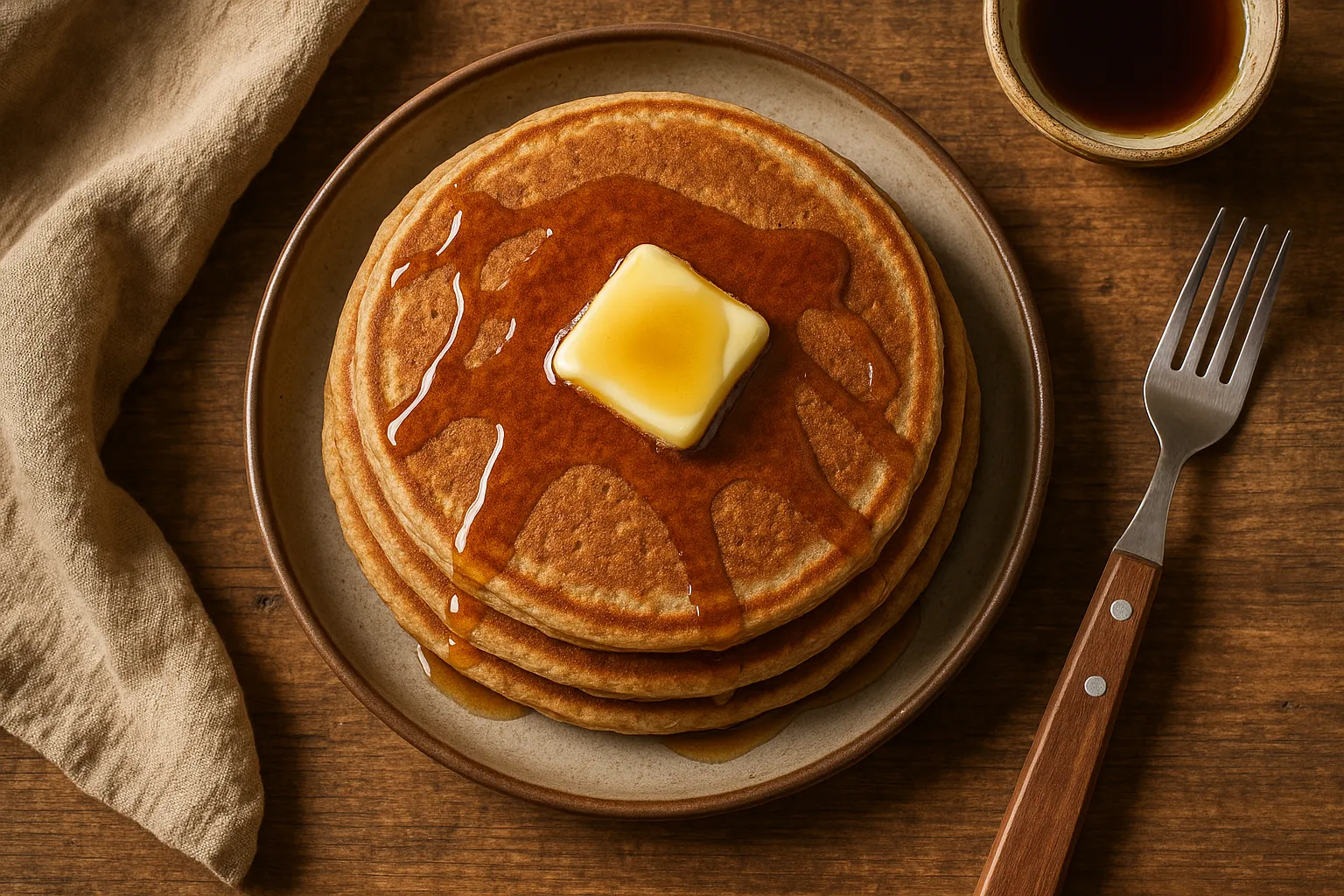
Quick Nutrition Facts
Per 2 Medium Pancakes (77g)
| Nutrient | Amount |
|---|---|
| Calories | 160 kcal |
| Protein | 6.5g |
| Carbohydrates | 22.6g |
| Fiber | 2.3g |
| Sugars | 3.1g |
| Fat | 5g |
| Iron | 2.1mg |
| Phosphorus | 231mg |
| Thiamin (B1) | 0.12mg |
| Niacin (B3) | 2.3mg |
Macronutrient Breakdown
 ChatGPT
  Claude
  AI Mode
  Perplexity
NUTRITIONIST INSIGHT
Whole wheat pancakes provide 3 times more fiber than regular pancakes, helping maintain steady blood sugar levels and promoting digestive health. The whole grain content supports cardiovascular health and provides sustained energy throughout the morning.
Myth Busters
MYTH #1: Whole Wheat Pancakes Are Just as Bad as Regular Pancakes
TRUTH: Whole wheat pancakes contain significantly more fiber, protein, and nutrients than refined flour pancakes. The whole grain flour has a lower glycemic index and provides better blood sugar control, making them a healthier breakfast choice.
MYTH #2: All Pancakes Should Be Avoided on a Diet
TRUTH: Whole grains themselves aren't fattening. Whole wheat pancakes with healthy toppings can fit into weight loss plans. The key is portion control (2 pancakes), protein pairing, and avoiding excessive syrup or butter.
MYTH #3: Pancakes Have No Nutritional Value
TRUTH: Whole wheat pancakes provide B vitamins essential for energy metabolism, iron for oxygen transport, phosphorus for bone health, and fiber for digestive function. They're a legitimate source of complex carbohydrates and protein when made with whole grains.
MYTH #4: Diabetics Must Completely Avoid Pancakes
TRUTH: Diabetics can enjoy whole wheat pancakes in moderation. With a moderate GI of 61 compared to refined pancakes (>70), whole wheat versions cause smaller blood sugar spikes. Pair with protein and limit to 1-2 pancakes per meal.
MYTH #5: Homemade and Store-Bought Are the Same
TRUTH: Homemade whole wheat pancakes typically contain less sodium and no preservatives. Store-bought mixes often have 620mg sodium per serving. Making pancakes from scratch allows control over ingredients and sugar content.
NutriScore by Health Goals
| Health Goal | NutriScore | Why This Score? |
|---|---|---|
| Weight Loss |  | 160 calories per serving, 2.3g fiber promotes fullness. Limit syrup, pair with protein. Better than regular pancakes. |
| Muscle Gain | | 6.5g protein per serving, complex carbs for energy. Add eggs, Greek yogurt, or protein powder for enhanced muscle recovery. |
| Diabetes Management |  | Moderate GI (61). Better than refined pancakes. Limit to 1-2, pair with protein and healthy fat, avoid sugary toppings. |
| PCOS Management | | Whole grains help insulin sensitivity. Limit portion to 1-2 pancakes, choose protein toppings (Greek yogurt, nut butter). |
| Pregnancy Nutrition | | B vitamins support fetal development, iron prevents anemia, fiber aids digestion. Safe, nutritious choice. |
| Viral/Flu Recovery | | Easy to digest, provides energy, B vitamins support immune function. Gentle on upset stomach. |
PERSONALIZED NUTRITION
Track your meals with NutriScan for personalized NutriScores based on your specific health goals!
Blood Sugar Response to Whole Wheat Pancakes
Understanding how whole wheat pancakes affect blood glucose helps you make better topping and pairing choices.
Typical Glucose Response Curve
This chart shows typical blood glucose response for general healthy individuals. Individual responses may vary. Not medical advice.
How to Flatten the Spike
Pairing whole wheat pancakes with protein or healthy fat slows glucose absorption and provides sustained energy:
- 🥚 Scrambled or boiled eggs - Complete protein source with healthy fats
- 🥛 Greek yogurt - High protein, probiotics for gut health
- 🥜 Peanut or almond butter - Healthy fats slow digestion
- 🥓 Turkey bacon or lean sausage - Protein without excessive saturated fat
Avoid pairing with maple syrup alone; if using syrup, limit to 1-2 tablespoons and ensure adequate protein on the plate.
Cultural Significance
Pancakes are one of the oldest prepared foods, with evidence dating back to ancient Greece and Rome around 600 BC.
In India:
- Whole wheat pancakes similar to traditional "cheela" or "dosa" concepts
- Modern fusion breakfast combining Western style with healthier whole grain approach
- Growing popularity in health-conscious urban households
- Often served with honey, fruit, or savory toppings like vegetables
Global Impact:
- Every culture has a version: American pancakes, French crêpes, Russian blini, Ethiopian injera
- Whole grain movement started in 1960s-70s with health awareness
- Modern breakfast staple in hotels, cafes, and home kitchens worldwide
- Sustainable when made with locally-sourced whole wheat flour
Compare & Substitute
Whole Wheat Pancakes vs Similar Breakfast Options (Per 100g)
| Nutrient | 🥞 Whole Wheat Pancakes | 🥞 Regular Pancakes | 🥐 Whole Wheat Waffles | 🍞 Whole Wheat Toast |
|---|---|---|---|---|
| Calories | 208 kcal | 227 kcal | 291 kcal | 247 kcal |
| Carbs | 29.4g | 32.1g | 38.7g | 41.3g |
| Fiber | 3g | 1g | 2.7g | 6.8g |
| Protein | 8.5g | 5.7g | 7.9g | 12.5g |
| Fat | 6.5g | 8.3g | 10.6g | 3.5g |
| Iron | 2.7mg | 1.8mg | 2.4mg | 2.8mg |
| Sugar | 4g | 5.5g | 6.2g | 5.1g |
| Best For | Balanced breakfast | Occasional treat, quick prep | Weekend brunch, crispy tex | Weight loss, high protein |
Frequently Asked Questions
Are whole wheat pancakes good for weight loss?
Yes, whole wheat pancakes can support weight loss goals. At 160 calories per 2 pancakes, they provide 2.3g fiber that promotes satiety and reduces overall calorie intake throughout the day.
Best practices: Limit to 2 pancakes per meal; top with fresh berries, Greek yogurt, or nut butter instead of syrup; pair with protein source (eggs, turkey bacon); eat for breakfast when metabolism is highest.
Can diabetics eat whole wheat pancakes?
Diabetics can eat whole wheat pancakes in moderation. With a moderate GI of 61, they cause less dramatic blood sugar spikes than refined flour pancakes (GI 70-85).
Tips for diabetics:
- Limit portion to 1-2 pancakes (15-23g carbs)
- Always pair with protein and healthy fat
- Avoid sugary toppings; use sugar-free syrup or fresh fruit
- Monitor blood sugar 2 hours after eating
- Best timing: breakfast or brunch, not late evening
Whole wheat flour contains more fiber than refined flour, which helps slow glucose absorption. Always consult your healthcare provider for personalized advice.
How much protein is in whole wheat pancakes?
2 medium whole wheat pancakes (77g) contain 6.5g of protein, approximately 50% more than regular pancakes. The whole wheat flour provides more complete amino acid profile than refined flour.
For enhanced protein content, add protein powder to batter, serve with Greek yogurt, or pair with eggs.
What are the main health benefits of whole wheat pancakes?
Key Benefits:
- Digestive Health: 3g fiber per 100g supports regular bowel movements and gut bacteria
- Sustained Energy: Complex carbs provide steady glucose release without crashes
- Heart Health: Whole grains reduce cardiovascular disease risk by 20-30%
- Nutrient Dense: B vitamins for metabolism, iron for oxygen transport, phosphorus for bones
- Blood Sugar Control: Lower GI than refined pancakes reduces diabetes risk
- Weight Management: Higher fiber and protein promote fullness and reduce overeating
Are whole wheat pancakes healthier than regular pancakes?
Yes, whole wheat pancakes are significantly healthier. Key differences:
Whole Wheat Pancakes:
- 3g fiber per 100g (vs 1g in regular)
- 8.5g protein per 100g (vs 5.7g in regular)
- Lower glycemic index (61 vs 70-85)
- More B vitamins, iron, magnesium, phosphorus
- Contains beneficial phytonutrients and antioxidants
Regular/Refined Pancakes:
- Faster blood sugar spike
- Less satiety and fullness
- Fewer micronutrients
- Higher sugar content
Recommendation: Choose whole wheat pancakes for regular consumption, save refined pancakes for occasional treats.
What are the healthiest toppings for whole wheat pancakes?
Best Toppings for Nutrition:
- Fresh Berries: Blueberries, strawberries, raspberries - high antioxidants, low calories
- Greek Yogurt: Adds 10-15g protein, probiotics for gut health
- Nut Butter: Almond, peanut, cashew - healthy fats slow digestion
- Sliced Banana: Potassium, natural sweetness
- Chia Seeds or Flaxseeds: Omega-3 fats, additional fiber
- Sugar-Free Fruit Compote: Sweetness without refined sugar
- Cinnamon: Blood sugar control, no calories
Limit These:
- Maple syrup (1-2 tbsp max, 52 calories per tbsp)
- Butter (use 1 tsp, 34 calories)
- Whipped cream (save for special occasions)
- Chocolate chips (high sugar, empty calories)
Track your pancake meals with NutriScan app to see how different toppings affect your nutrition goals.
Can I eat whole wheat pancakes every day?
Yes, whole wheat pancakes can be part of a daily healthy breakfast rotation, but variety is important.
For Daily Consumption:
- Limit to 2 pancakes per serving (160 calories)
- Rotate with other whole grain breakfasts (oatmeal, whole grain toast, quinoa bowls)
- Always include protein source (eggs, Greek yogurt, nuts)
- Add vegetables when possible (spinach, zucchini in batter)
- Control toppings (limit syrup, add fruit)
Weekly Recommendation: 3-4 times per week maximum; alternate with other nutritious breakfasts for balanced nutrient intake.


Similar Nutritious Foods
4505 Chicharrones Classic Chili Salt
7 Eleven Japan Crispy Corn Cheese
Explore More Nutrition Tools & Resources
AI Calorie Counter App - Snap a Photo, Get Macros
AI Nutritionist App That Reads Your Logged Meals
Best Protein Supplements for Women
Bulking Meal Plan App That Sets Your Surplus
ChatGPT Calorie Counter Alternative That Keeps the Total
ChatGPT Diet Plan Alternative That Tracks What You Eat
ChatGPT Weight Loss Coach Alternative With a Food Log
Fast Food Calorie Counter App That Reads the Tray
Free Calorie Tracker App with AI Photo Scans | NutriScan
Indian Diet Plan App With Veg and Non Veg Meals
Indian Food Calorie Calculator - Get Instant Nutrition Facts for Desi Meals — 2026
Intermittent Fasting for Women, Timer and Meal Log App
Intermittent Fasting Tracker App - Free Fasting Timer
Macro Tracker App That Fills the Numbers From a Photo
Mediterranean Diet Meal Plan App That Counts the Oil
Micronutrient Tracker App for Vitamins and Minerals
MyFitnessPal Alternative That Stays Free | NutriScan
NutriScore App: A Free Grade on Every Meal | NutriScan
Nutrition Label Scanner App for the Amount You Ate
Second Trimester Protein Guide
Vegetarian Meal Plan App With a Protein Target
Voice Calorie Counter - Speak to Track Meals Hands-Free
Water and Calorie Tracker App - Free Water Log