Yerba Madre Energy Blend: Calories, Nutrition and Health Benefits
A clean, organic energy drink with just 5 calories per can, 80mg natural caffeine from yerba mate, and zero artificial sweeteners.
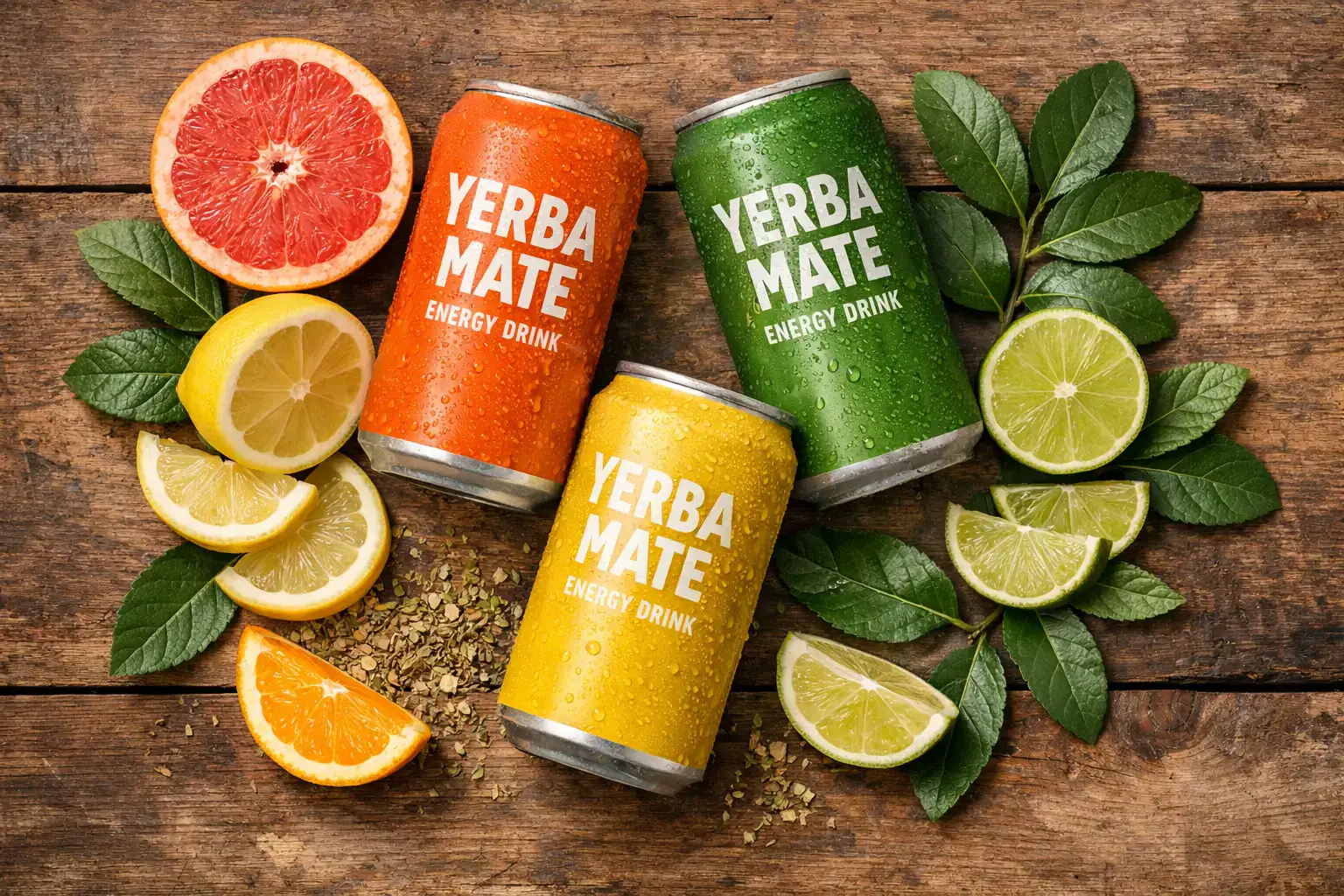
Quick Nutrition Facts
Per 1 Can (12 fl oz / 355ml)
| Nutrient | Amount |
|---|---|
| Calories | 5 kcal |
| Protein | 0g |
| Carbohydrates | 1g |
| Fiber | 0g |
| Sugars | <1g |
| Fat | 0g |
| Caffeine | 80mg |
| Sodium | 0mg |
| Vitamin C | 0mg |
| Potassium | 10mg |
Macronutrient Breakdown
 ChatGPT
  Claude
  AI Mode
  Perplexity
NUTRITIONIST INSIGHT
Yerba Madre delivers clean energy with 80mg natural caffeine and just 5 calories per can. Unlike synthetic energy drinks, yerba mate provides polyphenols and antioxidants that support cardiovascular health and reduce inflammation alongside the energy boost.
Myth Busters
MYTH #1: All Energy Drinks Are Unhealthy
TRUTH: Yerba Madre has only 5 calories, zero artificial sweeteners, and organic ingredients. Unlike conventional energy drinks with 200+ calories and synthetic caffeine, yerba mate provides antioxidants comparable to green tea while delivering smooth, sustained energy.
MYTH #2: Yerba Mate Causes Cancer
TRUTH: Early studies linked very hot mate consumption (above 65C) to esophageal cancer risk. This is a temperature issue, not an ingredient issue. Cold or room-temperature yerba mate products like Yerba Madre carry no such risk and actually contain cancer-fighting antioxidants.
MYTH #3: Zero-Calorie Drinks Must Contain Artificial Sweeteners
TRUTH: Yerba Madre achieves its near-zero calorie count through organic brewed yerba mate and natural citrus extracts, not artificial sweeteners like aspartame or sucralose. The minimal sweetness comes from trace organic sugars in the brew itself.
MYTH #4: Plant-Based Caffeine Is Weaker Than Synthetic
TRUTH: Caffeine is the same molecule whether from yerba mate or a lab. However, yerba mate's caffeine comes packaged with theobromine and L-theanine analogs that provide smoother energy uptake and reduce jitters compared to isolated synthetic caffeine.
MYTH #5: Energy Drinks Dehydrate You
TRUTH: Yerba Madre is 99% water. While caffeine has a mild diuretic effect, the net hydration from caffeinated beverages is still positive at moderate doses. One can of Yerba Madre contributes to daily fluid intake rather than depleting it.
NutriScore by Health Goals
| Health Goal | NutriScore | Why This Score? |
|---|---|---|
| Weight Loss |  | Only 5 calories per can, zero fat, zero sugar. Yerba mate increases fat oxidation and reduces adipocyte lipid accumulation. |
| Muscle Gain |  | Caffeine boosts workout performance and endurance. Low protein/carb content means you need to pair with proper pre/post-workout nutrition. |
| Diabetes Management | | Near-zero glycemic impact with only 1g carbs. Yerba mate may improve insulin sensitivity and reduce fasting glucose levels. |
| PCOS Management | | Negligible sugar content supports insulin management. Antioxidants help reduce inflammation associated with PCOS symptoms. |
| Pregnancy Nutrition |  | 80mg caffeine per can fits within ACOG's 200mg daily limit, but limit to 1-2 cans. Consult your doctor. |
| Viral/Flu Recovery | | Hydrating with antioxidant support. Caffeine may help with fatigue. Low calorie count means it won't replace needed nutrition during illness. |
PERSONALIZED NUTRITION
Track your meals with NutriScan for personalized NutriScores based on your specific health goals!
Blood Sugar Response to Yerba Madre
Understanding how Yerba Madre affects your blood glucose helps you integrate it into your daily routine.
Typical Glucose Response Curve
This chart shows typical blood glucose response for general healthy individuals. Individual responses may vary. Not medical advice.
How to Optimize Your Energy
Pairing yerba mate with small nutrient-dense snacks can extend the smooth energy release:
- 🥜 Handful of almonds or walnuts - Healthy fats slow caffeine absorption for longer-lasting energy
- 🍌 Half a banana - Natural carbs complement the caffeine boost without sugar crash
- 🥑 Avocado toast - Fiber and healthy fats create sustained energy alongside the mate
- 🫐 Mixed berries - Additional antioxidants amplify the polyphenol benefits of yerba mate
This combination maximizes energy duration while keeping total calorie intake minimal.
Cultural Significance
Yerba mate has been consumed for over 500 years, originating with the Guarani people of South America who called it "the drink of the gods."
In South America:
- National drink of Argentina, Uruguay, and Paraguay
- Sharing mate from a communal gourd (calabaza) is a social bonding ritual
- Gauchos (cowboys) relied on mate for sustained energy during long cattle drives
- Annual mate consumption in Argentina exceeds 6kg per person
Global Adoption:
- Yerba Madre represents the modern American adaptation of this ancient tradition
- Growing 30%+ year-over-year in the U.S. functional beverage market
- Adopted by athletes, tech workers, and health-conscious consumers as a coffee alternative
- USDA Organic and Fair Trade certifications support sustainable sourcing
Compare & Substitute
Yerba Madre vs Other Energy Drinks (Per 12 fl oz / 355ml)
| Nutrient | Yerba Madre | Red Bull | Monster Energy | Green Tea |
|---|---|---|---|---|
| Calories | 5 kcal | 110 kcal | 110 kcal | 2 kcal |
| Carbs | 1g | 28g | 27g | 0g |
| Sugar | <1g | 27g | 27g | 0g |
| Protein | 0g | 0g | 0g | 0g |
| Fat | 0g | 0g | 0g | 0g |
| Caffeine | 80mg | 111mg | 120mg | 35mg |
| Sugar-Free | Yes (natural) | No (unless sugar-free) | No (unless zero sugar) | Yes |
| Best For | Clean energy, low-cal | Quick energy boost | High-caffeine needs | Gentle, antioxidant-rich |
Frequently Asked Questions
How many calories are in Yerba Madre Energy Blend?
5 calories per 12 fl oz (355ml) can. The minimal calories come from trace organic sugars naturally present in brewed yerba mate. This makes it one of the lowest-calorie energy drinks on the market without relying on artificial sweeteners.
Is Yerba Madre safe for diabetics?
Yes, with only 1g of carbs and 5 calories per can, Yerba Madre has negligible impact on blood sugar levels. Research suggests yerba mate may actually improve insulin sensitivity and reduce fasting glucose.
Tips for diabetics: Monitor blood sugar after first trying it. Avoid mixing with sugary juices or sweeteners. Stick to 1-2 cans per day and consult your endocrinologist.
How much caffeine is in Yerba Madre?
80mg of natural plant-based caffeine per 12 fl oz can. This is roughly equivalent to one cup of brewed coffee but delivered with yerba mate's natural theobromine for smoother, longer-lasting energy without the crash.
Can I drink Yerba Madre during pregnancy?
ACOG recommends limiting caffeine to under 200mg per day during pregnancy. One can (80mg caffeine) fits within this guideline, but always consult your healthcare provider. Avoid combining with other caffeinated beverages on the same day.
What are the main health benefits of Yerba Madre?
Key Benefits:
- Clean Energy: 80mg natural caffeine without jitters or crash
- Antioxidant Rich: Chlorogenic acid, rutin, and polyphenols from organic yerba mate
- Weight Management: 5 calories supports caloric deficit goals
- Heart Health: Yerba mate polyphenols support cardiovascular function and may lower LDL cholesterol
- Hydration: 99% water content contributes to daily fluid intake
- Metabolic Support: May increase fat oxidation and improve insulin sensitivity
Is Yerba Madre better than coffee?
Both provide natural caffeine, but differ in experience. Yerba Madre offers 80mg caffeine with theobromine for smoother energy, zero calories (vs. black coffee's ~2 cal), and higher antioxidant diversity. Coffee provides 95-200mg caffeine per cup and is better for those needing a stronger dose. Choose based on your caffeine tolerance and preference.
IMPORTANT NOTE
Limit caffeinated beverages if you have anxiety, insomnia, or heart conditions. Do not exceed 400mg caffeine per day (about 5 cans of Yerba Madre).


Similar Nutritious Foods
4505 Chicharrones Classic Chili Salt
7 Eleven Japan Crispy Corn Cheese
Explore More Nutrition Tools & Resources
AI Calorie Counter App - Snap a Photo, Get Macros
AI Nutritionist App That Reads Your Logged Meals
Best Protein Supplements for Women
Bulking Meal Plan App That Sets Your Surplus
ChatGPT Calorie Counter Alternative That Keeps the Total
ChatGPT Diet Plan Alternative That Tracks What You Eat
ChatGPT Weight Loss Coach Alternative With a Food Log
Fast Food Calorie Counter App That Reads the Tray
Free Calorie Tracker App with AI Photo Scans | NutriScan
Indian Diet Plan App With Veg and Non Veg Meals
Indian Food Calorie Calculator - Get Instant Nutrition Facts for Desi Meals — 2026
Intermittent Fasting for Women, Timer and Meal Log App
Intermittent Fasting Tracker App - Free Fasting Timer
Macro Tracker App That Fills the Numbers From a Photo
Mediterranean Diet Meal Plan App That Counts the Oil
Micronutrient Tracker App for Vitamins and Minerals
MyFitnessPal Alternative That Stays Free | NutriScan
NutriScore App: A Free Grade on Every Meal | NutriScan
Nutrition Label Scanner App for the Amount You Ate
Second Trimester Protein Guide
Vegetarian Meal Plan App With a Protein Target
Voice Calorie Counter - Speak to Track Meals Hands-Free
Water and Calorie Tracker App - Free Water Log