Lose It vs MyFitnessPal vs Lifesum 2026: Best Paid Plan
 ChatGPT
  Claude
  AI Mode
  Perplexity
TL;DR - Best Paid Calorie Tracker Plan in 2026
Prices below are standard US prices as of mid 2026 and change by region.
• Best pure deal: Lifesum Premium at around $50 a year (~14 cents/day), with a $7.49 monthly and $14.99 three-month option if you want a shorter commitment. Lifesum runs frequent regional promotions, so check your own checkout price
• Same price, different reasons: Lose It Premium and MyFitnessPal Premium both cost $79.99/year (~22 cents/day). Lose It raised its price from $39.99 in 2026
• Pay MyFitnessPal's $79.99 if: you need its 20M+ food database or its 35+ device integrations
• What actually drives results: logging adherence, not the brand - buy the plan that keeps you logging in week 12
• Money savers: annual over monthly, seasonal in-app sales, FSA/HSA for Lose It with a provider recommendation
A 2025 randomized controlled trial of 502 adults found that higher adherence to dietary self-monitoring was associated with greater odds of achieving at least 5% weight loss (Burke et al., 2025, Obesity). The app you pay for matters less than whether you keep logging in it. That finding should shape how you spend your money: the best paid plan is the one that removes friction for the way you eat, at the lowest price.
As a NutriScan nutritionist, I get this question constantly: "I am ready to pay for a tracker. Should it be Lose It, MyFitnessPal, or Lifesum?" All three are established apps with millions of users, and all three lock their most useful features behind a paid plan.
Here is the short answer, and it changed in 2026. Lose It raised Premium from $39.99 to $79.99 a year, which is exactly what MyFitnessPal Premium charges. That leaves Lifesum Premium at around $50 a year as the cheapest annual plan in the trio, with a $7.49 monthly and $14.99 three-month option underneath it. Lifesum is the one price here you cannot pin to a single figure: it runs promo-variable pricing and the US App Store lists several annual SKUs at once, so the number on your screen may sit above or below $49.99. MyFitnessPal earns its $79.99 if you depend on its giant food database or its device integrations. Lose It earns its $79.99 if you want the one-time Lifetime plan or HSA/FSA reimbursement. The rest of this post breaks down exactly what each plan adds, what each one costs per day, and who should buy which.
IMPORTANT
Your paid-plan decision at a glance.
A quick roadmap so you can pick the right plan fast.
⏱️ Progress 0/4 • ~0 minutes in • Keep going
⏳ Step 1: What each plan really costs per day
⏳ Step 2: What your money actually buys in each app
⏳ Step 3: Who should buy which plan (and how to pay less)
🔍 The one factor that beats all three price tags (revealed near the end)
 Doing the math on three Premium plans is exactly this energy - let's make it easier
At a Glance: What Each Paid Plan Costs in 2026 💰
| Factor | Lose It Premium | MyFitnessPal Premium | Lifesum Premium |
|---|---|---|---|
| Annual price | $79.99 | $79.99 (Premium+ $99.99) | ~$49.99, promo-variable |
| Monthly option | None, annual only | $19.99 (Premium+ $24.99) | $7.49 |
| Cost per day (annual) | ~$0.22 | ~$0.22 | ~$0.14 |
| Free trial | 7 days | 7 days (Premium+ trial, bills at Premium+ unless you downgrade) | Offered on all three plans |
| Photo logging | Yes (Snap It) | Yes (Meal Scan, Premium) | Yes (AI tracking) |
| Voice logging | Yes (Say It) | Yes (Premium) | Yes |
| Gram-level macro targets | Yes | Yes | Yes |
| Meal plans | Yes | Premium+ only | Yes (core strength) |
| Barcode scanner | Premium for most new accounts | Premium only | Included free |
| Free tier ads | Moderate | Heavy | Light |
| Lifetime plan | Yes, $299.99 one-time ($229.99 for active Premium members) | No | No |
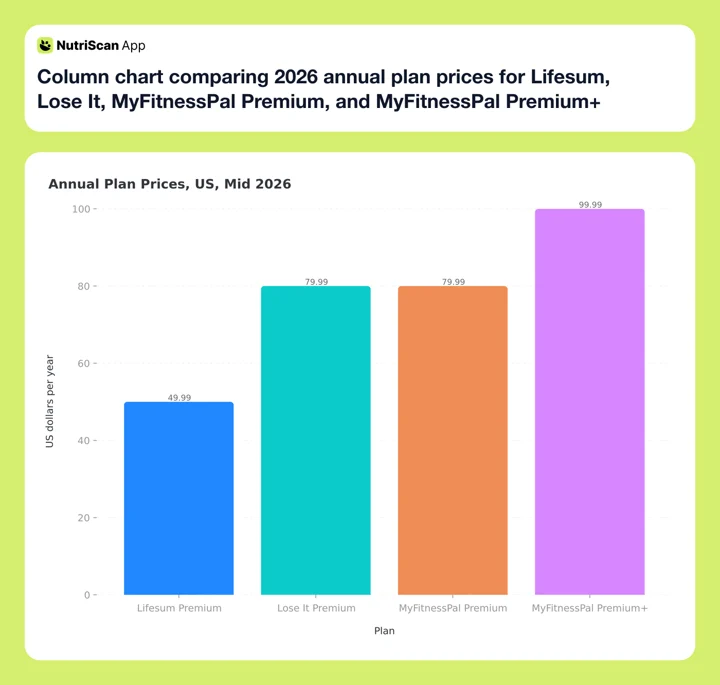 Figure 1: Lose It and MyFitnessPal Premium now sit at the same $79.99, with Lifesum roughly $30 below them and MyFitnessPal Premium+ $20 above. Lifesum's bar moves with whatever promotion is running.
Three numbers tell most of the story, and Figure 2 makes them concrete. Lose It and MyFitnessPal Premium each cost about 22 cents per day. Lifesum costs about 14 cents per day, the cheapest of the three. MyFitnessPal Premium+ sits at about 27 cents.
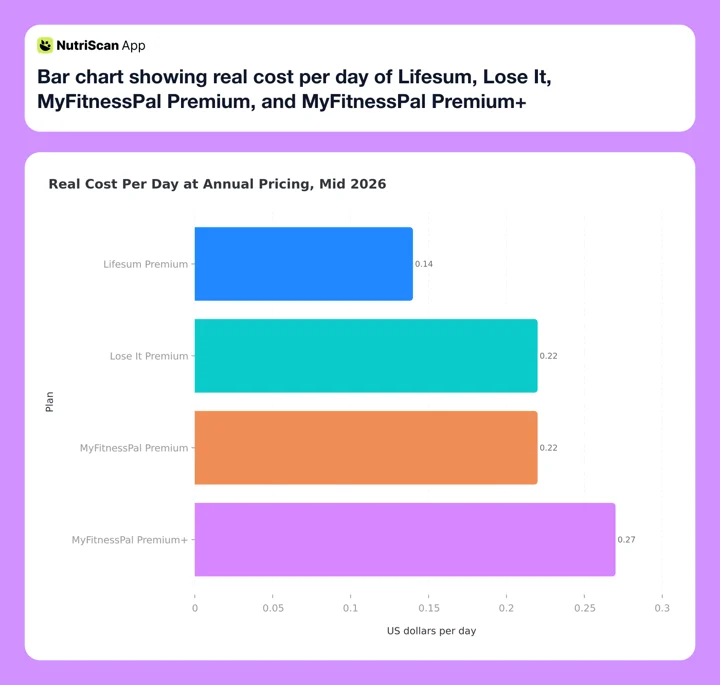 Figure 2: Per-day cost is the honest way to compare plans - Lifesum at 14 cents undercuts Lose It and MyFitnessPal by about a third
IMPORTANT
Checkpoint: here's where you are right now.
Quick status update so you always know the next best move.
⏱️ Progress 1/4 • ~1 minute in • Keep going
✅ Step 1: Real per-day costs (done)
👉 Step 2: What your money actually buys (you're here)
⏳ Step 3: Who should buy which plan
🧩 The factor that beats all three price tags (coming soon)
What You Actually Get for Your Money 🧾
Lose It Premium: $79.99 Per Year After a Price Increase
Lose It used to be the price leader at $39.99 a year. It is not any more. Its own pricing page now lists Premium at $79.99 USD per year, matching MyFitnessPal, and there is no monthly plan at all. The plan unlocks gram-level macro targets for protein, carbs, and fat, meal planning, pattern insights that connect your logging data to your weight trend, custom goals for nutrients like fiber and sodium, and advanced reports.
Two features matter most in 2026. Snap It handles photo logging, so you can point the camera at a plate instead of searching a database. Say It adds voice logging, so you can speak your meal instead of typing it.
There is one change every buyer should know about. Lose It has moved the barcode scanner (Scan It) behind the Premium paywall for most new accounts (Lose It Help Center, updated April 2026). Long-time free users often keep scanner access, but if you create an account today, scanning packaged foods is likely a paid feature. That shifts the value question: the free tier is now mostly a manual-search calorie counter.
Lose It also sells a one-time Lifetime plan, and it is the only app here that does. The price is $299.99 for free and basic accounts, or $229.99 if you already hold an active paid Premium membership. Against the $79.99 annual price that breaks even in about three to four years. Two cautions from the same page: Lifetime purchases are non-refundable, and buying one does not cancel an existing App Store or Play subscription, so turn off auto-renew yourself. On tax dollars, Lose It says many users can put HSA/FSA funds toward Premium if a licensed healthcare provider recommends it for weight management.
MyFitnessPal Premium: $79.99 Per Year, Paying for Device Reach
MyFitnessPal Premium costs $79.99 per year or $19.99 per month, the same annual price as Lose It. The plan removes ads, unlocks gram-level macro goals by meal, opens the barcode scanner (paywalled for free users since 2022), and adds nutrient reports, food insights, and Meal Scan photo logging.
What you are really paying for is device reach. MyFitnessPal counts over 20 million foods and over 35 connected fitness partners, which matters if your routine runs through Garmin, Fitbit, or a smart scale. Database size alone is a weaker argument than it used to be, because Lose It now advertises a 50M+ food database on its free tier.
The trade-offs are real. The crowdsourced database is uneven: a validation study found MyFitnessPal accurate for energy and macronutrients once implausible outlier entries were filtered out, but unreliable for nutrients like sodium and cholesterol (Evenepoel et al., 2020, JMIR). The free tier carries the heaviest ad load of the three apps, with banners and full-screen interstitials throughout the day. And the April 2026 Today tab redesign drew heavy backlash, with long-time users reporting more taps per meal and a diary buried behind a "View All" button (PiunikaWeb, April 2026).
There is also a second tier. Premium+ costs $99.99 per year or $24.99 per month and adds a Meal Planner with grocery lists and budget settings. Watch the trial carefully: the free trial often defaults to Premium+, so if you forget to cancel or downgrade, you are billed at the higher tier. Our MyFitnessPal vs Lifesum comparison covers how that Meal Planner stacks up against Lifesum's plans.
Lifesum Premium: $49.99 Per Year, the Cheapest Annual Plan
Lifesum prices differently from the other two, and it usually prices lowest. The US App Store listing shows a $7.49 monthly plan and a $14.99 three-month plan alongside several annual SKUs running at the same time, from about $29.99 up to $119.99, with roughly $50 the figure most US users are quoted. Google Play lists the same plans. The $99.99 and $119.99 annual prices that turn up in older write-ups are not always stale, they are live SKUs some people still get shown.
Lifesum also runs intro offers, so a first purchase often comes in below whatever annual price you are quoted and renews at full price.
What Premium unlocks is the app's real identity: structured diet plans (keto, high protein, Mediterranean, 5:2, and more), full meal plan generation, gram-level macro tracking, detailed food ratings, and the complete recipe library. In February 2025 Lifesum launched its Multimodal Tracker, since renamed AI tracking, which lets you log by photo, voice, text, or barcode from a single input. The design is the friendliest of the three, built around encouragement rather than red warnings, and the free tier carries the lightest ad load. The barcode scanner stays free, which neither competitor can claim for new users.
IMPORTANT
Checkpoint: midway progress update.
You're halfway - decisions get easier here.
⏱️ Progress 2/4 • ~2 minutes in • Keep going
✅ Step 1: Real per-day costs (done)
✅ Step 2: What your money buys (done)
👉 Step 3: Who should buy which plan (current)
🧩 The factor that beats all three price tags (almost there...)

Real-World Examples: Three Buyers, Three Right Answers 🧑🤝🧑
 The right plan depends on how you actually eat and log, not on the feature list
Maya, 34, wants to lose 8 kg and hates fiddly apps. She eats mostly home-cooked meals, logs three times a day, and wants macro targets without paying much. Lifesum Premium fits her exactly: $49.99 per year, photo and voice logging to keep entry fast, and a free barcode scanner for the packaged food in her cupboard. Neither Lose It nor MyFitnessPal would change her results, and both would cost her $30 more.
Daniel, 41, runs marathons and relies on his Garmin watch. His training calories swing widely, he scans a lot of packaged sports nutrition, and he eats at chain restaurants while traveling. MyFitnessPal Premium earns its $79.99 here: the database depth covers his odd products, and the device sync keeps his exercise calories flowing automatically. He should still skip Premium+ unless he wants the grocery-list Meal Planner.
Priya, 28, does not want to plan meals herself. She wants the app to tell her what to eat this week, she responds well to gentle design, and Lifesum quoted her $49.99 a year with a first-purchase intro offer below that, renewing at full price. At that price, Lifesum gives her diet plans and recipes that Lose It and MyFitnessPal Premium cannot match without stepping up to Premium+ at $99.99.
Stories and Facts: What Users Report in 2026 🗣️
The pricing pages only tell half the story. User reports fill in the rest.
Lose It's barcode change caught its community by surprise. When the scanner began moving to Premium for new accounts, long-time users on community forums reported confusion about who kept access and who lost it. The official help center now documents the policy, but the lesson for buyers is simple: do not choose Lose It's free tier expecting to scan barcodes.
MyFitnessPal's April 2026 Today tab redesign drew sustained backlash, with users organising one-star review campaigns on both stores. Reporting at the time collected the specifics: basic tasks now take more taps, and the diary was converted into a list of large cards sitting behind a "View All" button (PiunikaWeb, April 2026). For a tool you open several times a day, that friction compounds.
Lifesum's complaints cluster around billing, not features. Lifesum cannot cancel or refund subscriptions itself, because it has no access to your payment details, so every cancellation runs through the App Store or Google Play. Users who bought an intro offer and forgot about the full-price renewal report the most frustration. Turn off auto-renew in the store, not in the app.
A useful frame for all three: research on nutrition apps finds that effectiveness tends to drop after about six months of use, partly because generic apps lack personalized support (Pujia et al., 2025, JMIR). Whichever plan you buy, the first renewal is the right moment to ask whether you still open the app daily.
Still with me? Good. The factor that beats every price tag in this post is two sections away. First, the money-saving tricks.
Tips and Tricks: Pay Less and Get More 💡
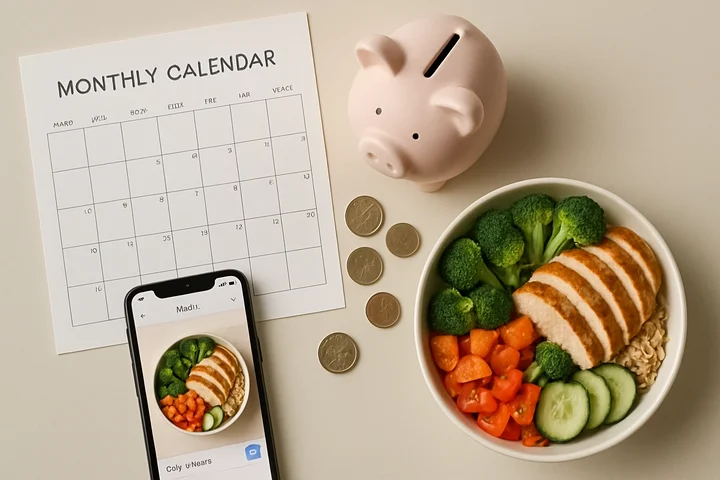 A calendar reminder and a little timing knowledge can cut your tracker bill by more than half
Check your own Lifesum checkout before comparing. The annual plan lists at $49.99, and first-purchase intro offers often come in lower. Whatever number your screen shows is the one to put in the comparison, and the renewal after it will be at full price.
Start every trial on a calendar reminder. Both Lose It and MyFitnessPal give 7 days. Set a reminder two days before each ends. MyFitnessPal's trial is for Premium+, so it bills at the higher tier unless you downgrade before it runs out.
Buy annual where you can. Lose It sells an annual plan only, so there is no monthly option to compare. MyFitnessPal monthly at $19.99 reaches the full $79.99 annual price in four months, and Lifesum monthly at $7.49 reaches its $49.99 annual price in about seven.
Consider Lose It Lifetime only after a full year of use. The one-time plan costs $299.99, or $229.99 if you already pay for Premium, and breaks even against the $79.99 annual price in about three to four years. It is also non-refundable.
Use pre-tax dollars where you can. Lose It says many US users can put HSA/FSA funds toward Premium if a licensed healthcare provider recommends it for weight management, which effectively discounts it by your marginal tax rate.
Match the plan to your logging style, not the feature list. A 2022 study of 90 adults logging in a single calorie-counting app found that consistent (at least 3 days a week) and frequent (at least half of days) logging was associated with weight loss over 8 weeks, though the average loss of 1.5 kg was modest (Payne and Turk, 2022, Obesity Science & Practice). The plan that keeps you logging in week 12 is the one worth paying for.
Wait for a seasonal sale if you are not in a hurry. Lose It confirms it runs sales and promotional upgrades on the yearly plan and shares them in-app and by email, so turn on email preferences under Profile > Settings > Email Preferences before you buy.
Step-by-Step: How to Pick Your Paid Plan in One Week 🗓️
Day 1: Write down your three most common meals and scan your pantry. If your staples are regional brands or restaurant chains, search for them in each app's free tier. If only MyFitnessPal finds them reliably, that answers the database question.
Day 2-3: Run the free tiers side by side. Log the same meals in all three. Note how many taps each meal takes and how often ads interrupt you.
Day 4: Check your real Lifesum price. Open Lifesum, go through onboarding, and record the actual annual price at checkout. An intro offer can land below the $49.99 list price, and that is the number to use in your comparison.
Day 5: Decide what you need beyond calories. Need structured meal plans? Lifesum or MyFitnessPal Premium+. Need device sync? MyFitnessPal Premium. Need macros, photo, and voice logging at the lowest price? Lifesum. Want to buy once and stop paying? Lose It Lifetime. Our Lose It pricing breakdown details every Premium feature if you are still deciding.
Day 6: Start exactly one trial with a cancel reminder. Test the paid features you identified on day 5, not the ones from the marketing page.
Day 7: Buy the annual plan, or walk away. If none of the paid features changed how you logged during the trial, the free tiers (or a different app entirely) may serve you fine.
TIP
Before you commit to any plan, work out your daily calorie and macro targets with the free NutriScan macro calculator. Knowing your targets makes every trial week far more useful.
IMPORTANT
Checkpoint: final stretch before the reveal.
One last nudge - the reveal is next.
⏱️ Progress 3/4 • ~4 minutes in • Keep going
✅ Step 1: Real per-day costs
✅ Step 2: What your money buys
✅ Step 3: Who should buy which plan
✨ The factor that beats all three price tags (about to reveal)

What the Research Says About Paying for a Tracker 🔬
You've been patient, so here is the reveal: the factor that beats all three price tags is not a hidden discount or a secret app. It is adherence. The research is blunt about it, and it changes how you should read every price in this post.
The evidence supports paying for whichever tool you will actually use, and it is surprisingly indifferent about which brand that is.
The strongest recent data comes from the 2025 Obesity trial mentioned above: among 502 adults, adherence to dietary self-monitoring and behavioral goals predicted clinically meaningful weight loss (Burke et al., 2025). A large real-world analysis of 19,211 patients in blended-care weight loss programs reached a similar conclusion from a different angle: higher app engagement in the first three months predicted greater weight loss at the three-month mark (Lehmann et al., 2024, JMIR). Features that increase engagement, like fast photo logging or meal plans you actually follow, are therefore worth money. Features you will not touch are not.
Accuracy research adds one caution for MyFitnessPal buyers: the database's strength is coverage, not verification, so spot-check entries for foods you eat daily (Evenepoel et al., 2020, JMIR). And the six-month effectiveness drop documented across nutrition apps (Pujia et al., 2025, JMIR) argues for annual plans you review at renewal rather than lifetime commitments made on day one.
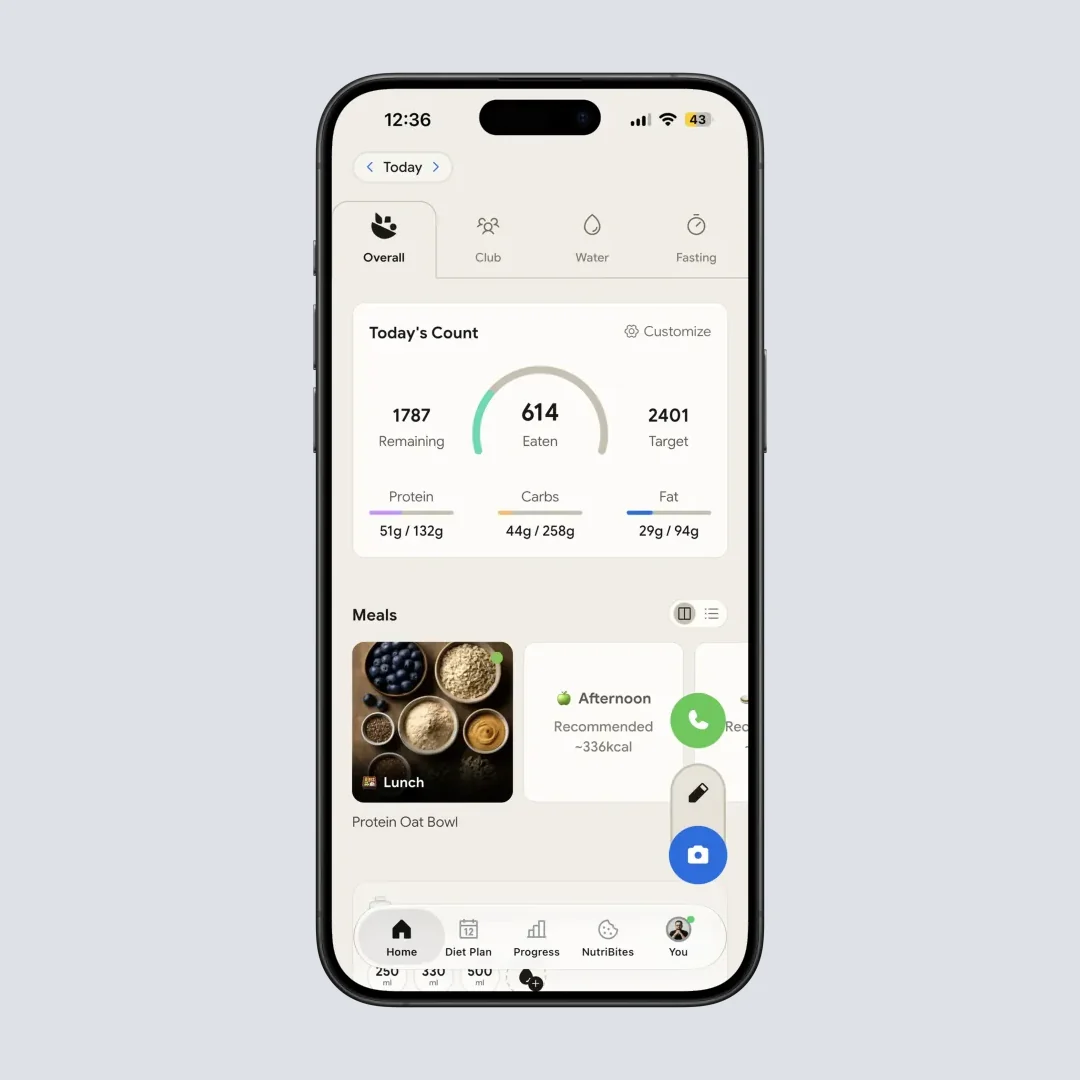
Whatever app you pay for, a daily view like this is what adherence looks like in practice - NutriScan Home
Conclusion: The Best Deal Depends on the Checkout Price You See ✅
For most people, Lifesum Premium at around $50 a year is now the best paid plan in this trio. It delivers the features that drive results (macro targets, photo and voice logging, meal plans, a free barcode scanner) for roughly $30 less than either competitor, and its monthly and three-month plans let you test it without an annual commitment. Confirm the annual figure at your own checkout, because Lifesum's promotions move it.
Pay for MyFitnessPal Premium ($79.99) only if its 20-million-entry database or its 35+ device integrations solve a problem you actually have. Pay the same $79.99 for Lose It if you want the one-time Lifetime plan, which no competitor offers, or if a healthcare provider recommendation lets you spend HSA/FSA money on it. The $39.99 Lose It bargain that used to anchor this comparison is gone.
 If photo logging is the feature you are paying for, test how each app handles a real home-cooked plate
And if what you really want is to point your camera at a plate of home-cooked food and get an honest estimate, including a slider for how much oil went into the pan, that is the problem NutriScan's meal scan was built for. Snap a picture, set the cooking method and oil level, and get instant macros with a NutriScore for the meal. There is a 7-day free trial, so you can compare it against any app on this page before paying anyone.
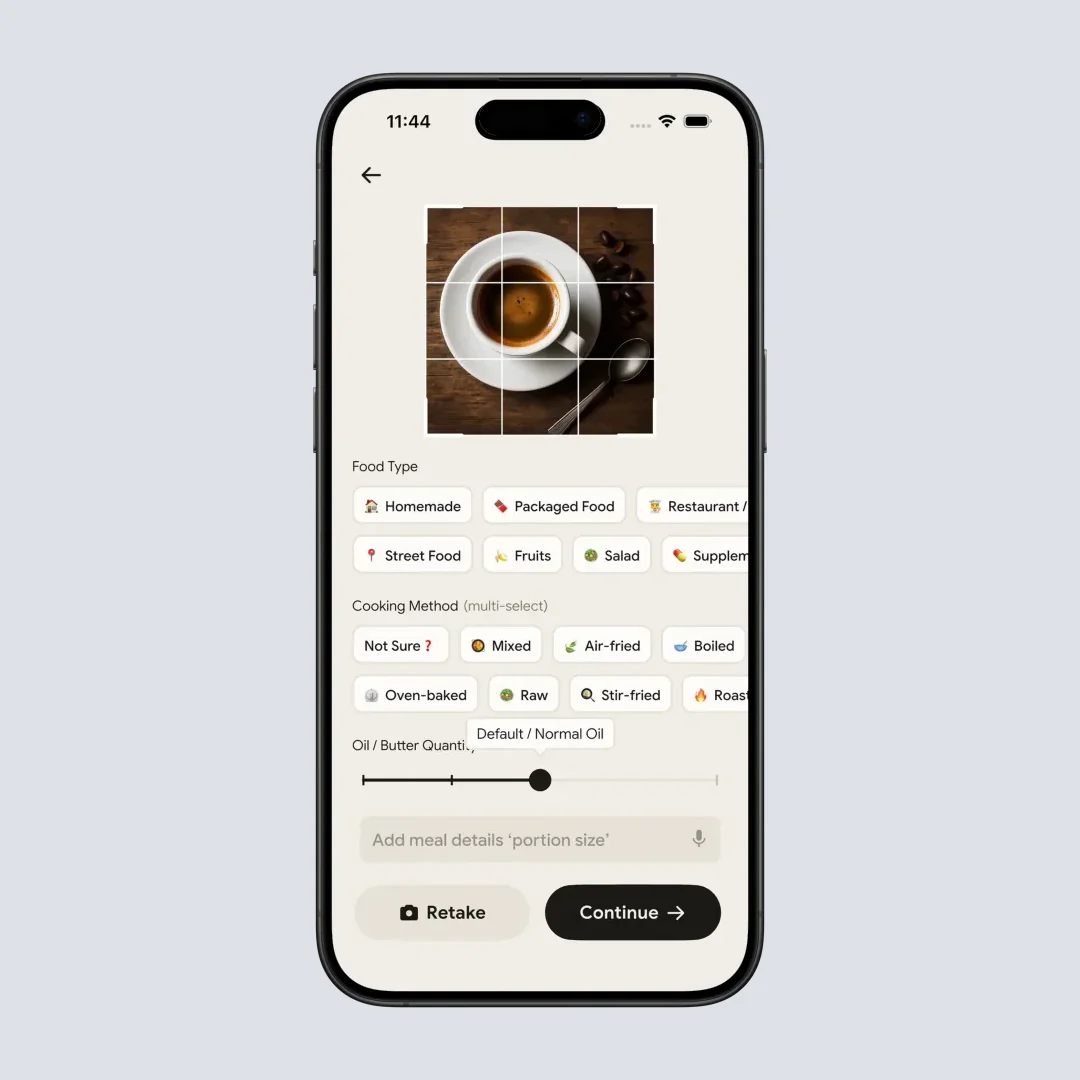
NutriScan asks the questions other trackers skip: cooking method and oil level - Home > Camera Icon > Click Picture
IMPORTANT
Recap: everything you completed this round.
You finished the run - save this for next time.
⏱️ Progress 4/4 • ~5 minutes in • Nicely done
✅ Step 1: Real per-day costs (14 vs 22 vs 22 cents)
✅ Step 2: What your money buys in each app
✅ Step 3: Who should buy which plan (and how to pay less)
✅ The factor that beats all three price tags (adherence, revealed)
FAQ ❓
Which is cheapest: Lose It, MyFitnessPal, or Lifesum?
Lifesum is the cheapest of the three, at around $50 a year, about 14 cents per day. Lifesum runs frequent regional promotions, so the figure at your own checkout may sit above or below that. Lose It Premium and MyFitnessPal Premium both cost $79.99 per year, about 22 cents per day. Lifesum also sells a $14.99 three-month plan and a $7.49 monthly plan.
Lose It and MyFitnessPal both cost $79.99. Which should I pick?
Pick MyFitnessPal if your routine runs through a watch or a smart scale, because it connects to more than 35 fitness partners. Pick Lose It if you want the one-time Lifetime plan or possible HSA/FSA reimbursement. Database size no longer decides it: MyFitnessPal advertises 20M+ foods and Lose It advertises 50M+.
Does Lifesum have a free trial?
Yes. All three Lifesum plans are offered with a trial in the US App Store. The $7.49 monthly plan is the lowest-commitment way to test it, with a $14.99 three-month and $49.99 annual option above it.
Can I still scan barcodes for free in these apps?
In Lifesum, yes. In MyFitnessPal, no: the scanner has been Premium-only since 2022. In Lose It, most new accounts now need Premium for the Scan It barcode feature, though many long-time free users keep access.
Do paid tracking apps actually help with weight loss?
The app itself is a tool; adherence does the work. A 2025 randomized trial found higher adherence to dietary self-monitoring predicted greater odds of 5% or more weight loss (Burke et al., 2025). Paid features help when they make daily logging easier for you, which is why the cheapest plan you will use consistently usually beats the most powerful one you will abandon.