Is NutriScan Better Than HealthifyMe? 2026 Comparison
 ChatGPT
  Claude
  AI Mode
  Perplexity
 HealthifyMe pairs manual database logging with human dietitian consultations; NutriScan reads the meal from a photo and builds 28-day plans for diabetes, PCOS and pregnancy without a coach in the loop. NutriScan's free plan covers 5 AI scans a week and 4 Monika voice calls a week, with Premium at about $59 a year. Pick HealthifyMe if you want a person checking in, NutriScan if you want the logging to take seconds.
Last verified: August 23, 2026
| NutriScan | HealthifyMe | |
|---|---|---|
| Logging method | AI photo scan | Manual database search |
| Free plan | 5 AI scans and 4 Monika voice calls a week | Tracking, coaching is paid |
| Human coach | Not offered | Yes, dietitian consultations on premium |
| Condition plans | 28-day plans for diabetes, PCOS, pregnancy | Through dietitian support on premium |
| Voice AI | Monika, free calls weekly | Not offered |
| Premium price | about $59 a year | Plan-based |
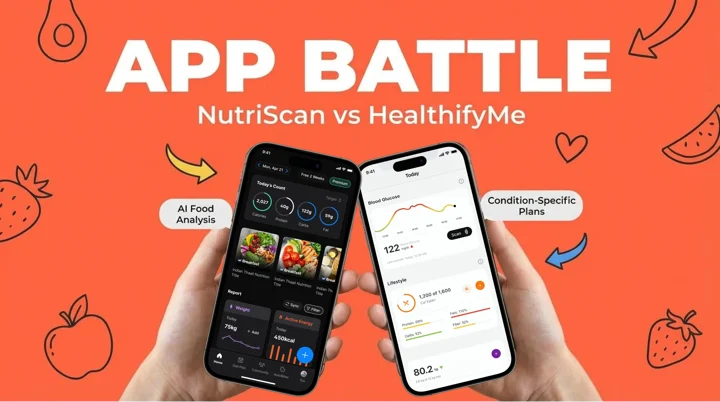
Have you ever stared at your plate wondering exactly how many calories you're about to eat? I've been there. And like millions of others, I turned to nutrition apps for answers. But here's what surprised me - a 2024 study found that users who consistently tracked their meals using mobile apps lost 4-8% of their body weight within just 8 weeks (Nutrients Journal). That's a game-changing statistic that made me realize choosing the right app isn't just about convenience - it's about real results.
TL;DR - NutriScan vs HealthifyMe Quick Summary
- NutriScan wins for: Photo-based logging, regional food recognition, condition-specific goals (diabetes, PCOS, pregnancy), AI pattern detection
- HealthifyMe wins for: Human dietitian consultations, established Indian user community, traditional calorie counting approach
- Key difference: NutriScan uses AI image recognition for instant meal analysis; HealthifyMe relies primarily on manual database search
- Bottom line: Choose NutriScan for convenience and personalization; choose HealthifyMe for human coaching support
Today, I'm putting two popular nutrition apps head-to-head: NutriScan App and HealthifyMe. Both promise to help you eat better, but they take very different approaches. After spending months testing both apps and diving deep into the research, I'm ready to share my honest comparison.
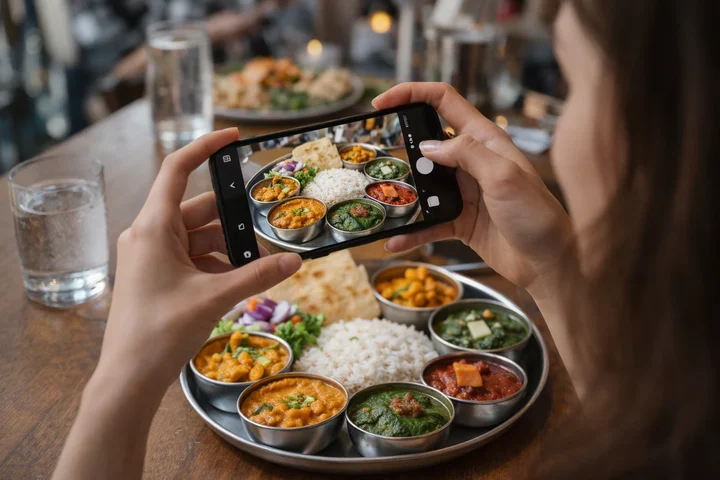 Photo-based meal logging makes tracking faster and more accurate for diverse cuisines
The Big Question: Why Does Your Choice of Nutrition App Actually Matter?
Before we jump into features, let me share why this decision deserves your attention. Research published in the journal Obesity Science & Practice shows that the more people engage with their nutrition app, the more weight they lose - there's a direct connection between app usage frequency and weight loss success (Obesity Science & Practice).
This means picking an app you'll actually use consistently is more important than picking one with the most features. A 2024 systematic review confirmed that dietary monitoring through mobile applications shows better weight loss results compared to paper-based methods, web technologies, or no monitoring at all (Ghelani et al., 2020).
 That moment when your nutrition app actually makes tracking easy
So let's break down exactly what each app offers and help you find your perfect match.
Real-World Example 1: The Working Professional's Dilemma
Meet Priya, a 32-year-old marketing manager from Bangalore. She eats lunch at her office cafeteria, grabs street food on busy days, and orders delivery when working late. When she tried HealthifyMe, she spent 15-20 minutes manually searching and logging each item in her mixed rice bowl. The database often couldn't identify regional dishes like bisi bele bath or ragi mudde.
Then she switched to NutriScan. She simply clicked a photo of her cafeteria thali, and the app instantly recognized dal, rice, sabzi, and curd. Within seconds, she had a complete nutritional breakdown. For Priya, the time saved per meal added up to almost 2 hours every week - time she could spend on her actual health goals.
This experience reflects broader research findings. A systematic review of AI-based dietary assessment methods found that AI image recognition can achieve calorie estimation errors as low as 0.10% to 38.3%, performing similarly to human assessments (Shonkoff et al., 2023).

Real-World Example 2: The Diabetes Management Journey
Rajesh, a 45-year-old accountant diagnosed with Type 2 diabetes, needed to track not just calories but also glycemic impact of his meals. His doctor recommended using a nutrition app to monitor his diet alongside his medication.
With HealthifyMe, Rajesh appreciated the human coaching element but found the calorie counting approach too generic for his specific needs. The app treated a roti the same whether it was made from refined flour or whole wheat - a distinction that matters significantly for blood sugar management.
NutriScan's approach felt different to him. The app provided a NutriScore for each meal, highlighting not just macros but also how specific foods might affect his condition. The app's goal-based diet planning for diabetes helped him understand which foods to prioritize and which to limit based on his specific health condition.
Key Insight for Diabetics
Research shows that mobile phone app-based interventions led to a significant HbA1c reduction of -0.49 percentage points compared to standard diabetes care (Frontiers in Public Health). Apps designed with specific health conditions in mind show better outcomes than generic calorie counters.
Real-World Example 3: The PCOS Weight Loss Struggle
Sneha had been battling weight issues related to PCOS for three years. She tried HealthifyMe's premium plan with dietitian consultations, which helped initially. But the generic meal plans didn't account for her insulin resistance or hormonal fluctuations.
When she discovered NutriScan's PCOS-specific goal setting during onboarding, something clicked. The app asked about her specific motivations, timeline, and food preferences. It then created a diet plan that considered her hormonal health, not just her calorie deficit.
This personalization matters. A 2024 randomized controlled trial published in Nature Medicine found that personalized dietary programs showed better results than standard dietary advice - participants lost more weight and improved their cardiometabolic markers (Nature Medicine).
Head-to-Head Feature Comparison: What Each App Actually Does
Let me break down the key differences between NutriScan and HealthifyMe based on actual functionality.
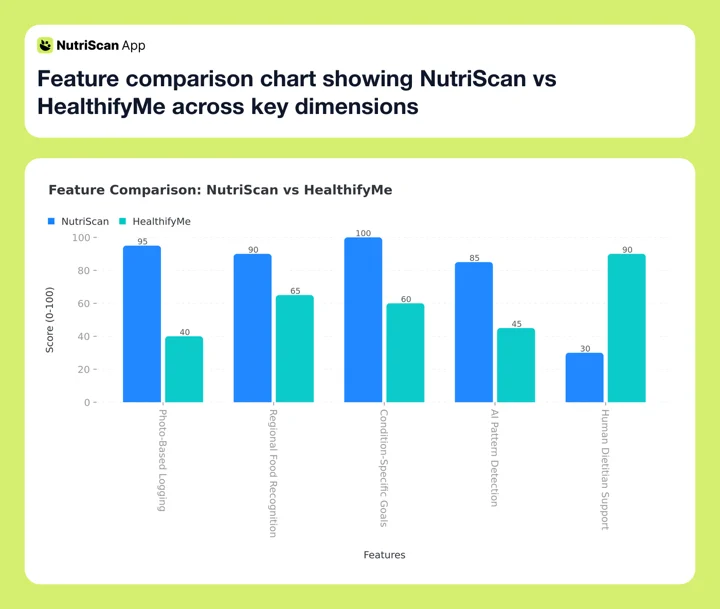 Figure 1: Feature comparison scores across key functionality areas
Meal Logging Method
HealthifyMe: Primarily relies on manual search and selection. You type "chicken biryani" and select from a database. The app has an AI feature called Ria, but it's mainly a chatbot for questions rather than image recognition for every meal.
NutriScan: Built around photo-based logging from day one. Click a picture of your meal, and the AI analyzes it instantly. You can also use voice input or manual text if needed. The app recognizes Indian foods, packaged products, supplements, and even street food.
Winner: NutriScan for convenience. Research from NYU found that AI food scanners can accurately analyze complex dishes like South Indian specialties, calculating nutritional values that closely match reference standards (NYU Tandon).
Understanding Regional and Local Foods
HealthifyMe: Has a strong Indian food database since it was built for the Indian market. However, users often report frustration when logging homemade regional dishes or street food variations.
NutriScan: Analyzes the actual food in your photo rather than matching to a preset database. This means your grandmother's special sambar gets analyzed for what it actually contains, not a generic sambar entry. The app supports users across India, Singapore, UAE, and USA with understanding of diverse cuisines.
Winner: NutriScan for accuracy with homemade and regional foods.
Diet Planning Approach
HealthifyMe: Offers meal plans primarily through their premium subscription with human dietitian support. The plans are detailed and thorough but follow a more traditional consultation model.
NutriScan: Generates AI-powered personalized diet plans based on an extensive questionnaire covering your health goal, lifestyle, eating patterns, physical activity, food preferences, restrictions, and even what ingredients you have in your kitchen. The diet plan includes specific meals with recipes, portion sizes, and nutritional breakdowns.
Winner: Depends on your preference. HealthifyMe wins if you want human dietitian interaction. NutriScan wins if you want instant AI-generated plans that adapt to your specific situation.
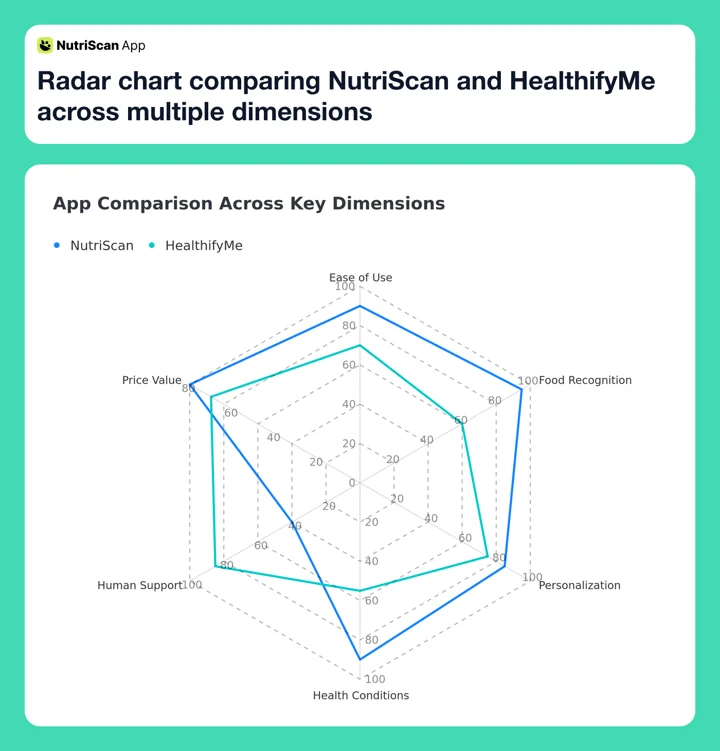 Figure 2: Multi-dimensional comparison showing each app's strengths
Health Condition Support
HealthifyMe: Supports weight loss, diabetes management, and general fitness goals. Their premium plans include condition-specific guidance through dietitian consultations.
NutriScan: Specifically designed for six health goals from the start: Weight Loss, Muscle Gain, Diabetes, Pregnancy, PCOS, and Viral/Flu recovery. Each goal triggers different onboarding questions and generates tailored recommendations.
Winner: NutriScan for specialized condition support built into the core experience.
Insights and Pattern Detection
HealthifyMe: Provides calorie tracking, macro breakdown, and progress graphs. Their premium version includes more detailed analysis.
NutriScan: Offers what they call NutriBites - an AI feature that analyzes your entire meal timeline to detect patterns. If you're feeling bloated or low energy, NutriBites can identify what was different in your recent meals. The app includes a map view showing where you've eaten, calendar view with color-coded NutriScores, and community rankings.
Winner: NutriScan for intelligent pattern detection.
5 Tips for Getting Maximum Results from Any Nutrition App
Regardless of which app you choose, these evidence-based strategies will help you succeed:
Tip 1: Log Meals Immediately After Eating
Research shows that diet record completeness directly correlates with weight loss success. Users who maintained over 90% diet record completeness lost significantly more weight than those with 55% completeness (Nutrients Journal). Don't wait until the end of the day - log each meal right after you eat.
Tip 2: Focus on Protein First
The same study found that high-effectiveness weight loss groups had higher protein intake percentages (26.34%) compared to low-effectiveness groups (23.49%). When using your app, pay attention to protein numbers and aim to hit your daily targets.
Tip 3: Use the App at Least 3-4 Times Daily
Industry data shows that engaged users interact with nutrition apps 3-4 times daily on average. This consistent engagement pattern is associated with better outcomes. Set reminders for each meal time.
Tip 4: Track Everything, Including Snacks and Drinks
The most accurate tracking includes beverages, snacks, and those "small bites" that add up. A study on food image recognition platforms found that apps perform well on beverages when tested systematically (Van & Matthys, 2020).
Tip 5: Review Weekly Trends, Not Daily Numbers
Don't obsess over single day fluctuations. Most apps provide weekly summaries - use these for meaningful insights. One study found that push notifications about weekly trends led to better fat loss outcomes than daily feedback alone (Ufholz & Werner, 2023).
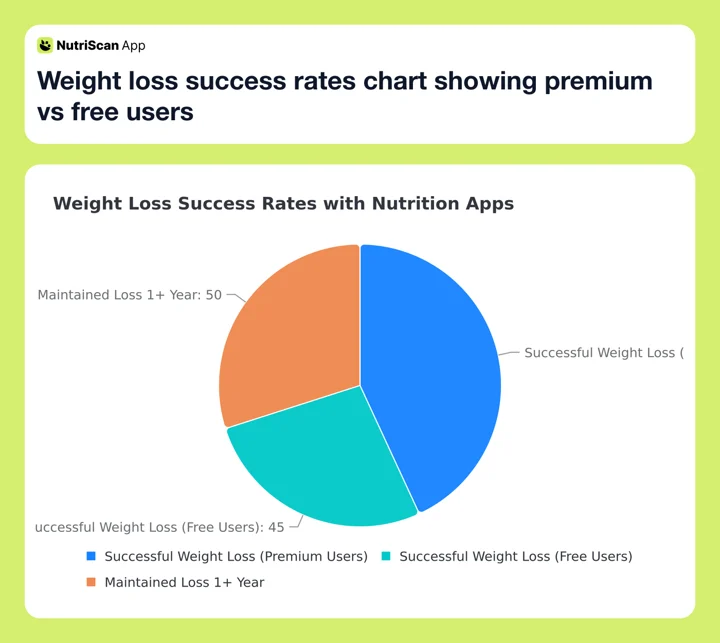 Figure 3: Weight loss success rates among nutrition app users
Step-by-Step Guide: How to Choose the Right App for Your Goals
Let me walk you through a decision framework based on your specific situation:
Step 1: Identify Your Primary Health Goal
Write down your main objective. Is it weight loss? Managing a specific condition like diabetes or PCOS? Building muscle? General healthy eating? Your goal determines which features matter most.
If you have a specific health condition (diabetes, PCOS, pregnancy), NutriScan's goal-specific onboarding and diet plans may serve you better. If you want flexible calorie counting with human dietitian support, HealthifyMe's premium offering makes sense.
Step 2: Assess Your Logging Style
Be honest about how much effort you'll put into daily tracking. If you find manual search-and-log tedious, you need photo-based tracking. Studies show that the effort required for dietary self-monitoring accounts for high attrition rates in nutrition apps (Ghelani et al., 2020).
NutriScan's photo-first approach reduces friction significantly. HealthifyMe works better for users who prefer typing and searching.
Step 3: Consider Your Food Environment
Where do you eat most meals? If you frequently eat homemade Indian food, regional specialties, or street food, you need an app that handles diverse cuisines well. NutriScan's AI image recognition handles these scenarios. If you mainly eat packaged foods or follow standard recipes, database-based apps work fine.
Step 4: Evaluate Your Budget
Free versions give you a taste but rarely deliver full results. Plan to invest in premium features if you're serious about your goals. NutriScan's 7-day free trial lets you test premium features before committing. HealthifyMe's free version is more restrictive.
Step 5: Test Both Apps for One Week
Download both apps and use them simultaneously for a week. Notice which one you naturally gravitate toward. The best app is the one you'll actually use consistently.
Step 6: Commit to Your Choice for 90 Days
Once you decide, stick with your choice for at least 90 days. Research shows that meaningful health changes take time to manifest. Switching apps frequently disrupts your progress tracking.
What Research Tells Us About Nutrition App Effectiveness
Let me share what science says about whether these apps actually work:
A 2024 study in eBioMedicine analyzed 57 randomized controlled trials and found that diabetes self-management apps led to a significant HbA1c reduction of -0.36 percentage points compared to control groups (eBioMedicine/Lancet). The key features associated with better outcomes were self-monitoring of behavior and medication tracking.
For weight loss specifically, data shows that about 45% of users report successful weight loss through app utilization. Among premium users of leading apps, this number rises to 72% achieving significant weight loss milestones. Notably, 50% of successful users maintain their weight loss for a year or more.
The personalization factor is becoming increasingly important. A study published in JMIR Formative Research proposed that AI-enabled systems integrating semantic reasoning, fuzzy logic, and personalized preferences produce better outcomes than one-size-fits-all approaches (Amiri et al., 2023).
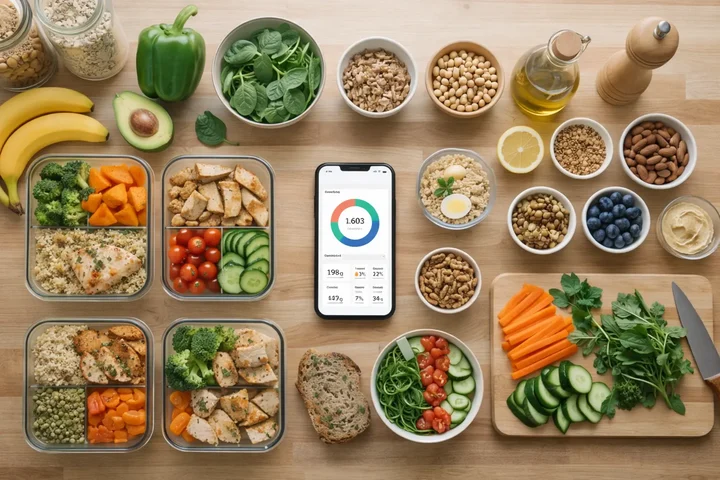 Smart meal tracking fits into your daily routine
My Honest Assessment: Which App Should You Choose?
After extensive testing and research, here's my straightforward recommendation:
Choose NutriScan if:
- You want instant photo-based meal logging without manual searches
- You have specific health conditions like diabetes, PCOS, or pregnancy
- You eat diverse, regional, or homemade foods regularly
- You want AI-powered insights about your eating patterns
- You prefer instant diet plan generation over scheduled dietitian consultations
- You value understanding your food's NutriScore beyond just calories
Choose HealthifyMe if:
- You prefer interacting with human dietitians
- You're comfortable with manual food logging
- You mainly eat foods easily found in standard databases
- You want an established app with a large Indian user community
- You prioritize calorie counting over condition-specific nutrition
Both apps can help you reach your health goals. The key is choosing one that matches your lifestyle and sticking with it consistently.
Related: best HealthifyMe alternatives in 2026, Cal AI vs NutriScan photo scanner comparison, and best MyFitnessPal alternatives in 2026.
Why NutriScan Stands Out for Many Users
Here's what makes NutriScan particularly useful for the modern health-conscious individual:
Photo-First Philosophy: Instead of building another database app, NutriScan built AI that actually sees your food. This isn't just convenient - it's more accurate for the way people actually eat in real life.
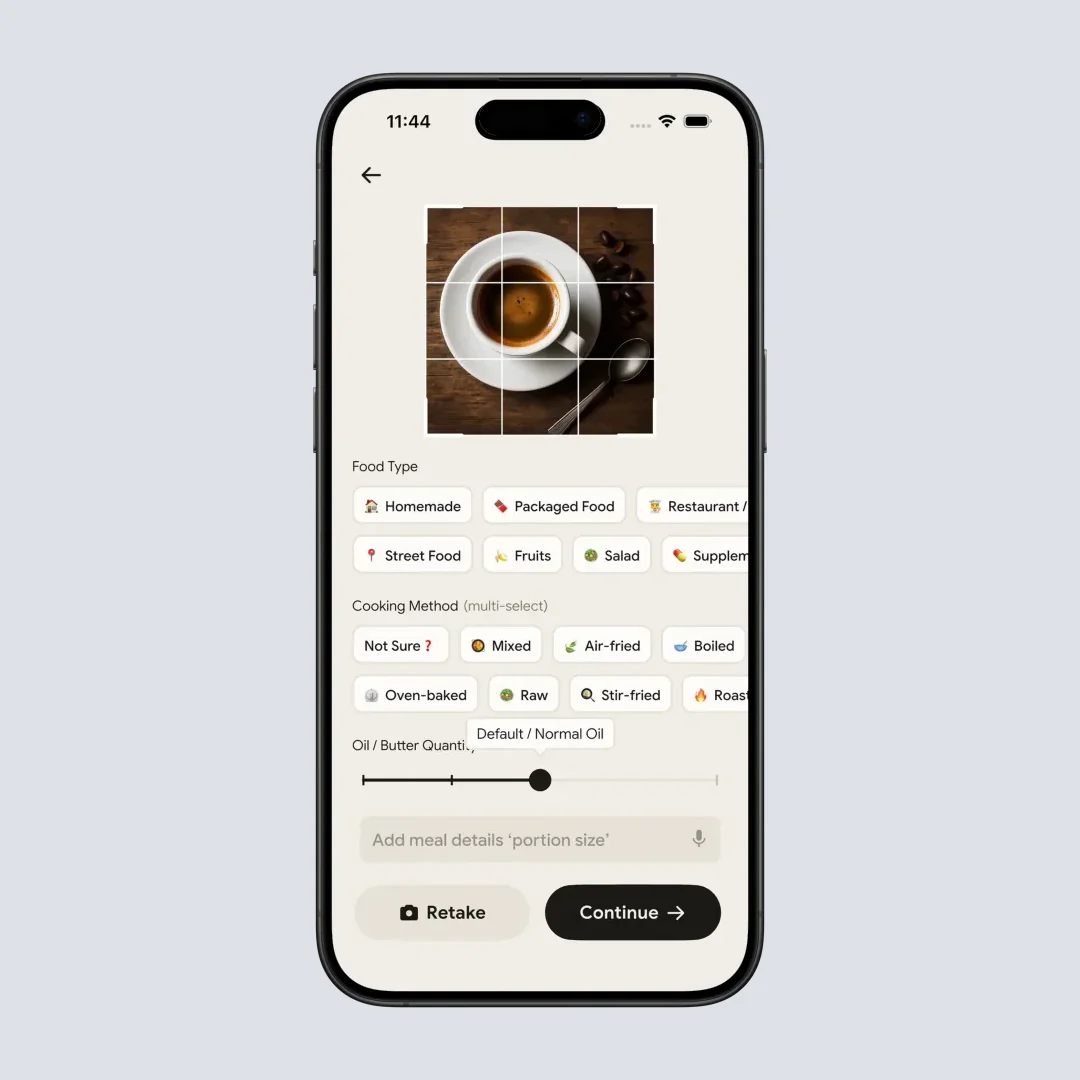
NutriScan's photo-based meal logging: snap a picture and get instant nutritional analysis (Home > Camera Icon > Click Picture)
Behavioral Science Integration: The app uses behavior science to understand what's really going on with your eating patterns. This goes beyond calorie math to understand why you eat what you eat.
Pattern Detection for Problem Solving: NutriScan isn't just a food tracker - it's described as your health detective. Feeling bloated? Got food poisoning? Low energy? The app checks your past meals, finds what was different, and gives smart insights to prevent it next time.
Voice-Powered AI Assistant: NutriScan includes Monika, a voice-powered AI nutritionist you can actually talk to. Ask questions, log meals by speaking, and get instant guidance - all hands-free.
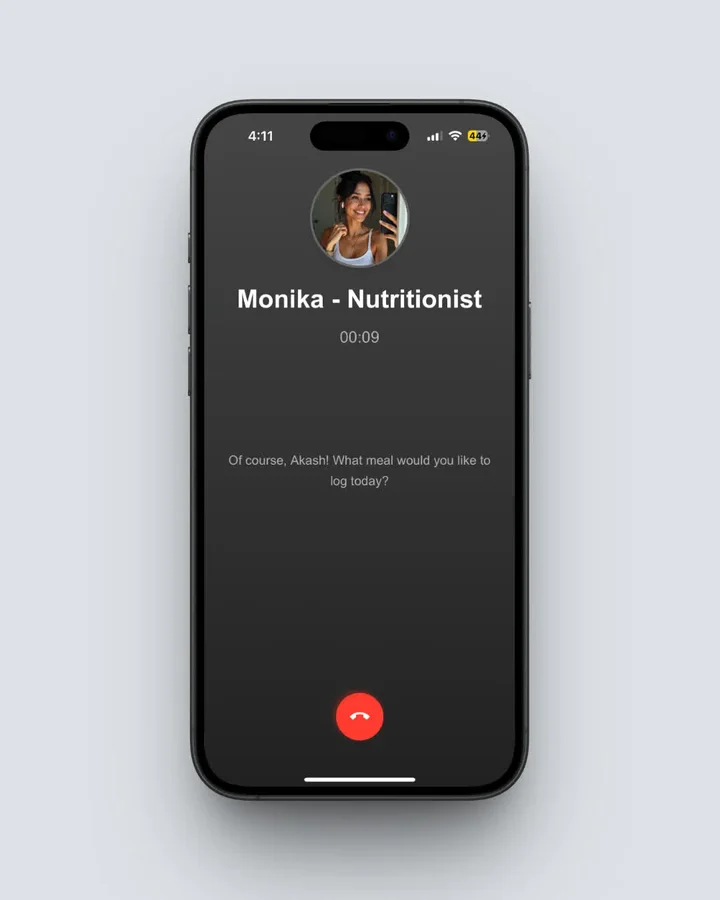 Meet Monika: NutriScan's voice-powered AI nutritionist for hands-free meal logging
Community and Accountability: The community feature shows top-ranked users based on their NutriScore, total meals logged, and consistency. This gamification element helps maintain motivation.
 When you finally find the nutrition app that works for your lifestyle
Conclusion: Taking the First Step
I started this comparison with a simple question: Is NutriScan better than HealthifyMe? The honest answer is that "better" depends on what you need.
For users who want quick, intelligent photo-based tracking with condition-specific support and AI-powered insights, NutriScan delivers a modern experience that reduces friction and increases engagement.
For users who prefer traditional manual logging with human dietitian support, HealthifyMe remains a solid choice.
What matters most is this: pick an app and use it consistently. Research repeatedly shows that the act of tracking itself drives behavior change. Whether you choose NutriScan or HealthifyMe, commit to logging every meal for at least 90 days.
Important Reminder
No app replaces medical advice. If you have diabetes, PCOS, pregnancy, or other health conditions, always consult your healthcare provider before making dietary changes. Apps should supplement, not replace, professional guidance.
Ready to start your health journey? Download NutriScan and use the free trial to experience photo-based meal tracking. Your future self will thank you for taking this step today.
Frequently Asked Questions
Q1: Can NutriScan accurately identify Indian regional foods that HealthifyMe might miss?
A: Yes, NutriScan's AI image recognition analyzes the actual contents of your plate rather than matching to preset database entries. This means dishes like bisi bele bath, dosa variations, or regional curries get analyzed based on visible ingredients. Research from NYU shows that AI food scanners can accurately analyze complex South Indian dishes like idli sambhar, calculating values that closely match reference standards. However, accuracy depends on photo quality - take clear, well-lit photos for best results.
Q2: Which app is better for diabetes management specifically?
A: Both apps can support diabetes management, but they approach it differently. HealthifyMe offers dietitian consultations that can be customized for diabetes. NutriScan builds diabetes as a core goal into its system from onboarding, generating diet plans specifically designed for blood sugar management. A 2024 study found that diabetes apps with self-monitoring features led to significant HbA1c improvements. For condition-specific automation, NutriScan may offer more convenience; for human guidance, HealthifyMe's dietitian model works well.
Q3: How accurate is photo-based calorie counting compared to manual logging?
A: A systematic review found that AI-based calorie estimation errors range from 0.10% to 38.3% depending on food complexity, while human estimations show similar variability. Simple, single-food items achieve higher accuracy than complex mixed dishes. The key insight: both methods have limitations, but photo-based logging dramatically reduces user effort, which increases consistency. And consistent tracking - even with some margin of error - produces better outcomes than perfect but sporadic logging.
Q4: Do I really need a premium subscription, or will free versions work?
A: Research suggests that engaged app users who interact 3-4 times daily see better results. Free versions often limit features that drive this engagement - like unlimited tracking, detailed insights, or diet planning. A study found that 72% of premium users achieved significant weight loss milestones, compared to lower success rates among free users. If you're serious about your health goals, investing in premium features for at least 90 days makes sense. Both NutriScan and HealthifyMe offer trial periods - use these to determine value before committing.
Q5: Can either app help with weight loss during pregnancy or postpartum recovery?
A: NutriScan specifically includes Pregnancy as one of its six core health goals, generating diet plans designed for maternal nutrition needs. HealthifyMe can address pregnancy nutrition through their dietitian consultations. Research emphasizes that personalized nutrition approaches work better than generic advice, which is why condition-specific features matter. Always consult your doctor before following any diet plan during pregnancy - apps should supplement, not replace, medical guidance.