Are Protein Bars Good for Weight Loss? My 9-Month Test
 ChatGPT
  Claude
  AI Mode
  Perplexity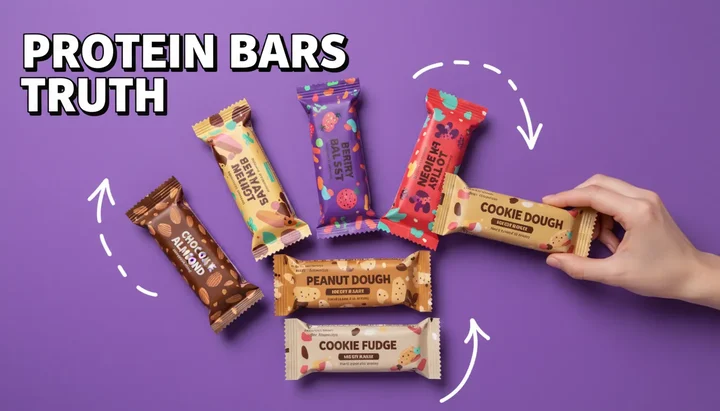
Yes, protein bars are good for weight loss, but only when one bar replaces a snack you already eat.
I spent nine months logging every bar, craving, grocery bill, and weigh-in. A protein bar is good for weight loss when it clears four label numbers, at least 15g protein, under 200 calories, at least 3g fiber and no more than 5g sugar, and when it takes the place of the vending machine run rather than sitting on top of it. Added on top of everything else you already eat, the same bar is 200 more calories with a health halo. Swapped in at 3 PM, it cut about 300 calories a day off my own log without leaving me hungry. Below is the checklist I use, the four numbers I read off every wrapper, and what happens when the bar in your hand is a Max Protein bar.
TL;DR - Protein Bars for Weight Loss: The Complete Guide
• Who it's for: People considering protein bars as part of their weight loss strategy and muscle preservation goals
• Main outcomes: better appetite control in the afternoon, muscle held onto while eating less, and a faster way to judge any bar on the shelf
• Key steps: Step 1 map patterns ➡️ Step 2 build your bar system ➡️ Step 3 align with research and tracking ➡️ Step 4 deploy the collagen timing protocol
• Timeframe: Energy improvements in 2-3 weeks, appetite control within 1 week, weight loss results by weeks 6-8
• How NutriScan helps: Instant nutritional breakdown of bars, meal tracking with visual feedback, pattern recognition for optimal timing, and macro monitoring for balanced intake
Is a Protein Bar Good for Weight Loss? The Short Answer
A protein bar is good for weight loss in exactly one situation: it stands in for something you were going to eat anyway, and it carries more protein than sugar. A 190-calorie bar with 20g protein swapped for a 350-calorie muffin moves you toward a calorie deficit. The same bar eaten after the muffin moves you away from one. The wrapper does not know which of those two you did, which is why people get such different results from the same product.
The second condition is that a bar is a snack, not a meal. Nine months of logging taught me that bars work as the 3 PM patch and fail as a lunch substitute. They have no vegetables, thin micronutrients, and not enough volume to hold you until dinner.
When I first started my weight loss journey three years ago, I stood in the protein bar aisle feeling completely lost. The shiny packages promised everything from instant muscle gains to rapid fat loss. My gym buddy swore by them. But I couldn't help wondering - was I about to waste my money on glorified candy bars? For context on maximizing protein intake naturally, check our comprehensive guide on high-protein Indian foods which complements protein bar strategies.
I was thinking too small. Muscle mass falls by 3% to 8% every decade from age 30 onward, and the slide steepens after 60. That is the gap that decides whether you live independently at 80 or need assisted care.
A 2025 study in Frontiers in Nutrition used indicator amino acid oxidation on nine adults aged 66 to 81 with sarcopenia and put their protein requirement at 1.54 grams per kilogram of body weight a day, roughly double the adult RDA. Nine people is a small sample, not a settled number, but it points the same way as everything else here. So the protein choices I made in that aisle were about climbing stairs at 70 and carrying my own groceries at 80, not about photos.
 That feeling when you're staring at 50 different protein bars and have no idea which one actually works
Step 1: Map Your Real-World Hunger Patterns
Take a typical office afternoon as an example. The 3 PM slump lands, the vending machine is 20 steps away, and what comes out of it runs 300 calories or more. Trade that for a 190-calorie bar with 20 grams of protein and the day's total drops without a single other change to the routine, no extra workout required. That is the whole mechanism.
Now the version that goes wrong, and it is just as common. Someone buys a case of bars because the box says "healthy," eats them between meals, and adjusts nothing else. The bars are an addition now, not a swap, and the arithmetic runs the other way. Same product, opposite result. Context matters more than the product itself.
 Success comes from strategic choices, not just adding "healthy" snacks to your existing diet
Stories & Facts That Blew My Mind
A 12-week randomized trial of 64 adults with overweight or obesity, published in Nutrients and presented at the European Congress on Obesity in 2025, gave half the group two collagen-enriched protein bars a day before meals. That group lost 3.0 kg against 1.5 kg in the control group, with larger drops in blood pressure and waist circumference and better fatty liver index scores. Dr. Paola Mogna-Peláez of the University of Navarra, who led the work, reported that the collagen group felt less hungry and more full, and that volunteers logged no relevant harmful effects. Read it with the funding in mind: the collagen supplier, Viscofan, funded the research and employs three of the authors.
Protein also has a "thermic effect." Your body burns more calories digesting protein than it does processing carbs or fats, and the gap is not small: diet-induced thermogenesis runs 20% to 30% of the energy in protein, against 5% to 10% for carbohydrate and 0% to 3% for fat. Halton and Hu's review of 48 trials found higher protein intake raised both thermogenesis and satiety compared with lower-protein diets.
During my research phase, I found that the adult RDA is 0.80 grams of protein per kilogram of body weight a day just to avoid deficiency, while the high-protein arms of the weight loss trials in that same review ran 1.07 to 1.60 grams per kilogram. That's when protein bars started making sense to me as a convenient way to hit these targets.
Patterns mapped. Next we turn them into a system that actually holds on busy days.

Step 2: Build the Smart Protein Bar System
1. Read labels like a detective
I now check for at least 10 grams of protein per serving. Anything less isn't worth the calories for weight loss purposes. I also avoid bars with more than 10 grams of added sugar - they're basically candy in disguise.
2. Timing is everything
I eat protein bars 45 minutes before lunch or dinner when I'm using them for weight control. Halton and Hu found that protein preloads raised satiety ratings in 11 of the 14 trials they reviewed, with the weight of evidence pointing to lower energy intake at the meal that followed.
3. Don't trust "net carbs" blindly
Sugar alcohols can cause digestive issues if you consume more than 10 grams daily. I learned this lesson during an important meeting - trust me, you don't want to experience it firsthand.
4. Match bars to your activity level
On rest days, I choose bars with 150 calories or less. On workout days, I can go up to 250 calories since my body needs the extra fuel for recovery.
5. Create your own "bar test"
Before committing to a brand, I buy single bars of different types. I rate them on taste, how full they keep me, and whether they cause any digestive discomfort.
6. Use the replacement strategy
Instead of adding bars to my regular diet, I replace less healthy snacks. This simple switch helped me cut 300 calories daily without feeling deprived.
7. Track your intake consistently
This is where food tracking became my secret weapon. I started photographing my protein bars along with my meals using a nutrition tracking app. The instant nutritional breakdown showed me exactly how these bars fit into my daily macros. No more guessing or manual logging! The key isn't which app you use - it's building the simple habit of consistent tracking. For comprehensive meal analysis and macro tracking, check out our macro calculator to optimize your protein bar choices for your specific goals.
Step-by-Step Guide to Using Protein Bars for Weight Loss
Step 1: Calculate your daily protein needs
First, I figured out my baseline using this simple formula: multiply your weight in kg by 1.2-1.5 for weight loss. At 70 kg, I need at least 84-105 grams of protein daily. I started tracking my regular meals by photographing them with a nutrition app - this simple habit revealed I was only getting about 60 grams from food alone, leaving a significant gap.
Step 2: Choose the right type of bar
I spent a week testing different options. For weight loss, I found bars with these specs work best:
- 15-20 grams of protein minimum
- Less than 200 calories per bar
- At least 3 grams of fiber
- No more than 5 grams of sugar
I photograph each new bar with my nutrition tracking app before eating it. The instant nutritional breakdown shows me how it fits my daily goals - no manual calculation needed!
Step 3: Plan your bar consumption strategically
Here's my schedule that works:
- Morning (7 AM): Regular breakfast
- Mid-morning (10 AM): If hungry, half a protein bar
- Lunch (12:30 PM): Regular meal
- Afternoon (3 PM): Full protein bar (this stops my 4 PM candy cravings)
- Dinner (7 PM): Regular meal
I set consistent meal times, and my tracking app automatically categorizes my food photos. The data reveals patterns - like how my afternoon protein bar consistently prevents evening overeating. This simple consistency beats any complex strategy.
Step 4: Monitor your progress honestly
Every Sunday, I review my week using my tracking app's calendar view. The visual feedback color-codes my days (green for good, red for needs improvement). This simple weekly review showed that days when I eat protein bars strategically have better overall nutrition than days when I skip them and grab random snacks.
I also track:
- Weekly weight (same time, same conditions)
- Energy levels throughout the day
- Hunger patterns
- Any digestive changes
Step 5: Adjust based on results
After two weeks, I analyzed my data patterns. Looking at my meal timeline, I discovered that on days with strategic protein bar consumption, I consumed 200 fewer calories overall. The fundamental principle: Replace, don't add. This boring but effective strategy beats any complex meal timing protocol.
If weight loss stalls, I:
- Reduce bar consumption to one per day
- Switch to lower-calorie options
- Focus more on whole food proteins
- Use bars only on workout days
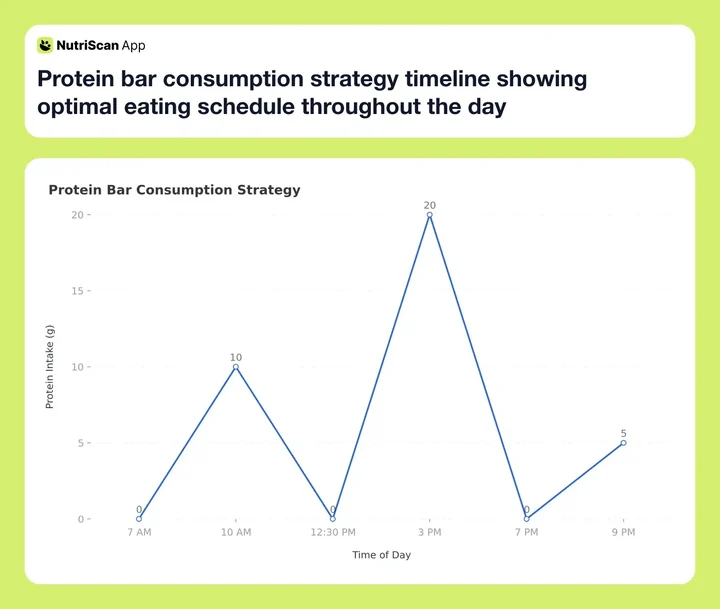 Figure 1: My optimal protein bar timing strategy - notice how strategic timing reduces overall daily calorie intake
Two steps down. Now let’s let data and lab research keep you honest.
Best Protein Bars for Weight Loss: The Four Numbers I Check
People ask me which brand is best. After buying single bars from most of the shelf, my answer is that the best protein bars for weight loss are not a brand, they are four numbers on the back of the pack:
| What to read | Target for weight loss | Why it matters |
|---|---|---|
| Protein | 15g or more | Below that you are paying snack calories for very little satiety |
| Calories | Under 200 | 150 or less on rest days, up to 250 on training days |
| Fiber | 3g or more | Fiber plus protein is what keeps the 4 PM craving away |
| Sugar | 5g or less | If sugar beats protein on the label, it is a candy bar |
One extra rule that saved me money: sugar alcohols above 10g a day cause digestive trouble for a lot of people, so a bar advertising 1g "net carbs" off 18g sugar alcohols is not the win it looks like.
Brand loyalty is the trap here. I stayed with one brand for months because I liked the taste and ignored that it ran 15g of sugar alcohols. Buy one bar of three or four different types, rate each on taste, how long it holds you and how your stomach reacts, and only then buy a box. If you would rather get the same protein from food, our guide to high-protein snacks covers the cheaper options, and the 25 low calorie high protein foods list has picks that beat most bars on cost per gram.
Can I Eat a Max Protein Bar While Losing Weight?
Yes, and this is the question I get most often from readers in India, so it deserves a straight answer. A Max Protein bar can sit inside a weight loss plan. What it cannot do is skip the four numbers above.
The catch with any multi-format range, Max Protein included, is that the variants are not interchangeable. Different formats in the same family carry different calories, different sugar and different protein, so the range name tells you nothing useful. Read the wrapper in your hand, not the one you read about last time.
Then apply the same test I apply to every bar:
- Does it clear 15g protein and stay under 200 calories for a rest day?
- Is there more protein on the label than sugar?
- What is it replacing today? If the honest answer is "nothing, I am just adding it", skip it.
Point 3 is where most people lose. A bar eaten instead of the evening biscuits is a deficit. The same bar eaten alongside them is 200 extra calories with a health halo on the wrapper. I scan the pack with a photo before I eat it so the number lands in my day automatically rather than getting estimated later, and logging protein consistently is what made this visible to me in the first place.
Step 3: Sync Tracking With the Latest Research
The science behind protein bars for weight loss is solid enough. On a high-protein diet, fullness rises and hunger falls alongside higher PYY, GLP-1 and CCK. That explains why I feel satisfied for hours after eating a quality protein bar.
What really convinced me was muscle preservation during weight loss. Higher-protein diets protect resting energy expenditure by preventing lean mass loss while you eat less, so more of what comes off is fat. That matters because keeping muscle keeps your metabolism higher.
Adequate protein also works against sarcopenia, age-related muscle loss, which by the EWGSOP2 definition affects about 10% of adults aged 60 and over. Holding onto muscle through midlife is the part of this that outlasts any diet.
On sugar alcohols, Cleveland Clinic puts the comfortable ceiling at 10 to 15 grams a day, and a single bar can clear that on its own. This changed how I select bars - I now avoid those packed with sweeteners that could cause digestive issues.
In that ECO 2025 collagen study, participants ate the enriched bars twice daily and reported reduced hunger and greater fullness for the whole study period.
One surprising finding: protein timing matters for appetite control. When I eat a protein bar mid-afternoon, I naturally eat less at dinner. Food tracking revealed this pattern - I can see exactly how my evening calorie intake drops on days when I have that 3 PM protein bar. This simple timing strategy beats any complex meal plan.
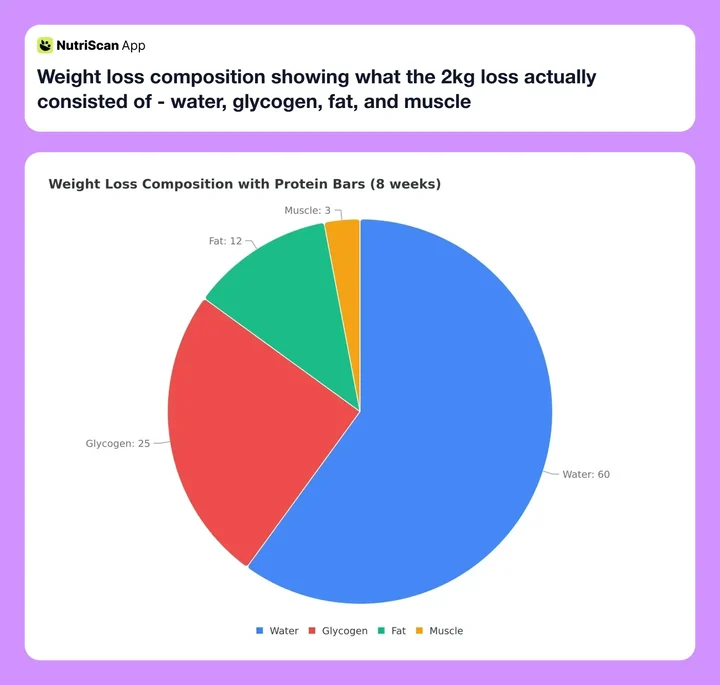 Figure 2: What protein bar-supported weight loss actually consists of over 8 weeks - notice the higher fat loss percentage compared to muscle loss
Additional Insights from My Journey
Beyond the basics, a few small things mattered more than I expected. Temperature matters more than you'd think - I found that refrigerated protein bars feel more satisfying than room temperature ones. The firmer texture makes me eat slower, increasing satisfaction.
I also learned about "protein bar fatigue" - eating the same flavor daily killed my motivation after two weeks. Now I rotate between three different brands and five flavors. This variety keeps me interested and prevents the "diet food depression" that derailed my previous attempts.
Cost was initially a concern. Protein bars seemed expensive at $2-3 each. But when I tracked my spending with and without them, I actually saved money. Those afternoon coffee shop visits I replaced? They cost me $5-7 daily. The protein bar plus water from my bottle costs less than half that amount.
Social situations presented another challenge. Eating a protein bar at office celebrations felt awkward initially. I solved this by choosing bars that look and taste like regular snacks. Nobody questions when I'm eating what looks like a chocolate brownie bar during afternoon break time.
My energy levels transformed once I found the right protein bar routine. The 3 PM slump that used to send me to the vending machine? Gone. I'm more productive in afternoon meetings, and I don't arrive home starving and likely to raid the pantry before dinner.
Sleep quality improved too, though I didn't expect this benefit. By managing my hunger better throughout the day and avoiding blood sugar crashes, I stopped waking up hungry at 2 AM. Better sleep meant better recovery, more energy for workouts, and improved weight loss results.
Three steps done. Here’s the collagen timing move that changed my results.

Step 4: Activate the Collagen Timing Protocol
Here’s the reveal I teased earlier: pairing a 3 PM collagen-enriched bar with a 9 PM magnesium-heavy snack kept my cravings low and my sleep steady. It only worked once the first three steps were dialed in, and the effect I can actually point to in my log is fewer late-evening snacks, not faster fat loss. I have no controlled comparison to offer here, only my own logging.
The Long-Term Health Investment Nobody Talks About
My perspective shifted when I stopped thinking about weight loss and started thinking about aging gracefully. My grandmother spent her final years unable to carry her own groceries or climb stairs without help. She wasn't overweight - she simply lost too much muscle mass over the decades.
That decline of 3-8% per decade is the number I keep coming back to, because it decides whether you can carry your own shopping at 80.
Framed that way, the bar in my bag is managing today's hunger and protecting muscle I will want in 30 years at the same time.
You can't store protein the way you store fat, so intake has to be steady rather than heroic once a week. That is the whole reason a boring afternoon habit beats an occasional big protein day.
This prevention mindset transformed how I choose protein bars. I now prioritize simple criteria: 20+ grams complete protein, minimal sugar, and whole food ingredients. I look for collagen for joint health and focus on amino acid profiles that optimize long-term metabolic health. My tracking focuses on the fundamentals - adequate protein, key micronutrients like magnesium for muscle function, vitamin D for bone health, and B-vitamins for energy metabolism. No need to overcomplicate what works.
The Simple Tracking Advantage in My Protein Bar Journey
Consistent tracking made the difference. Before developing a system, I'd manually log each bar in various apps, guessing at portions and trusting package labels. Now, I simply photograph my meals and bars, creating a visual record that reveals nutritional patterns over time.
The breakthrough came from asking simple questions weekly: "How do protein bars affect my nutrition scores?" and "What's my average protein intake on days with bars versus without?" The insights emerged from boring consistency, not fancy technology. Simple tracking revealed personalized patterns I'd never discover otherwise.
Last month, I noticed my weight loss plateauing. I analyzed my protein bar consumption patterns manually - just reviewing my food photos from the past month. The data revealed I'd gradually increased from one to two bars daily without realizing it. Those extra 200 calories explained everything! I adjusted back to one bar, and the scale started moving again. Log the meals first, then decide. It is worth reading what the evidence actually says about weight loss pills before you buy a supplement for a problem you have not measured yet. Sometimes the most powerful insights come from the simplest observations.
The pattern recognition amazed me too. After tracking consistently for a month, I learned my hunger patterns. I now know when I typically get hungry and whether a protein bar or whole food snack better fits my remaining daily needs. This personalized awareness - built through simple, consistent tracking - beats any generic diet plan. No expensive technology required, just boring consistency that compounds over decades.

Common Mistakes I Made With Protein Bars
My biggest error? Treating all protein bars equally. I assumed "protein bar" automatically meant "healthy for weight loss." Wrong! Some bars pack 400+ calories and 20 grams of sugar. They're more like meal replacements than snacks. The fundamental rule: if it has more sugar than protein, walk away. This simple filter saved me from countless poor choices at convenience stores.
I also fell into the "more is better" trap. I figured if one protein bar helped, three would triple the benefits. Instead, I experienced bloating, exceeded my calorie goals, and actually gained weight that week. Balance and moderation win every time.
Another mistake: ignoring whole foods. Protein bars became my crutch, replacing too many real meals. My energy crashed, and I missed important nutrients. Now I limit myself to one bar daily and focus on whole food proteins for main meals. The boring truth: whole foods beat supplements every time. Tracking reminds me when I'm lacking variety, but the principle is simple - bars supplement, never replace, real nutrition.
Workout timing confusion cost me results initially. I'd eat protein bars randomly, not strategically around exercise. Now I know: if I'm strength training, I eat a bar within 30 minutes after. For cardio days, I might skip the bar entirely and choose whole foods instead.
Brand loyalty nearly sabotaged my progress. I stuck with one brand because I liked the taste, ignoring that it contained 15 grams of sugar alcohols. The digestive issues were subtle but consistent. Rotating brands and reading ingredients carefully prevented this problem. Simple habit: read every label, every time.
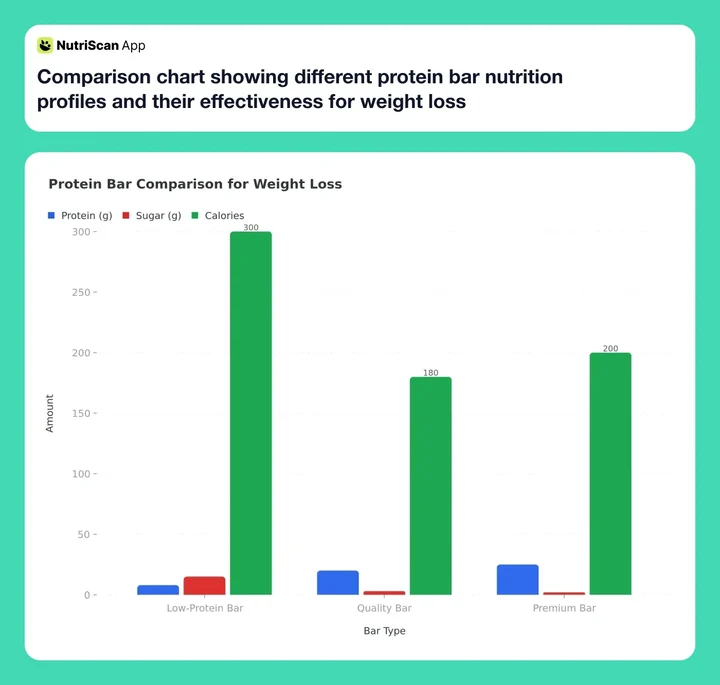 Figure 3: How different protein bars stack up for weight loss goals - the clear winners have high protein, low sugar, and moderate calories
Long-term Success Strategies
After two years of incorporating protein bars into my weight loss plan, I've developed sustainable strategies. I buy bars monthly, not in bulk, to avoid overconsumption temptation. I store them in my car, gym bag, and office drawer - never in my kitchen where mindless snacking happens.
I've also learned to adjust based on life changes. During stressful work periods, I might rely on bars more heavily. During vacations, I pack a few for airports and road trips but focus on experiencing local cuisine. Flexibility prevents the all-or-nothing mentality that ruins many diets.
Seasonal adjustments matter too. Summer heat makes some bars melty messes, so I switch to powder-based options I can mix with cold water. Winter's heartier appetites might need bars with slightly more calories and warming spices like cinnamon.
Keep this four-step checklist handy whenever your routine drifts.
Conclusion: Investing in Your Future Self
After three years of experimenting, researching and consistent tracking, my answer is a qualified yes. Protein bars help with weight loss when one bar clears the four label numbers and replaces something you were already going to eat. Used that way they are a simple tool, not a biohack, and they keep working because they are boring.
I stopped asking "Will this help me lose weight?" and started asking "Will this help me stay strong for decades?" Photographing every bar and meal made the second question answerable, because it showed me the whole nutritional picture rather than calories and macros alone. NutriScan gives every meal a NutriScore and full micronutrients on the free plan, with 5 scans a week to test it on the foods a database usually gets wrong. If weight loss is your main goal, our NutriScan for weight loss page walks through how that plays out day to day.
Trials of energy-restricted higher-protein diets point one way: more fat loss, and less loss of lean mass and resting energy expenditure than standard-protein diets at the same calories. Steady protein through life also works against the muscle loss that takes independence away from aging adults.
Beyond the scale, I have steadier energy, better workout recovery and better sleep. Protein bars are one tool inside a wider approach, not the whole plan.
So here is the concrete next step: read the back of the bar sitting in your bag right now. If sugar beats protein, that one is a candy bar with a health halo, and the swap you make tomorrow at 3 PM is worth more than any supplement you could buy this week.
Frequently Asked Questions
Q: How many protein bars can I eat per day while trying to lose weight?
A: Through my experience and research, I've found that one protein bar daily works best for weight loss. Occasionally, I'll have two on heavy workout days, but this is rare. The boring but effective rule: bars supplement, never dominate, your protein intake. I track my total daily protein through simple meal logging - photographing meals and bars shows if I'm overdoing it. Most successful weight loss stories I've encountered stick to the one-bar rule. Remember, even healthy protein bars add calories. If you eat three bars daily at 200 calories each, that's 600 calories - potentially a third of your daily allowance! Focus on whole food proteins for main meals and use bars strategically for convenience or hunger management.
Q: What's the best time to eat a protein bar for weight loss?
A: Timing transformed my results completely. After months of experimentation and consistent food logging, I discovered my optimal schedule through simple pattern observation. For pure weight loss, eating a protein bar at 3 PM worked best for me. It kills afternoon cravings and naturally reduces dinner portions. Post-workout consumption (within 30 minutes) helps recovery and prevents muscle loss during calorie deficits. Some people succeed with morning bars replacing higher-calorie breakfasts. The worst time? Late evening, when your body doesn't need the energy. NutriScan's pattern recognition showed me that nighttime protein bars correlated with slower weight loss weeks. Test different timings for two weeks each, track results, and let data guide your decision.
Q: Can protein bars replace meals for faster weight loss?
A: I tried meal replacement with protein bars - here's what happened. Initially, replacing lunch with a 250-calorie protein bar seemed brilliant for creating calorie deficits. The first week went well, but by week two, I felt tired, irritable, and constantly hungry. My tracking data revealed the problem: severe micronutrient deficiencies. Protein bars lack the vitamins, minerals, and phytonutrients found in whole meals. Occasionally replacing breakfast with a bar plus fruit works, especially when rushing. But consistent meal replacement leads to nutrient gaps, muscle loss, and eventual binge eating. I learned that sustainable weight loss requires balanced meals. Use bars as snacks or supplements, not meal replacements. Your body needs variety for optimal function and lasting results.
Q: How do I choose between whey, plant-based, or collagen protein bars?
A: Each type served different purposes in my journey. Whey protein bars offer complete amino acids and fastest absorption - perfect post-workout. However, they caused mild bloating until my body adjusted. Plant-based bars (pea, rice, hemp protein) suited my digestive system better for daily consumption, though some taste chalky. The newer development is collagen bars: in a 12-week randomized trial, adults eating collagen-enriched bars before meals lost 3.0 kg against 1.5 kg in the control group, though the collagen supplier funded the study. I rotate types based on needs: whey after strength training, plant-based for afternoon snacks, and I'm testing collagen bars for their satiety benefits. Simple tracking reveals how each type affects my energy and hunger patterns. No complex analysis needed - just consistent observation. Start with variety packs to test your body's response before committing to bulk purchases.
Q: Will protein bars slow my weight loss if I have a slow metabolism?
A: This concern plagued me initially since I'm over 40 with a naturally slower metabolism. Protein bars can actually boost metabolic rate when used correctly. Protein has a higher thermic effect than carbs or fats, meaning your body burns more calories digesting it. The key is choosing bars that fit your reduced calorie needs. With a slow metabolism, I stick to 150-calorie bars maximum and ensure they replace higher-calorie snacks, not add to them. Muscle tissue burns more calories at rest than fat, so holding onto it while you eat less keeps metabolism higher despite age-related slowing. More importantly, by maintaining muscle mass now, I'm preventing the metabolic decline that affects so many adults after 50. That matters for a healthy metabolism for life, not only for losing weight faster. The window for easy intervention narrows every year after 40.
Q: Which are the best protein bars for weight loss?
A: The best protein bars for weight loss are the ones that clear four label numbers, not the ones with the loudest packaging. At least 15g protein, under 200 calories, at least 3g fiber, and no more than 5g sugar. If the sugar figure beats the protein figure, put it back on the shelf. I buy single bars of three or four types before committing to a box and score each one on taste, how long it keeps me full, and how my stomach handles it. That test costs about the price of one box and has saved me several.
Q: Can I eat a Max Protein bar during weight loss?
A: Yes, with one condition: check the variant you are actually holding. Formats inside the same range carry different calories, sugar and protein, so the range name tells you nothing useful on its own. Hold that specific wrapper to the same four numbers, 15g or more protein, under 200 calories, 3g or more fiber, 5g or less sugar. Then ask what it is replacing. Eaten instead of your evening biscuits it is a deficit. Eaten alongside them it is 200 extra calories, and that is the version most people end up with.
One number worth keeping: muscle mass falls 3% to 8% per decade from age 30 and the decline gets steeper after 60. The protein habits you build now are what you have to work with later.