Smoky Plant-Proteínas Wrap: calorías, nutrición y beneficios para la salud
Delicious plant-based powerhouse packed con 14g proteínas, smoky flavors, and esencial nutrientes for cada health goal.
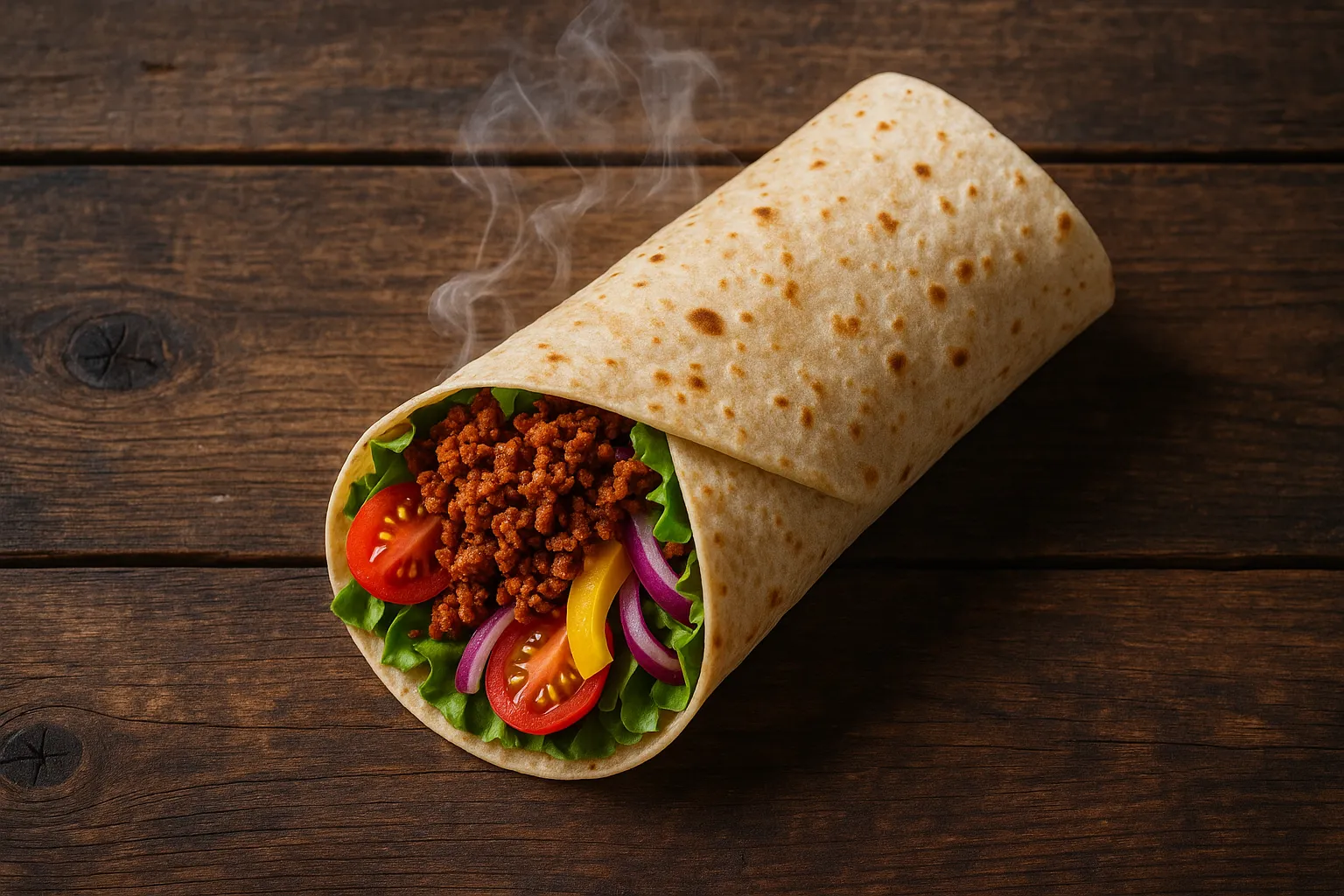
Datos Rápidos de Nutrición
Per 1 Wrap (180g)
| Nutriente | Cantidad |
|---|---|
| Calorías | 285 kcal |
| Proteínas | 14g |
| Carbohidratos | 38g |
| Fibra | 7g |
| Azúcares | 3g |
| Grasas | 8g |
| Hierro | 3.2mg |
| Calcio | 180mg |
| Vitamina B12 | 0.8mcg |
| Folate | 45mcg |
Desglose de Macronutrientes
 ChatGPT
  Claude
  AI Mode
  Perplexity
CONSEJO DEL NUTRICIONISTA
Plant-proteínas wraps deliver complete nutrition con soy-based proteins providing todo 9 esencial amino acids. El smoky tempeh or tofu adds probiotics for gut health and B12 for energy metabolismo.
Mitos vs Realidad
MITO #1: Plant Proteins Son Incomplete
REALIDAD: Soy-based proteins like tofu and tempeh contain todo 9 esencial amino acids, making them complete proteins comparable to animal sources. No necesitar to combine multiple plant foods in one meal.
MITO #2: Plant-Proteínas Wraps Don't Fill You Up
REALIDAD: El combination of 14g proteínas and 7g fibra promueve satiety mejor que muchos meat-based options. Fibra expands in your stomach, mientras proteínas triggers fullness hormones.
MITO #3: You Necesitar Meat for Ganancia Muscular
REALIDAD: Plant proteins support muscle growth equally bien as animal proteins cuando total proteínas intake es adequate. Athletes thrive on plant-based diets con proper planning.
MITO #4: Plant Wraps Son Alto in Carbohidratos
REALIDAD: At 38g carbohidratos per wrap, este es moderado for a complete meal. Elegir whole wheat tortillas for complex carbohidratos and pair con vegetables to reduce overall carb density mientras adding nutrientes.
MITO #5: Tempeh and Tofu Taste Bland
REALIDAD: Proper preparation transforms plant proteins. Smoking, marinating, or pan-searing creates rich flavors. El smoky variety adds depth sin animal products.
MITO #6: Plant Proteins Lack Importante Nutrientes
REALIDAD: Fortified plant proteins provide hierro, calcio, B12, and zinc. Muchos plant-based wraps exceed el micronutrient content of meat alternatives.
NutriScore por Objetivos de Salud
| Objetivo de Salud | NutriScore | ¿Por qué esta puntuación? |
|---|---|---|
| Pérdida de Peso |  | 285 calorías con 14g proteínas and 7g fibra promueve fullness. Límite to 1 wrap con vegetables for balanced meal. |
| Ganancia Muscular |  | 14g complete proteínas plus 38g carbohidratos for glycogen replenishment. Perfect post-workout meal within 60 minutes. |
| Control de Diabetes | | Moderado carbohidratos (38g) balanced con proteínas and fibra. Elegir whole wheat tortilla, add saludable fats for mejor azúcar en sangre control. |
| Control del SOP | | Alto proteínas and fibra support insulin sensitivity. Plant proteins don't affect hormones negatively like algunos animal proteins. |
| Nutrición en el Embarazo | | Rich in folate (45mcg), hierro (3.2mg), and B12 (0.8mcg) esencial for fetal development. Ensure B12 fortification. |
| Viral/Recuperación de Gripe | | Easy to digest, proteínas apoya immune function, hierro aids oxygen transport. Anti-inflammatory plant compounds boost recovery. |
NUTRICIÓN PERSONALIZADA
Registra tus comidas con NutriScan para personalizados NutriScores based on your specific health goals!
Respuesta de Azúcar en Sangre to Plant-Proteínas Wrap
Understanding cómo plant-proteínas wraps affect your glucosa en sangre ayuda optimize meal timing and combinations.
Curva Típica de Respuesta de Glucosa
Este gráfico muestra respuesta típica de glucosa en sangre para individuos sanos en general. Las respuestas individuales pueden variar. No es consejo médico.
Cómo Aplanar el Pico
Combining fibra, proteínas, and saludable fats creates a balanced glucose response:
- 🥑 Add avocado slices - Saludable fats slow carb absorption
- 🥬 Load con leafy greens - Extra fibra sin calorías
- 🥜 Sprinkle nuts or seeds - Adds proteínas, saludable fats, crunch
- 🫒 Drizzle tahini or hummus - Plant-based proteínas and fats
Este combination extends energy release and previene el typical post-meal crash.
Importancia Cultural
Plant-based wraps have roots in multiple culinary traditions, evolving into modern nutrition solutions.
Global Origins:
- Mexican tortillas usado beans and vegetables for centuries
- Middle Eastern falafel wraps combined legumes con tahini
- Asian spring rolls featured tofu and tempeh
- Mediterranean grape leaves wrapped grains and herbs
Modern Evolution:
- 1970s: Vegetarian movement popularized meatless wraps
- 1990s: Tofu and tempeh entered mainstream Western cuisine
- 2000s: Smoky plant proteins gained popularity con BBQ flavors
- 2020s: Climate-conscious eating drives plant-proteínas innovation
In India:
- Paneer tikka wraps bridge traditional and modern tastes
- Chole (chickpea) wraps provide regional proteínas alternatives
- Sprouted moong wraps offer traditional Ayurvedic nutrition
- Mumbai street food adapts plant proteins into kathi rolls
Compara y Sustituye
Smoky Plant-Proteínas Wrap vs Similar Options (Por 100g)
| Nutriente | 🌯 Plant Wrap | 🌮 Chicken Wrap | 🥙 Falafel Wrap | 🍖 Beef Wrap |
|---|---|---|---|---|
| Calorías | 158 kcal | 165 kcal | 180 kcal | 210 kcal |
| Carbohidratos | 21g | 18g | 24g | 15g |
| Fibra | 3.9g | 1.5g | 3.2g | 0.8g |
| Proteínas | 7.8g | 12g | 6.5g | 15g |
| Grasas | 4.4g | 6.2g | 8.5g | 12g |
| Hierro | 1.8mg | 0.8mg | 2.1mg | 1.5mg |
| Colesterol | 0mg | 35mg | 0mg | 45mg |
| B12 | 0.4mcg | 0.3mcg | 0mcg (unless fortified) | 1.2mcg |
| Mejor Para | Vegan diets, salud del corazón | Alto-proteínas, bajo-carb diets | Mediterranean flavor fans | Keto, muy alto proteínas |
Preguntas Frecuentes
Es a plant-proteínas wrap bueno for pérdida de peso?
Yes, plant-proteínas wraps support pérdida de peso con balanced nutrition. At 285 calorías con 14g proteínas and 7g fibra, they promote satiety and prevent overeating.
Mejor practices: Usar whole wheat tortilla, load con vegetables (spinach, peppers, tomatoes), add minimal sauce, pair con side salad, límite to 1 wrap per meal, elegir a la parrilla over frito preparation.
Cómo mucho proteínas es in a plant-proteínas wrap?
A smoky plant-proteínas wrap contiene 14g of proteínas from tofu, tempeh, or beans. Este proporciona aproximadamente 28% of diario proteínas needs for a 2000-calorie diet.
For mayor proteínas: Add extra tofu cubes (10g proteínas por 100g), include black beans (9g por 100g), or spread hummus (3g per 2 tbsp).
Son plant-proteínas wraps saludable?
Yes, plant-proteínas wraps son highly nutritivo:
- Complete Proteínas: Soy-based proteins contain todo esencial amino acids
- Heart-Saludable: Zero cholesterol, bajo grasas saturadas
- Rich in Fibra: 7g apoya salud digestiva
- Micronutrient-Dense: Hierro, calcio, B12, folate
- Anti-inflammatory: Plant compounds reduce inflamación
- Gut-Friendly: Fermented tempeh adds probiotics
¿Pueden los diabéticos comer plant-proteínas wraps?
Diabetics puede enjoy plant-proteínas wraps con smart modifications:
Tips for diabetics:
- Elegir whole wheat or bajo-carb tortillas (reduce to 25-30g carbohidratos)
- Add extra vegetables to increase fibra (target 10g+ total)
- Include saludable fats like avocado or tahini
- Pair con proteínas-rich sides (edamame, Griego yogurt)
- Monitor azúcar en sangre 2 hours después eating
- Mejor timing: lunch cuando insulin sensitivity es mayor
El 14g proteínas and 7g fibra help stabilize azúcar en sangre mejor que alto-carb wraps. Siempre consult your healthcare provider.
Qué's el mejor proteínas source for plant-based wraps?
Top Plant-Proteínas Sources:
- Tofu (firm): 10g proteínas por 100g, mild flavor absorbs marinades bien, calcio-fortified varieties add 200mg calcio
- Tempeh: 19g proteínas por 100g, nutty flavor, probiotic-rich from fermentation, mayor fibra (6g por 100g)
- Black Beans: 9g proteínas por 100g, adds texture, rich in folate and hierro, cost-effective
- Edamame: 11g proteínas por 100g, complete proteínas, adds crunch, vitamina K-rich
Recommendation: Tempeh for highest proteínas and probiotics; tofu for calcio and versatility; beans for budget-friendly fibra.
Son plant-proteínas wraps bueno for ganancia muscular?
Yes, plant-proteínas wraps effectively support muscle growth:
Por qué They Trabajo:
- 14g Complete Proteínas: Soy proporciona todo esencial amino acids needed for muscle synthesis
- 38g Carbohidratos: Replenishes glycogen stores depleted durante training
- Hierro (3.2mg): Apoya oxygen delivery to muscles
- B12 (0.8mcg): Esencial for energy metabolismo
Mejor Practices: Consume within 30-60 minutes post-workout; pair con plant-based proteínas shake (additional 20g proteínas); add quinoa or brown rice for extra carbohidratos; include nuts for saludable fats and calorías.
La investigación muestra plant proteins build muscle as effectively as animal proteins cuando total intake meets requirements (1.6-2.2g per kg body peso).
Cuando es el mejor tiempo to eat a plant-proteínas wrap?
Depends on your goal:
- Pérdida de Peso: Lunch (4-6 hours antes dinner) or early dinner (antes 7 PM). El fibra keeps you lleno through afternoon cravings.
- Ganancia Muscular: Post-workout (within 60 minutes) or pre-workout (90 minutes antes). Proporciona proteínas for recovery and carbohidratos for energy.
- Diabetes: Lunch cuando insulin sensitivity peaks. Evitar late night cuando azúcar en sangre control weakens.
- Energy: Mid-día meal (11 AM - 2 PM) for sustained afternoon energy sin crash.
IMPORTANT NOTE
Pair con vegetables and evitar heavy sauces if eating within 2 hours of bedtime.
Cómo do I hacer a plant-proteínas wrap at hogar?
Easy Recipe (1 porción):
- Base: 1 whole wheat tortilla (10-inch)
- Proteínas: 100g smoked tempeh or firm tofu, cubed
- Vegetables: 1 cup mixed (spinach, peppers, tomatoes, onions)
- Flavor: 1 tbsp tahini or hummus, smoky paprika, garlic powder
- Assembly: Spread sauce, layer proteínas and vegetables, wrap tightly
Pro Tips: Marinate tofu/tempeh 30 minutes; pan-sear for crispy edges; warm tortilla for flexibility; add fermented vegetables for probiotics; usar nutritional yeast for B12 and cheesy flavor.


Alimentos Nutritivos Similares
4505 Chicharrones Classic Chili Salt
7 Eleven Japan Crispy Corn Cheese
Explore Más Nutrition Tools & Resources
App de agua y calorías gratis con registro diario
App de ayuno intermitente gratis con temporizador
App de macros: NutriScan las rellena desde una foto
App de plan de comidas para volumen limpio
App de plan de comidas vegetariano con objetivo de proteína
App de Plan de Dieta India Vegetariana y No Vegetariana
App de plan de dieta mediterránea que cuenta el aceite
App nutricionista con IA que lee tus comidas
App para Subir de Peso: Plan de Dieta con IA
Ayuno Intermitente para Mujeres, Timer y Registro de Comidas
Coach de pérdida de peso ChatGPT: con registro
Contador de Calorías Activado por Voz - Di tus Comidas y Rastrea Nutrición Sin Manos — 2026
Contador de calorías ChatGPT: alternativa que no lo olvida
Contador de Calorías con IA: calorías con fotos, gratis
Contador de calorías de comida rápida con foto
Contador de calorías gratis con fotos | NutriScan
Contador de Calorías para Comida Española - Información Nutricional Instantánea — 2026
Escáner de Etiquetas Nutricionales para tu Ración Real
Generador Lista de Compras Keto
Generador Lista de Compras Mensual
Guía Proteína Tercer Trimestre
Plan de comidas semanal con calorías y lista de compras
Plan de dieta ChatGPT: alternativa que registra comidas
Plan de Dieta para Ganar Peso España