Hirse und Getreide Kalorien: 21 Lebensmittel im Vergleich
 ChatGPT
 Claude
 AI Mode
 Perplexity
Wenigste Kalorien: Ragi Vada, 85 kcal (1 Stück, 50 g). Meistes Protein: Quinoa, 8,1 g (1 Tasse gekocht, 185 g).
Wir haben Nährwertseiten für 21 Hirsen, Getreide und Getreideprodukte. Pro Portion reichen sie von 85 Kalorien für Ragi Vada (1 Stück, 50 g) bis 295 Kalorien für Ragi Ball (Mudde) (1 mittelgroßer Kloß, 265 g gekocht). Jede Zeile führt zur ausführlichen Seite des Lebensmittels.
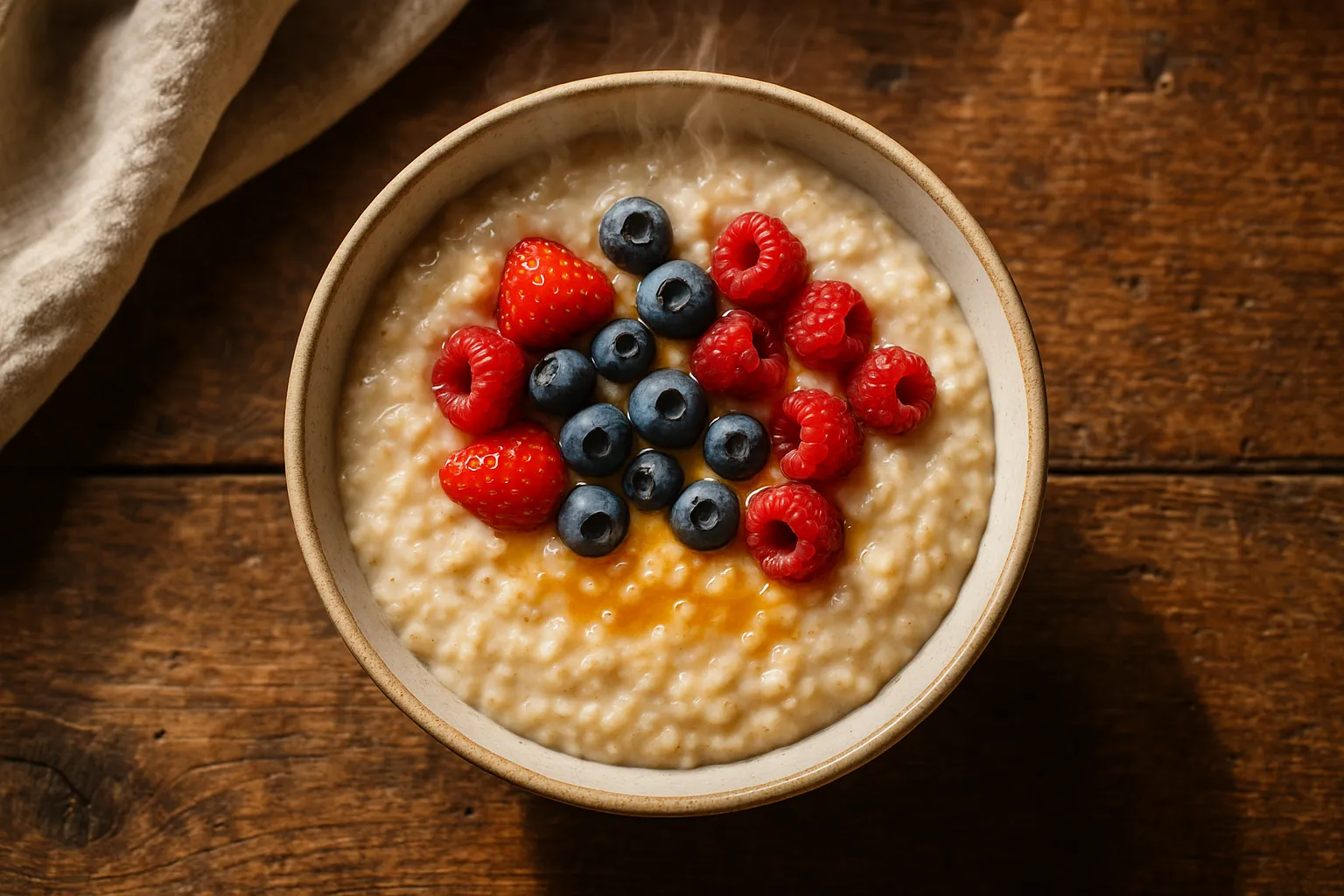 Haferflocken100 g gekocht, pur71kcalProtein 2,5 g · Kohlenhydrate 12 g · Fett 1,5 g
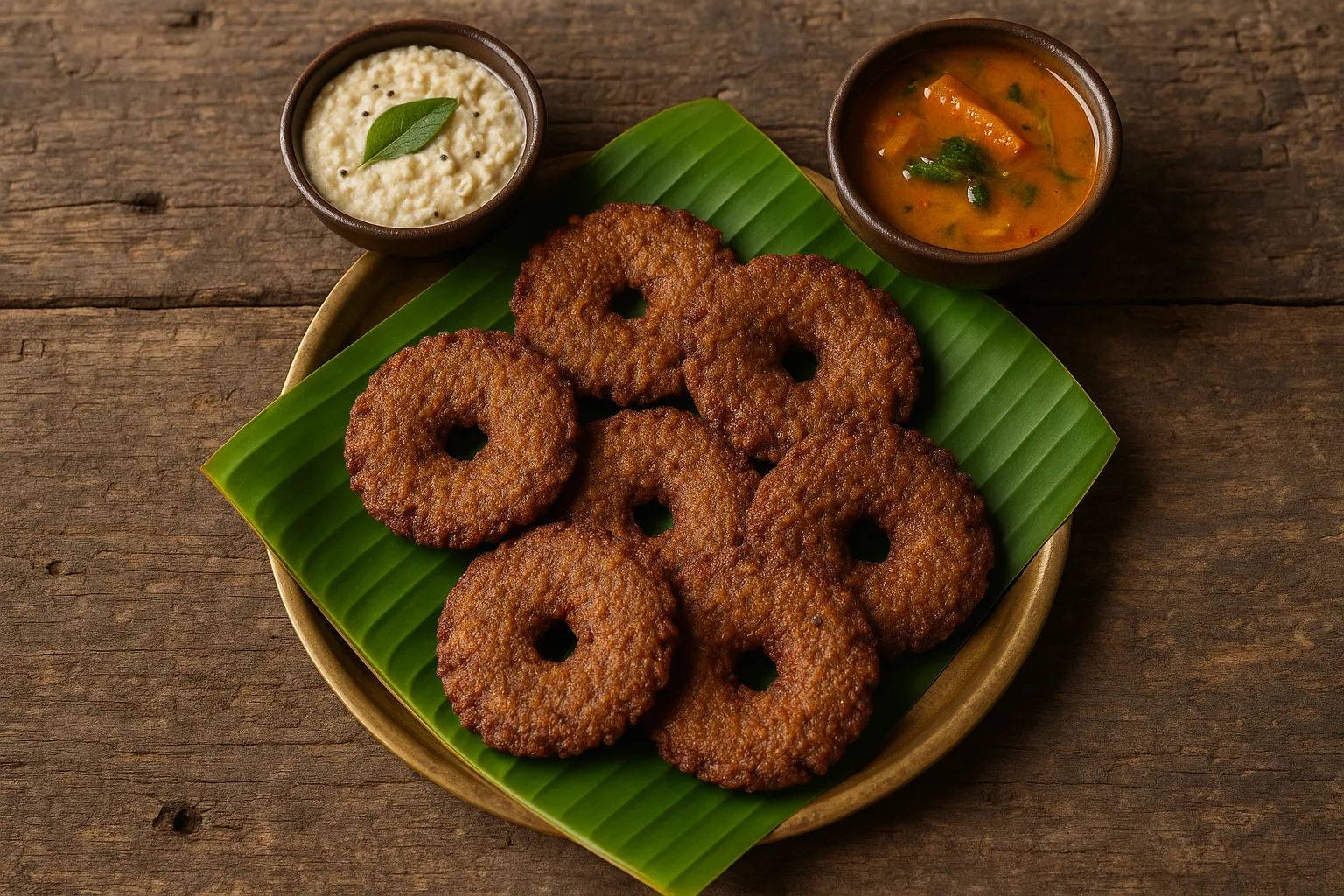 Ragi Vada1 Stück (50 g)85kcalProtein 3,2 g · Kohlenhydrate 13 g · Fett 2,5 g
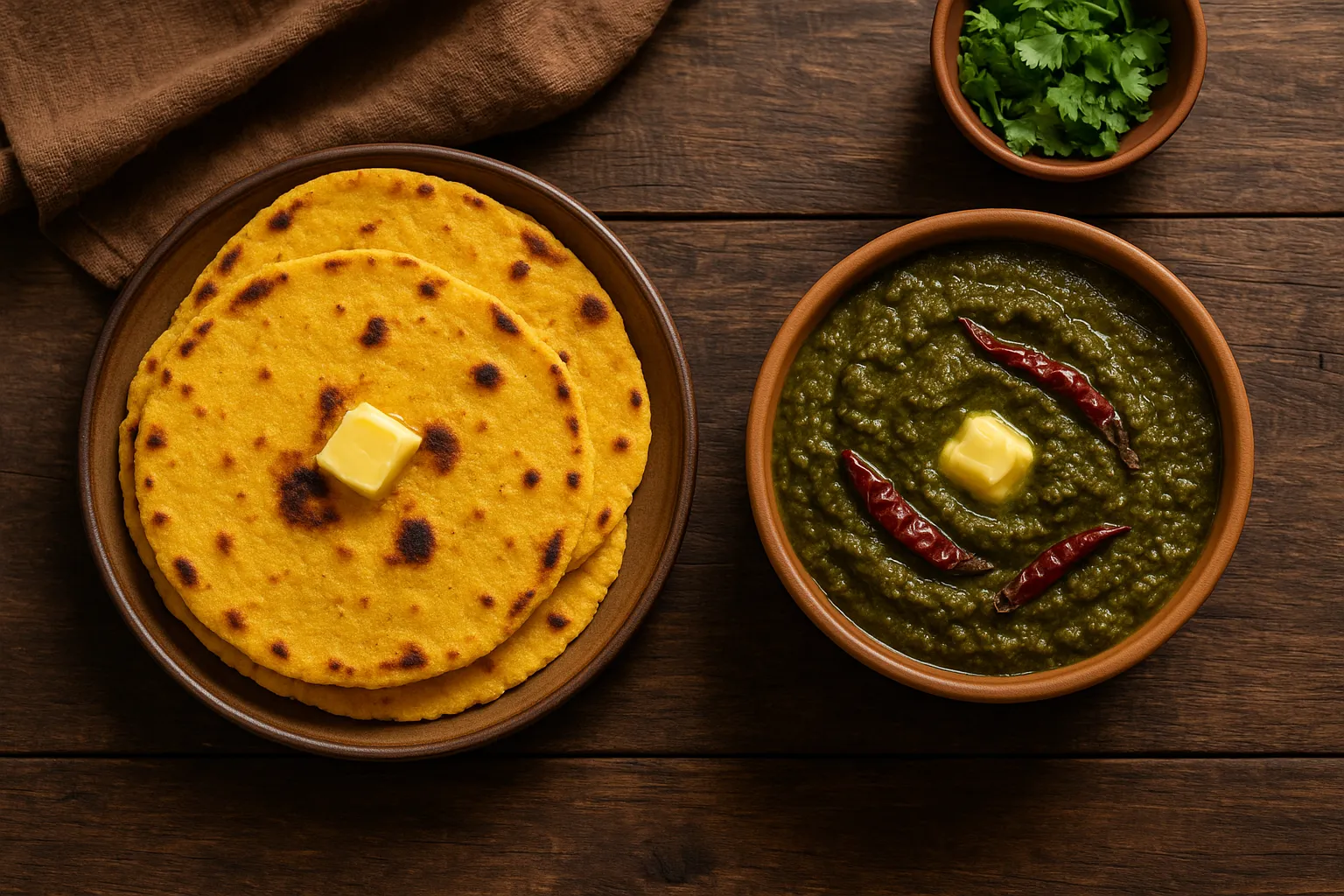 Makki Di Roti1 Roti (40 g)90kcalProtein 1,7 g · Kohlenhydrate 13,82 g · Fett 3,38 g
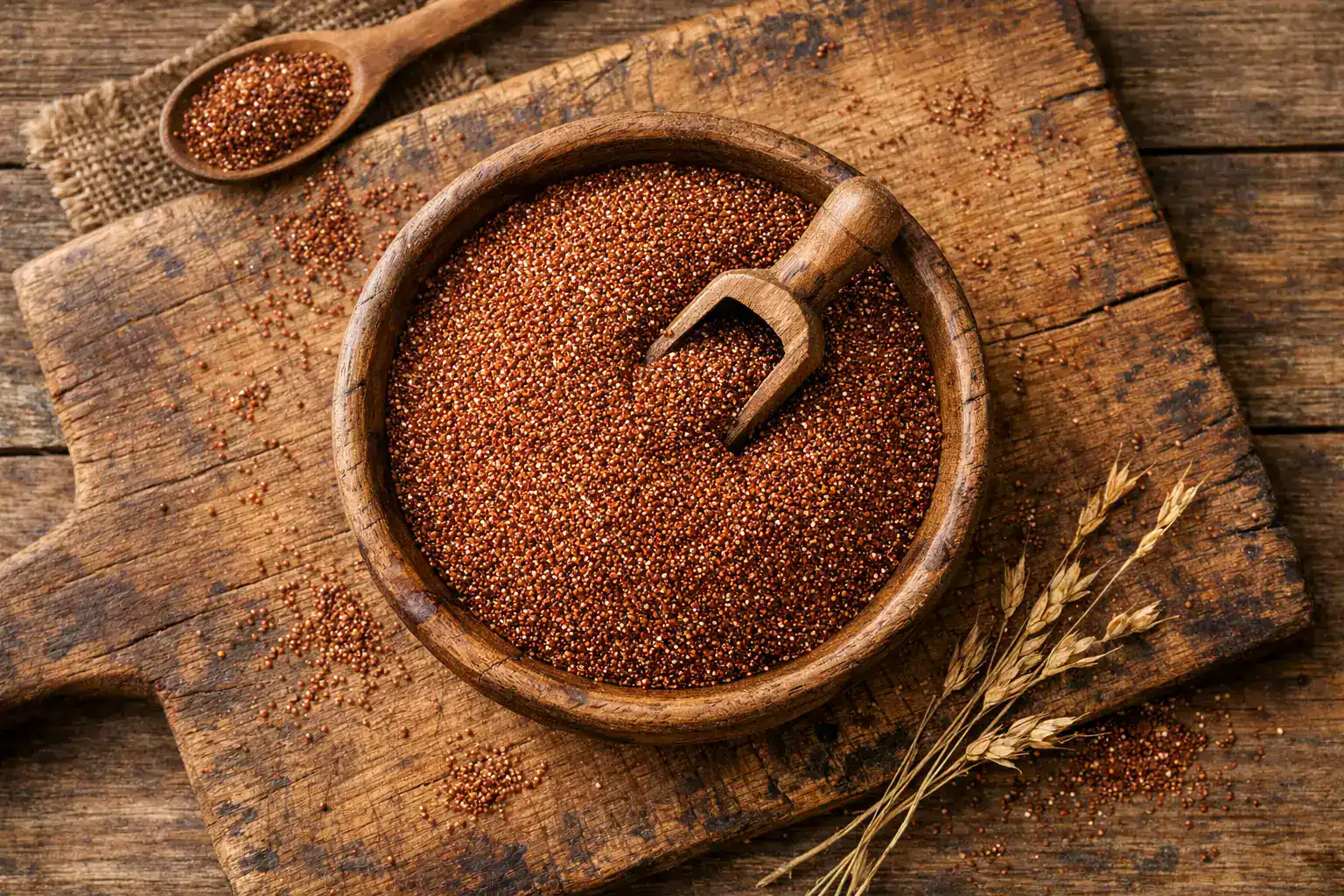 Teff1/2 Tasse gekocht (126 g)101kcalProtein 3,9 g · Kohlenhydrate 20 g · Fett 0,6 g
 Hirse100 g gekocht119kcalProtein 3,5 g · Kohlenhydrate 23,7 g · Fett 1 g
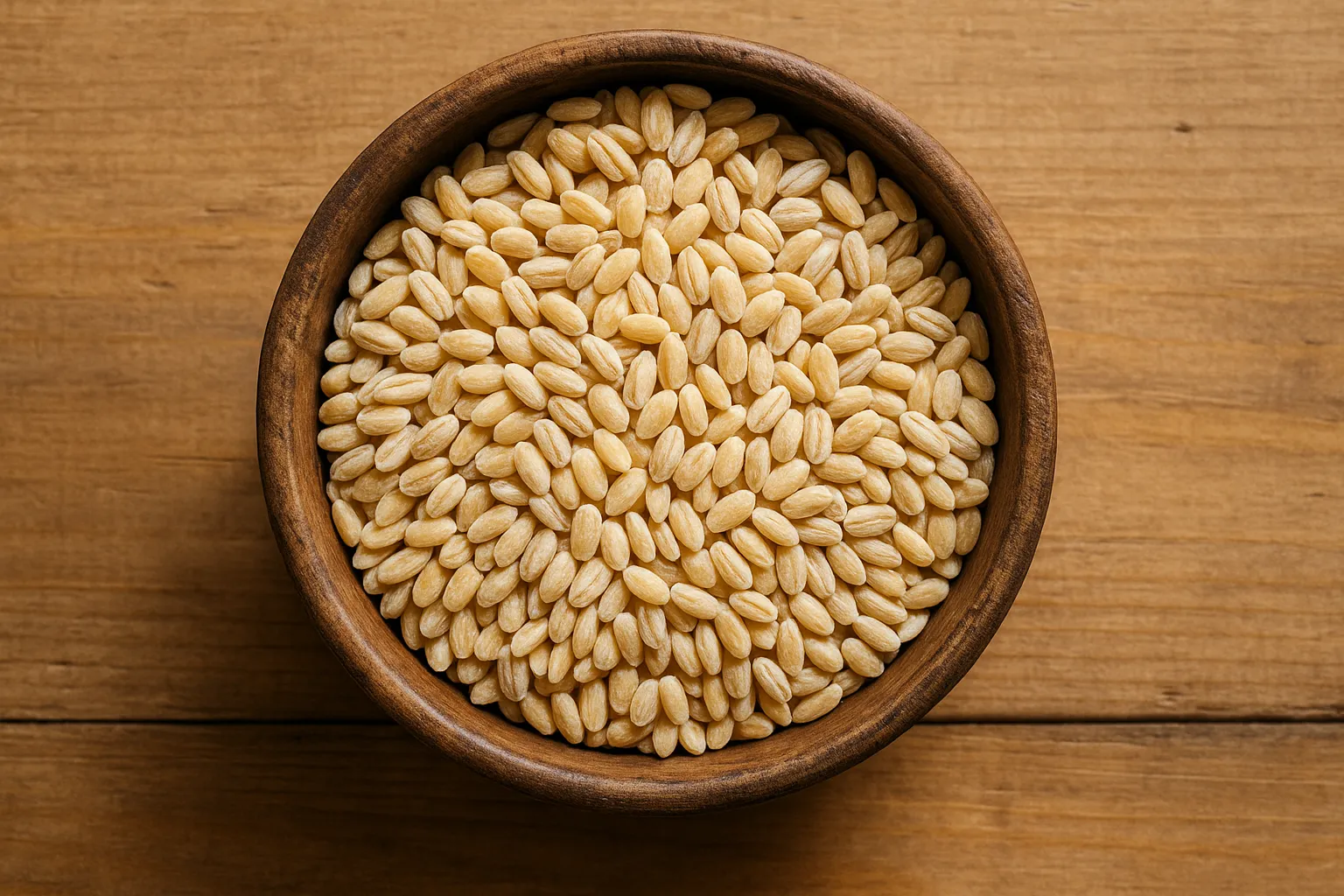 Gerste100 g gekochte Perlgraupen123kcalProtein 2,3 g · Kohlenhydrate 28,2 g · Fett 0,4 g
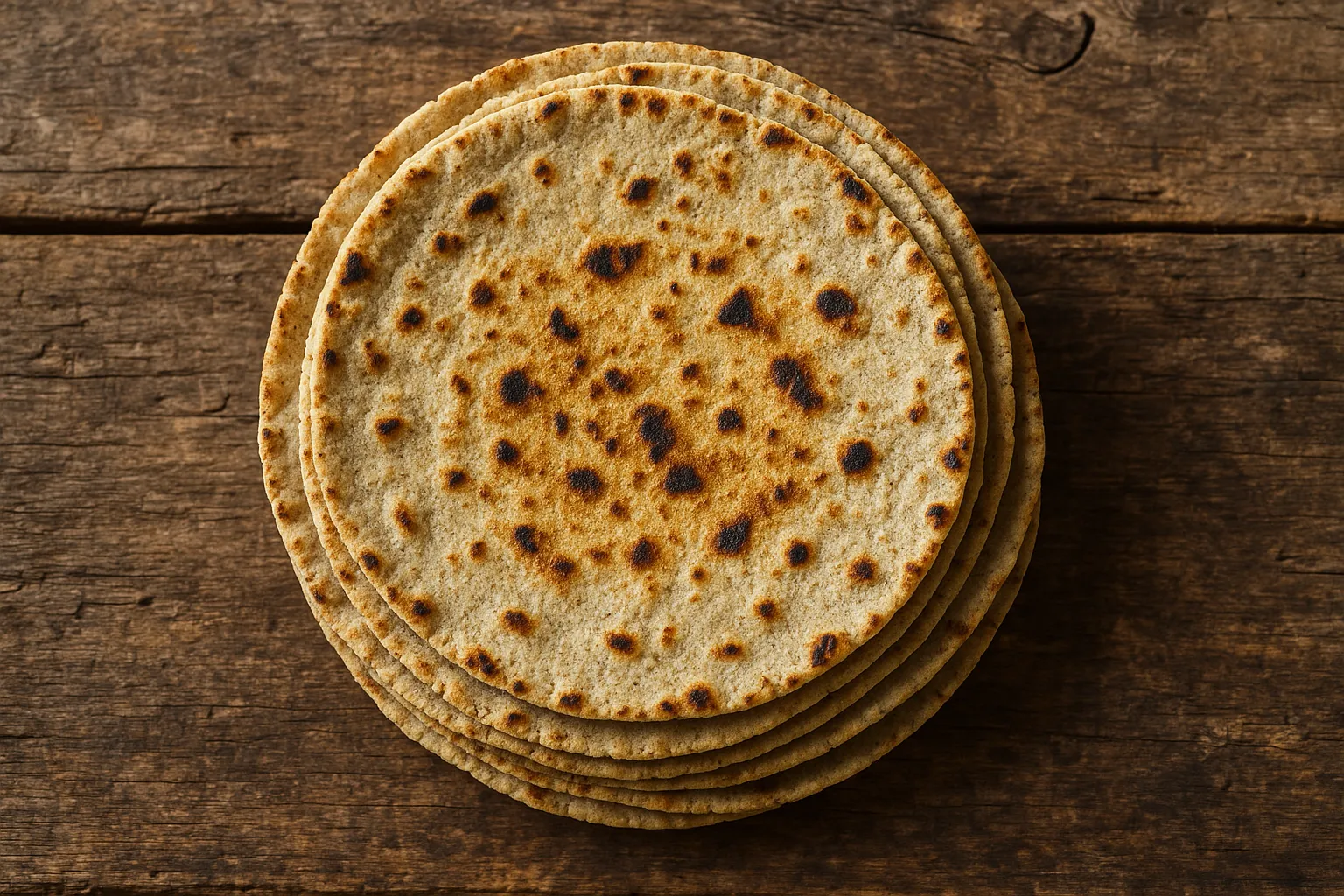 Bajra Roti1 mittelgroßes Roti (50 g)150kcalProtein 4,2 g · Kohlenhydrate 28 g · Fett 1,5 g
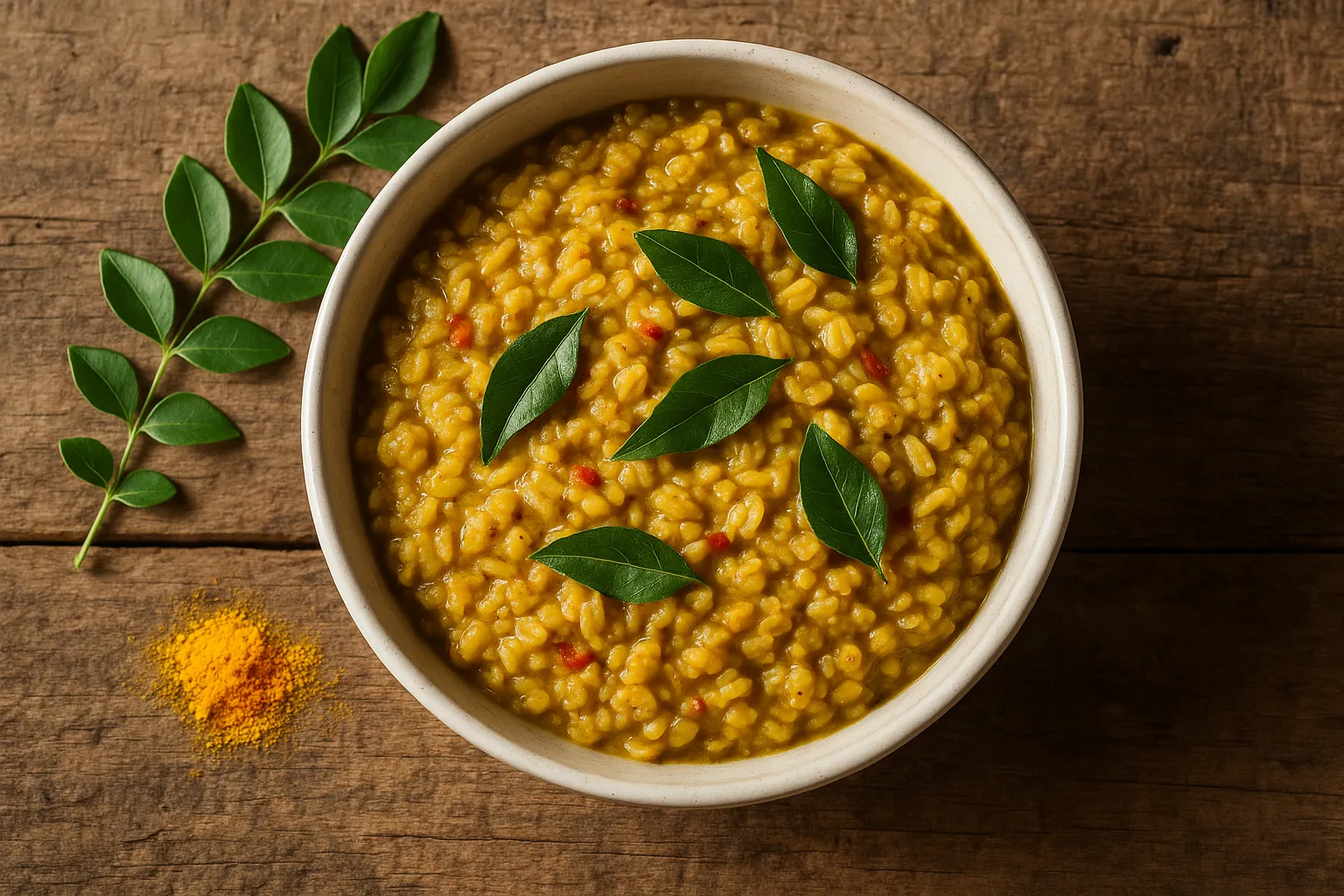 Würzige herzhafte Haferflocken1 Tasse gekocht (234 g)159kcalProtein 6 g · Kohlenhydrate 27 g · Fett 3,2 g
 Marokkanischer Couscous1 Tasse gekocht (157 g)180kcalProtein 6 g · Kohlenhydrate 37 g · Fett 0,3 g
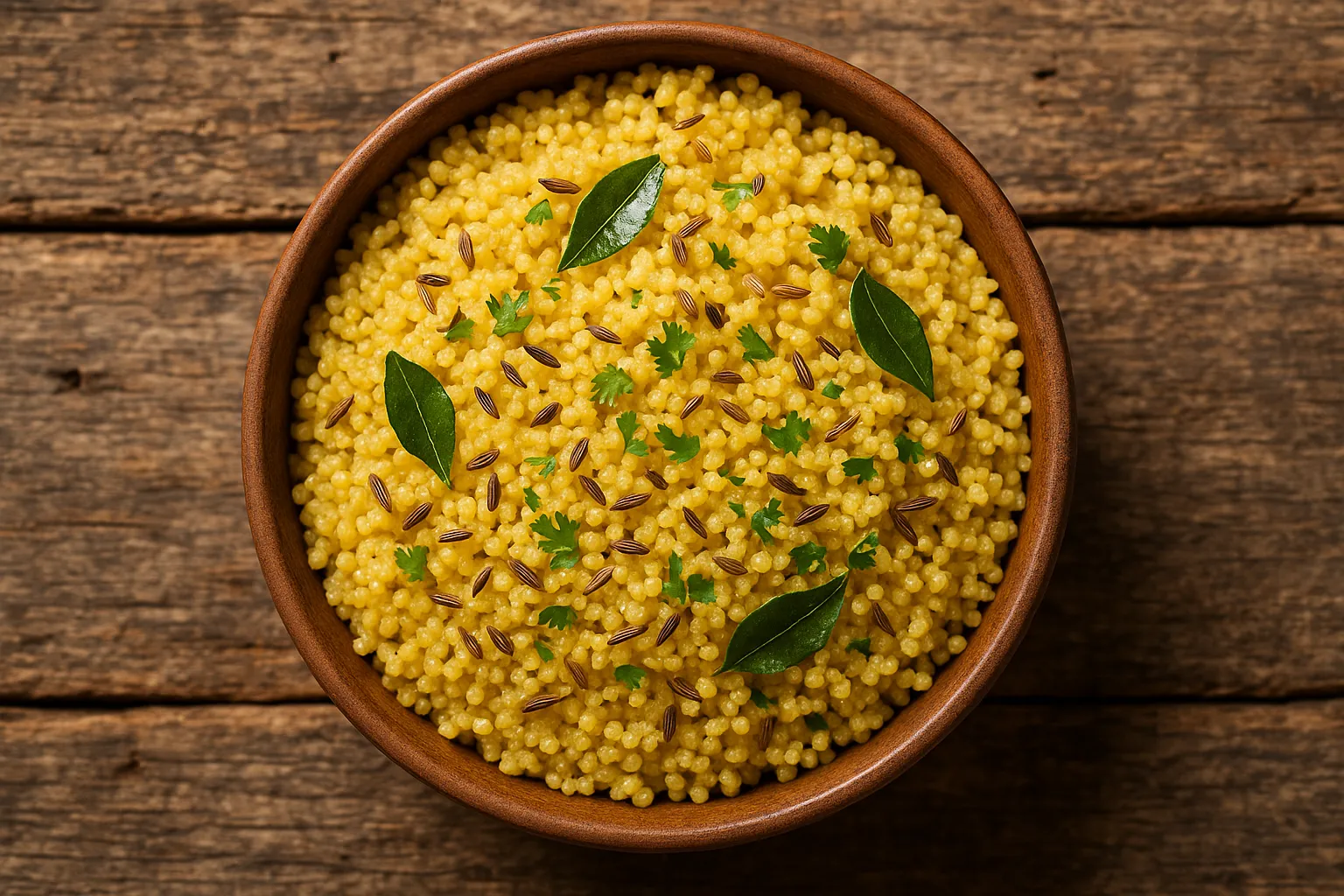 Jeera-Hirse1 Tasse gekocht (185 g)207kcalProtein 6 g · Kohlenhydrate 41 g · Fett 1,7 g
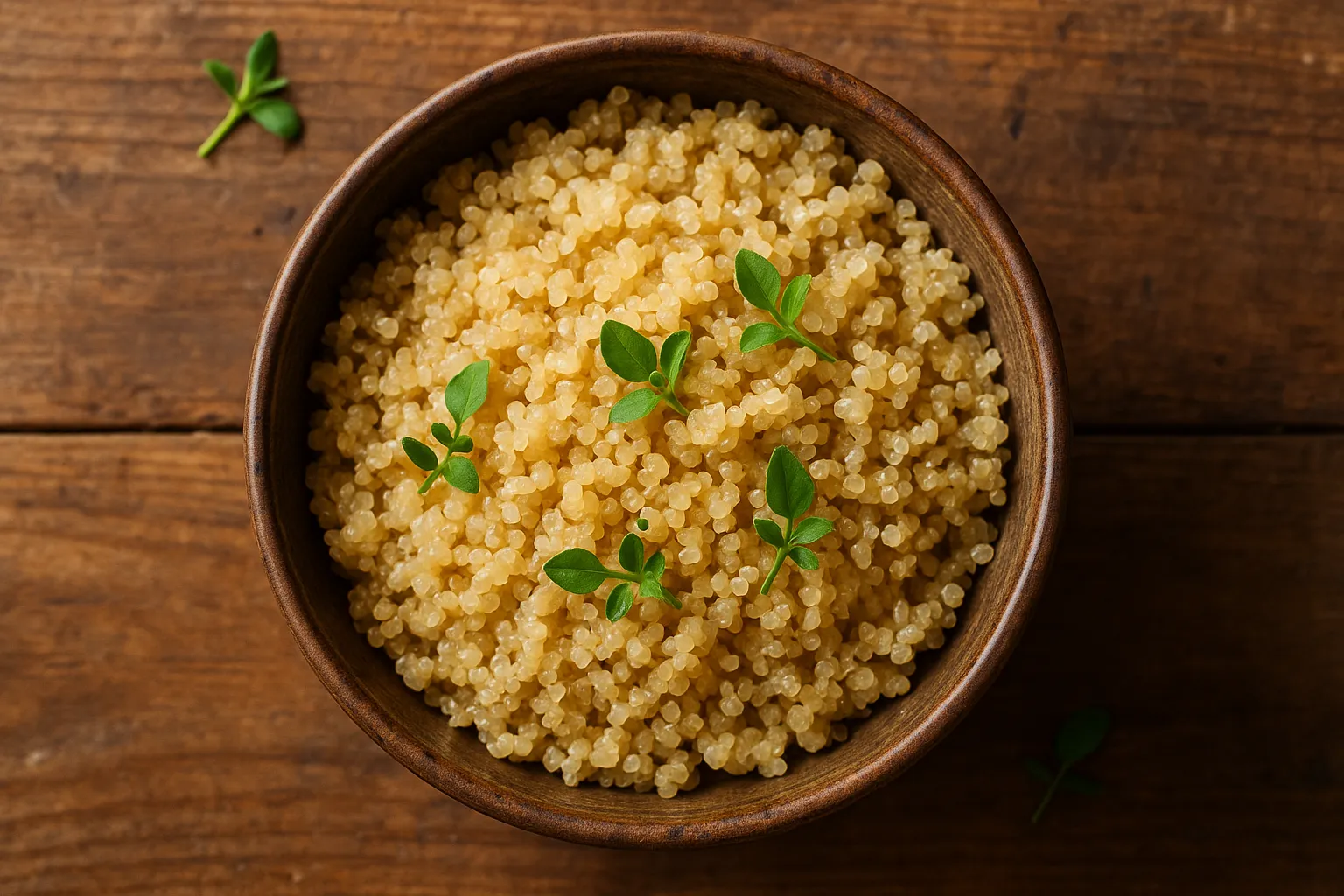 Quinoa1 Tasse gekocht (185 g)222kcalProtein 8,1 g · Kohlenhydrate 39,4 g · Fett 3,6 g
 Ragi Ball (Mudde)1 mittelgroßer Kloß (265 g gekocht, 90 g roh)295kcalProtein 6,6 g · Kohlenhydrate 65 g · Fett 1,4 g
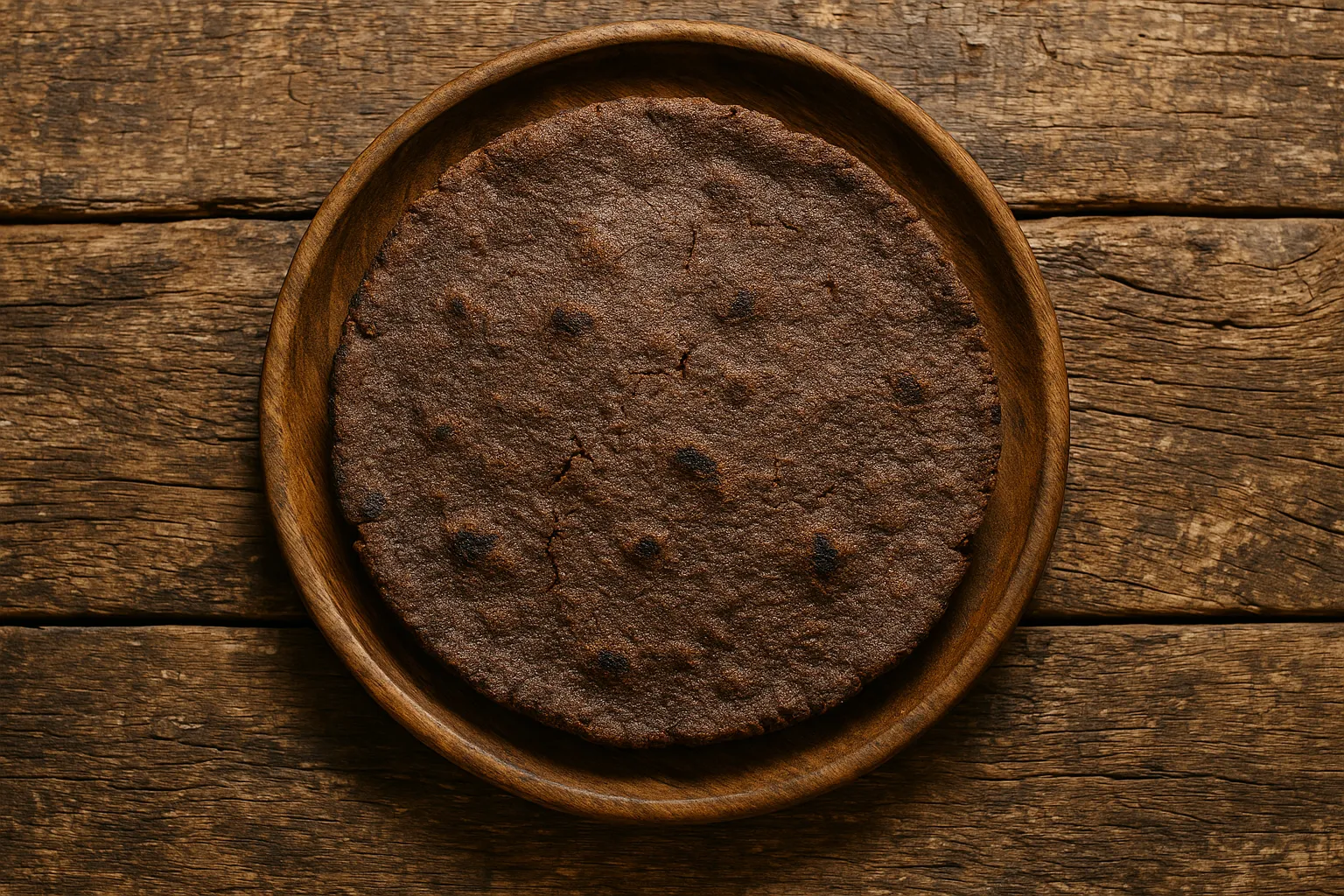 Ragi Roti100 g (etwa 2 Rotis)330kcalProtein 7,3 g · Kohlenhydrate 72 g · Fett 1,5 g
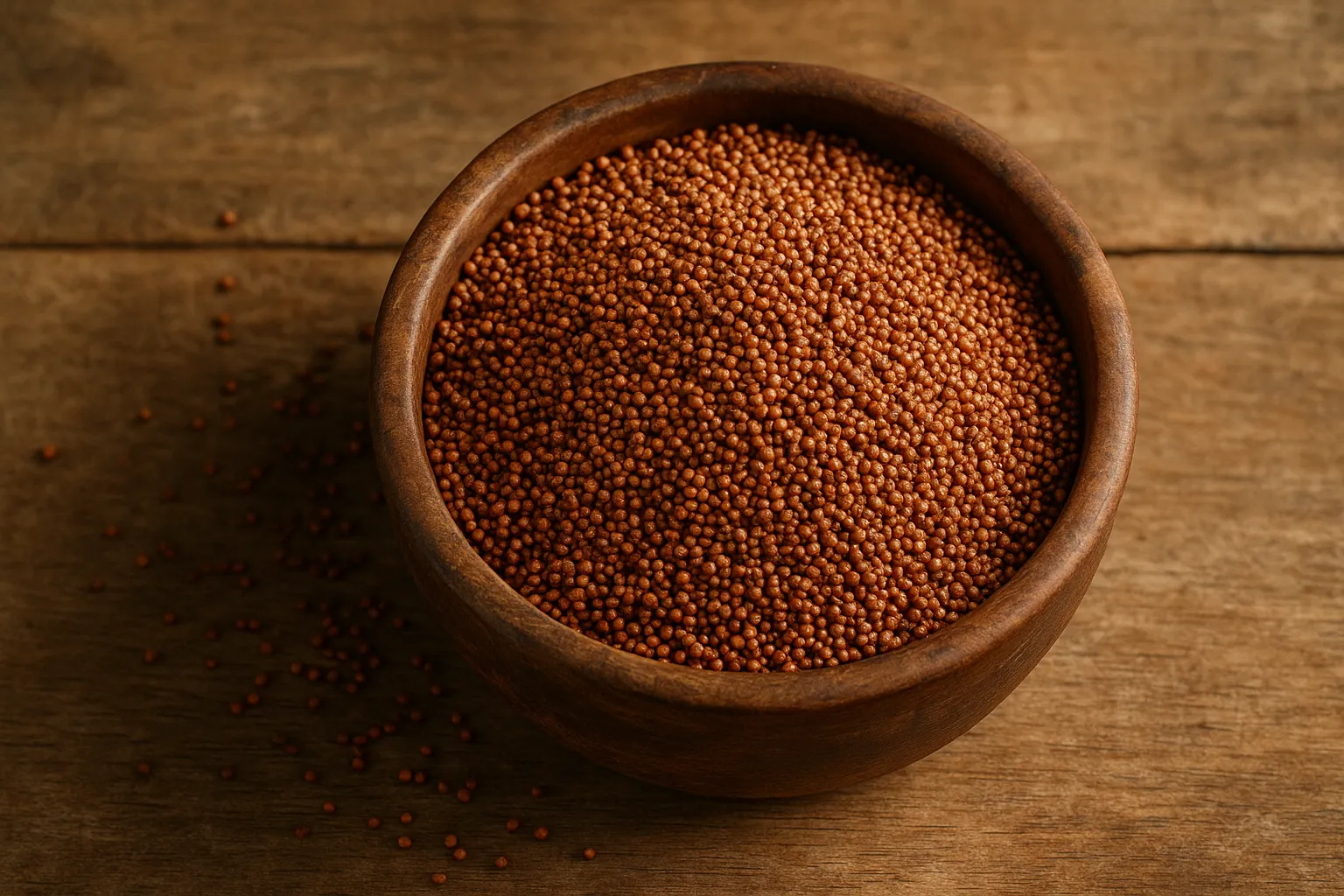 Ragi (Fingerhirse)100 g336kcalProtein 7,3 g · Kohlenhydrate 72 g · Fett 1,3 g
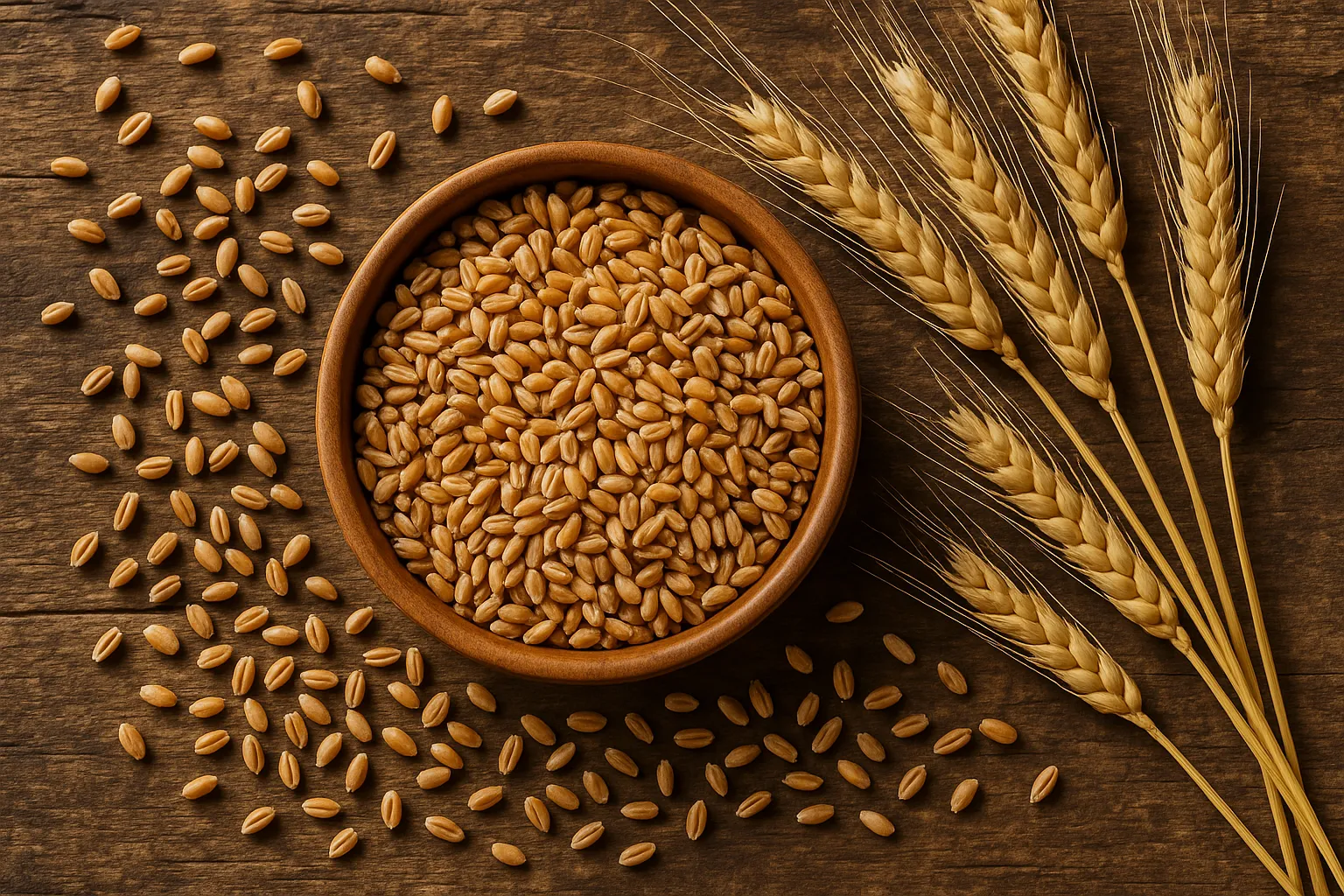 Wheat100 g ganze Körner340kcalProtein 13,2 g · Kohlenhydrate 71,2 g · Fett 2,5 g
 Fonio Grain100 g trocken350kcalProtein 8 g · Kohlenhydrate 75 g · Fett 1 g
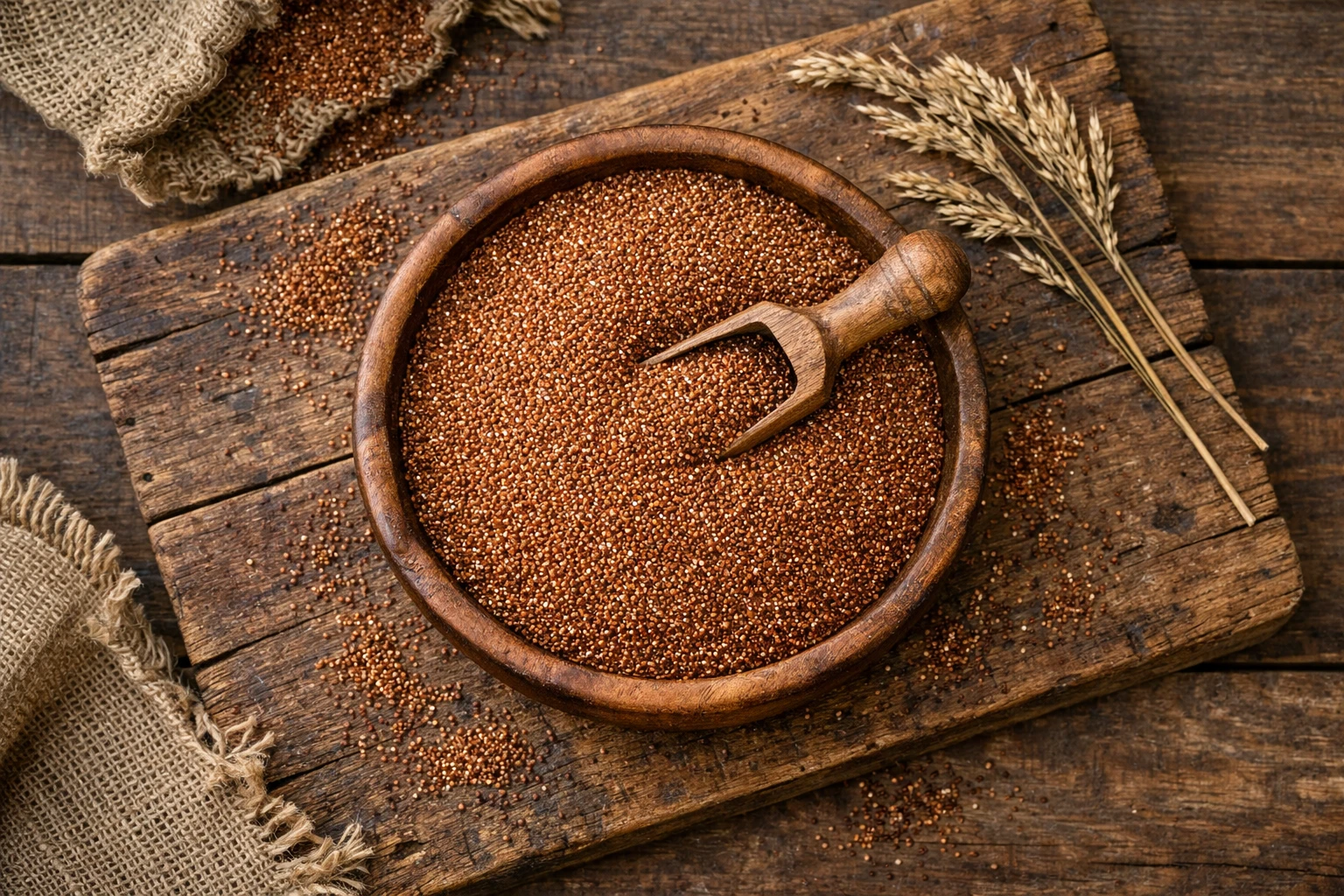 Teff-Getreide100 g trocken367kcalProtein 13 g · Kohlenhydrate 73 g · Fett 2 g
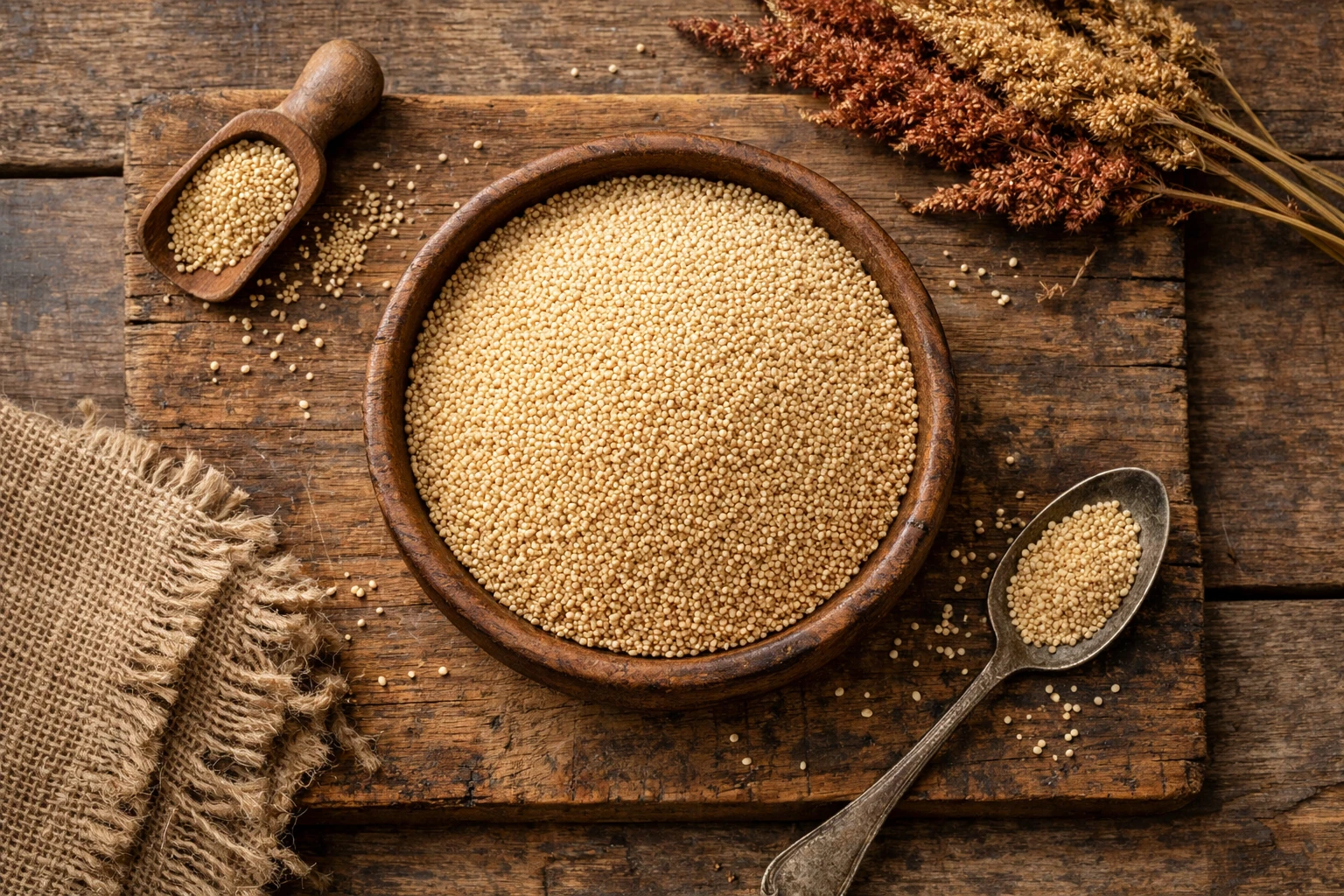 Amaranth Grain100 g trocken371kcalProtein 14 g · Kohlenhydrate 65 g · Fett 7 g
 Bikaji Jowar Mix100 g380kcalProtein 14 g · Kohlenhydrate 58 g · Fett 12 g
 Sattu100 g Pulver380kcalProtein 20 g · Kohlenhydrate 65 g · Fett 5 g
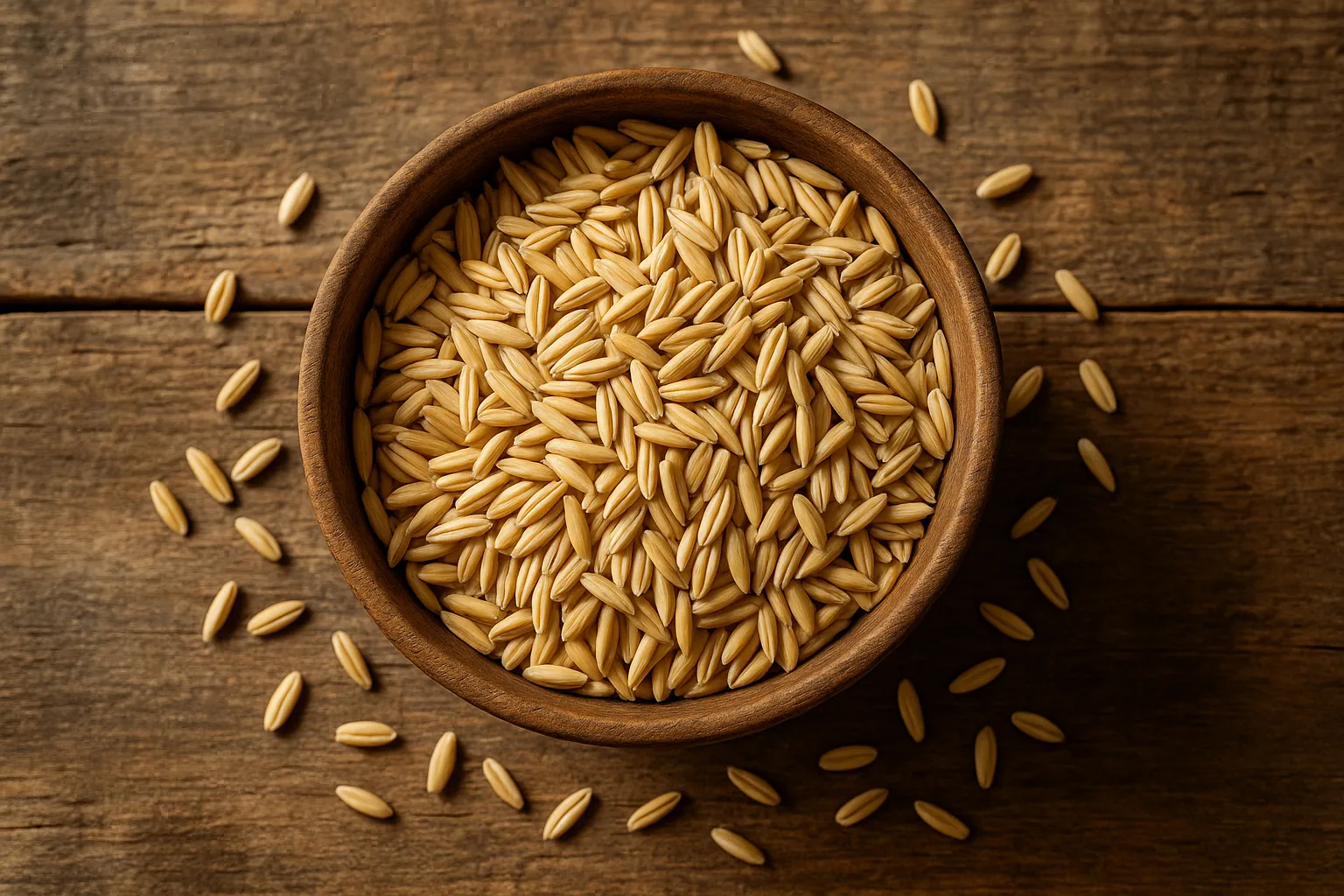 Hafer100 g trocken389kcalProtein 16,9 g · Kohlenhydrate 66,3 g · Fett 6,9 g
Hirse und Getreide Kalorien pro Portion
Diese 9 Zeilen gelten pro Portion, Stück oder Tasse. Die Portion steht in der zweiten Spalte; vergleiche zwei Zeilen also nur, wenn das Gewicht gleich ist.
| Lebensmittel | Portion | Kalorien | Protein | Kohlenhydrate | Fett |
|---|---|---|---|---|---|
| Ragi Vada | 1 Stück (50 g) | 85 | 3,2 g | 13 g | 2,5 g |
| Makki Di Roti | 1 Roti (40 g) | 90 | 1,7 g | 13,82 g | 3,38 g |
| Teff | 1/2 Tasse gekocht (126 g) | 101 | 3,9 g | 20 g | 0,6 g |
| Bajra Roti | 1 mittelgroßes Roti (50 g) | 150 | 4,2 g | 28 g | 1,5 g |
| Würzige herzhafte Haferflocken | 1 Tasse gekocht (234 g) | 159 | 6 g | 27 g | 3,2 g |
| Marokkanischer Couscous | 1 Tasse gekocht (157 g) | 180 | 6 g | 37 g | 0,3 g |
| Jeera-Hirse | 1 Tasse gekocht (185 g) | 207 | 6 g | 41 g | 1,7 g |
| Quinoa | 1 Tasse gekocht (185 g) | 222 | 8,1 g | 39,4 g | 3,6 g |
| Ragi Ball (Mudde) | 1 mittelgroßer Kloß (265 g gekocht, 90 g roh) | 295 | 6,6 g | 65 g | 1,4 g |
Hirse und Getreide Kalorien pro 100 g
Diese 12 Zeilen beziehen sich auf 100 g. Gekochte, trockene und Pulver-Zeilen sind gekennzeichnet; vergleiche also gekocht mit gekocht und trocken mit trocken.
| Lebensmittel | Portion | Kalorien | Protein | Kohlenhydrate | Fett |
|---|---|---|---|---|---|
| Haferflocken | 100 g gekocht, pur | 71 | 2,5 g | 12 g | 1,5 g |
| Hirse | 100 g gekocht | 119 | 3,5 g | 23,7 g | 1 g |
| Gerste | 100 g gekochte Perlgraupen | 123 | 2,3 g | 28,2 g | 0,4 g |
| Ragi Roti | 100 g (etwa 2 Rotis) | 330 | 7,3 g | 72 g | 1,5 g |
| Ragi (Fingerhirse) | 100 g | 336 | 7,3 g | 72 g | 1,3 g |
| Wheat | 100 g ganze Körner | 340 | 13,2 g | 71,2 g | 2,5 g |
| Fonio Grain | 100 g trocken | 350 | 8 g | 75 g | 1 g |
| Teff-Getreide | 100 g trocken | 367 | 13 g | 73 g | 2 g |
| Amaranth Grain | 100 g trocken | 371 | 14 g | 65 g | 7 g |
| Sattu | 100 g Pulver | 380 | 20 g | 65 g | 5 g |
| Bikaji Jowar Mix | 100 g | 380 | 14 g | 58 g | 12 g |
| Hafer | 100 g trocken | 389 | 16,9 g | 66,3 g | 6,9 g |
Um einen selbst gekochten Teller zu erfassen, mach in NutriScan ein Foto davon. Die App erkennt das Gericht, schätzt die Portion und trägt Kalorien, Protein, Kohlenhydrate und Fett in deinen Tag ein. Der Gratis-Tarif enthält 5 Scans pro Woche. NutriScan hat über 150.000 Downloads und eine Bewertung von 4,6 Sternen.
Hirse und Getreide mit den wenigsten Kalorien pro Portion
- Ragi Vada: 85 Kalorien, 3,2 g Protein, pro 1 Stück (50 g)
- Makki Di Roti: 90 Kalorien, 1,7 g Protein, pro 1 Roti (40 g)
- Teff: 101 Kalorien, 3,9 g Protein, pro 1/2 Tasse gekocht (126 g)
- Bajra Roti: 150 Kalorien, 4,2 g Protein, pro 1 mittelgroßes Roti (50 g)
- Würzige herzhafte Haferflocken: 159 Kalorien, 6 g Protein, pro 1 Tasse gekocht (234 g)
Hirse und Getreide mit dem meisten Protein pro Portion
- Quinoa: 8,1 g Protein, 222 Kalorien, pro 1 Tasse gekocht (185 g)
- Ragi Ball (Mudde): 6,6 g Protein, 295 Kalorien, pro 1 mittelgroßer Kloß (265 g gekocht, 90 g roh)
- Würzige herzhafte Haferflocken: 6 g Protein, 159 Kalorien, pro 1 Tasse gekocht (234 g)
- Marokkanischer Couscous: 6 g Protein, 180 Kalorien, pro 1 Tasse gekocht (157 g)
- Jeera-Hirse: 6 g Protein, 207 Kalorien, pro 1 Tasse gekocht (185 g)
Hirse und Getreide mit dem meisten Protein pro 100 g
- Sattu: 20 g Protein, 380 Kalorien, pro 100 g Pulver
- Hafer: 16,9 g Protein, 389 Kalorien, pro 100 g trocken
- Amaranth Grain: 14 g Protein, 371 Kalorien, pro 100 g trocken
- Bikaji Jowar Mix: 14 g Protein, 380 Kalorien, pro 100 g
- Wheat: 13,2 g Protein, 340 Kalorien, pro 100 g ganze Körner
Häufig gestellte Fragen
Wie viele Kalorien hat Ragi?
100 g Ragi (Fingerhirse) (Fingerhirse) haben 336 Kalorien, 7,3 g Protein, 72 g Kohlenhydrate und 1,3 g Fett.
Wie viele Kalorien hat gekochte Hirse?
100 g Hirse (gekocht) haben 119 Kalorien, 3,5 g Protein, 23,7 g Kohlenhydrate und 1 g Fett.
Wie viele Kalorien hat eine Tasse gekochte Quinoa?
Eine Portion Quinoa (1 Tasse gekocht, 185 g) hat 222 Kalorien, 8,1 g Protein, 39,4 g Kohlenhydrate und 3,6 g Fett.
Wie viele Kalorien hat ein Bajra Roti?
Ein Bajra Roti (1 mittelgroßes Roti, 50 g) hat 150 Kalorien, 4,2 g Protein, 28 g Kohlenhydrate und 1,5 g Fett.
Welche dieser Hirsen und Getreide hat die wenigsten Kalorien?
Bei den 9 Zeilen pro Portion liegen in dieser Tabelle Ragi Vada mit 85 Kalorien (1 Stück, 50 g), Makki Di Roti mit 90 Kalorien (1 Roti, 40 g) und Teff mit 101 Kalorien (1/2 Tasse gekocht, 126 g) vorn.
Welche dieser Hirsen und Getreide hat das meiste Protein?
Pro 100 g hat Sattu in dieser Tabelle das meiste Protein: 20 g (380 Kalorien), gefolgt von Hafer mit 16,9 g (389 Kalorien, trocken). Pro Portion liegt Quinoa mit 8,1 g vorn (222 Kalorien, 1 Tasse gekocht, 185 g).
Weitere Kalorientabellen
Vergleiche andere Gruppen auf dieselbe Weise: Reis-Kalorien, Roti und Paratha, Dal und Linsen, Pasta und Nudeln, Brot, Bohnen und Kichererbsen, Kartoffelgerichte. Für ein einzelnes Lebensmittel durchsuchst du den vollständigen Kalorien- und Nährwertindex oder berechnest dein Tagesziel mit dem Kalorienrechner.