Matki Usal : calories, nutrition et bienfaits pour la santé
Traditional Maharashtrian protéines powerhouse fait from moth beans, packed avec nutriments for muscle health, poids management, and sustained energy.
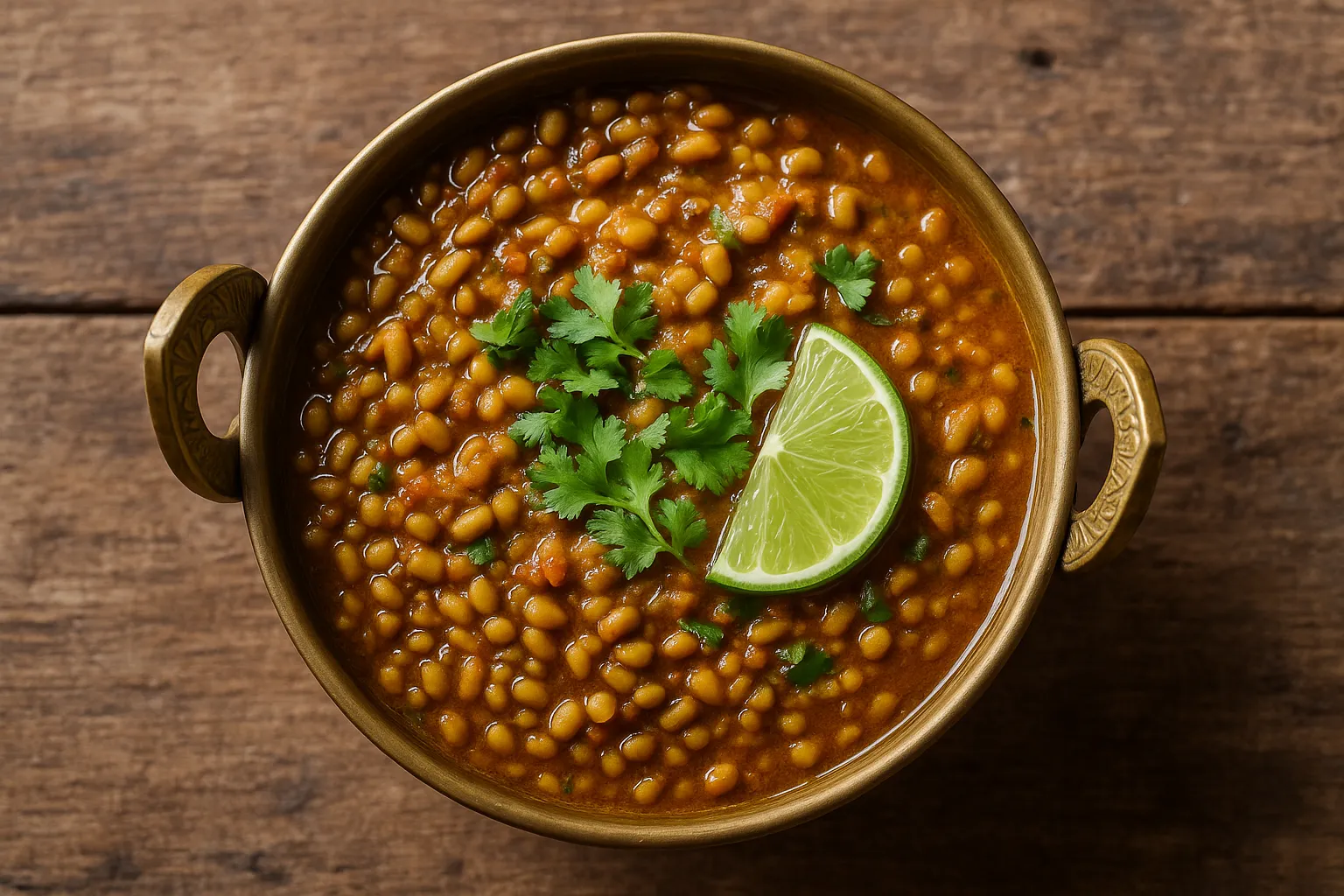
Faits Nutritionnels Rapides
Pour 100g Cuit Matki Usal
| Nutriment | Quantité |
|---|---|
| Calories | 343 kcal |
| Protéines | 24g |
| Glucides | 62g |
| Fibres | 4g |
| Sucres | 2g |
| Lipides | 1.6g |
| Fer | 7mg |
| Magnésium | 189mg |
| Folate | 625mcg |
| Potassium | 1246mg |
Répartition des Macronutriments
 ChatGPT
  Claude
  AI Mode
  Perplexity
CONSEIL DU NUTRITIONNISTE
Matki usal fournit an impressive 24g protéines pour 100g, making it one of le highest plant-based protéines sources. Le combination of protéines and fibres soutient sustained energy, muscle health, and poids management.
Idées Reçues
MYTHE #1: Legumes Like Matki Cause Bloating for Everyone
RÉALITÉ: Tandis que quelques people experience bloating, proper soaking and cooking methods reduce anti-nutriments and faire matki easier to digest. Soak overnight, discard water, cook thoroughly, and start avec petit portions to build tolerance.
MYTHE #2: Matki Usal Est Too Élevé in Glucides for Perte de Poids
RÉALITÉ: Le 24g protéines and 4g fibres promote fullness and muscle preservation pendant perte de poids. Quand prepared avec minimal oil and paired avec vegetables, matki usal soutient sustainable poids management despite le carb content.
MYTHE #3: Plant Proteins Sont Inferior to Animal Proteins
RÉALITÉ: Moth beans provide a complete amino acid profile quand combined avec grains throughout le jour. Plant-based proteins support muscle building effectively and offer additional benefits like fibres, antioxydants, and inférieur saturated lipides.
MYTHE #4: Diabetics Devrait Éviter Tout Legumes
RÉALITÉ: Matki has a bas to medium glycemic index and élevé fibres content ce aide stabilize glycémie. Le protéines and fibres slow glucose absorption, making it suitable for diabetic meal plans in modéré portions.
NutriScore par Objectifs de Santé
| Objectif de Santé | NutriScore | Pourquoi ce score? |
|---|---|---|
| Perte de Poids |  | Élevé protéines (24g) and fibres (4g) promote fullness. Prepare avec minimal oil, contrôle portions to 100-150g. |
| Gain Musculaire | | Excellent plant-based protéines source (24g pour 100g). Fournit fer, magnesium, and potassium for muscle recovery. |
| Gestion du Diabète |  | Bas to medium GI, élevé fibres controls glycémie. Limite to 100-150g, pair avec vegetables, éviter excess oil. |
| Gestion du SOPK | | Élevé protéines soutient hormonal balance, bas glycemic impact benefits insulin sensitivity. Excellent choice for SOPK-friendly meals. |
| Nutrition de Grossesse | | Rich in folate (625mcg), fer, and protéines for fetal development. Soutient maternal health and niveaux d'énergie. |
| Viral/Flu Recovery | | Élevé protéines soutient immune function and tissue repair. Easy to digest quand cuit bien. Fournit essentiel minéraux. |
NUTRITION PERSONNALISÉE
Suivez vos repas avec NutriScan pour des NutriScores personnalisés selon tes objectifs santé !
Réponse glycémique
Understanding comment matki usal affects glucose sanguin aide avec contrôle des portions and meal planning.
Courbe de Réponse Glycémique Typique
Ce graphique montre typical glucose sanguin response for sain individuals to 150g matki usal. Individual responses vary. Pas un conseil médical.
Comment to Optimize Blood Sucres Contrôle
Combining matki usal avec vegetables and sain fats further stabilizes glycémie and enhances nutrient absorption:
- 🥬 Leafy greens or mixed vegetables - Adds fibres and micronutrients
- 🥑 Petit amount of avocado or nuts - Sain fats slow digestion
- 🍋 Lemon juice or vinegar - Peut improve insulin sensitivity
- 🌶️ Spices like turmeric and cumin - Anti-inflammatory benefits
Ce combination creates a balanced meal avec sustained energy release and minimal glucose spikes.
Importance Culturelle
Matki (moth beans) has been cultivated in India for thousands of years, particulièrement in Maharashtra, Rajasthan, and Gujarat.
In Maharashtra:
- Matki usal est a staple breakfast and dinner dish, souvent served avec pav (bread rolls)
- Traditional preparation inclut overnight soaking and sprouting for enhanced nutrition
- Part of Maharashtrian street food culture, served at usal stalls and restaurants
- Considered an economical and nutritif protéines source for tout socioeconomic groups
In Indian Cuisine:
- Used in various regional dishes: Rajasthani matki curry, Gujarati matki dhokla
- Sprouted matki used in salads and chaats for extra nutrition
- Ayurveda recognizes matki as warming and nourishing for vata and kapha doshas
- Growing in popularity as plant-based protéines gains recognition
Nutritional Heritage:
- Fournit affordable, sustainable protéines for millions of Indians
- Drought-resistant crop supporting agricultural sustainability
- Part of India's rich legume diversity alongside moong, chana, and masoor
Comparer et Remplacer
Matki Usal vs Similar Legume Dishes (Pour 100g)
| Nutriment | 🥘 Matki Usal | 🌱 Moong Usal | 🥘 Chana Masala | 🥘 Rajma Curry |
|---|---|---|---|---|
| Calories | 343 kcal | 347 kcal | 164 kcal | 127 kcal |
| Glucides | 62g | 63g | 27g | 23g |
| Fibres | 4g | 16g | 8g | 6g |
| Protéines | 24g | 24g | 9g | 8.7g |
| Lipides | 1.6g | 1.2g | 3g | 0.5g |
| Fer | 7mg | 6.7mg | 3mg | 2.4mg |
| Folate | 625mcg | 625mcg | 172mcg | 130mcg |
| Potassium | 1246mg | 1246mg | 291mg | 405mg |
| Idéal Pour | Élevé protéines | Fibres boost | Inférieur calorie | Kidney health |
Questions Fréquentes
Est matki usal bon for perte de poids?
Yes, matki usal soutient perte de poids effectively. Avec 24g protéines pour 100g and 4g fibres, it favorise fullness and aide preserve muscle mass pendant calorie restriction.
Meilleur practices: Prepare avec minimal oil (1-2 tsp par portion); contrôle portions to 100-150g per meal; pair avec vegetables and whole grain roti; eat for lunch or early dinner; éviter heavy coconut-based gravies.
Peut diabetics eat matki usal?
Diabetics peut eat matki usal in modération. Moth beans have a bas to medium glycemic index, and le élevé protéines and fibres content help stabilize glycémie levels.
Tips for diabetics:
- Limite portions to 100-150g per meal
- Pair avec plenty of non-starchy vegetables
- Éviter adding sucres or jaggery to le recipe
- Monitor glycémie 2 hours après eating
- Choisir sprouted matki for even mieux glycemic contrôle
Toujours consult your healthcare provider environ y compris legumes in your diabetic meal plan.
Comment beaucoup protéines est in matki usal?
Matki usal contient approximately 24 grams of protéines pour 100g, making it one of le richest plant-based protéines sources. A typical serving (150g) fournit environ 36g of protéines, comparable to a grand chicken breast.
Ce élevé protéines content makes matki usal excellent for muscle building, perte de poids, grossesse, and vegetarian/vegan diets.
Quoi sont le main bienfaits pour la santé of matki usal?
Key Benefits:
- Élevé Protéines: 24g pour 100g soutient muscle health, satiety, and tissue repair
- Rich in Folate: 625mcg soutient grossesse, santé cardiaque, and cell division
- Fer-Rich: 7mg aide prevent anemia and soutient niveaux d'énergie
- Blood Sucres Contrôle: Bas GI and élevé fibres stabilize glucose levels
- Heart Health: Magnésium, potassium, and fibres support cardiovascular function
- Poids Management: Protéines and fibres combination favorise fullness and lean muscle preservation
Quand est le meilleur temps to eat matki usal?
Depends on your goal:
- Perte de Poids: Lunch or early dinner (avant 7 PM). Éviter late-night consumption for mieux digestion.
- Gain Musculaire: Post-workout meal or dinner. Fournit amino acids for muscle recovery.
- Diabète: Lunch paired avec vegetables and roti. Monitor portion sizes.
- General Health: Lunch est optimal for protéines-rich legume meals, allowing temps for digestion.
IMPORTANT NOTE
Quelques people peut experience bloating or gas from legumes. Start avec smaller portions and ensure thorough cooking to improve digestibility.
Est matki le même as moong?
No, matki (moth beans) and moong (mung beans) sont different legumes, though both sont nutritif:
Matki (Moth Beans):
- Smaller, darker brown color
- Slightly supérieur protéines (24g vs 24g pour 100g dry)
- Firmer texture
- Traditional in Maharashtrian cuisine
Moong (Mung Beans):
- Larger, green color (peut be yellow quand split)
- Supérieur fibres quand whole (16g vs 4g)
- Softer, easier to digest
- Widely used across India
Both sont excellent protéines sources and peut be used interchangeably in beaucoup recipes, though cooking times and textures differ.
Comment do I prepare matki to reduce bloating?
Steps to Improve Digestibility:
- Soak overnight (8-12 hours) in plenty of water
- Discard soaking water and rinse thoroughly
- Add a pinch of asafoetida (hing) tandis que cooking to reduce gas
- Cook thoroughly until soft and tender
- Start avec petit portions (50-75g) and gradually increase
- Consider sprouting for 24-48 hours avant cooking
Ces methods reduce anti-nutriments and complex sugars ce cause digestive discomfort.
Comment beaucoup times per semaine devrait I eat matki usal?
General Guidelines:
- 3-4 times per semaine - La plupart people (variety est important)
- Quotidien - Vegetarians/vegans needing consistent protéines sources
- 2-3 times per semaine - If you experience digestive discomfort
Rotate avec autre protéines sources: eggs, paneer, chicken, tofu, chana, rajma, moong for nutritional variety and mieux digestion.
Suivez vos repas avec NutriScan application to ensure balanced nutrition and achieve your health goals.


Aliments Nutritifs Similaires
4505 Chicharrones Classic Chili Salt
7 Eleven Japan Crispy Corn Cheese
Explore Plus Nutrition Tools & Resources
Alternative au plan alimentaire ChatGPT qui suit vos repas
Alternative ChatGPT coach perte de poids avec suivi
Alternative Foodvisor gratuite avec scan IA | NutriScan
App prise de poids : plan alimentaire 28 jours
Appli suivi macros qui remplit les chiffres depuis une photo
Application de jeûne intermittent : minuteur gratuit
Application Micronutriments pour Vitamines et Minéraux
Application Nutri-Score : note de chaque repas | NutriScan
Application plan alimentaire indien végé et non végé
Application plan repas prise de masse avec surplus calculé
Application suivi d'eau et de calories gratuite
Calculer les Calories des Aliments
Compteur de calories ChatGPT : alternative complète
Compteur de calories fast food qui lit le plateau
Compteur de calories gratuit avec scan photo IA | NutriScan
Compteur de Calories IA : une photo, vos macros
Compteur de Calories pour Cuisine Française - Informations Nutritionnelles Instantanées — 2026
Générateur Liste de Courses Keto
Générateur Liste de Courses Mensuelle
Jeûne intermittent femme, minuteur et suivi des repas
Nutriscan pour la Perte de Poids
Nutriscan pour le Gain de Masse Musculaire
Nutritionniste IA qui lit vos repas enregistrés
Plan alimentaire méditerranéen qui compte l'huile
Plan Alimentaire pour Hommes de 40 Ans
Plan de Régime Prise de Poids France
Plan de repas végétarien avec objectif protéines
Plan régime keto : appli 28 jours et suivi glucides
Planificateur de repas hebdomadaire avec calories