Skim Milk (Nonfat) Calories & Nutrition Facts: 86 per Cup
 ChatGPT
 Claude
 AI Mode
 Perplexity
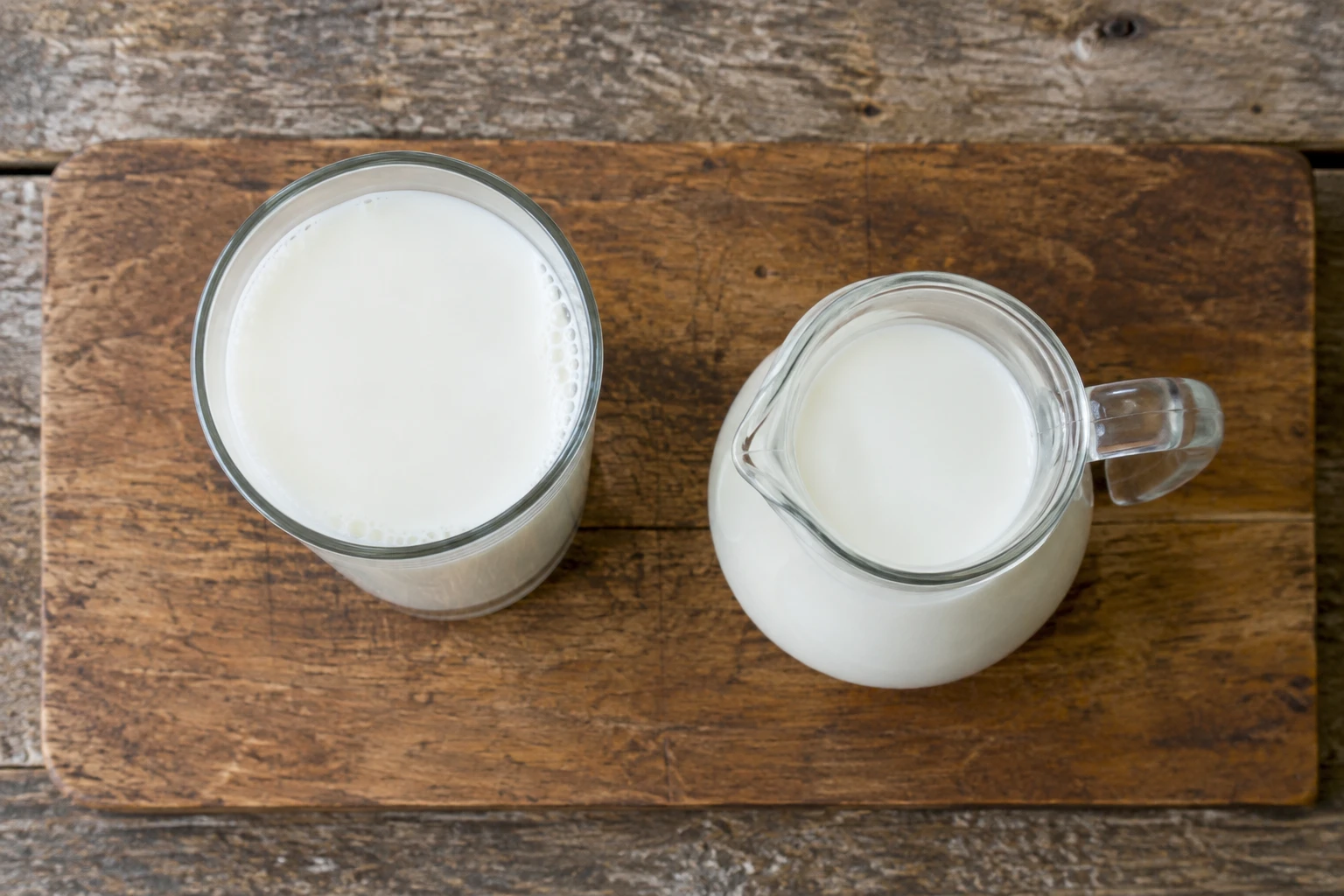
One cup (245 g) of skim milk, also called nonfat or fat free milk, has 86 calories, 8.3 g protein, 12 g carbs (all lactose) and under 0.5 g fat. It keeps the protein and about 300 mg of calcium of whole milk while dropping roughly 60 calories and 8 g of fat per cup.
Quick Nutrition Facts
Per 1 cup (245 g)
| Nutrient | Amount |
|---|---|
| Calories | 86 kcal |
| Protein | 8.3g |
| Carbohydrates | 12g |
| Fiber | 0g |
| Sugars | 12g |
| Fat | 0.4g |
| Sodium | 103 mg |
Macronutrient Breakdown

NUTRITIONIST'S INSIGHT
Skim milk is the leanest way to get dairy protein: about 8 g per cup for 86 calories, which is close to 10 calories per gram of protein. The trade-off is that removing the fat also removes the fat-soluble vitamins A and D, so US skim milk is fortified to put them back; check the label if you buy unfortified or imported skim. The 12 g of sugar is lactose, not added sugar, and it comes with 8 g of protein that slows its absorption. It suits weight loss, high-protein and heart-health plans well. It is a weaker fit for toddlers under two, who need the fat for growth, and for anyone who wants a keto or very low carb drink.
Myth Busters
MYTH #1: Skim milk is just watered-down whole milk
TRUTH: Skim milk has the same protein and calcium as whole milk. USDA lists about 8 g of protein and roughly 300 mg of calcium per cup for both; only the fat, and with it about 60 calories per cup, is removed. Milk, nonfat, fluid, without added vitamin A and vitamin D (fat free or skim) - USDA FoodData Central; Calcium - Health Professional Fact Sheet
MYTH #2: The sugar in skim milk is added sugar
TRUTH: Plain skim milk contains no added sugar. The 12 g of sugar per cup is lactose, the natural milk sugar, and it is the same amount found in whole milk. Milk, nonfat, fluid, without added vitamin A and vitamin D (fat free or skim) - USDA FoodData Central; Skim Milk, Nonfat Fluid nutrition facts (USDA SR Legacy 173432)
MYTH #3: Skim milk spikes blood sugar because it has no fat
TRUTH: Skim milk has a low glycemic index, reported between 32 and 37 in published tables. Lactose has a GI of 46 and milk protein increases insulin release, which keeps the glucose rise modest. Glycemic Responses of Milk and Plant-Based Drinks: Food Matrix Effects; Milk, other dairy foods and blood glucose
MYTH #4: You lose the vitamins when you take the fat out
TRUTH: Fat-soluble vitamins A and D leave with the fat, but milk sold in the US is routinely fortified to restore them. Calcium, potassium, B12 and riboflavin are water-soluble or mineral nutrients and stay in the cup. Milk, nonfat, fluid, without added vitamin A and vitamin D (fat free or skim) - USDA FoodData Central; Milk - The Nutrition Source
MYTH #5: Low-fat dairy makes you gain weight
TRUTH: A cup of skim milk has 86 calories against about 150 for whole milk. Swapping whole for skim lowers calorie intake with no loss of protein, which is why dietary guidelines recommend fat-free or low-fat dairy. Milk, nonfat, fluid, without added vitamin A and vitamin D (fat free or skim) - USDA FoodData Central; Milk - The Nutrition Source
NutriScore by Health Goals
| Health Goal | NutriScore | Why This Score? |
|---|---|---|
| Weight Loss |  | 86 calories and 8 g of protein per cup make it one of the lowest-calorie sources of dairy protein, and it fits easily into a calorie deficit. Milk, nonfat, fluid, without added vitamin A and vitamin D (fat free or skim) - USDA FoodData Central |
| High Protein |  | 8.3 g per cup is solid for a drink, but a cup of Greek yogurt or a protein shake delivers two to three times that amount. Milk, nonfat, fluid, without added vitamin A and vitamin D (fat free or skim) - USDA FoodData Central; Skim Milk, Nonfat Fluid nutrition facts (USDA SR Legacy 173432) |
| Low Carb / Keto |  | 12 g of carbs per cup, all lactose, uses up a large share of a 20 to 50 g daily carb budget for a single glass. Milk, nonfat, fluid, without added vitamin A and vitamin D (fat free or skim) - USDA FoodData Central |
| Heart Health | | Under 0.5 g of fat and about 0.3 g of saturated fat per cup, with 103 mg of sodium and about 400 mg of potassium, matches the fat-free dairy pattern recommended for heart health. Milk, nonfat, fluid, without added vitamin A and vitamin D (fat free or skim) - USDA FoodData Central; Milk - The Nutrition Source |
| Diabetes Management | | The GI is low at 32 to 37, but 12 g of carbs still count in a meal plan; the protein moderates the rise, so one cup with food is usually manageable. Glycemic Responses of Milk and Plant-Based Drinks: Food Matrix Effects; Diabetes Prevention and Milk |
| Bone Health | | A cup supplies roughly 300 mg of calcium, about a quarter of the daily need for adults, plus phosphorus and, when fortified, vitamin D. Milk, nonfat, fluid, without added vitamin A and vitamin D (fat free or skim) - USDA FoodData Central; Calcium - Health Professional Fact Sheet |
PERSONALIZED NUTRITION
Track your meals with NutriScan for personalized NutriScores based on your specific health goals!
Blood Sugar Response - Skim Milk (1 cup / 245 g)
Skim milk has a low glycemic index, reported at 32 to 37. One cup carries about 12 g of lactose, and the 8 g of milk protein drives insulin release, so glucose typically rises by 10 to 20 mg/dL, peaks near 45 minutes and is back to baseline within two hours in healthy adults. Glycemic Responses of Milk and Plant-Based Drinks: Food Matrix Effects; Milk, other dairy foods and blood glucose
Estimated Blood Glucose Response (mg/dL)
Illustrative curve for a healthy adult drinking one plain cup on its own. Flavored or chocolate skim milk adds sugar and shifts the peak higher. Individual responses vary.
How to flatten the spike
- Drink it with a meal that includes fiber or fat rather than alone if you track glucose closely.
- Choose plain over chocolate or strawberry; flavored cups add 10 to 15 g of added sugar.
- Keep to one cup (240 ml) per sitting, since each extra cup adds another 12 g of lactose.
- If you manage diabetes, count the 12 g of carbs per cup in your meal total.
Cultural Significance
Skim milk became a mainstream product in the 20th century once centrifugal cream separators made it cheap to remove milk fat. In the US, fat-free milk is the standard low-fat option in school lunches and in the dietary guidance for adults, and it appears on nutrition labels as skim, nonfat or fat free, all three meaning under 0.5 g fat per cup. The UK sells it as skimmed milk, usually in a red-capped bottle, and in Germany it is Magermilch at about 0.1% fat. The cream taken off goes into butter and cream products, and the skim milk left behind is the base for most nonfat dry milk powder.
Compare & Substitute
Skim Milk (Nonfat) vs Similar Foods
| Nutrient | Whole milk (1 cup) | 2% reduced-fat milk (1 cup) | Unsweetened almond milk (1 cup) | Unsweetened soy milk (1 cup) | Oat milk (1 cup) |
|---|---|---|---|---|---|
| Calories | 149 kcal | 122 kcal | 39 kcal | 80 kcal | 120 kcal |
| Protein | 7.7g | 8.1g | 1.5g | 7g | 3g |
| Carbohydrates | 11.7g | 11.7g | 3.4g | 4g | 16g |
| Fat | 7.9g | 4.8g | 2.9g | 4g | 5g |
Frequently Asked Questions
How many calories are in a cup of skim milk?
One cup (245 g) of skim milk has 86 calories per USDA data. Nutrition labels typically print 80 to 90 calories depending on brand and fortification.
Is skim milk the same as nonfat or fat free milk?
Yes. Skim, nonfat and fat free are three names for milk with the fat removed, containing under 0.5 g of fat per cup.
How much protein is in skim milk?
About 8.3 g of protein per cup, which is the same as whole milk. The protein is roughly 80% casein and 20% whey.
Does skim milk have less calcium than whole milk?
No. Skim milk has about the same calcium, roughly 300 mg per cup, because calcium sits in the watery part of milk, not the fat.
Is skim milk okay for people with diabetes?
Plain skim milk has a low glycemic index of about 32 to 37, but each cup has 12 g of carbs that count toward a meal total. One cup with a meal is usually a reasonable choice.
Does skim milk have added sugar?
No. The 12 g of sugar per cup is naturally occurring lactose. Flavored skim milks add extra sugar, so check the label.


Similar Nutritious Foods
4505 Chicharrones Classic Chili Salt
7 Eleven Japan Crispy Corn Cheese
Explore More Tools
AI Calorie Counter App - Snap a Photo, Get Macros
AI Nutritionist App That Reads Your Logged Meals
Best Protein Supplements for Women
Bulking Meal Plan App That Sets Your Surplus
ChatGPT Calorie Counter Alternative That Keeps the Total
ChatGPT Diet Plan Alternative That Tracks What You Eat
ChatGPT Weight Loss Coach Alternative With a Food Log
Fast Food Calorie Counter App That Reads the Tray
Free Calorie Tracker App with AI Photo Scans | NutriScan
Indian Diet Plan App With Veg and Non Veg Meals
Indian Food Calorie Calculator - Get Instant Nutrition Facts for Desi Meals — 2026
Intermittent Fasting for Women, Timer and Meal Log App
Intermittent Fasting Tracker App - Free Fasting Timer
Macro Tracker App That Fills the Numbers From a Photo
Mediterranean Diet Meal Plan App That Counts the Oil
Micronutrient Tracker App for Vitamins and Minerals
MyFitnessPal Alternative That Stays Free | NutriScan
NutriScore App: A Free Grade on Every Meal | NutriScan
Nutrition Label Scanner App for the Amount You Ate
Second Trimester Protein Guide
Vegetarian Meal Plan App With a Protein Target
Voice Calorie Counter - Speak to Track Meals Hands-Free
Water and Calorie Tracker App - Free Water Log