BarOne: Calories, Nutrition and Health Benefits
Premium chocolate indulgence with crispy wafer, smooth caramel, and layers of taste—a treat to enjoy in moderation.
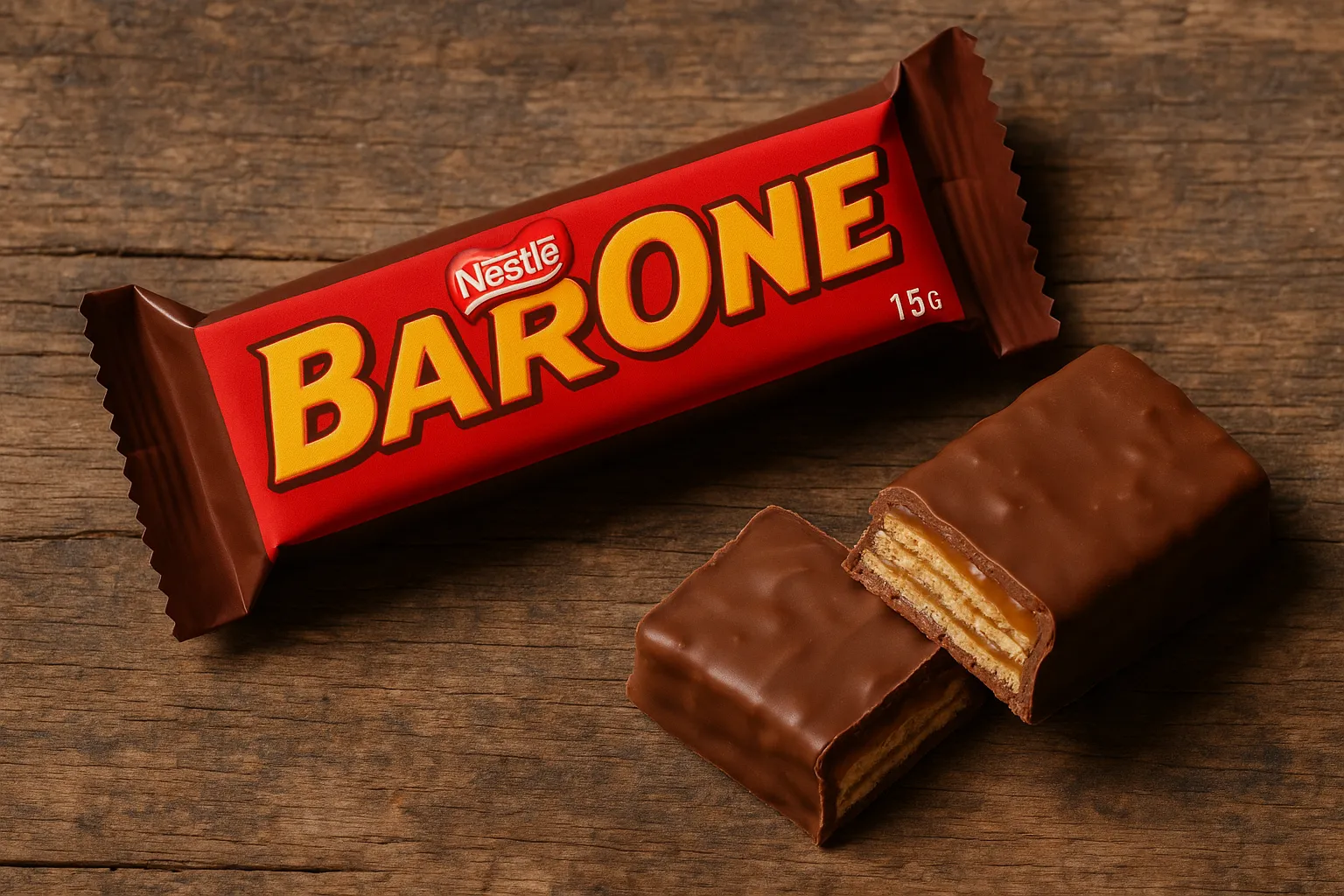
Quick Nutrition Facts
Per 1 BarOne Bar (36g)
| Nutrient | Amount |
|---|---|
| Calories | 216 kcal |
| Protein | 2.1g |
| Carbohydrates | 21g |
| Fiber | 0.5g |
| Sugars | 14g |
| Fat | 13g |
| Sodium | 45mg |
| Saturated Fat | 7.2g |
| Caffeine | 3-5mg |
Macronutrient Breakdown
 ChatGPT
  Claude
  AI Mode
  Perplexity
NUTRITIONIST INSIGHT
BarOne's wafer-caramel combination provides quick energy via carbs, with cocoa polyphenols offering modest antioxidant benefits. Best enjoyed as an occasional treat after meals to minimize blood sugar impact. The crispy wafer texture aids portion awareness.
Myth Busters
MYTH #1: All Chocolate Bars Are Equally Bad for Weight Loss
TRUTH: While BarOne is calorie-dense (216 kcal per bar), occasional indulgence fits balanced diets. The key is frequency (weekly, not daily) and compensating with activity. Rigid restriction often triggers binge eating.
MYTH #2: Chocolate Causes Immediate Weight Gain
TRUTH: Weight gain depends on total calorie surplus, not single foods. One BarOne bar weekly (216 kcal) represents 0.06 lbs potential gain if uncompensated. Moderate chocolate intake associates with lower BMI in some cohorts due to improved diet adherence.
MYTH #3: Wafer-Based Chocolates Spike Blood Sugar Dangerously
TRUTH: BarOne's glycemic load is moderate (GI ~70). Pairing with protein or fat slows glucose absorption, limiting blood sugar spike. Eating after a meal further buffers glycemic impact.
MYTH #4: Chocolate Gives You More Caffeine Than Tea
TRUTH: BarOne contains only 3–5mg caffeine per bar versus 25–50mg in black tea and 95mg in coffee. You'd need 20+ BarOne bars to match one coffee cup's caffeine—making chocolate a negligible stimulant source.
MYTH #5: All Chocolate Fat Is Unhealthy
TRUTH: BarOne's 13g fat includes cocoa butter (contains stearic acid, a neutral fat) and palm oil. Cocoa solids provide polyphenolic antioxidants with cardiovascular benefits in moderation, unlike purely saturated trans fats.
MYTH #6: You Should Never Eat Chocolate While Dieting
TRUTH: Strategic indulgence prevents diet fatigue and dropout. Flexible dieting approaches allowing occasional treats show better long-term adherence than rigid restriction. Enjoy 1 BarOne weekly guilt-free.
NutriScore by Health Goals
| Health Goal | NutriScore | Why This Score? |
|---|---|---|
| Weight Loss |  | 216 calories, 14g sugar high; limit to 1 bar weekly as treat, not daily snack. Pair with activity to offset calorie density. |
| Muscle Gain |  | 21g carbs useful post-workout for glycogen, but low protein (2.1g). Use as carb top-up only; prioritize protein-focused snacks. |
| Diabetes Management | | 14g sugar per bar elevates blood glucose significantly (GI ~70). Not recommended for daily consumption; if desired, consume with 10-15g protein/fat to slow absorption. |
| PCOS Management | | High sugar (14g) worsens insulin sensitivity. Limit to once monthly; choose lower-sugar dark chocolate alternatives instead. |
| Pregnancy Nutrition | | Provides quick energy and modest cocoa antioxidants; low nutritional density otherwise. Safe in moderation (1–2 bars weekly) as occasional treat, but avoid excessive sugar intake. |
| Viral/Flu Recovery | | Quick carbs and energy support recovery; cocoa's minor antioxidants aid immune function mildly. Acceptable for taste and morale during illness; prioritize protein and fluids instead. |
PERSONALIZED NUTRITION
Track your meals with NutriScan for personalized NutriScores based on your specific health goals!
Blood Sugar Response to BarOne
BarOne's moderate glycemic index (70) means noticeable but manageable glucose elevation, especially on an empty stomach.
Typical Glucose Response Curve
This chart shows typical blood glucose response for general healthy individuals. Individual responses may vary. Not medical advice.
How to Minimize the Spike
Pairing BarOne with protein or healthy fat blunts the blood sugar peak and extends energy release:
- 🥜 Peanut butter or almond butter (1 tbsp) - Adds 4g protein and 9g fat
- 🥛 Greek yogurt (100g) - Provides 10g protein and probiotics
- 🥚 Hard-boiled egg - Complete 6g protein source
- 🌰 Handful of almonds (23 nuts) - 6g protein, 14g fat, sustained release
Eating BarOne after a meal (not on empty stomach) further reduces glucose spike by 30–50%.
Cultural Significance
BarOne, created by Nestlé in 1967, represents premium chocolate indulgence in India and globally. Its distinctive wafer-caramel-chocolate combination appeals to diverse palates.
In India:
- Iconic chocolate bar available since 1980s across retail chains
- Popular gift and celebration sweet, especially during festivals
- Premium positioning (₹10–20 per bar) makes it special-occasion treat
- Strong brand recall among Gen X and millennial consumers
- Often paired with chai or served with dessert after meals
Global Presence:
- Sold in 30+ countries across Europe, Asia, Africa
- Consistent formula with minor regional adaptations
- Premium wafer-chocolate category competitor to KitKat and Twix
- Marketed as adult indulgence (not children's candy)
Compare & Substitute
BarOne vs Similar Chocolate Bars (Per 36-40g serving)
| Nutrient | BarOne (36g) | KitKat (42g) | Twix (36g) | Dairy Milk (40g) |
|---|---|---|---|---|
| Calories | 216 kcal | 211 kcal | 188 kcal | 213 kcal |
| Carbs | 21g | 27g | 25g | 23g |
| Fiber | 0.5g | 0.4g | 0g | 0.3g |
| Protein | 2.1g | 3.0g | 1.8g | 3.8g |
| Fat | 13g | 11g | 11g | 12g |
| Sugar | 14g | 23g | 19g | 23g |
| Best For | Balance taste; occasional indulgence | Crispy wafer texture lovers | Caramel-focused appetite | Creamy chocolate; lowest sugar option available |
Frequently Asked Questions
Is BarOne good for weight loss?
BarOne at 216 calories per bar is calorie-dense and high in sugar (14g). It's not ideal for daily weight loss diets, but 1 bar weekly as a treat fits most balanced eating plans. The key is total calorie surplus/deficit, not eliminating single foods. Flexible dieting allowing occasional indulgence improves long-term adherence.
How much sugar is in BarOne?
BarOne contains 14g sugar per 36g bar (39% sugar by weight). For context: WHO recommends <50g added sugar daily for most adults, so one bar represents 28% of daily allowance. Best consumed occasionally and paired with protein-fat foods to minimize blood glucose spike.
Can I eat BarOne post-workout?
Yes, in moderation. BarOne's 21g carbs aid glycogen replenishment; however, the 2.1g protein is low. Pair with a protein shake (20g) for optimal muscle recovery, using BarOne as carb/taste component rather than primary post-workout choice.
What's the caffeine content in BarOne?
BarOne contains approximately 3–5mg caffeine per bar (from cocoa solids). This is negligible compared to coffee (95mg) or tea (25–50mg) and unlikely to disrupt sleep or cause jitter, even in sensitive individuals.
Is BarOne suitable during pregnancy?
Yes, in moderation. BarOne's carbs provide safe energy; cocoa polyphenols offer minor antioxidant benefits; no harmful ingredients. Limit to 1–2 bars weekly to manage total sugar intake (gestational diabetes risk). Prioritize nutrient-dense foods (fruits, nuts, yogurt) for pregnancy's increased caloric needs.
How does BarOne compare to dark chocolate?
BarOne (milk chocolate, 13g fat, 14g sugar) is sweeter and less antioxidant-rich than 70% dark chocolate. Dark chocolate offers higher polyphenol content and lower sugar but less consumer appeal. Choose based on goals: dark chocolate for antioxidants; BarOne for occasional indulgence.


Similar Nutritious Snacks & Sweets
4505 Chicharrones Classic Chili Salt
7 Eleven Japan Crispy Corn Cheese
Explore More Nutrition Tools & Resources
AI Calorie Counter App - Snap a Photo, Get Macros
AI Nutritionist App That Reads Your Logged Meals
Best Protein Supplements for Women
Bulking Meal Plan App That Sets Your Surplus
ChatGPT Calorie Counter Alternative That Keeps the Total
ChatGPT Diet Plan Alternative That Tracks What You Eat
ChatGPT Weight Loss Coach Alternative With a Food Log
Fast Food Calorie Counter App That Reads the Tray
Free Calorie Tracker App with AI Photo Scans | NutriScan
Indian Diet Plan App With Veg and Non Veg Meals
Indian Food Calorie Calculator - Get Instant Nutrition Facts for Desi Meals — 2026
Intermittent Fasting for Women, Timer and Meal Log App
Intermittent Fasting Tracker App - Free Fasting Timer
Macro Tracker App That Fills the Numbers From a Photo
Mediterranean Diet Meal Plan App That Counts the Oil
Micronutrient Tracker App for Vitamins and Minerals
MyFitnessPal Alternative That Stays Free | NutriScan
NutriScore App: A Free Grade on Every Meal | NutriScan
Nutrition Label Scanner App for the Amount You Ate
Second Trimester Protein Guide
Vegetarian Meal Plan App With a Protein Target
Voice Calorie Counter - Speak to Track Meals Hands-Free
Water and Calorie Tracker App - Free Water Log