Dill Pickle Dip: Calories, Nutrition and Health Benefits
Dill Pickle Dip is a cream cheese dip with an estimated 140 calories per typical serving, 3g protein, 4g carbohydrates, and 12g fat. Treat these numbers as recipe-style estimates and check the final label or recipe when precision matters.
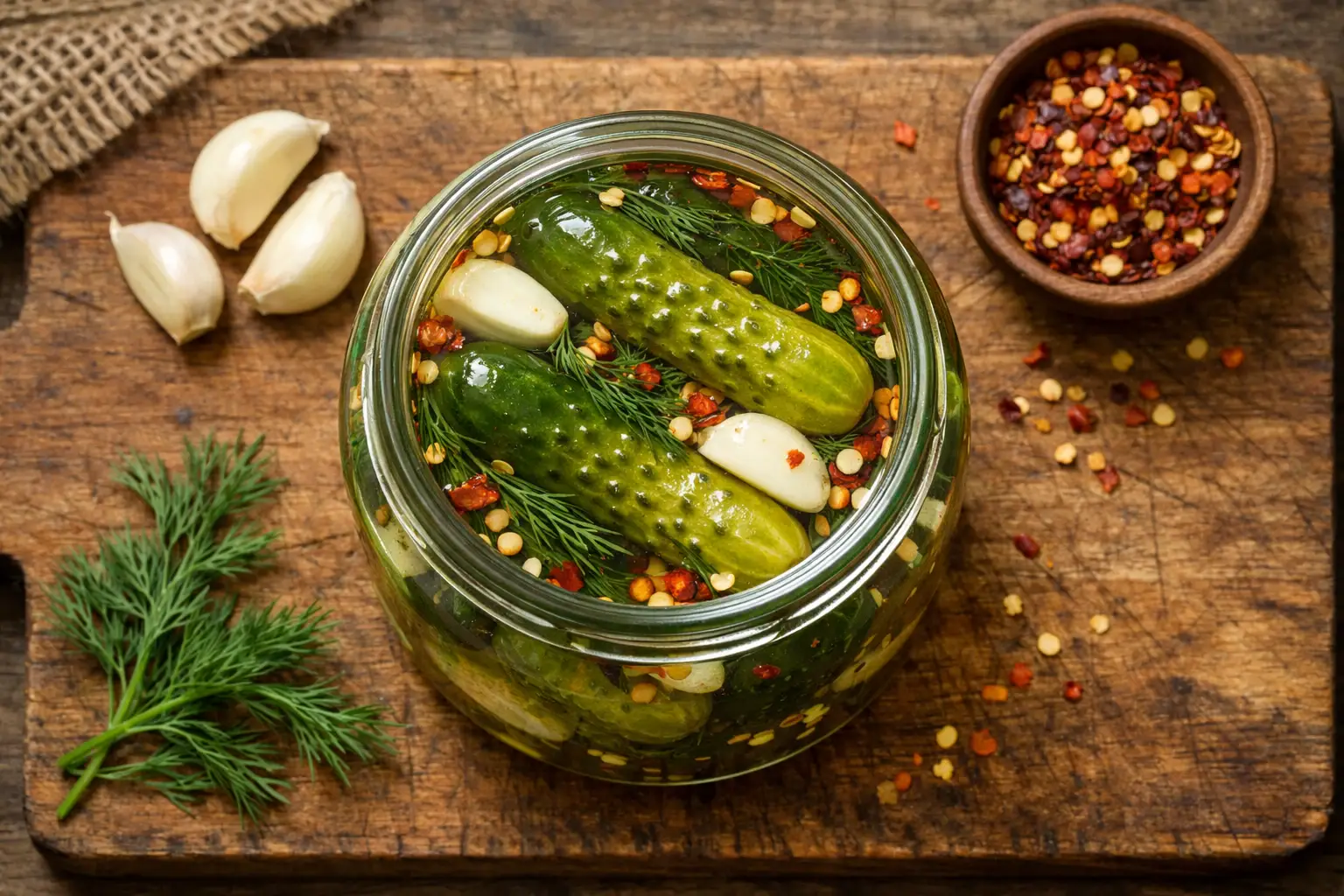
Quick Nutrition Facts
Per 1/4 cup (60g)
| Nutrient | Amount |
|---|---|
| Calories | 140 kcal |
| Protein | 3g |
| Carbohydrates | 4g |
| Fiber | 0.5g |
| Sugars | 2g |
| Fat | 12g |
| Sodium | 520 mg |
Macronutrient Breakdown
 ChatGPT
  Claude
  AI Mode
  Perplexity
NUTRITIONIST'S INSIGHT
Dill Pickle Dip can fit a balanced day when the portion is measured. The main watch-outs are portion size and added sauces or toppings, so pair it with vegetables or lean protein when possible.
Myth Busters
MYTH #1: Dill Pickle Dip is automatically healthy because it is trending.
TRUTH: Trend status does not change the calorie, sodium, or macro load. Use the serving size and Nutrition Facts-style data first. FDA Nutrition Facts Label guidance
MYTH #2: Protein alone makes Dill Pickle Dip a perfect meal.
TRUTH: This is not a high-protein choice by itself, so add lean protein if satiety is the goal. USDA MyPlate Protein Foods guidance
NutriScore by Health Goals
| Health Goal | NutriScore | Why This Score? |
|---|---|---|
| Weight Loss |  | 140 calories per serving means portion control matters, especially with energy-dense sauces or fats. FDA Nutrition Facts Label guidance |
| Muscle Gain |  | 3g protein per serving is modest and may need another protein source. USDA MyPlate Protein Foods guidance |
| Diabetes Management | | 4g carbs per serving can affect glucose response; count carbs and pair with fiber or protein. CDC carbohydrate counting guidance |
| PCOS Management | | A lower-sugar, higher-fiber version is usually easier to fit than a sweet or refined-carb version. CDC fiber and diabetes guidance |
| Pregnancy Nutrition | | Use food-safety basics and watch sodium; choose fully cooked proteins and pasteurized dairy where relevant. FDA Nutrition Facts Label guidance |
| Viral/Flu Recovery | | Protein and fluids can help meal adequacy, but very salty or fried versions may feel heavy during illness. USDA MyPlate Protein Foods guidance |
PERSONALIZED NUTRITION
Track your meals with NutriScan for personalized NutriScores based on your specific health goals!
Blood Sugar Response to Dill Pickle Dip
Dill Pickle Dip has an estimated 4g carbohydrate load per serving. The curve is a practical estimate, not a measured medical response. CDC carbohydrate counting guidance
Typical Glucose Response Curve
*Individual responses vary. Not medical advice.*
How to flatten the spike
- Measure the serving before tracking.
- Pair higher-carb versions with protein, fiber, or non-starchy vegetables.
- Use less sweet sauce when possible.
Cultural Significance
Dill Pickle Dip reflects how viral food culture turns familiar ingredients into fast-moving trends. Nutrition can shift widely by restaurant, home recipe, brand, and serving size.
Compare & Substitute
Dill Pickle Dip vs Similar Foods
| Nutrient | Smaller portion | Higher-fiber side | Lean protein add-on |
|---|---|---|---|
| Calories | 91 kcal | 80 kcal | 120 kcal |
| Protein | 2g | 3g | 24g |
| Carbohydrates | 3g | 12g | 0g |
| Fat | 8g | 2g | 2g |
Frequently Asked Questions
How many calories are in Dill Pickle Dip?
A typical serving is estimated at 140 calories. Recipe and restaurant versions can vary, so use a product label or weighed recipe for exact tracking.
Is Dill Pickle Dip high in protein?
Dill Pickle Dip provides about 3g protein per serving. That is modest, so add a protein source if fullness is the goal.
Can Dill Pickle Dip fit a weight-loss plan?
Yes, if the serving fits your daily calorie target. The easiest adjustment is usually a smaller portion or less high-calorie sauce.
Is Dill Pickle Dip good for blood sugar control?
It depends on the 4g carbohydrate load, fiber, fat, and portion size. Count carbs and pair it with protein or vegetables when possible.




Similar Nutritious Foods
4505 Chicharrones Classic Chili Salt
7 Eleven Japan Crispy Corn Cheese
Explore More Tools
AI Calorie Counter App - Snap a Photo, Get Macros
AI Nutritionist App That Reads Your Logged Meals
Best Protein Supplements for Women
Bulking Meal Plan App That Sets Your Surplus
ChatGPT Calorie Counter Alternative That Keeps the Total
ChatGPT Diet Plan Alternative That Tracks What You Eat
ChatGPT Weight Loss Coach Alternative With a Food Log
Fast Food Calorie Counter App That Reads the Tray
Free Calorie Tracker App with AI Photo Scans | NutriScan
Indian Diet Plan App With Veg and Non Veg Meals
Indian Food Calorie Calculator - Get Instant Nutrition Facts for Desi Meals — 2026
Intermittent Fasting for Women, Timer and Meal Log App
Intermittent Fasting Tracker App - Free Fasting Timer
Macro Tracker App That Fills the Numbers From a Photo
Mediterranean Diet Meal Plan App That Counts the Oil
Micronutrient Tracker App for Vitamins and Minerals
MyFitnessPal Alternative That Stays Free | NutriScan
NutriScore App: A Free Grade on Every Meal | NutriScan
Nutrition Label Scanner App for the Amount You Ate
Second Trimester Protein Guide
Vegetarian Meal Plan App With a Protein Target
Voice Calorie Counter - Speak to Track Meals Hands-Free
Water and Calorie Tracker App - Free Water Log