Dinnerly Meal Kit: Calories, Nutrition and Health Benefits
Budget-friendly meal kit delivering fresh, portion-controlled dinners with balanced macros, averaging 450 calories and 25g protein per serving.
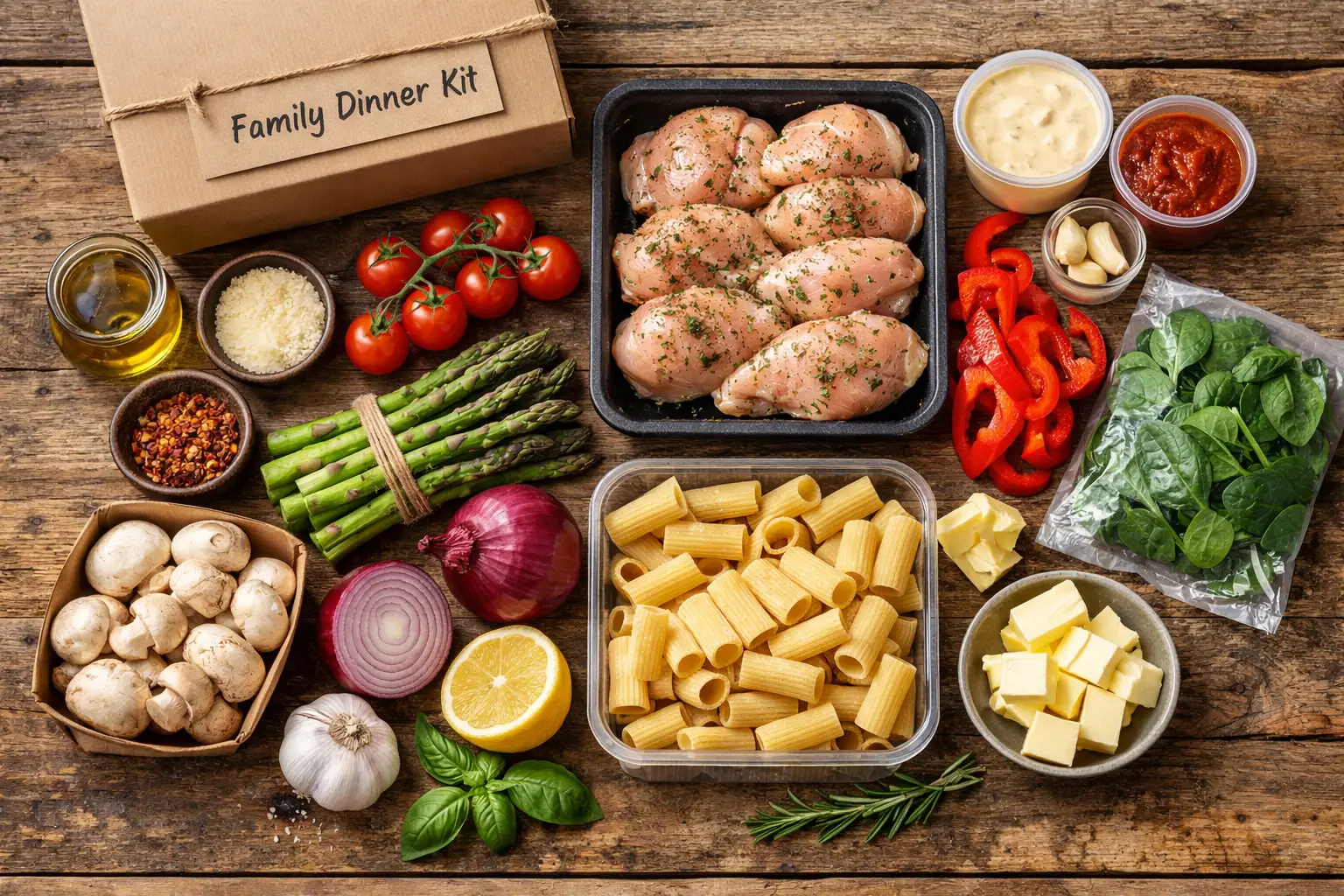
Quick Nutrition Facts
Per 1 Average Serving (~350g)
| Nutrient | Amount |
|---|---|
| Calories | 450 kcal |
| Protein | 25g |
| Carbohydrates | 45g |
| Fiber | 6g |
| Sugars | 8g |
| Fat | 18g |
| Saturated Fat | 6g |
| Sodium | 850mg |
| Vitamin A | 15% DV |
| Iron | 12% DV |
Macronutrient Breakdown
 ChatGPT
  Claude
  AI Mode
  Perplexity
NUTRITIONIST INSIGHT
Dinnerly meal kits average 2.6 vegetable servings per meal with 10.7g fiber, making them a convenient way to hit daily vegetable targets. Choose their low-calorie tagged meals (650 cal or less) and add a side salad to boost fiber and volume without extra cost.
Myth Busters
MYTH #1: Meal Kits Are Unhealthy Processed Food
TRUTH: Dinnerly uses fresh ingredients, not processed meals. Research shows meal kits provide a median of 2.3-3.1 vegetable serves per person and include fresh produce that you cook yourself, supporting better diet quality than typical takeout.
MYTH #2: Meal Kits Are Too High in Calories for Weight Loss
TRUTH: Dinnerly offers low-calorie meals at 650 calories or less per serving. With portion-controlled servings and balanced macros, meal kits can actually support weight management better than estimating portions yourself.
MYTH #3: You Cannot Control Nutrition with Meal Kits
TRUTH: Dinnerly provides detailed nutrition facts per serving including calories, fat, protein, and carbs. This transparency makes tracking easier than restaurant meals where nutrition data is often unavailable.
MYTH #4: Meal Kits Have Too Much Sodium
TRUTH: While some meal kits contain 800-1200mg sodium per serving, this is comparable to many restaurant meals. You can reduce sodium by using less of the included seasoning packets. The daily limit is 2,300mg, so one Dinnerly meal fits within a balanced daily plan.
MYTH #5: Meal Kits Do Not Teach Cooking Skills
TRUTH: Studies show meal kits improve food literacy and family cooking participation, reducing the mental load of meal planning while building cooking confidence with step-by-step recipes.
NutriScore by Health Goals
| Health Goal | NutriScore | Why This Score? |
|---|---|---|
| Weight Loss |  | Portion-controlled at 450 cal average. Choose low-calorie tagged meals and add vegetables for volume. |
| Muscle Gain | | 25g protein per serving supports muscle synthesis. Chicken and beef meals reach 30g protein. |
| Diabetes Management |  | Choose low-carb options (40g carbs or less). Monitor sodium and pair with extra vegetables. |
| PCOS Management | | Moderate carb content may affect insulin sensitivity. Select low-carb tagged meals and add fiber-rich sides. |
| Pregnancy Nutrition | | Balanced nutrition with fresh vegetables. Ensure adequate folate, iron, and calcium by supplementing with prenatal vitamins. |
| Viral/Flu Recovery | | Balanced macros and vegetables support immune function. Easy to prepare when energy is low. |
PERSONALIZED NUTRITION
Track your meals with NutriScan for personalized NutriScores based on your specific health goals!
Blood Sugar Response to Dinnerly Meal Kit
Understanding how a typical Dinnerly meal affects your blood glucose helps you choose the best recipes for your health goals.
Typical Glucose Response Curve
This chart shows typical blood glucose response for general healthy individuals. Individual responses may vary. Not medical advice.
How to Flatten the Spike
Pairing carb-heavy meals with protein and healthy fat slows glucose absorption and reduces the peak blood sugar level:
- 🥗 Add a side salad - Extra fiber slows carb absorption
- 🥑 Include avocado or olive oil - Healthy fats moderate glucose response
- 🫘 Add beans or lentils - Extra protein and fiber for sustained energy
- 🥒 Start with vegetables - Eating veggies first reduces post-meal glucose spikes
Choose Dinnerly's low-carb tagged meals (40g carbs or less) for the flattest glucose response.
Cultural Significance
Meal kits emerged in Sweden in 2007 with Linas Matkasse and rapidly spread across Europe and North America. Dinnerly launched in 2017 as a budget-friendly alternative by Marley Spoon.
In the United States:
- Meal kits disrupted traditional grocery shopping habits
- Gained massive popularity during the COVID-19 pandemic
- Dinnerly democratized meal kits by offering them at $4.99 per serving
- Family-size options serve 4, making home cooking more accessible
Global Impact:
- Meal kit industry valued at over $20 billion globally
- Reduces food waste by providing pre-portioned ingredients
- Studies show meal kits increase vegetable consumption in families
- Bridges the gap between convenience food and home cooking
Compare & Substitute
Dinnerly vs Other Meal Kits (Per Average Serving)
| Nutrient | 🍽️ Dinnerly | 🧑🍳 HelloFresh | 🥘 Home Chef | 🥗 Blue Apron |
|---|---|---|---|---|
| Calories | 450 kcal | 650 kcal | 500 kcal | 550 kcal |
| Carbs | 45g | 55g | 48g | 50g |
| Fiber | 6g | 5g | 5g | 6g |
| Protein | 25g | 30g | 28g | 27g |
| Fat | 18g | 28g | 22g | 24g |
| Sodium | 850mg | 900mg | 800mg | 750mg |
| Price/Srv | $4.99 | $9.99 | $8.99 | $9.99 |
| Best For | Budget families, beginners | Variety, premium ingredients | Customizable, oven-ready | Culinary exploration |
Frequently Asked Questions
How many calories are in a Dinnerly meal?
Most Dinnerly meals range from 400-700 calories per serving, with an average around 450-550 calories. Low-calorie options are tagged at 650 calories or less, while heartier pasta and rice dishes may reach 700+ calories.
Calorie ranges by meal type:
- Chicken-based meals: 400-550 calories
- Beef-based meals: 500-650 calories
- Pasta dishes: 550-700 calories
- Low-calorie tagged: 350-650 calories
Is Dinnerly good for weight loss?
Dinnerly can support weight loss through portion-controlled servings averaging 450 calories. The built-in portion control removes guesswork about serving sizes.
Weight loss tips with Dinnerly:
- Choose low-calorie tagged meals (650 cal or less)
- Add a side salad or steamed vegetables for volume
- Skip cream-based sauces when possible
- Track meals with NutriScan for accurate calorie counting
How much protein is in a Dinnerly meal?
Dinnerly meals typically provide 20-30g of protein per serving. Chicken and beef-based recipes tend to be highest at 25-30g, while vegetarian options may provide 15-20g.
For muscle gain goals, select protein-rich recipes and consider adding a side of Greek yogurt or eggs to boost total protein.
Is Dinnerly healthy?
Dinnerly meals include fresh ingredients and average 2.6 servings of vegetables per meal. The main nutritional concern is sodium, which can range from 600-1200mg per serving.
Health positives: Fresh produce, portion control, balanced macros, detailed nutrition labels.
Watch for: Sodium content, cream-based sauces, higher-calorie pasta dishes.
Can diabetics eat Dinnerly meals?
Diabetics can enjoy Dinnerly by choosing low-carb options (40g carbs or less per serving). The CDC recommends the diabetes plate method with half the plate as non-starchy vegetables, which works well with many Dinnerly recipes.
Tips for diabetics:
- Select low-carb tagged meals
- Add extra non-starchy vegetables
- Monitor blood sugar 2 hours after eating
- Consult your healthcare provider about meal kit suitability
How does Dinnerly compare to cooking from scratch?
Dinnerly is more nutritious than typical takeout but may contain more sodium than fully home-cooked meals. The key advantages are portion control, reduced food waste, and consistent nutrition tracking.
Track your Dinnerly meals with NutriScan app to compare nutritional profiles and optimize your weekly meal choices.


Similar Nutritious Foods
4505 Chicharrones Classic Chili Salt
7 Eleven Japan Crispy Corn Cheese
Explore More Nutrition Tools & Resources
AI Calorie Counter App - Snap a Photo, Get Macros
AI Nutritionist App That Reads Your Logged Meals
Best Protein Supplements for Women
Bulking Meal Plan App That Sets Your Surplus
ChatGPT Calorie Counter Alternative That Keeps the Total
ChatGPT Diet Plan Alternative That Tracks What You Eat
ChatGPT Weight Loss Coach Alternative With a Food Log
Fast Food Calorie Counter App That Reads the Tray
Free Calorie Tracker App with AI Photo Scans | NutriScan
Indian Diet Plan App With Veg and Non Veg Meals
Indian Food Calorie Calculator - Get Instant Nutrition Facts for Desi Meals — 2026
Intermittent Fasting for Women, Timer and Meal Log App
Intermittent Fasting Tracker App - Free Fasting Timer
Macro Tracker App That Fills the Numbers From a Photo
Mediterranean Diet Meal Plan App That Counts the Oil
Micronutrient Tracker App for Vitamins and Minerals
MyFitnessPal Alternative That Stays Free | NutriScan
NutriScore App: A Free Grade on Every Meal | NutriScan
Nutrition Label Scanner App for the Amount You Ate
Second Trimester Protein Guide
Vegetarian Meal Plan App With a Protein Target
Voice Calorie Counter - Speak to Track Meals Hands-Free
Water and Calorie Tracker App - Free Water Log