Hojicha Tea: Calories, Nutrition and Health Benefits
Japan's warm, roasted green tea with zero calories, minimal caffeine, and unique relaxation-boosting pyrazines for every health goal.
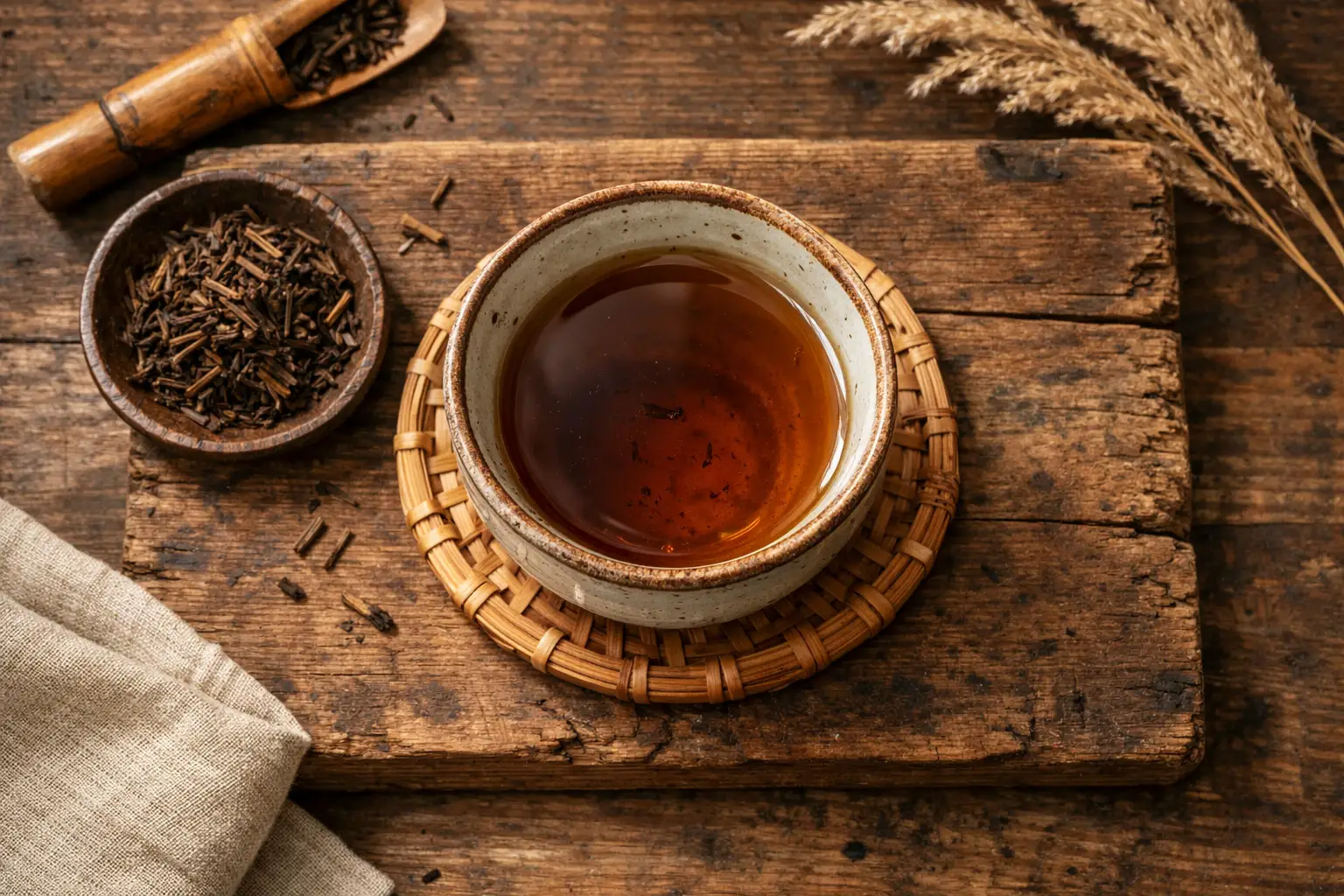
Quick Nutrition Facts
Per 1 Cup Brewed Hojicha (240ml)
| Nutrient | Amount |
|---|---|
| Calories | 0 kcal |
| Protein | 0g |
| Carbohydrates | 0g |
| Fiber | 0g |
| Sugars | 0g |
| Fat | 0g |
| Caffeine | 7-15mg |
| L-Theanine | 6-10mg |
| Catechins | 30-50mg |
| Pyrazines | Present |
Bioactive Compound Breakdown
 ChatGPT
  Claude
  AI Mode
  Perplexity
NUTRITIONIST INSIGHT
Hojicha is the only green tea where the roasting process creates pyrazines, compounds that promote relaxation and may support GABA production. With just 7-15mg caffeine per cup, it is one of the safest teas for evening drinking and pregnancy.
Myth Busters
MYTH #1: Hojicha Has No Health Benefits Because It Is Roasted
TRUTH: While roasting reduces catechins by 40-60%, hojicha gains unique pyrazines and melanoidins with their own antioxidant properties. A 2024 study found hojicha enhances feelings of refreshment and concentration compared to water.
MYTH #2: Hojicha Is High in Caffeine Like Other Green Teas
TRUTH: Hojicha contains only 7-15mg caffeine per cup, compared to 30-50mg in sencha and 95mg in coffee. The high-temperature roasting process significantly reduces caffeine content, making it suitable for caffeine-sensitive individuals and evening consumption.
MYTH #3: Zero-Calorie Drinks Have No Nutritional Value
TRUTH: Hojicha delivers catechins, L-theanine, pyrazines, and polyphenols despite having 0 calories. Green tea polyphenols have been shown to improve insulin sensitivity and lower fasting blood glucose in meta-analyses.
MYTH #4: Hojicha Is Not Real Green Tea
TRUTH: Hojicha is 100% green tea (Camellia sinensis) that undergoes an additional roasting step at 200+C. It retains the core green tea compounds while gaining unique roasted flavor compounds and pyrazines not found in other green teas.
MYTH #5: You Cannot Drink Hojicha During Pregnancy
TRUTH: Hojicha is one of the safest teas during pregnancy. At 7-15mg caffeine per cup, you could drink 13+ cups and still be under the ACOG recommended 200mg daily caffeine limit. Always consult your healthcare provider.
NutriScore by Health Goals
| Health Goal | NutriScore | Why This Score? |
|---|---|---|
| Weight Loss |  | 0 calories, 0 sugar, catechins support fat oxidation. Drink freely throughout the day. |
| Muscle Gain |  | Low caffeine limits pre-workout stimulant effect. Good for hydration and recovery. Best paired with protein-rich foods. |
| Diabetes Management | | Zero glycemic impact, green tea catechins shown to lower fasting blood glucose by 1.44 mg/dL in meta-analysis. Safe unlimited consumption. |
| PCOS Management | | Zero calories and sugar, polyphenols may improve insulin sensitivity, L-theanine helps manage stress-related hormonal imbalance. |
| Pregnancy Nutrition | | Very low caffeine (7-15mg), well under ACOG 200mg daily limit. Polyphenols and L-theanine support calm. |
| Viral/Flu Recovery | | Warm liquid soothes throat, catechins support immunity, hydration aids recovery, gentle on stomach. |
PERSONALIZED NUTRITION
Track your meals with NutriScan for personalized NutriScores based on your specific health goals!
Blood Sugar Response to Hojicha Tea
Understanding how hojicha affects your blood glucose helps you make informed decisions about when to drink it.
Typical Glucose Response Curve
This chart shows typical blood glucose response for general healthy individuals. Individual responses may vary. Not medical advice.
How to Enhance the Benefits
Green tea catechins help improve insulin sensitivity and glucose metabolism when consumed regularly:
- 🍋 Lemon or yuzu - Vitamin C enhances catechin absorption by up to 5x
- 🍯 A small amount of honey - If sweetening, use minimal amounts (1 tsp max)
- 🥛 Avoid adding milk - Casein can bind catechins and reduce their bioavailability
- 🫚 Fresh ginger - Adds warmth and additional anti-inflammatory benefits
This combination maximizes the polyphenol benefits while keeping the drink at near-zero calories.
Cultural Significance
Hojicha was first created in Kyoto, Japan in the 1920s when tea merchants began roasting green tea leaves and stems over charcoal to extend shelf life.
In Japan:
- Traditionally served after meals in restaurants as a palate cleanser
- Given to children and elderly due to its low caffeine and gentle flavor
- Used in sweets, ice cream, and lattes (hojicha latte is a modern trend)
- Roasting technique (houji) is considered an art form passed through generations
Global Impact:
- One of the fastest-growing specialty teas worldwide in 2025-2026
- Featured in National Geographic's 2026 food trends report
- Increasingly popular in Western cafes as a caffeine-conscious alternative
- Sustainability advantage: uses lower-grade leaves and stems, reducing waste
Compare & Substitute
Hojicha vs Similar Teas (Per 1 Cup / 240ml)
| Nutrient | 🍵 Hojicha | 🍵 Matcha | 🍵 Sencha | ☕ Coffee |
|---|---|---|---|---|
| Calories | 0 kcal | 3 kcal | 0 kcal | 2 kcal |
| Caffeine | 7-15mg | 60-70mg | 30-50mg | 95mg |
| L-Theanine | 6-10mg | 14-20mg | 10-15mg | 0mg |
| Catechins | 30-50mg | 100-140mg | 80-120mg | 0mg |
| Pyrazines | High (unique) | None | None | Present |
| Bitterness | Very low | Medium-high | Medium | Variable |
| Best For | Evening, relaxation | Morning focus, energy | Daytime antioxidants | Morning alertness |
Frequently Asked Questions
Is hojicha tea good for weight loss?
Yes, hojicha is excellent for weight loss with 0 calories per cup. Green tea catechins support fat oxidation, and the low caffeine content means you can drink it throughout the day without disrupting sleep, which is critical for weight management.
Best practices: Drink 3-5 cups daily, avoid adding sugar or milk, have a cup 30 minutes before meals to promote fullness.
How much caffeine is in hojicha tea?
1 cup of brewed hojicha contains approximately 7-15mg of caffeine. This is significantly less than sencha (30-50mg), matcha (60-70mg), or coffee (95mg). The roasting process at 200+C reduces caffeine content by up to 80%.
Caffeine-sensitive tips:
- Brew at lower temperature (80C) for even less caffeine
- Second steeping contains less caffeine than the first
- Safe for evening consumption without affecting sleep
Can I drink hojicha while pregnant?
Hojicha is one of the safest teas during pregnancy due to its very low caffeine content (7-15mg per cup). ACOG recommends staying under 200mg of caffeine daily during pregnancy.
Tips for pregnancy:
- Limit to 3-4 cups daily to be conservative
- Count total caffeine from all sources (chocolate, soda, other teas)
- Choose plain hojicha without added sweeteners
- Consult your healthcare provider about your specific situation
Is hojicha healthier than matcha?
Both serve different health purposes. Matcha has 3-4x more catechins and caffeine, making it better for morning energy and maximum antioxidant intake. Hojicha has unique pyrazines for relaxation, lower caffeine for evening drinking, and is gentler on the stomach.
Choose hojicha if: You want evening tea, are caffeine-sensitive, have a sensitive stomach, or prefer mild flavor. Choose matcha if: You want maximum antioxidants, need an energy boost, or want a coffee alternative.
Can hojicha help with sleep?
Hojicha can support better sleep due to its low caffeine (7-15mg), L-theanine that promotes alpha brain waves, and pyrazines that may promote GABA secretion. It is one of the best teas for evening and pre-bedtime consumption.
Best sleep routine: Drink 1 cup of hojicha 1-2 hours before bed. Avoid pairing with sugary foods.
How many cups of hojicha can I drink per day?
General guidelines:
- 3-5 cups daily - Most adults (safe caffeine range of 21-75mg total)
- 2-3 cups daily - Pregnant women (conservative approach)
- Unlimited - If decaffeinated hojicha powder is available
- 1-2 cups - Children (due to caffeine sensitivity)
Track your tea intake alongside meals with NutriScan app to see how hojicha fits your daily nutrition goals.


Similar Nutritious Foods
4505 Chicharrones Classic Chili Salt
7 Eleven Japan Crispy Corn Cheese
Explore More Nutrition Tools & Resources
AI Calorie Counter App - Snap a Photo, Get Macros
AI Nutritionist App That Reads Your Logged Meals
Best Protein Supplements for Women
Bulking Meal Plan App That Sets Your Surplus
ChatGPT Calorie Counter Alternative That Keeps the Total
ChatGPT Diet Plan Alternative That Tracks What You Eat
ChatGPT Weight Loss Coach Alternative With a Food Log
Fast Food Calorie Counter App That Reads the Tray
Free Calorie Tracker App with AI Photo Scans | NutriScan
Indian Diet Plan App With Veg and Non Veg Meals
Indian Food Calorie Calculator - Get Instant Nutrition Facts for Desi Meals — 2026
Intermittent Fasting for Women, Timer and Meal Log App
Intermittent Fasting Tracker App - Free Fasting Timer
Macro Tracker App That Fills the Numbers From a Photo
Mediterranean Diet Meal Plan App That Counts the Oil
Micronutrient Tracker App for Vitamins and Minerals
MyFitnessPal Alternative That Stays Free | NutriScan
NutriScore App: A Free Grade on Every Meal | NutriScan
Nutrition Label Scanner App for the Amount You Ate
Second Trimester Protein Guide
Vegetarian Meal Plan App With a Protein Target
Voice Calorie Counter - Speak to Track Meals Hands-Free
Water and Calorie Tracker App - Free Water Log