Kidfresh Hidden Veggie Meal: Calories, Nutrition and Health Benefits
A kid-friendly frozen meal with hidden vegetable purees, delivering 220 calories and 9g protein per serving with no artificial ingredients.
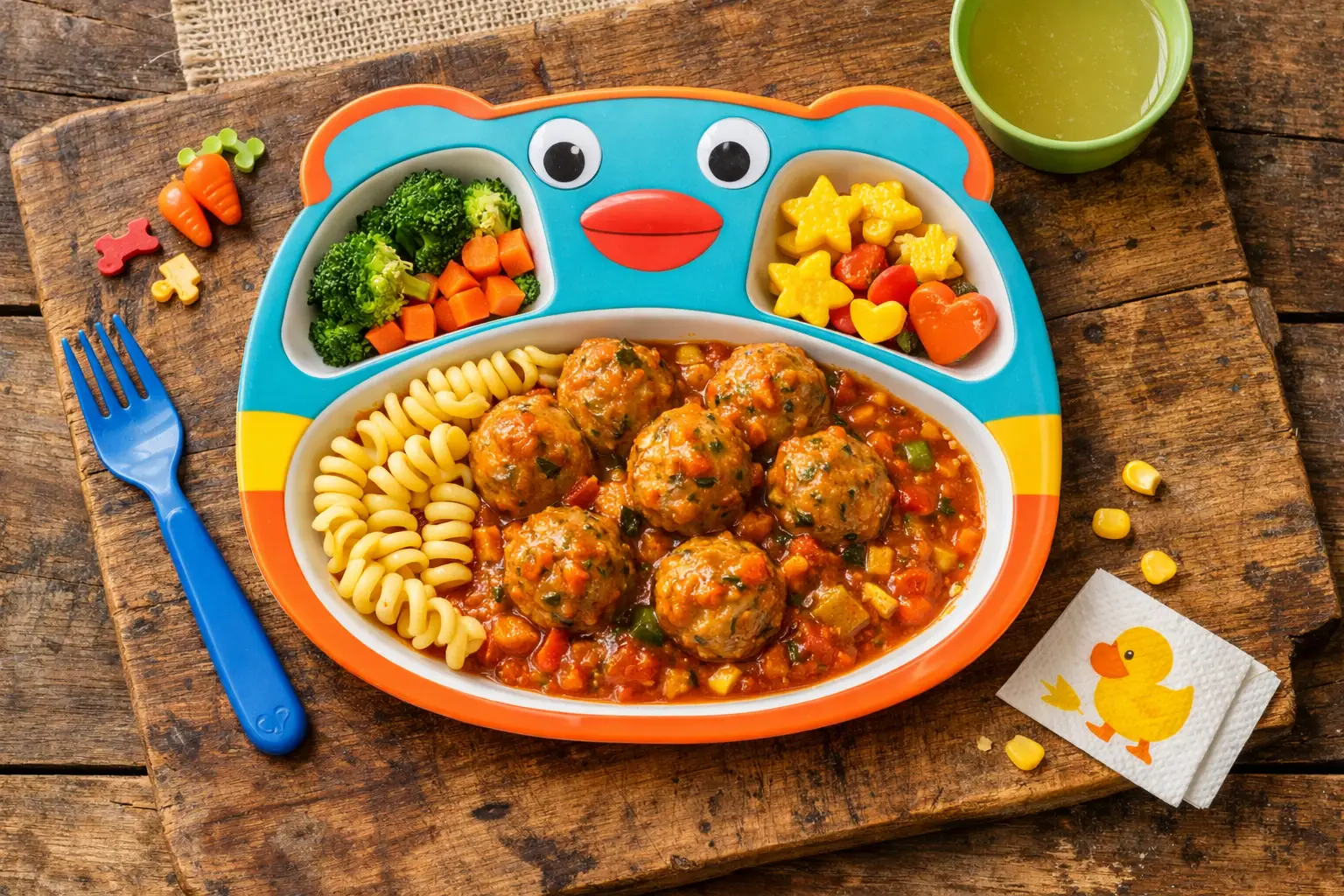
Quick Nutrition Facts
Per 1 Meal (187g) - Chicken Meatballs Variety
| Nutrient | Amount |
|---|---|
| Calories | 220 kcal |
| Protein | 9g |
| Carbohydrates | 32g |
| Fiber | 3g |
| Sugars | 4g |
| Fat | 6g |
| Sodium | 440mg |
| Calcium | 80mg |
| Iron | 1.8mg |
| Vitamin A | 150mcg |
Macronutrient Breakdown
 ChatGPT
  Claude
  AI Mode
  Perplexity
NUTRITIONIST INSIGHT
Kidfresh meals stand out among frozen kids' options because the hidden vegetable purees (carrots, cauliflower, sweet potato) add fiber and micronutrients without changing taste. For best nutrition, pair with a side of fresh fruit and milk to round out the meal.
Myth Busters
MYTH #1: Frozen Kids' Meals Are All Junk Food
TRUTH: Not all frozen meals are equal. Kidfresh meals contain no artificial flavors, colors, or preservatives. Research shows hiding pureed vegetables in familiar foods effectively increases children's vegetable intake while reducing overall calorie consumption.
MYTH #2: Hidden Vegetables Don't Count as Real Nutrition
TRUTH: Pureed vegetables retain most of their fiber and micronutrient content. Studies confirm that vegetable purees incorporated into foods provide meaningful nutritional benefits including increased fiber, vitamins A and C, and potassium.
MYTH #3: Kids' Frozen Meals Are Too High in Sodium
TRUTH: While sodium in frozen meals deserves attention, Kidfresh meals contain 440mg per serving, which is within AAP guidelines for children's sodium intake. Many competing brands contain 600-900mg per serving.
MYTH #4: Frozen Meals Have No Fiber
TRUTH: Kidfresh meals provide 3g fiber per serving from hidden vegetable purees. Harvard nutrition research confirms children need 25-35g fiber daily, and every gram counts toward this goal.
MYTH #5: You Should Never Feed Kids Frozen Meals
TRUTH: Frozen meals can be part of a healthy diet when chosen wisely. The key is reading labels for sodium, added sugars, and artificial ingredients. Kidfresh eliminates artificial additives and adds vegetable nutrition that many kids would otherwise refuse.
NutriScore by Health Goals
| Health Goal | NutriScore | Why This Score? |
|---|---|---|
| Weight Loss |  | 220 calories per meal is portion-controlled. 3g fiber and 9g protein promote satiety. Good for calorie-conscious parents managing kids' portions. |
| Muscle Gain |  | 9g protein supports growth but may need supplementing with additional protein sources for active kids. Pair with milk or yogurt. |
| Diabetes Management | | 32g carbs with moderate GI. Pairing with protein slows glucose absorption. Monitor portion size for children with type 1 diabetes. |
| PCOS Management | | Moderate carb content requires awareness. Hidden vegetables add beneficial fiber. Not the primary concern for the typical child demographic. |
| Pregnancy Nutrition | | Convenient option for pregnant women needing quick meals. Vitamin A from carrots supports fetal development. Supplement with folate-rich foods. |
| Viral/Flu Recovery | | Easy to prepare when feeling unwell. Gentle on digestion, provides energy and vitamin A for immune support. |
PERSONALIZED NUTRITION
Track your family's meals with NutriScan for personalized NutriScores based on your specific health goals!
Blood Sugar Response to Kidfresh Hidden Veggie Meal
Understanding how this meal affects blood glucose helps parents make informed decisions, especially for children managing diabetes.
Typical Glucose Response Curve
This chart shows typical blood glucose response for general healthy individuals. Individual responses may vary. Not medical advice.
How to Flatten the Spike
Pairing carb-rich meals with protein or healthy fat slows glucose absorption and reduces the peak blood sugar level:
- 🥛 Glass of milk - Adds protein and calcium to complete the meal
- 🥑 Avocado slices - Healthy fats slow carbohydrate absorption
- 🥒 Raw veggie sticks - Extra fiber helps regulate glucose response
- 🧀 Cheese cubes - Protein and fat combination for steady energy
This combination reduces the glucose spike and extends energy release, keeping kids fuller for longer.
Cultural Significance
Kidfresh represents a modern shift in how families approach children's nutrition in the convenience food era.
In the United States:
- Founded in 2006 by Matt Cohen in New York City, originally as a fresh meal delivery service for kids
- Pioneered the "hidden vegetable" approach in mass-market frozen meals
- Reflects growing parental demand for clean-label, kid-friendly convenience foods
- Available in major retailers: Whole Foods, Target, Kroger, and more
Global Impact:
- Part of a worldwide trend toward healthier processed foods for children
- Hidden vegetable strategy has been validated by multiple nutrition studies
- Influenced other brands to reformulate children's frozen meals with better ingredients
- Addresses the reality that less than 20% of children aged 6-11 meet vegetable intake recommendations
Compare & Substitute
Kidfresh vs Similar Kids' Meals (Per Serving)
| Nutrient | Kidfresh Hidden Veggie | Lunchables Turkey & Cheddar | Amy's Kids' Mac & Cheese | Homemade Chicken & Veggies |
|---|---|---|---|---|
| Calories | 220 kcal | 310 kcal | 400 kcal | 250 kcal |
| Carbs | 32g | 33g | 47g | 20g |
| Fiber | 3g | 1g | 3g | 4g |
| Protein | 9g | 15g | 16g | 18g |
| Fat | 6g | 12g | 16g | 8g |
| Sodium | 440mg | 720mg | 580mg | 280mg |
| Sugar | 4g | 9g | 6g | 3g |
| Best For | Picky eaters, hidden veggie intake | Lunchbox convenience, higher protein | Comfort food, organic option | Best nutrition overall |
Frequently Asked Questions
Are Kidfresh meals healthy for kids?
Kidfresh meals are a healthier frozen option compared to most competitors. They contain no artificial ingredients, include hidden vegetable purees providing up to half a cup of veggies per meal, and deliver 9g protein with 3g fiber per serving.
Best practices: Use as part of a balanced diet, pair with fresh fruits and vegetables, and monitor sodium intake across the full day (aim for under 1,500mg total for children ages 4-8).
How many calories are in a Kidfresh meal?
A typical Kidfresh Hidden Veggie Meal contains 220 calories per serving. Specific products vary: chicken meatballs (140 cal per 6 meatballs), mac and cheese (280-310 cal), and chicken nuggets (190 cal per serving).
What vegetables are hidden in Kidfresh meals?
Kidfresh uses pureed vegetables blended into sauces and breading. Common vegetables include carrots, cauliflower, celery, onions, and sweet potatoes. Each meal contains up to half a cup of hidden vegetables.
Are Kidfresh meals safe for kids with allergies?
Kidfresh meals contain common allergens including wheat and milk. They are not suitable for children with dairy or gluten allergies. Always check the specific product label as ingredients vary between varieties. The brand does not use artificial colors, flavors, or preservatives.
How much sodium is in Kidfresh meals?
Kidfresh meals contain 350-490mg sodium per serving depending on the variety. While lower than many competing frozen kids' meals (which often contain 600-900mg), parents should factor this into daily sodium intake.
Guidelines: The AAP recommends children ages 4-8 consume no more than 1,500mg sodium per day.
Can adults eat Kidfresh meals for portion control?
Yes, Kidfresh meals can work as portion-controlled snacks for adults at 220 calories. However, portions are sized for children (187g) and may not provide sufficient nutrition as a full adult meal. Consider doubling the portion or adding a salad for a complete adult meal.


Similar Nutritious Foods
4505 Chicharrones Classic Chili Salt
7 Eleven Japan Crispy Corn Cheese
Explore More Nutrition Tools & Resources
AI Calorie Counter App - Snap a Photo, Get Macros
AI Nutritionist App That Reads Your Logged Meals
Best Protein Supplements for Women
Bulking Meal Plan App That Sets Your Surplus
ChatGPT Calorie Counter Alternative That Keeps the Total
ChatGPT Diet Plan Alternative That Tracks What You Eat
ChatGPT Weight Loss Coach Alternative With a Food Log
Fast Food Calorie Counter App That Reads the Tray
Free Calorie Tracker App with AI Photo Scans | NutriScan
Indian Diet Plan App With Veg and Non Veg Meals
Indian Food Calorie Calculator - Get Instant Nutrition Facts for Desi Meals — 2026
Intermittent Fasting for Women, Timer and Meal Log App
Intermittent Fasting Tracker App - Free Fasting Timer
Macro Tracker App That Fills the Numbers From a Photo
Mediterranean Diet Meal Plan App That Counts the Oil
Micronutrient Tracker App for Vitamins and Minerals
MyFitnessPal Alternative That Stays Free | NutriScan
NutriScore App: A Free Grade on Every Meal | NutriScan
Nutrition Label Scanner App for the Amount You Ate
Second Trimester Protein Guide
Vegetarian Meal Plan App With a Protein Target
Voice Calorie Counter - Speak to Track Meals Hands-Free
Water and Calorie Tracker App - Free Water Log