Living Vinegar Tonic: Calories, Nutrition and Health Benefits
A probiotic-rich fermented beverage with live cultures, fruit infusions, and powerful gut health benefits at just 15 calories per shot.
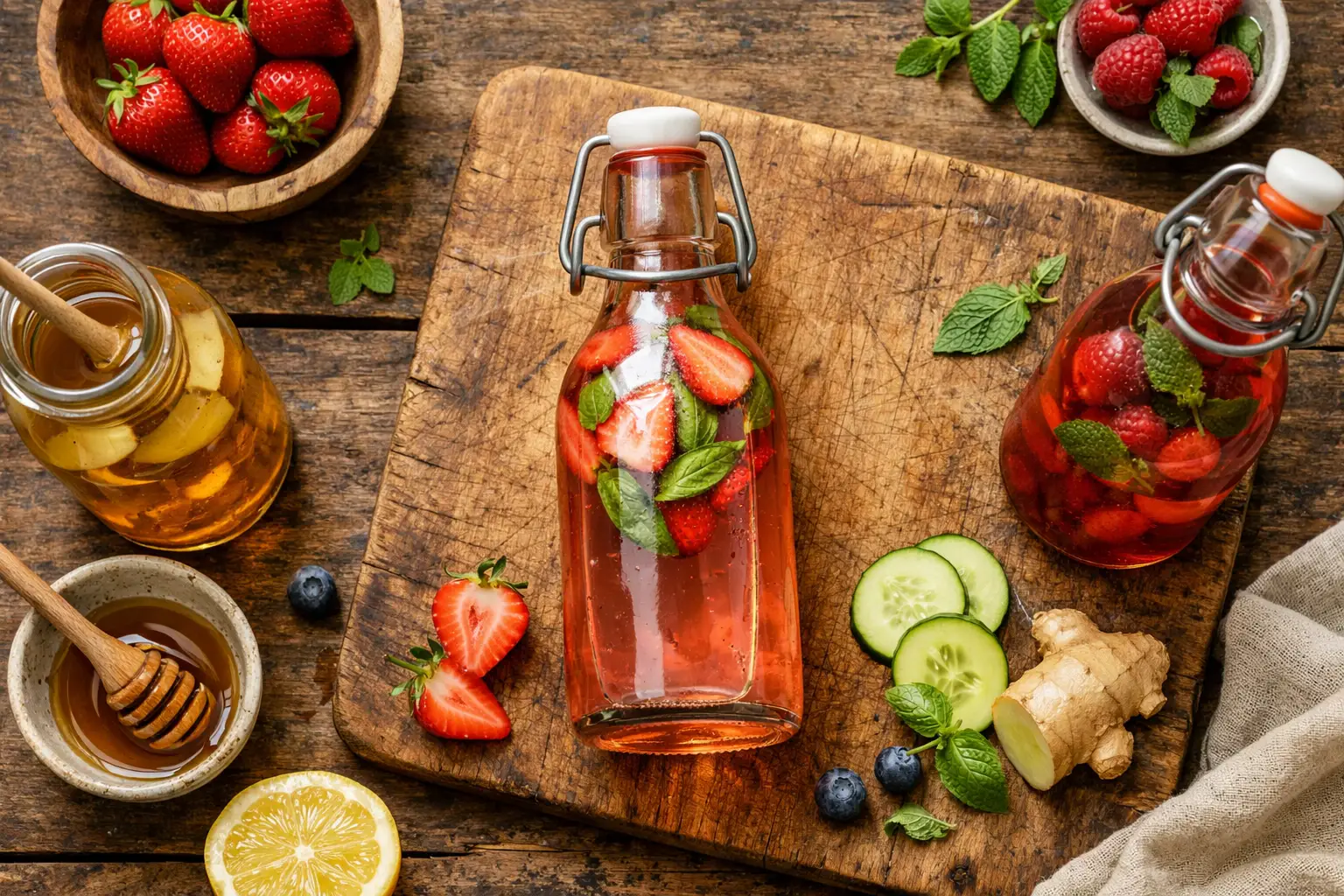
Quick Nutrition Facts
Per 1 Shot (60ml)
| Nutrient | Amount |
|---|---|
| Calories | 15 kcal |
| Protein | 0g |
| Carbohydrates | 4g |
| Fiber | 0g |
| Sugars | 3g |
| Fat | 0g |
| Sodium | 5mg |
| Vitamin C | 7.5mg |
| Acetic Acid | 750mg |
| Probiotics | 1B CFU |
Macronutrient Breakdown
 ChatGPT
  Claude
  AI Mode
  Perplexity
NUTRITIONIST INSIGHT
Living vinegar tonics provide beneficial acetic acid and probiotics that support gut microbiome diversity. The live cultures can help regulate digestion while the vinegar's acetic acid may improve insulin sensitivity.
Myth Busters
MYTH #1: Vinegar Tonics Are Too Acidic to Be Safe
TRUTH: When properly diluted (1-2 tbsp per glass of water or in tonic form), vinegar is safe for most people. Commercial tonics are already diluted. Studies show regular vinegar consumption is well-tolerated and may provide metabolic benefits.
MYTH #2: All Vinegar Drinks Are the Same
TRUTH: Living vinegar tonics contain active probiotics and live cultures, unlike pasteurized vinegar products. The "mother" culture in raw apple cider vinegar contains beneficial bacteria that pasteurized versions lack entirely.
MYTH #3: Vinegar Tonics Can Replace Meals for Weight Loss
TRUTH: While vinegar may help control appetite, it contains minimal nutrition (15 cal, 0g protein). It's a supplement to a balanced diet, not a meal replacement. Studies show benefits when consumed before meals, not instead of them.
MYTH #4: Drinking Vinegar Damages Tooth Enamel
TRUTH: Undiluted vinegar can erode enamel, but properly formulated tonics are diluted. Best practices: use a straw, rinse mouth with water after, wait 30 minutes before brushing. Commercial tonics are balanced for safety.
MYTH #5: Vinegar Cures Diabetes
TRUTH: Vinegar doesn't cure diabetes but may help improve glycemic control as part of a management plan. It can reduce post-meal blood sugar spikes by 20-30% when consumed before carbohydrate-rich meals.
MYTH #6: You Need to Drink a Lot for Benefits
TRUTH: Just 1-2 tablespoons (15-30ml) daily shows benefits in studies. More isn't better and can cause digestive discomfort. Consistency matters more than quantity.
NutriScore by Health Goals
| Health Goal | NutriScore | Why This Score? |
|---|---|---|
| Weight Loss |  | Ultra-low calorie (15 kcal), may reduce appetite and cravings, supports metabolism when taken before meals. |
| Muscle Gain |  | No protein or significant nutrients for muscle building. Neutral—won't hinder gains but doesn't contribute directly. |
| Diabetes Management | | Research shows apple cider vinegar may improve glycemic indices and reduce post-meal glucose spikes. Consume before carb-heavy meals. |
| PCOS Management |  | May help with insulin sensitivity which affects PCOS. Low sugar content supports hormonal balance. |
| Pregnancy Nutrition | | Limited research on unpasteurized vinegar during pregnancy. Consult healthcare provider before regular use. |
| Viral/Flu Recovery | | Vitamin C content, antimicrobial properties of acetic acid, and probiotics support immune function during recovery. |
PERSONALIZED NUTRITION
Track your meals with NutriScan for personalized NutriScores based on your specific health goals!
Blood Sugar Response to Living Vinegar Tonic
Understanding how vinegar tonics affect blood glucose can help you optimize timing for maximum benefit.
Typical Glucose Response Curve
*This chart shows typical blood glucose response. Living vinegar tonics have minimal glycemic impact. Individual responses may vary. Not medical advice.*
How to Maximize Blood Sugar Benefits
Consuming vinegar before carbohydrate-rich meals can significantly reduce the glycemic impact of your meal:
- 15-20 minutes before meals - Optimal timing for blood sugar control
- Pair with fiber-rich foods - Amplifies the glucose-lowering effect
- Dilute properly - 1-2 tbsp in water or use pre-made tonics
- Consistency over quantity - Daily use shows better results than occasional large doses
This combination not only minimizes glucose spikes but also extends satiety, keeping you fuller for longer.
Cultural Significance
Vinegar-based health tonics have a rich history spanning thousands of years across multiple cultures.
Historical Origins:
- Ancient Babylonians (5000 BC) used date vinegar as a preservative and health tonic
- Hippocrates prescribed vinegar with honey (oxymel) for coughs and infections
- Roman soldiers drank posca, a diluted vinegar beverage for stamina
- Traditional Chinese medicine uses rice vinegar for digestive health
Modern Revival:
- Switchel (colonial American ginger-vinegar drink) resurging in wellness circles
- Korean drinking vinegars (hongcho) popularized in K-beauty culture
- Kombucha and vinegar tonic hybrids trending in health food stores
- Fire cider and shrub-based tonics gaining mainstream appeal
In India:
- Kanji (fermented carrot-beetroot vinegar drink) traditional in North India
- Apple cider vinegar gaining popularity in Ayurvedic-inspired wellness routines
- Used as digestive aid after heavy meals in traditional practice
Compare & Substitute
Living Vinegar Tonic vs Similar Beverages (Per 60ml/standard serving)
| Nutrient | Living Vinegar Tonic | Kombucha (240ml) | Lemon Water (240ml) | Coconut Water (240ml) |
|---|---|---|---|---|
| Calories | 15 kcal | 30 kcal | 3 kcal | 45 kcal |
| Carbs | 4g | 7g | 1g | 9g |
| Sugar | 3g | 4g | 0.5g | 6g |
| Protein | 0g | 0g | 0g | 0.5g |
| Probiotics | Yes (live) | Yes (live) | No | No |
| Acetic Acid | High | Low | None | None |
| Best For | Blood sugar, gut health | Gut health, variety | Hydration, low-cal | Electrolytes, hydration |
Frequently Asked Questions
What is a living vinegar tonic?
A living vinegar tonic is a probiotic fermented beverage containing live bacterial cultures. It's made from apple cider vinegar or other vinegars, often infused with fruits, herbs, and spices for flavor. The "living" aspect refers to active beneficial bacteria that support gut health.
Key characteristics:
- Contains "the mother" (probiotic culture)
- Unpasteurized to preserve live cultures
- 10-25 calories per serving
- Diluted and flavored for palatability
Does vinegar tonic help with blood sugar?
Yes, research supports this benefit. A 2019 study found that apple vinegar consumption improved glycemic indices in subjects with diabetes.
How it works:
- Acetic acid slows gastric emptying
- Reduces the rate of carbohydrate absorption
- May improve insulin sensitivity
- Best consumed 15-20 minutes before meals
How much vinegar tonic should I drink daily?
Recommended amounts:
- Beginners: 1 tablespoon (15ml) diluted, once daily
- Regular use: 1-2 tablespoons (15-30ml), 1-2 times daily
- Commercial tonics: 1-2 shots (60ml each) per day
Start with smaller amounts to assess digestive tolerance. Always dilute undiluted vinegar.
Can I drink vinegar tonic during pregnancy?
Exercise caution:
- Pasteurized vinegar in food amounts is generally safe
- Unpasteurized (living) vinegar carries theoretical bacterial risks
- Limited research exists on medicinal vinegar use during pregnancy
- Consult your healthcare provider before regular consumption
What are the main benefits of living vinegar tonic?
Primary benefits:
- Gut health: Probiotics support microbiome diversity
- Blood sugar control: May reduce post-meal glucose spikes by 20-30%
- Digestion: Acetic acid stimulates digestive enzymes
- Weight management: Ultra-low calorie, may reduce appetite
- Antimicrobial: Acetic acid has natural antibacterial properties
When is the best time to drink vinegar tonic?
Depends on your goal:
- Blood sugar control: 15-20 minutes before meals
- Digestion: With or immediately after meals
- Weight loss: Before your largest meal of the day
- General wellness: Morning on an empty stomach (if tolerated)
IMPORTANT NOTE
Avoid on empty stomach if you have acid reflux or GERD. Always dilute and consider using a straw to protect tooth enamel.
Are there any side effects?
Potential concerns:
- Tooth enamel erosion (if undiluted or too frequent)
- Digestive upset in sensitive individuals
- May interact with diabetes medications or diuretics
- Throat irritation if not properly diluted
Prevention tips:
- Always dilute or use pre-made tonics
- Rinse mouth with water after consuming
- Start with small amounts
- Consult doctor if on medications




Similar Nutritious Foods
4505 Chicharrones Classic Chili Salt
7 Eleven Japan Crispy Corn Cheese
Explore More Nutrition Tools & Resources
AI Calorie Counter App - Snap a Photo, Get Macros
AI Nutritionist App That Reads Your Logged Meals
Best Protein Supplements for Women
Bulking Meal Plan App That Sets Your Surplus
ChatGPT Calorie Counter Alternative That Keeps the Total
ChatGPT Diet Plan Alternative That Tracks What You Eat
ChatGPT Weight Loss Coach Alternative With a Food Log
Fast Food Calorie Counter App That Reads the Tray
Free Calorie Tracker App with AI Photo Scans | NutriScan
Indian Diet Plan App With Veg and Non Veg Meals
Indian Food Calorie Calculator - Get Instant Nutrition Facts for Desi Meals — 2026
Intermittent Fasting for Women, Timer and Meal Log App
Intermittent Fasting Tracker App - Free Fasting Timer
Macro Tracker App That Fills the Numbers From a Photo
Mediterranean Diet Meal Plan App That Counts the Oil
Micronutrient Tracker App for Vitamins and Minerals
MyFitnessPal Alternative That Stays Free | NutriScan
NutriScore App: A Free Grade on Every Meal | NutriScan
Nutrition Label Scanner App for the Amount You Ate
Second Trimester Protein Guide
Vegetarian Meal Plan App With a Protein Target
Voice Calorie Counter - Speak to Track Meals Hands-Free
Water and Calorie Tracker App - Free Water Log