Matcha Energy Drink: Calories, Nutrition and Health Benefits
The natural buzz alternative to conventional energy drinks: 5 calories, zero sugar, 30mg caffeine with L-theanine for calm, sustained focus lasting 4-6 hours.
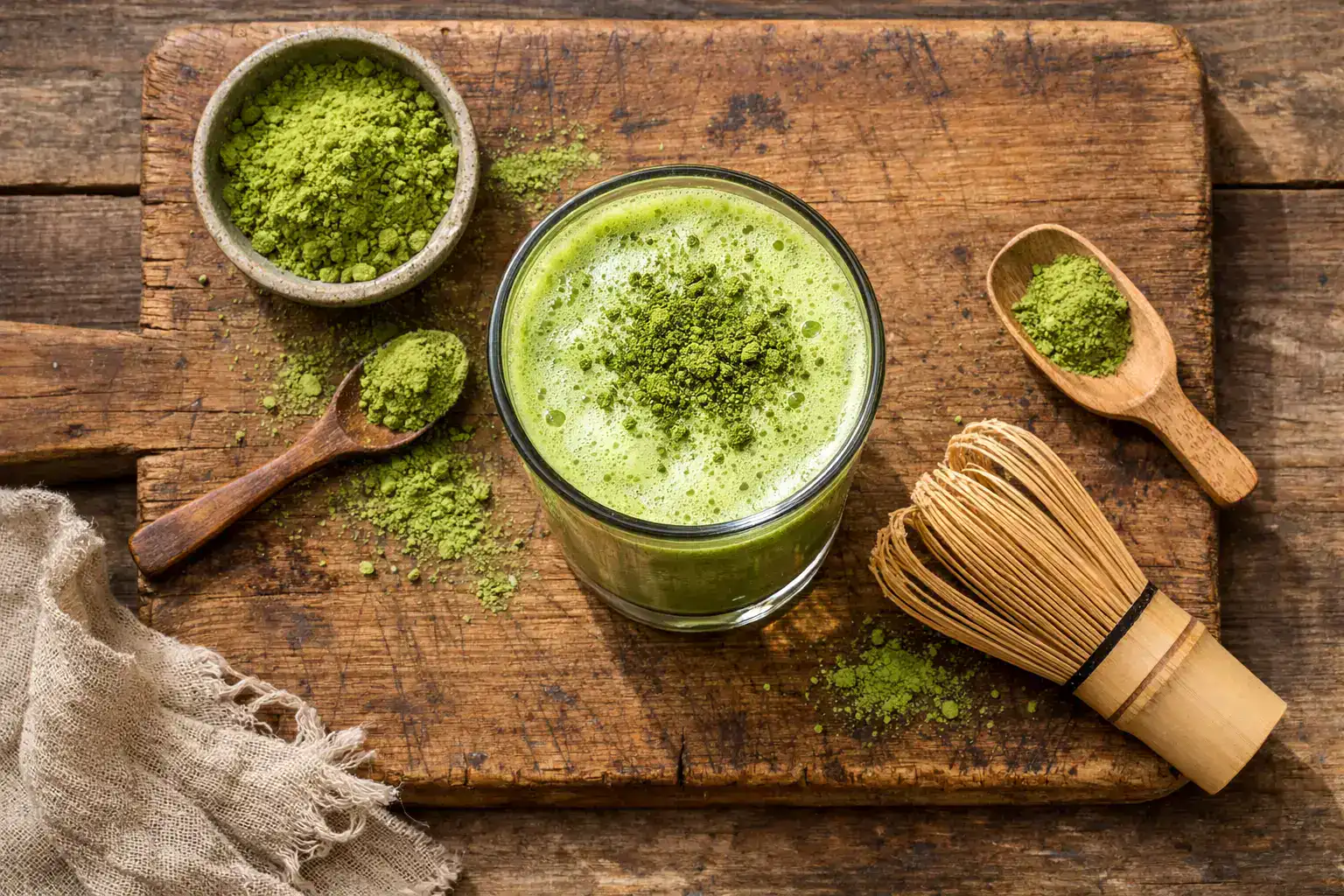
Quick Nutrition Facts
Per 1 Cup Matcha Energy Drink (240ml)
| Nutrient | Amount |
|---|---|
| Calories | 5 kcal |
| Protein | 0.5g |
| Carbohydrates | 1g |
| Fiber | 0.2g |
| Sugars | 0g |
| Fat | 0g |
| Caffeine | 30mg |
| EGCG | 32mg |
| L-theanine | 12mg |
| Vitamin C | 0.6mg |
Macronutrient Breakdown
 ChatGPT
  Claude
  AI Mode
  Perplexity
NUTRITIONIST INSIGHT
Matcha's caffeine-L-theanine synergy delivers calm, focused energy for 4-6 hours without the crash of conventional energy drinks. At just 5 calories and zero sugar, a matcha energy drink gives you the buzz without the blood sugar rollercoaster.
Myth Busters
MYTH #1: Matcha Energy Drinks Work Like Regular Energy Drinks
TRUTH: Conventional energy drinks rely on 150-300mg synthetic caffeine plus 27-63g sugar for a rapid spike and crash. Matcha energy drinks use just 30mg natural caffeine paired with L-theanine, which modulates caffeine's effects for calm alertness over 4-6 hours without jitters or crash.
MYTH #2: Low Caffeine Means Less Energy
TRUTH: The combination of caffeine and L-theanine enhances focus and alertness more effectively than caffeine alone. L-theanine promotes alpha brain wave activity, creating a state of relaxed concentration. 30mg caffeine with L-theanine can match 95mg coffee's energy without the anxiety.
MYTH #3: Matcha Energy Drinks Are Just Fancy Green Tea
TRUTH: Matcha uses the whole shade-grown tea leaf, ground into powder. You consume 100% of the leaf's nutrients vs only 10% from steeped green tea bags. Matcha delivers 10-15x more antioxidants, 3x more EGCG, and significantly more L-theanine than regular green tea.
MYTH #4: Matcha Energy Drinks Are Too Expensive
TRUTH: A homemade matcha energy drink costs $0.50-1.00 per serving (1g powder = $0.30-0.60 + water). Compare that to commercial energy drinks ($2-4) or coffee shop matcha ($5-7). Buying quality culinary-grade matcha in bulk reduces per-serving cost to $0.20-0.40.
MYTH #5: You Need Sugar to Make Matcha Taste Good
TRUTH: Quality matcha has natural umami sweetness from L-theanine and amino acids. Bitterness indicates low-quality powder or water that's too hot. Use 70-80C water, whisk properly, and choose shade-grown matcha. If needed, a tiny amount of honey (1 tsp, 20 cal) is far better than the 27-63g sugar in commercial energy drinks.
MYTH #6: Matcha Energy Drinks Stain Your Teeth
TRUTH: Matcha can temporarily tint teeth green, but it washes away easily. Unlike coffee and energy drinks that cause permanent staining from tannins and acids, matcha's catechins actually have antibacterial properties that may protect dental health.
NutriScore by Health Goals
| Health Goal | NutriScore | Why This Score? |
|---|---|---|
| Weight Loss |  | Only 5 calories, zero sugar. EGCG may enhance fat oxidation during exercise. Perfect replacement for sugary energy drinks. |
| Muscle Gain |  | Caffeine improves workout performance without sugar crash. EGCG supports recovery. Low calorie count won't interfere with bulking or cutting macros. |
| Diabetes Management | | GI of 0, zero sugar. EGCG may inhibit starch digestion and improve insulin sensitivity. Ideal energy source for diabetics avoiding sugar-laden alternatives. |
| PCOS Management | | Zero sugar avoids insulin spikes that worsen PCOS. Antioxidants support hormonal balance. Low caffeine is gentle on adrenal function. |
| Pregnancy Nutrition | | 30mg caffeine per serving is safe within ACOG's 200mg daily limit. L-theanine may reduce stress. Limit to 2-3 servings and count total caffeine intake. |
| Viral/Flu Recovery | | Catechins have antiviral and immune-boosting properties. Warm matcha soothes sore throat. Gentle caffeine supports alertness during recovery. |
PERSONALIZED NUTRITION
Track your meals with NutriScan for personalized NutriScores based on your specific health goals!
Blood Sugar Response to Matcha Energy Drink
Understanding how matcha energy drinks affect blood glucose helps you choose the right energy source for stable, sustained performance.
Typical Glucose Response Curve
*This chart shows typical blood glucose response for plain matcha energy drink (no added sugar or milk). Individual responses may vary. Not medical advice.*
How Matcha Energy Drinks Keep Blood Sugar Stable
EGCG in matcha may inhibit starch digestion enzymes, helping regulate glucose absorption when consumed alongside meals:
- 🍚 With carb-rich meals - May reduce glucose spike from rice, bread, or pasta by slowing starch breakdown
- 🥤 As energy drink replacement - Zero sugar vs 27-63g in conventional energy drinks eliminates blood sugar rollercoaster
- ☕ Morning ritual - Stable energy without coffee's cortisol-driven glucose fluctuation
- 🏋️ Pre-workout - Gentle caffeine boost without sugar crash mid-exercise
Best practices: Keep it plain or with unsweetened plant milk. Adding sweeteners defeats the blood sugar stability advantage.
Cultural Significance
Matcha energy drinks represent the latest evolution of a beverage tradition spanning nearly 900 years, from Zen Buddhist meditation halls to modern wellness culture.
Ancient Roots:
- Zen monks used matcha for sustained meditation energy since 1191 CE
- Samurai drank matcha before battle for calm focus and endurance
- The original "natural energy drink" centuries before modern energy drinks existed
Modern Energy Revolution:
- Global matcha market reached $4.8B in 2024, driven by health-conscious consumers
- "Clean energy" movement positions matcha against synthetic energy drinks
- RTD (ready-to-drink) matcha beverages are the fastest-growing segment
- Popular among athletes, students, and professionals seeking jitter-free focus
India and Asia:
- Matcha gaining popularity in Indian wellness circles as chai alternative
- Ayurvedic practitioners recognize matcha's adaptogenic-like stress-modulating properties
- Japanese, Chinese, and Korean tea ceremonies preserve traditional preparation methods
- Matcha cafes emerging in major Indian cities (Mumbai, Bangalore, Delhi)
Compare & Substitute
Matcha Energy Drink vs Other Energy Sources (Per Serving)
| Nutrient | 🍵 Matcha Energy Drink | ⚡ Energy Drink (8oz) | ☕ Black Coffee (8oz) | 🍃 Green Tea (8oz) |
|---|---|---|---|---|
| Calories | 5 kcal | 110 kcal | 2 kcal | 2 kcal |
| Sugar | 0g | 27g | 0g | 0g |
| Caffeine | 30mg | 160mg | 95mg | 25mg |
| L-theanine | 12mg | 0mg | 0mg | 8mg |
| EGCG | 32mg | 0mg | 0mg | 5mg |
| Energy Duration | 4-6 hours | 1-3 hours | 2-3 hours | 1-2 hours |
| Crash Risk | Very Low | High | Medium | Very Low |
| Best For | Calm focus, all-day energy | Quick high-intensity burst | Morning alertness | Gentle relaxation |
Frequently Asked Questions
How many calories are in a matcha energy drink?
A plain matcha energy drink has only 5 calories per 8oz serving with 30mg caffeine and 12mg L-theanine. Adding unsweetened almond milk brings it to 20 calories. A cafe-style matcha latte with whole milk and sweetener can reach 300-500 calories.
Keep it low-calorie: Use water or unsweetened plant milk, skip the sugar, and you have one of the lowest-calorie energy sources available.
Is matcha better than energy drinks?
Matcha energy drinks are significantly healthier than conventional energy drinks. At 5 calories vs 110-160, zero sugar vs 27-63g, and 30mg natural caffeine vs 150-300mg synthetic, matcha provides gentler, longer-lasting energy. The L-theanine and caffeine combination creates calm focus without the jitters, anxiety, or crash associated with high-caffeine energy drinks.
Can I drink matcha energy drinks every day?
Yes, 1-3 servings daily is safe for most adults, providing 30-90mg caffeine (well under the 400mg safe limit). Daily matcha consumption provides cumulative antioxidant benefits from EGCG. Pregnant women should stay under 200mg total daily caffeine. Avoid after 2pm if caffeine affects your sleep.
Does matcha energy drink spike blood sugar?
No. Plain matcha energy drinks have a glycemic index of 0 and contain zero sugar. Research suggests EGCG may actually help regulate blood sugar by inhibiting starch digestion enzymes. This makes matcha energy drinks ideal for diabetics and anyone managing blood sugar levels.
What makes matcha a natural energy alternative?
Matcha provides energy through two synergistic compounds: caffeine (30mg) for alertness and L-theanine (12mg) for calm focus. Studies show this combination enhances cognitive performance more than either compound alone. Unlike synthetic energy drinks, matcha also delivers EGCG antioxidants, has zero sugar, and provides smooth 4-6 hour energy without a crash.
How do I make a matcha energy drink at home?
Simple recipe (5 calories): Sift 1g matcha powder into a cup, add 2oz hot water (70-80C, not boiling), whisk until frothy, top with cold water and ice. Enhanced (20 calories): Add unsweetened almond milk instead of cold water. Pre-workout (25 calories): Add a squeeze of lemon and 1/2 tsp honey. Cost: $0.30-0.60 per serving vs $3-5 for commercial versions.




Similar Nutritious Foods
4505 Chicharrones Classic Chili Salt
7 Eleven Japan Crispy Corn Cheese
Explore More Nutrition Tools & Resources
AI Calorie Counter App - Snap a Photo, Get Macros
AI Nutritionist App That Reads Your Logged Meals
Best Protein Supplements for Women
Bulking Meal Plan App That Sets Your Surplus
ChatGPT Calorie Counter Alternative That Keeps the Total
ChatGPT Diet Plan Alternative That Tracks What You Eat
ChatGPT Weight Loss Coach Alternative With a Food Log
Fast Food Calorie Counter App That Reads the Tray
Free Calorie Tracker App with AI Photo Scans | NutriScan
Indian Diet Plan App With Veg and Non Veg Meals
Indian Food Calorie Calculator - Get Instant Nutrition Facts for Desi Meals — 2026
Intermittent Fasting for Women, Timer and Meal Log App
Intermittent Fasting Tracker App - Free Fasting Timer
Macro Tracker App That Fills the Numbers From a Photo
Mediterranean Diet Meal Plan App That Counts the Oil
Micronutrient Tracker App for Vitamins and Minerals
MyFitnessPal Alternative That Stays Free | NutriScan
NutriScore App: A Free Grade on Every Meal | NutriScan
Nutrition Label Scanner App for the Amount You Ate
Second Trimester Protein Guide
Vegetarian Meal Plan App With a Protein Target
Voice Calorie Counter - Speak to Track Meals Hands-Free
Water and Calorie Tracker App - Free Water Log