Wasabi: Calories, Nutrition and Health Benefits
The pungent Japanese condiment that ignites metabolism, boosts circulation, and delivers powerful antioxidants in every small bite.
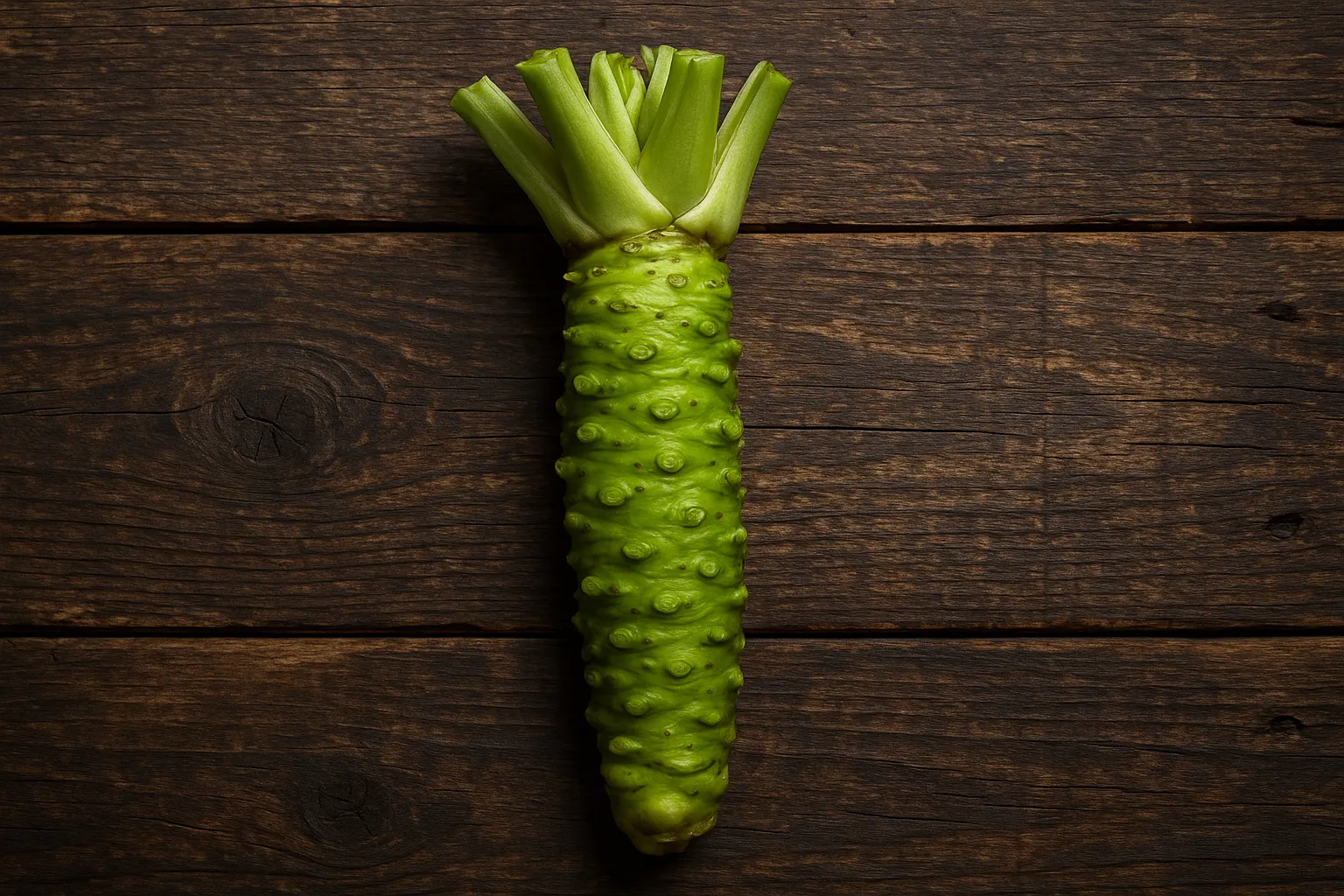
Quick Nutrition Facts
Per 1 Tablespoon (15g)
| Nutrient | Amount |
|---|---|
| Calories | 109 kcal |
| Protein | 5g |
| Carbohydrates | 25g |
| Fiber | 7g |
| Sugars | 0g |
| Fat | 0g |
| Calcium | 45mg |
| Iron | 0.5mg |
| Potassium | 60mg |
| Vitamin C | 17mg |
Macronutrient Breakdown
 ChatGPT
  Claude
  AI Mode
  Perplexity
NUTRITIONIST INSIGHT
Wasabi's sharp bite comes from isothiocyanates, sulfur compounds with proven anti-cancer and anti-inflammatory properties. Even small amounts (1–2 teaspoons) activate metabolism, support detoxification, and improve blood flow without adding significant calories.
Myth Busters
MYTH #1: All Wasabi is Real Wasabi
TRUTH: 95% of commercial wasabi is actually horseradish and mustard. Authentic wasabi (Wasabia japonica) contains significantly more isothiocyanates and antioxidants. Check ingredient labels carefully.
MYTH #2: Wasabi is Too Spicy to Offer Health Benefits
TRUTH: The heat doesn't diminish health value—it enhances it. Isothiocyanates trigger the TRPV1 receptor, boosting metabolism, improving blood vessel function, and reducing inflammation even in small quantities.
MYTH #3: Wasabi Burns Calories So You Can Eat More
TRUTH: While wasabi does increase thermogenesis (calorie burning), it's modest—approximately 10–15 extra calories per serving. Use it as a condiment to enhance meals, not as a metabolism miracle cure.
MYTH #4: Wasabi is Unsafe for Sensitive Stomachs
TRUTH: Used in moderation (1–2 tablespoons), wasabi aids digestion and has antimicrobial properties. The pungency actually improves stomach acid production and parasitic defense, especially with sushi and raw fish.
MYTH #5: Fake Wasabi Has the Same Benefits as Real Wasabi
TRUTH: Imitation wasabi lacks the key bioactive compounds (isothiocyanates, anthocyanins) found in real wasabi. Only authentic Wasabia japonica delivers meaningful anti-inflammatory and metabolic benefits.
NutriScore by Health Goals
| Health Goal | NutriScore | Why This Score? |
|---|---|---|
| Weight Loss |  | 109 calories per tablespoon, zero fat, 7g fiber, metabolism-boosting isothiocyanates. Use 1–2 tablespoons with meals to enhance fat burning. |
| Muscle Gain |  | 5g protein per serving, supports protein absorption via digestive enzymes, anti-inflammatory compounds aid recovery. |
| Diabetes Management | | Zero glycemic impact, high fiber slows sugar absorption, may improve insulin sensitivity. |
| PCOS Management | | Anti-inflammatory isothiocyanates support hormonal balance, low calorie, minimal carbs per serving. |
| Pregnancy Nutrition |  | Contains vitamin C for immunity, but intense flavor may trigger nausea in first trimester. Use sparingly or avoid if morning sickness is present. Consult your healthcare provider. |
| Viral/Flu Recovery | | Antimicrobial compounds support immune defense, vitamin C boosts immunity, heat increases circulation and sinus drainage. |
PERSONALIZED NUTRITION
Track your meals with NutriScan for personalized NutriScores based on your specific health goals!
Blood Sugar Response to Wasabi
Wasabi has minimal impact on blood glucose, making it ideal for all health goals including diabetes management.
Typical Glucose Response Curve
*This chart shows typical blood glucose response for general healthy individuals. Individual responses may vary. Not medical advice.*
Why Wasabi is Blood Sugar Friendly
Wasabi's high fiber (7g per tablespoon) and near-zero glycemic load make it an excellent condiment for stabilizing meals:
- 🌶️ Spice triggers digestion - Increases stomach acid and enzyme production
- 🧬 Isothiocyanates aid glucose control - May enhance insulin sensitivity
- 🥢 Perfect with sushi and seafood - Pairs with protein and healthy fats to flatten any glucose response
- ⏱️ Timing advantage - Consuming with meals slows carbohydrate absorption
This makes wasabi one of the most blood-sugar-friendly condiments available, with zero guilt.
Cultural Significance
Wasabi (Wasabia japonica) is a cornerstone of Japanese cuisine, with over 1,000 years of culinary and medicinal history.
In Japan:
- Symbol of purity and cleansing in Shinto culture
- Used as a medicinal herb in traditional Japanese medicine for parasitic defense
- Wasabi cultivation demands pristine mountain spring water and cool climates
- Considered a luxury ingredient; authentic fresh wasabi costs $10–30 per root
Global Adoption:
- Key component of sushi culture spread worldwide
- Gaining popularity in fusion cuisines and functional foods
- Real wasabi remains rare outside Japan; most exports are horseradish substitutes
- Emerging as a "superfood" in health-conscious communities
Compare & Substitute
Wasabi vs Similar Pungent Condiments (Per Tablespoon, ~15g)
| Nutrient | 🌶️ Wasabi | 🌶️ Horseradish | 🧅 Mustard | 🌶️ Hot Sauce |
|---|---|---|---|---|
| Calories | 109 kcal | 20 kcal | 3 kcal | 3 kcal |
| Carbs | 25g | 4g | 0.5g | 0.5g |
| Fiber | 7g | 0.8g | 0.2g | 0g |
| Protein | 5g | 0.5g | 0.2g | 0g |
| Fat | 0g | 0g | 0g | 0g |
| Calcium | 45mg | 20mg | 8mg | 5mg |
| Best For | Sushi, seafood, metabolism | Roast beef, heat control | Sandwiches, flavor | Spicy cuisine, heat seekers |
Frequently Asked Questions
Is wasabi good for weight loss?
Yes. One tablespoon delivers 109 calories with 7g fiber and zero fat. The isothiocyanates boost metabolism and reduce appetite. Use 1–2 tablespoons daily as a condiment with protein-rich meals for optimal fat-burning support.
Can diabetics eat wasabi?
Absolutely. Wasabi has zero glycemic impact, high fiber, and may improve insulin sensitivity. Enjoy 1–2 tablespoons as a condiment with meals without spiking blood sugar.
What are the main health benefits of wasabi?
Key benefits: Metabolism boost via isothiocyanates; anti-cancer, anti-inflammatory, and antimicrobial compounds; supports digestion and parasitic defense; improves blood circulation; boosts immunity with vitamin C.
How much wasabi should I eat per day?
1–2 tablespoons (15–30g) is optimal. Wasabi is most effective used as a condiment with meals rather than consumed in large quantities. Excessive amounts may irritate the digestive tract.
Is real wasabi better than imitation wasabi?
Significantly better. Authentic wasabi (Wasabia japonica) contains 5–10× more isothiocyanates and antioxidants than horseradish-based imitations. Check ingredient lists; real wasabi should be the primary ingredient, not "wasabi flavor."
When is the best time to eat wasabi?
During meals, especially with protein and healthy fats like sushi, seafood, or eggs. Wasabi enhances digestion, boosts circulation, and stabilizes blood sugar when paired with whole foods. Avoid on empty stomach.




Similar Nutritious Foods
4505 Chicharrones Classic Chili Salt
7 Eleven Japan Crispy Corn Cheese
Explore More Nutrition Tools & Resources
AI Calorie Counter App - Snap a Photo, Get Macros
AI Nutritionist App That Reads Your Logged Meals
Best Protein Supplements for Women
Bulking Meal Plan App That Sets Your Surplus
ChatGPT Calorie Counter Alternative That Keeps the Total
ChatGPT Diet Plan Alternative That Tracks What You Eat
ChatGPT Weight Loss Coach Alternative With a Food Log
Fast Food Calorie Counter App That Reads the Tray
Free Calorie Tracker App with AI Photo Scans | NutriScan
Indian Diet Plan App With Veg and Non Veg Meals
Indian Food Calorie Calculator - Get Instant Nutrition Facts for Desi Meals — 2026
Intermittent Fasting for Women, Timer and Meal Log App
Intermittent Fasting Tracker App - Free Fasting Timer
Macro Tracker App That Fills the Numbers From a Photo
Mediterranean Diet Meal Plan App That Counts the Oil
Micronutrient Tracker App for Vitamins and Minerals
MyFitnessPal Alternative That Stays Free | NutriScan
NutriScore App: A Free Grade on Every Meal | NutriScan
Nutrition Label Scanner App for the Amount You Ate
Second Trimester Protein Guide
Vegetarian Meal Plan App With a Protein Target
Voice Calorie Counter - Speak to Track Meals Hands-Free
Water and Calorie Tracker App - Free Water Log