Aloha Protein Bar: Calories, Nutrition and Health Benefits
A plant-based powerhouse snack with 14g organic protein, 13g fiber, and only 4g sugar per bar, designed for on-the-go nutrition without artificial ingredients.
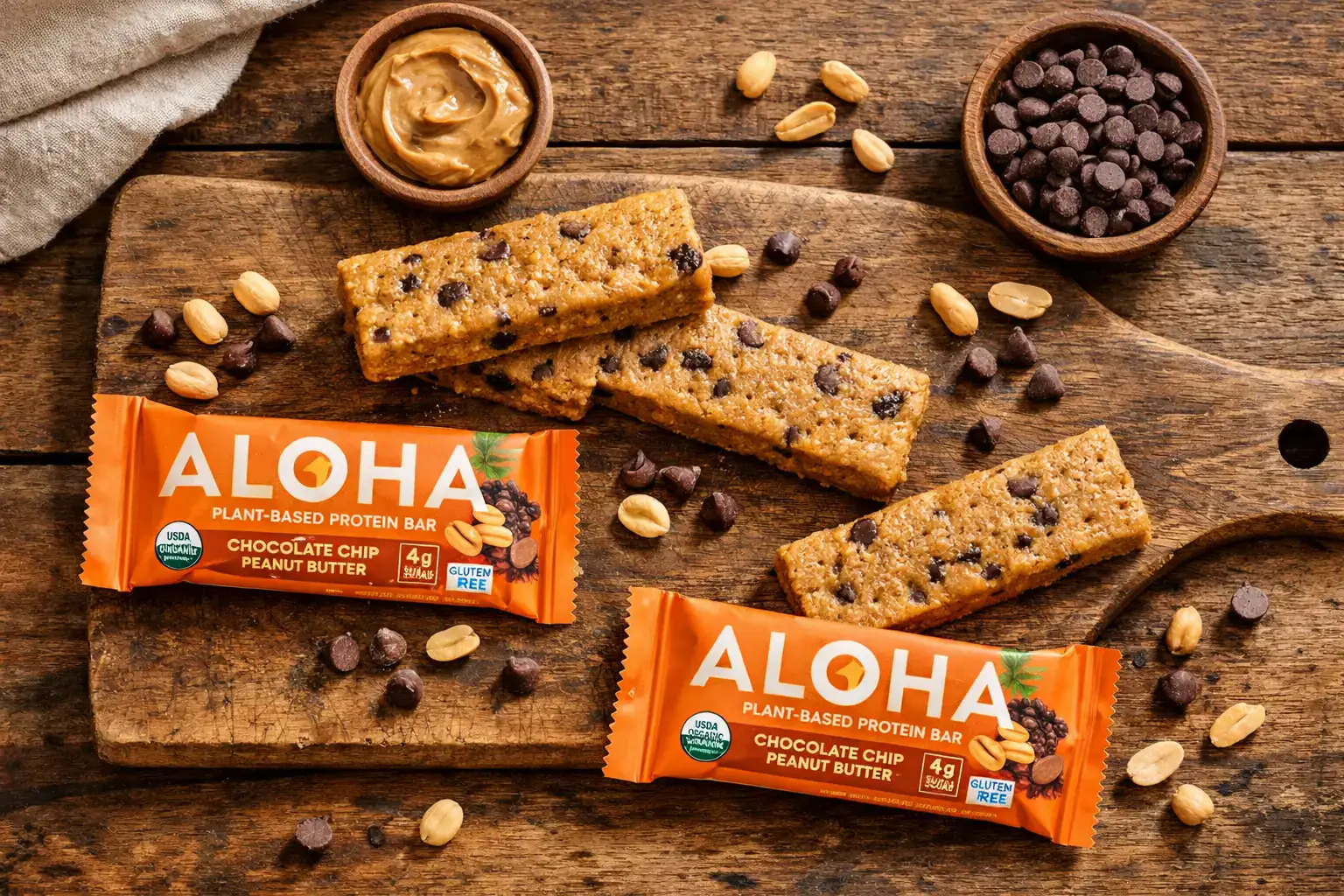
Quick Nutrition Facts
Per 1 Bar (56g) - Peanut Butter Chocolate Chip
| Nutrient | Amount |
|---|---|
| Calories | 270 kcal |
| Protein | 14g |
| Carbohydrates | 23g |
| Fiber | 13g |
| Sugars | 4g |
| Fat | 13g |
| Saturated Fat | 3g |
| Iron | 3mg |
| Calcium | 60mg |
| Sodium | 170mg |
Macronutrient Breakdown
 ChatGPT
  Claude
  AI Mode
  Perplexity
NUTRITIONIST INSIGHT
Aloha bars stand out with 13g fiber per bar, nearly half your daily needs. The brown rice and pumpkin seed protein blend provides a complete amino acid profile, while the absence of sugar alcohols and stevia means no digestive discomfort common with other protein bars.
Myth Busters
MYTH #1: Plant Protein Bars Are Incomplete Proteins
TRUTH: Aloha combines brown rice protein with pumpkin seed protein, creating a complete amino acid profile comparable to animal-based proteins. The complementary amino acids in this blend cover all essential amino acids your body needs.
MYTH #2: Protein Bars Are Just Glorified Candy Bars
TRUTH: Unlike candy bars with 20-30g sugar, Aloha bars contain only 4g sugar and 13g fiber. Research shows high-fiber protein bars significantly reduce postprandial glucose response compared to sugar-heavy snacks.
MYTH #3: You Need 30g+ Protein Per Bar to Build Muscle
TRUTH: Studies confirm that 14-20g of plant protein per serving effectively stimulates muscle protein synthesis when consumed as part of a balanced diet. Quality and amino acid completeness matter more than raw quantity.
MYTH #4: High-Fiber Bars Cause Bloating
TRUTH: Aloha uses tapioca fiber, which is gentler on digestion than chicory root fiber (inulin) found in many competitors. The gradual fiber intake from a bar format is better tolerated than fiber supplements.
MYTH #5: Organic Plant Bars Are Too Expensive Per Gram of Protein
TRUTH: At roughly $3 per bar (14g protein), the cost per gram is comparable to organic Greek yogurt. You also get 13g fiber, iron, and calcium, making the overall nutrient density competitive with dairy-based options.
NutriScore by Health Goals
| Health Goal | NutriScore | Why This Score? |
|---|---|---|
| Weight Loss |  | 270 calories with 13g fiber and 14g protein promotes satiety. Use as snack replacement, not addition. Limit to 1 bar per day. |
| Muscle Gain | | 14g complete plant protein supports recovery. Combine with additional protein source post-workout for optimal muscle synthesis. |
| Diabetes Management |  | Only 4g sugar with 13g fiber creates a low glycemic response. Plant protein further slows glucose absorption. Monitor individual response. |
| PCOS Management | | Low sugar and high fiber support insulin sensitivity. No artificial sweeteners that may disrupt hormonal balance. |
| Pregnancy Nutrition | | Provides iron (3mg) and plant protein. Choose third-party tested organic bars during pregnancy. Consult your provider. |
| Viral/Flu Recovery | | Easy-to-eat protein and energy source when appetite is low. Iron supports immune function during recovery. |
PERSONALIZED NUTRITION
Track your meals with NutriScan for personalized NutriScores based on your specific health goals!
Blood Sugar Response to Aloha Protein Bar
Understanding how Aloha protein bars affect your blood glucose helps you plan optimal snacking times and pairings.
Typical Glucose Response Curve
This chart shows typical blood glucose response for general healthy individuals. Individual responses may vary. Not medical advice.
How to Flatten the Spike
Pairing protein bars with additional healthy fats further slows glucose absorption and extends energy release:
- 🥛 Glass of milk or plant milk - Adds liquid protein and calcium
- 🥜 Handful of almonds or walnuts - Extra healthy fats and fiber
- 🫐 Fresh berries - Low-GI fruit adds antioxidants without spiking sugar
- 🍵 Green tea - Catechins support glucose metabolism
The 13g fiber already provides significant glucose buffering, making Aloha one of the most blood-sugar-friendly protein bars available.
Cultural Significance
Plant-based protein bars emerged from the early 2010s clean-eating movement, but their roots trace to traditional protein-dense travel foods across cultures.
In Modern Wellness Culture:
- Aloha (meaning "love" in Hawaiian) embodies the holistic wellness philosophy
- Founded in 2014 with a mission to make organic plant nutrition accessible
- Represents the shift from whey-dominated to plant-forward sports nutrition
- USDA Organic, Non-GMO Project Verified, and Certified B Corporation
Global Plant Protein Traditions:
- Indian laddoo and chikki bars: traditional protein-dense snacks using nuts and seeds
- Japanese kinako (roasted soybean) snacks: ancient plant protein source
- Middle Eastern tahini bars: sesame-based protein with honey
- South American quinoa bars: complete plant protein from Andean grain
Compare & Substitute
Aloha vs Other Protein Bars (Per Bar)
| Nutrient | Aloha (56g) | RXBAR (52g) | Quest Bar (60g) | KIND Bar (40g) |
|---|---|---|---|---|
| Calories | 270 kcal | 210 kcal | 200 kcal | 200 kcal |
| Carbs | 23g | 24g | 22g | 22g |
| Fiber | 13g | 5g | 14g | 7g |
| Protein | 14g | 12g | 21g | 7g |
| Fat | 13g | 9g | 8g | 13g |
| Sugar | 4g | 13g | 1g | 5g |
| Key Diff | Organic, vegan | Egg white based | Whey, sugar alcohols | Nut-based, lower protein |
| Best For | Clean plant protein, fiber | Minimal ingredients, whole food | Max protein, low carb | Light snacking, nut lovers |
Frequently Asked Questions
Are Aloha protein bars good for weight loss?
270 calories with 13g fiber and 14g protein makes Aloha bars effective for weight management when used as a snack replacement. The high fiber content promotes fullness for 2-3 hours, reducing overall daily calorie intake.
Best practices: Limit to 1 bar per day, use as mid-morning or afternoon snack replacement, drink water with the bar to maximize fiber's satiety effect.
Can diabetics eat Aloha protein bars?
Aloha bars are one of the most diabetes-friendly protein bars available. With only 4g sugar and 13g fiber, they produce a minimal blood sugar response. The plant protein blend further slows glucose absorption.
Tips for diabetics:
- Monitor blood sugar 1-2 hours after eating
- The high fiber may cause initial digestive adjustment
- No sugar alcohols means no unexpected glycemic effects
- Consult your healthcare provider for personalized advice
How much protein is in an Aloha bar?
Each bar contains 14g of organic plant-based protein from a blend of brown rice protein and pumpkin seed protein. While lower than whey-based bars (20-30g), the complete amino acid profile makes it effective for muscle maintenance and recovery.
For higher protein needs, pair with a protein shake or Greek yogurt to reach 25-35g per sitting.
What makes Aloha bars different from other protein bars?
Key differentiators:
- 13g Fiber: Among the highest fiber content in any protein bar
- Only 4g Sugar: No sugar alcohols, no stevia, no artificial sweeteners
- USDA Organic: All ingredients certified organic
- Clean Label: No soy, no gluten, no dairy, no sugar alcohols
- Allergen-Friendly: Free from top allergens except tree nuts and peanuts
- B Corp Certified: Meets high standards of social and environmental performance
When is the best time to eat an Aloha protein bar?
Depends on your goal:
- Weight Loss: Mid-morning (10-11 AM) or afternoon (3-4 PM) as meal replacement snack
- Muscle Gain: Post-workout within 45 minutes, ideally with additional protein source
- Sustained Energy: 1-2 hours before moderate exercise or long meetings
- Diabetes: Between meals to prevent blood sugar dips
IMPORTANT NOTE
Eat the bar at least 30-60 minutes before intense exercise due to high fiber content.
Are Aloha bars safe during pregnancy?
Aloha bars provide organic plant protein and iron, both important during pregnancy. The clean ingredient list (no artificial additives, sugar alcohols, or excessive caffeine) makes them a safe snack option.
Considerations: Choose USDA Organic and third-party tested products during pregnancy. The 13g fiber may cause digestive discomfort if you increase fiber intake suddenly. Introduce gradually and consult your healthcare provider.


Similar Nutritious Foods
4505 Chicharrones Classic Chili Salt
7 Eleven Japan Crispy Corn Cheese
Explore More Nutrition Tools & Resources
AI Calorie Counter App - Snap a Photo, Get Macros
AI Nutritionist App That Reads Your Logged Meals
Best Protein Supplements for Women
Bulking Meal Plan App That Sets Your Surplus
ChatGPT Calorie Counter Alternative That Keeps the Total
ChatGPT Diet Plan Alternative That Tracks What You Eat
ChatGPT Weight Loss Coach Alternative With a Food Log
Fast Food Calorie Counter App That Reads the Tray
Free Calorie Tracker App with AI Photo Scans | NutriScan
Indian Diet Plan App With Veg and Non Veg Meals
Indian Food Calorie Calculator - Get Instant Nutrition Facts for Desi Meals — 2026
Intermittent Fasting for Women, Timer and Meal Log App
Intermittent Fasting Tracker App - Free Fasting Timer
Macro Tracker App That Fills the Numbers From a Photo
Mediterranean Diet Meal Plan App That Counts the Oil
Micronutrient Tracker App for Vitamins and Minerals
MyFitnessPal Alternative That Stays Free | NutriScan
NutriScore App: A Free Grade on Every Meal | NutriScan
Nutrition Label Scanner App for the Amount You Ate
Second Trimester Protein Guide
Vegetarian Meal Plan App With a Protein Target
Voice Calorie Counter - Speak to Track Meals Hands-Free
Water and Calorie Tracker App - Free Water Log