Barebells Vegan Protein Bar: Calories, Nutrition and Health Benefits
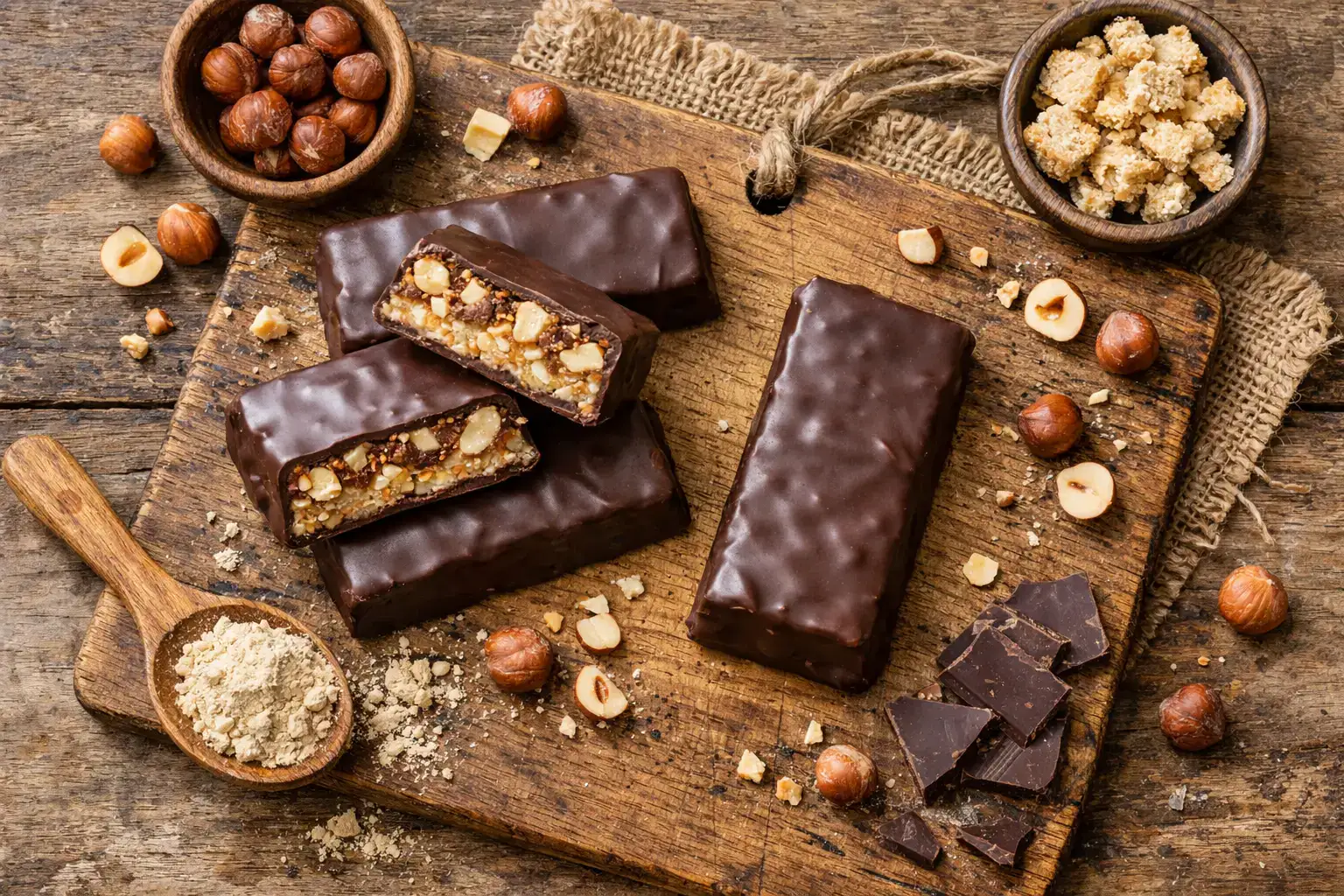
A plant-powered protein bar with 15g protein, 7g fiber, and no added sugar, delivering candy-bar taste with clean vegan macros.
Quick Nutrition Facts
Per 1 Bar (55g)
| Nutrient | Amount |
|---|---|
| Calories | 220 kcal |
| Protein | 15g |
| Carbohydrates | 27g |
| Fiber | 7g |
| Sugars | 1g |
| Fat | 10g |
| Saturated Fat | 5g |
| Sodium | 150mg |
| Iron | 2.5mg |
| Calcium | 120mg |
Macronutrient Breakdown
 ChatGPT
  Claude
  AI Mode
  Perplexity
NUTRITIONIST INSIGHT
Barebells Vegan bars pack 15g of complete plant protein from a soy-pea-rice blend with 7g fiber and only 1g sugar. The high fiber content slows digestion for sustained energy, making it one of the cleaner vegan protein bars on the market.
Myth Busters
MYTH #1: Plant Protein Bars Are Incomplete Proteins
TRUTH: Barebells Vegan uses a soy-pea-rice protein blend that provides all essential amino acids. Soy protein has a biological value comparable to whey protein with a well-balanced amino acid profile.
MYTH #2: Protein Bars Are Just Candy Bars in Disguise
TRUTH: Unlike candy bars with 25-35g sugar, Barebells Vegan has only 1g sugar. The 15g protein and 7g fiber promote satiety and steady blood sugar rather than spikes and crashes.
MYTH #3: Vegan Protein Bars Cause Bloating
TRUTH: While some people experience initial digestive adjustment, the 7g fiber in Barebells actually supports gut health. Start with half a bar if sensitive, and increase gradually. Fiber promotes healthy digestion and regular bowel movements.
MYTH #4: Soy Protein Disrupts Hormones
TRUTH: Large-scale reviews show moderate soy consumption (1-2 servings daily) does not affect testosterone or estrogen levels in men or women. Soy isoflavones may actually provide protective benefits for heart and bone health.
MYTH #5: You Need Whey Protein for Muscle Building
TRUTH: Plant-based protein blends can support muscle protein synthesis comparably to whey when total daily protein intake is adequate. The soy-pea-rice blend in Barebells provides a complete amino acid profile.
NutriScore by Health Goals
| Health Goal | NutriScore | Why This Score? |
|---|---|---|
| Weight Loss |  | 220 calories with 15g protein and 7g fiber promotes fullness. High protein-fiber snacks reduce subsequent food intake by up to 23%. Use as meal replacement snack. |
| Muscle Gain | | 15g complete plant protein supports muscle recovery. Eat post-workout with a banana for glycogen replenishment. |
| Diabetes Management | | Only 1g sugar, high fiber slows glucose absorption. Soy protein improves glycemic control and reduces insulin resistance. Monitor individual response. |
| PCOS Management | | Low sugar, high protein stabilizes insulin. Soy isoflavones may support hormonal balance. Limit to 1 bar daily. |
| Pregnancy Nutrition |  | Provides 15g protein and iron (2.5mg). Choose third-party tested products during pregnancy as plant-based bars may contain trace heavy metals. Consult your healthcare provider. |
| Viral/Flu Recovery | | Easy to eat, provides sustained protein for immune support. Pair with vitamin C-rich fruit for enhanced recovery. |
PERSONALIZED NUTRITION
Track your meals with NutriScan for personalized NutriScores based on your specific health goals!
Blood Sugar Response to Barebells Vegan Protein Bar
Understanding how this protein bar affects your blood glucose helps you time it effectively around workouts and meals.
Typical Glucose Response Curve
This chart shows typical blood glucose response for general healthy individuals. Individual responses may vary. Not medical advice.
How to Flatten the Spike
The high protein and fiber content already moderates the glucose response, but you can further optimize by:
- 🥛 Pair with unsweetened soy or almond milk - Adds protein and healthy fats for slower absorption
- 🥜 Eat with a handful of almonds or walnuts - Healthy fats further blunt the glucose curve
- 🚶 Take a 10-minute walk after eating - Light activity improves glucose uptake by muscles
- 💧 Drink water before and during - Hydration supports steady digestion and absorption
This combination keeps energy levels stable for 3-4 hours, making it ideal as a mid-morning or afternoon snack.
Cultural Significance
Vegan protein bars represent a major shift in sports nutrition that began in the 2010s, driven by environmental and health awareness.
Market Evolution:
- Barebells launched in Sweden in 2016, entering the vegan market by 2020
- Plant protein bars grew from 5% to over 25% of the protein bar market globally between 2018-2025
- Soy-pea-rice blends became the gold standard for complete amino acid profiles
Global Impact:
- Vegan protein bars reduce environmental footprint by 50-70% compared to whey-based bars
- Popular across fitness, wellness, and sustainability-focused communities worldwide
- India's plant-based protein market is among the fastest growing, aligning with vegetarian dietary traditions
In Fitness Culture:
- Embraced by CrossFit, yoga, and endurance athletes as convenient plant-based fuel
- Often used as meal replacement snacks by busy professionals
- Part of the broader "flexitarian" movement where even non-vegans choose plant options
Compare & Substitute
Barebells Vegan vs Similar Protein Bars (Per Bar)
| Nutrient | Barebells Vegan (55g) | Quest Bar (60g) | RXBAR (52g) | Clif Builder's (68g) |
|---|---|---|---|---|
| Calories | 220 kcal | 200 kcal | 210 kcal | 290 kcal |
| Protein | 15g | 21g | 12g | 20g |
| Carbs | 27g | 21g | 24g | 30g |
| Fiber | 7g | 14g | 5g | 3g |
| Fat | 10g | 8g | 9g | 11g |
| Sugar | 1g | 1g | 13g | 18g |
| Best For | Vegan, low sugar, high fiber | High protein, low carb, keto | Whole food ingredients | High calorie, pre-workout |
Frequently Asked Questions
How many calories are in a Barebells Vegan Protein Bar?
220 calories per bar (55g). This includes 15g plant-based protein, 27g carbohydrates, 10g fat, and 7g fiber with only 1g sugar. The calorie density is moderate compared to other protein bars.
Is Barebells Vegan Protein Bar good for weight loss?
Yes, with 15g protein and 7g fiber, it promotes satiety and helps control appetite between meals. At 220 calories, it works well as a mid-morning or afternoon snack replacement.
Best practices: Limit to 1 bar per day, eat as a snack replacement rather than an addition, pair with water, and track intake with NutriScan.
Can diabetics eat Barebells Vegan Protein Bar?
The combination of high protein, high fiber, and only 1g added sugar makes it a better option than most snack bars for diabetics. Soy protein has been shown to improve glycemic control.
Tips for diabetics:
- Monitor blood sugar 2 hours after eating
- Eat as a mid-morning or afternoon snack
- Pair with unsweetened beverage
- Start with half a bar to gauge individual response
Always consult your healthcare provider for personalized advice.
What protein sources are in Barebells Vegan bars?
Barebells Vegan uses a blend of soy protein, pea protein, and rice protein. This tri-source blend provides all essential amino acids, creating a complete protein profile comparable to whey protein. The combination compensates for the individual limitations of each plant protein source.
Is Barebells Vegan Protein Bar safe during pregnancy?
Soy-based protein bars are generally considered safe during pregnancy in moderation. They provide convenient protein (15g) and iron (2.5mg) per bar.
Precautions during pregnancy:
- Choose bars that are third-party tested for heavy metals
- Limit to 1 bar per day as a supplement, not a meal replacement
- Prioritize whole food protein sources as primary nutrition
- Consult your OB-GYN or healthcare provider
How does Barebells Vegan compare to whey protein bars?
Barebells Vegan provides 15g plant protein vs typical 20g in whey bars. It offers more fiber (7g vs 2-3g), is lactose-free, and has a lower environmental footprint. The soy-pea-rice blend provides a complete amino acid profile, though whey has slightly faster absorption post-workout.
Track your protein bar intake with NutriScan app to see how it fits your daily nutrition goals.


Similar Nutritious Foods
4505 Chicharrones Classic Chili Salt
7 Eleven Japan Crispy Corn Cheese
Explore More Nutrition Tools & Resources
AI Calorie Counter App - Snap a Photo, Get Macros
AI Nutritionist App That Reads Your Logged Meals
Best Protein Supplements for Women
Bulking Meal Plan App That Sets Your Surplus
ChatGPT Calorie Counter Alternative That Keeps the Total
ChatGPT Diet Plan Alternative That Tracks What You Eat
ChatGPT Weight Loss Coach Alternative With a Food Log
Fast Food Calorie Counter App That Reads the Tray
Free Calorie Tracker App with AI Photo Scans | NutriScan
Indian Diet Plan App With Veg and Non Veg Meals
Indian Food Calorie Calculator - Get Instant Nutrition Facts for Desi Meals — 2026
Intermittent Fasting for Women, Timer and Meal Log App
Intermittent Fasting Tracker App - Free Fasting Timer
Macro Tracker App That Fills the Numbers From a Photo
Mediterranean Diet Meal Plan App That Counts the Oil
Micronutrient Tracker App for Vitamins and Minerals
MyFitnessPal Alternative That Stays Free | NutriScan
NutriScore App: A Free Grade on Every Meal | NutriScan
Nutrition Label Scanner App for the Amount You Ate
Second Trimester Protein Guide
Vegetarian Meal Plan App With a Protein Target
Voice Calorie Counter - Speak to Track Meals Hands-Free
Water and Calorie Tracker App - Free Water Log