Munk Pack Probiotic Protein Bar: Calories, Nutrition and Health Benefits
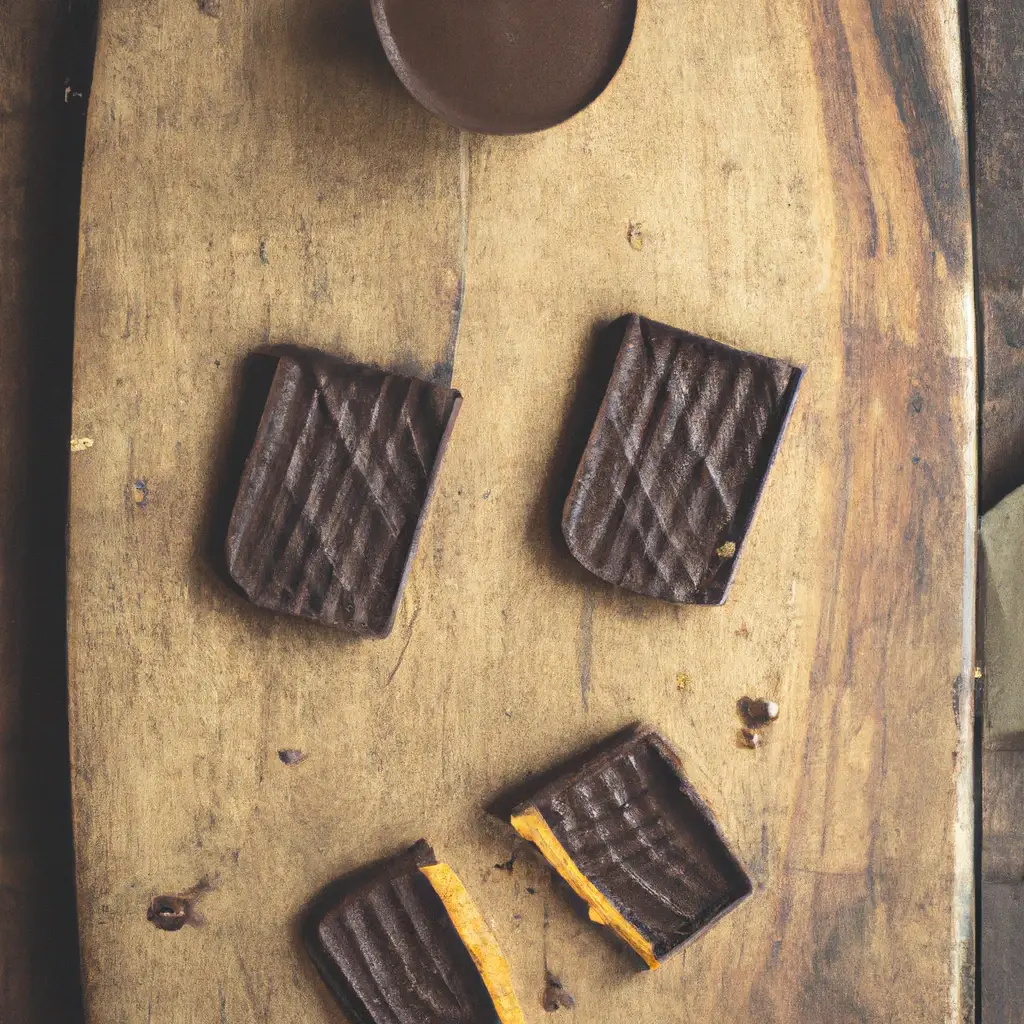
Keto-friendly plant-based bar pairing 15g protein with live probiotics for muscle recovery and gut support in one snack.
Quick Nutrition Facts
Per 1 Bar (57g / 2.01 oz, Peanut Butter Cup)
| Nutrient | Amount |
|---|---|
| Calories | 190 kcal |
| Protein | 15g |
| Carbohydrates | 16g (4g net) |
| Fiber | 6g |
| Sugars | 1g |
| Fat | 11g |
| Saturated Fat | 4g |
| Sodium | 140mg |
| Probiotics | 1 Billion CFU |
| Sweetener | Allulose |
Macronutrient Breakdown
 ChatGPT
  Claude
  AI Mode
  Perplexity
NUTRITIONIST INSIGHT
Munk Pack stacks 15g plant protein with 1 billion CFU of Bacillus coagulans, a heat-stable spore probiotic that survives the bar's manufacturing and your stomach acid. Pair it with water on an empty stomach so the probiotic plus 4g prebiotic fiber reaches the gut together for maximum effect.
Myth Busters
MYTH #1: Probiotics in a Shelf-Stable Bar Are Dead by the Time You Eat It
TRUTH: B. coagulans is a spore-forming strain that stays viable through baking, shelf life, and stomach acid. Multiple genome and viability studies confirm it survives processing and reaches the colon alive, unlike fragile yogurt-style strains.
MYTH #2: Plant Protein Is Inferior for Muscle Building
TRUTH: The bar's 15g blend (soy isolate, peanut, fava, pumpkin seed) supplies all 9 essential amino acids. Soy isolate alone matches whey for muscle protein synthesis when total daily protein hits 1.6 g/kg bodyweight.
MYTH #3: All Sugar Alcohols Wreck Your Gut
TRUTH: Munk Pack uses allulose, a rare sugar that is absorbed but not metabolized for energy. Unlike maltitol or sorbitol, allulose causes minimal GI distress and zero blood sugar response in most people, which is why this bar is keto and diabetic friendly.
MYTH #4: Eating One Probiotic Bar Will Fix Your Gut
TRUTH: A single dose of probiotics doesn't permanently colonize your gut. Probiotic benefits depend on consistent daily intake plus prebiotic fiber to feed both supplemental and resident bacteria. Treat the bar as one input in a daily routine.
MYTH #5: 11g of Fat Means the Bar Will Make You Gain Weight
TRUTH: Most of the 11g comes from peanuts (mono- and polyunsaturated fats) plus a small amount of palm kernel oil. The fat plus 6g fiber slows digestion, keeping you full and reducing total daily intake. Weight gain comes from total weekly surplus, not one 190-cal bar.
MYTH #6: Probiotic Bars Are the Same as Eating Yogurt
TRUTH: Yogurt strains (Lactobacillus, Bifidobacterium) and Bacillus coagulans play different roles. B. coagulans is more shelf-stable and survives transit better, but yogurt also delivers calcium and casein. Use both for variety, not as substitutes.
NutriScore by Health Goals
| Health Goal | NutriScore | Why This Score? |
|---|---|---|
| Weight Loss |  | 190 cal with 15g protein + 6g fiber drives 3-4 hour satiety, 1g sugar prevents insulin spikes. Limit to 1 bar daily as snack swap. |
| Muscle Gain | | 15g complete plant protein blend supports MPS post-workout. Pair with a banana or rice for 30g+ carbs to refill glycogen. |
| Diabetes Management | | 4g net carbs, 1g sugar, allulose sweetener. Bacillus coagulans may modestly improve insulin sensitivity and the macros keep glucose flat. |
| PCOS Management | | High protein, low glycemic load, no added sugar. Plant blend supports inflammation control; soy isolate is safe at moderate intake (1 bar/day). |
| Pregnancy Nutrition |  | B. coagulans probiotic strains have favorable safety profiles in toxicity studies, but check with your OB-GYN before regular probiotic use. Soy and palm oil are fine in moderation. |
| Viral/Flu Recovery | | Useful protein + probiotic combo, but lacks vitamin C, zinc, or hydration support. Better as a supplement to broth-based recovery foods. |
PERSONALIZED NUTRITION
Track every bar, meal, and macro with NutriScan to see exactly how Munk Pack fits your health goal — diabetic, keto, PCOS, or muscle gain — with personalized NutriScores.
Blood Sugar Response to Munk Pack Probiotic Bar
With 4g net carbs, 1g sugar, and allulose as the primary sweetener, this bar produces one of the flattest glucose curves of any sweet snack on the market.
Typical Glucose Response Curve
This chart shows typical blood glucose response for general healthy individuals. Individual responses may vary. Not medical advice.
How to Flatten the Spike
Pairing the bar with protein-friendly habits keeps glucose almost flat and extends fullness:
- 💧 Drink 250ml water with the bar - hydrates allulose, supports probiotic transit
- 🚶 Walk 10 minutes after eating - amplifies muscle glucose uptake
- 🥛 Pair with unsweetened almond milk - adds calcium without raising carbs
- ☕ Combine with black coffee - polyphenols complement the prebiotic fiber
The result is a near-flat curve, making this bar one of the few sweet-tasting snacks safe for tight glucose control.
Cultural Significance
Probiotic protein bars represent a 2020s convergence of three older traditions: gut-fermented foods (kefir, kimchi, lassi), American sports nutrition (PowerBar, late 1980s), and the global low-carb movement.
In the United States:
- Munk Pack launched in 2013 as oat squeezes; pivoted to keto/low-sugar in 2018
- Bacillus coagulans probiotic added in 2023 as gut health entered mainstream snacking
- Sold at Whole Foods, Sprouts, Costco, Walmart, and Amazon
In India:
- Probiotic culture is ancient (curd, kanji, idli batter); plant-protein bars are new and premium
- Imported and sold via specialty health stores and Amazon India for ₹250–₹400 per bar
- Indian consumers compare them favorably with traditional besan ladoo (300+ cal, 30g sugar)
Global Adoption:
- Probiotic snack bar category grew 38% YoY 2022–2024
- Driving forces: GLP-1 medication users seeking high-protein low-cal snacks; gut-microbiome research awareness
Compare & Substitute
Munk Pack vs Similar Protein Bars (Per Bar)
| Nutrient | 🥜 Munk Pack Probiotic | 🍫 Quest Protein | 🥥 RXBAR | 🌱 Aloha Plant |
|---|---|---|---|---|
| Bar Weight | 57g | 60g | 52g | 56g |
| Calories | 190 kcal | 200 kcal | 210 kcal | 270 kcal |
| Protein | 15g | 21g | 12g | 14g |
| Net Carbs | 4g | 4g | 24g | 12g |
| Fiber | 6g | 14g | 5g | 13g |
| Sugar | 1g | 1g | 13g | 4g |
| Fat | 11g | 8g | 9g | 18g |
| Probiotics | 1B CFU B. coagulans | None | None | None |
| Sweetener | Allulose, monk fruit | Sucralose, erythritol | Dates | Brown rice syrup |
| Best For | Gut health + low carb | Highest protein per cal | Whole-food clean label | Vegan with extra calories |
Frequently Asked Questions
How many calories are in a Munk Pack Probiotic Protein Bar?
1 bar (57g) has 190 calories, 15g plant protein, 11g fat, 16g total carbs, 6g fiber, and only 1g sugar. Net carbs land at roughly 4g, putting it inside standard keto and diabetic carb limits.
Most flavors (Peanut Butter Cup, Cookie Dough, Cocoa Crisp, Peanut Butter Chocolate) sit in the 180–210 cal range with minor differences in fat and fiber.
Is Munk Pack Probiotic Bar good for weight loss?
Yes. The combination of 15g protein, 6g fiber, 1g sugar, and allulose drives satiety without spiking insulin.
How to use for weight loss:
- Replace a sugary 300+ cal snack with 1 bar (saves ~120 cal)
- Eat between meals with water; aim for 4-hour gaps
- Cap at 1 bar per day; the 11g fat adds up across multiple bars
Can diabetics eat Munk Pack Probiotic Protein Bars?
Yes, in most cases. With 4g net carbs, 1g sugar, and allulose (which the body absorbs but does not metabolize for glucose), the bar has minimal blood sugar impact.
Tips for diabetics:
- Test your post-bar glucose at 30 and 90 minutes the first 2 times
- Pair with water or a walk; avoid stacking with other carb-heavy foods
- Type 1 users: still count 4g net carbs in your bolus calculation
What probiotic strain is in Munk Pack bars?
Munk Pack uses Bacillus coagulans, a spore-forming probiotic that survives heat, manufacturing, and stomach acid better than yogurt strains. Each bar provides 1 billion CFU plus 4g of prebiotic fiber to feed your existing microbiome.
B. coagulans has a strong safety record across reproductive, chronic, and genomic toxicity studies, making it suitable for daily consumption.
Are Munk Pack Probiotic bars keto-friendly?
Yes. With 4g net carbs, 0g added sugar, and allulose plus monk fruit as sweeteners, the bar fits standard keto (≤20g daily net carbs) and low-carb (≤50g) plans.
Keto-specific notes:
- Allulose does not raise blood ketones or glucose
- Watch palm kernel oil saturated fat (4g) if you're targeting unsaturated-fat keto
- The 11g fat helps hit fat macros without overshooting calories
When is the best time to eat a Munk Pack Probiotic bar?
Depends on your goal:
- Weight Loss: Mid-morning or 3 PM to bridge between meals
- Muscle Gain: Within 30 minutes post-workout for the 15g protein hit
- Gut Health: Morning on a near-empty stomach so the probiotic transits with less food
- Diabetes: Pair with water; avoid right before bed
IMPORTANT NOTE
Limit to 1–2 bars per day. Soluble fiber + allulose can cause bloating in higher doses, especially when introducing them for the first time.
Can pregnant or breastfeeding women eat Munk Pack Probiotic bars?
Most ingredients (soy isolate, peanut, fava, pumpkin seed, allulose) are safe in moderation during pregnancy. The probiotic B. coagulans has favorable safety data, but systematic reviews of probiotic use in pregnancy mostly cover Lactobacillus and Bifidobacterium, so check with your OB-GYN before daily use.
Skip if you have a peanut, soy, or tree nut allergy — most flavors contain at least one.
Why does Munk Pack use allulose instead of regular sugar alcohols?
Allulose advantages:
- No GI side effects unlike maltitol/sorbitol which cause bloating and diarrhea
- Zero glycemic impact — absorbed but not metabolized for energy
- 70% as sweet as sugar with a clean taste profile
- FDA-permitted to be excluded from "added sugars" on labels
For users sensitive to erythritol or sucralose (Quest, Atkins), Munk Pack is often easier to digest.


Similar Nutritious Foods
4505 Chicharrones Classic Chili Salt
7 Eleven Japan Crispy Corn Cheese
Explore More Nutrition Tools & Resources
AI Calorie Counter App - Snap a Photo, Get Macros
AI Nutritionist App That Reads Your Logged Meals
Best Protein Supplements for Women
Bulking Meal Plan App That Sets Your Surplus
ChatGPT Calorie Counter Alternative That Keeps the Total
ChatGPT Diet Plan Alternative That Tracks What You Eat
ChatGPT Weight Loss Coach Alternative With a Food Log
Fast Food Calorie Counter App That Reads the Tray
Free Calorie Tracker App with AI Photo Scans | NutriScan
Indian Diet Plan App With Veg and Non Veg Meals
Indian Food Calorie Calculator - Get Instant Nutrition Facts for Desi Meals — 2026
Intermittent Fasting for Women, Timer and Meal Log App
Intermittent Fasting Tracker App - Free Fasting Timer
Macro Tracker App That Fills the Numbers From a Photo
Mediterranean Diet Meal Plan App That Counts the Oil
Micronutrient Tracker App for Vitamins and Minerals
MyFitnessPal Alternative That Stays Free | NutriScan
NutriScore App: A Free Grade on Every Meal | NutriScan
Nutrition Label Scanner App for the Amount You Ate
Second Trimester Protein Guide
Vegetarian Meal Plan App With a Protein Target
Voice Calorie Counter - Speak to Track Meals Hands-Free
Water and Calorie Tracker App - Free Water Log