Tesco Finest Dry Aged Aberdeen Angus Beef Burger: Calories, Nutrition Facts & Health Guide
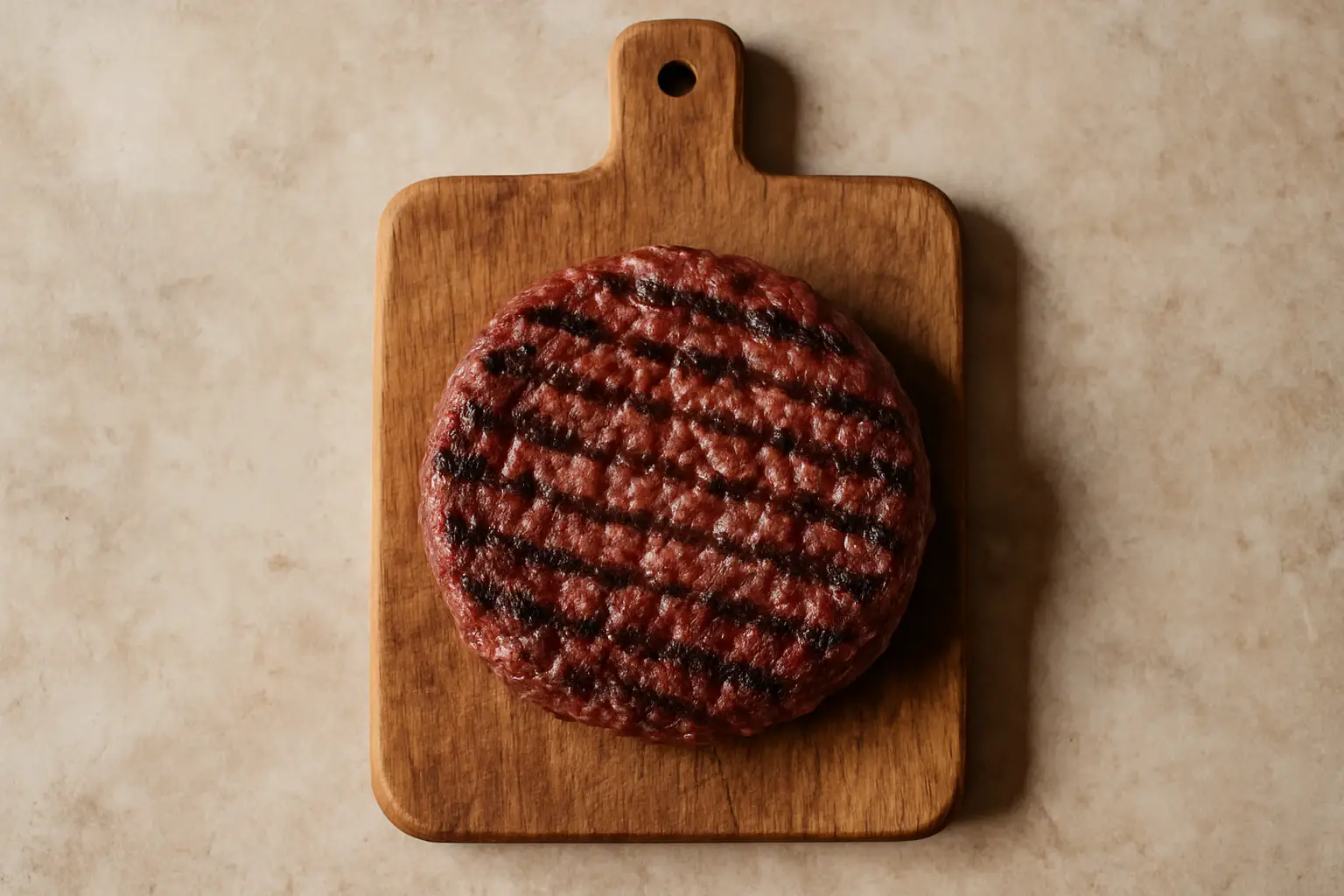
Tesco Finest Dry Aged Aberdeen Angus Beef Burger is a premium 170g burger patty made from 100% Aberdeen Angus beef that has been dry-aged for enhanced flavour and tenderness. Per burger: 441 kcal, 37g protein, 32g fat, 0g carbs. High-protein, zero-carb, and ideal for low-carb and muscle-building diets — but its high fat and calorie count call for portion awareness.
Quick Nutrition Facts
Per 1 burger patty (170g)
| Nutrient | Amount |
|---|---|
| Calories | 441 kcal |
| Protein | 37g |
| Carbohydrates | 0g |
| Fiber | 0g |
| Sugars | 0g |
| Fat | 32g |
| Sodium | 255 mg |
Macronutrient Breakdown
 ChatGPT
  Claude
  AI Mode
  Perplexity
NUTRITIONIST'S INSIGHT
Dry-aged Aberdeen Angus beef burgers are nutritionally dense in the truest sense: the dry-aging process draws out moisture while concentrating flavour compounds and slightly elevating fat and protein per gram versus standard fresh-ground beef. At 37g protein per burger, this single patty covers roughly half of an average adult's daily protein requirement — a meaningful contribution in one meal. The flip side is 32g of fat, including substantial saturated fat (~13–15g estimated), which puts it at 65–75% of the recommended daily saturated fat limit in one serving. For cardiovascular health, this isn't a daily food — but for athletes, those on ketogenic or low-carb diets, or people in a caloric surplus, it is an exceptionally efficient protein source. The key variables are cooking method (grilling or pan-searing without extra fat is preferable to shallow-frying in butter) and what you serve it with. A dry-aged beef burger in a lettuce wrap with tomato is a very different nutritional proposition from the same patty in a brioche bun with cheese, bacon, and sauce.
Myth Busters
MYTH #1: Dry-aged beef has significantly more calories than regular beef.
TRUTH: Dry-aging concentrates flavour by reducing moisture, so per gram, dry-aged beef can be marginally higher in calories and fat (roughly 5–10%) than an equivalent fresh-ground patty. However, the difference is not dramatic — dry-aged burgers are not a uniquely calorie-dense category. The premium flavour comes from enzymatic breakdown and the Maillard reaction, not from added ingredients. Dry Aging of Beef — Effect on Microbiological, Physicochemical and Sensory Quality — PubMed / Foods 2021
MYTH #2: A beef burger is a complete and balanced meal on its own.
TRUTH: A plain beef patty is high in protein and fat but contains zero fibre, vitamin C, folate, and minimal micronutrients beyond iron, zinc, and B12. To make it a balanced meal, add vegetables (lettuce, tomato, onion), a fibre-rich bun or complex carbohydrate, and limit high-fat accompaniments like cheese and full-fat mayo. USDA FoodData Central — Ground Beef Patties, 80% Lean / 20% Fat, Pan-Broiled
MYTH #3: Aberdeen Angus beef is always leaner than standard beef.
TRUTH: Aberdeen Angus cattle are well-marbled, meaning their beef is actually higher in intramuscular fat than many commodity beef breeds — which is precisely why it's prized for flavour and tenderness. These burgers are not low-fat. The fat content (approximately 19g/100g raw) is typical of an 80/20 lean-to-fat ratio ground beef patty. USDA FoodData Central — Ground Beef Patties, 80% Lean / 20% Fat, Pan-Broiled; Dry Aging of Beef — Effect on Microbiological, Physicochemical and Sensory Quality — PubMed / Foods 2021
MYTH #4: Cooking a burger well-done makes it healthier.
TRUTH: Cooking beef at high temperatures for extended periods can increase formation of heterocyclic amines (HCAs) and polycyclic aromatic hydrocarbons (PAHs) — compounds linked to cancer risk in large epidemiological studies. Medium to medium-well (internal temperature 70–74°C) balances food safety with minimising these compounds. Well-done also increases fat loss and moisture loss, affecting texture more than it meaningfully reduces calories. Red Meat Consumption and Risk of Type 2 Diabetes — PubMed / BMJ 2023
MYTH #5: Red meat raises blood sugar because it's high in calories.
TRUTH: Beef has a glycemic index of essentially 0 — it contains no carbohydrates and does not directly raise blood glucose. However, the insulin index of beef is moderate, and high saturated fat intake over time is associated with impaired insulin sensitivity. The burger patty alone won't spike blood sugar; the bun, condiments, and sides are the glucose drivers. Red Meat Consumption and Risk of Type 2 Diabetes — PubMed / BMJ 2023
NutriScore by Health Goals
| Health Goal | NutriScore | Why This Score? |
|---|---|---|
| Weight Loss |  | 441 kcal per burger is high for a single protein source. The 37g protein delivers strong satiety, which supports calorie control overall. Best consumed without bun or high-calorie toppings. Aberdeen Angus Beef Burgers — Tesco Finest Calories — Fitia UK; USDA FoodData Central — Ground Beef Patties, 80% Lean / 20% Fat, Pan-Broiled |
| Muscle Building |  | 37g protein per burger is exceptional. Beef provides all essential amino acids including leucine — the key trigger for muscle protein synthesis. Ideal post-workout or as a primary meal protein source. USDA FoodData Central — Ground Beef Patties, 80% Lean / 20% Fat, Pan-Broiled; Dry Aging of Beef — Effect on Microbiological, Physicochemical and Sensory Quality — PubMed / Foods 2021 |
| Heart Health |  | High in saturated fat (~13–15g estimated per burger). Regular consumption of red meat, especially processed or high-fat variants, is associated with increased cardiovascular risk markers. Red Meat Consumption and Risk of Type 2 Diabetes — PubMed / BMJ 2023 |
| Diabetes Management |  | Zero carbohydrates — no direct blood glucose impact. However, high saturated fat over time is linked to insulin resistance. Suitable as an occasional protein choice in a low-carb diabetes meal plan. Red Meat Consumption and Risk of Type 2 Diabetes — PubMed / BMJ 2023 |
| Athletic Performance |  | High protein (37g), creatine from beef, and iron and zinc for oxygen transport and immune function. Excellent for strength athletes. Less ideal for endurance athletes needing quick carbohydrate energy. USDA FoodData Central — Ground Beef Patties, 80% Lean / 20% Fat, Pan-Broiled; Dry Aging of Beef — Effect on Microbiological, Physicochemical and Sensory Quality — PubMed / Foods 2021 |
| Gut Health | | Zero dietary fibre. High red meat consumption is associated with altered gut microbiome composition. Pair with high-fibre vegetables and wholegrains to offset. Red Meat Consumption and Risk of Type 2 Diabetes — PubMed / BMJ 2023 |
| Pregnancy & Prenatal | | Excellent source of iron, zinc, and B12 — all critical in pregnancy. High protein supports foetal development. Limit to 2–3 servings per week and cook to well-done (74°C internal) to eliminate pathogen risk. USDA FoodData Central — Ground Beef Patties, 80% Lean / 20% Fat, Pan-Broiled; Red Meat Consumption and Risk of Type 2 Diabetes — PubMed / BMJ 2023 |
PERSONALIZED NUTRITION
Track your meals with NutriScan for personalized NutriScores based on your specific health goals!
Blood Sugar Response to Tesco Finest Dry Aged Aberdeen Angus Beef Burger
Understanding how Tesco Finest Dry Aged Aberdeen Angus Beef Burger affects blood glucose can help with timing and meal pairing. Red Meat Consumption and Risk of Type 2 Diabetes — PubMed / BMJ 2023
Typical Glucose Response Curve
**Not medical advice**
How to flatten the spike
- Keep the portion to the labelled serving and avoid eating straight from the bag or tray.
- Pair it with a protein or fibre source, such as Greek yogurt, eggs, lentils, beans, salad, or edamame, when you want steadier appetite and glucose control.
- Avoid pairing it with sugary drinks; choose water, unsweetened tea, or coffee so the snack does not become a larger sugar load.
Cultural Significance
Aberdeen Angus cattle originated in the north-east of Scotland in the early 19th century, bred by Hugh Watson and William McCombie from local black hornless cattle. The breed became globally synonymous with high-quality, well-marbled beef and is now one of the most widely used beef breeds in the UK, US, and Australia. Tesco's Finest range positions Aberdeen Angus as the marker of premium quality within its own-label hierarchy — a consistent UK consumer shorthand for 'better beef.' The dry-aging designation elevates this further: dry-aging is a traditional butchery technique that was largely industrially abandoned in the mid-20th century in favour of wet-aging (vacuum-sealed), and its return to supermarket shelves signals a broader 'craft butchery' trend in UK retail.
Compare & Substitute
Tesco Finest Dry Aged Aberdeen Angus Beef Burger vs Similar Foods
| Nutrient | Quorn Meat-Free Quarter Pounder Burgers | Turkey Burger Patty (lean, 93/7) | Salmon Fillet (grilled, 170g) | Lentil & Chickpea Burger Patty |
|---|---|---|---|---|
| Calories | 220 kcal | 190 kcal | 240 kcal | 130 kcal |
| Protein | 18g | 24g | 30g | 5g |
| Carbohydrates | 8g | 2g | 2g | 18g |
| Fat | 12g | 10g | 12g | 4.5g |
Frequently Asked Questions
How many calories are in a Tesco Finest Dry Aged Aberdeen Angus Beef Burger?
Each 170g burger patty contains approximately 441 calories (raw weight). The pack contains 2 burgers totalling 340g. Calorie count is based on 259 kcal per 100g — a figure consistent across multiple nutrition databases for Tesco Finest Aberdeen Angus beef burgers. Cooked weight will be slightly less due to moisture and fat loss during cooking.
What makes dry-aged beef different from regular beef?
Dry-aging is a controlled process where beef is stored uncovered in a temperature- and humidity-regulated environment for weeks to months. During this time, natural enzymes break down connective tissue, making the meat more tender. Moisture evaporates (up to 15–20%), which concentrates flavour. The result is a beefier, nuttier flavour profile and a more tender texture compared to standard wet-aged or fresh-ground beef.
Is this burger suitable for a keto or low-carb diet?
Yes — the patty itself contains 0g of carbohydrates, making it fully compatible with ketogenic and low-carb diets. Pair it with a lettuce wrap or portobello mushroom bun instead of a standard bread roll to keep the meal keto-compliant.
How should I cook a Tesco Finest Dry Aged Aberdeen Angus Beef Burger?
For best results, cook on a preheated grill or heavy pan (cast iron is ideal) on high heat. Cook for 4–5 minutes per side for medium-well, or until internal temperature reaches 74°C (165°F) for food safety. Avoid pressing the burger while cooking — this squeezes out fat and moisture, reducing juiciness. Rest for 2 minutes after cooking before serving.
Is Aberdeen Angus beef actually higher quality than regular beef?
Aberdeen Angus cattle are genetically predisposed to produce beef with higher intramuscular fat marbling, which contributes to flavour and tenderness. However, 'Aberdeen Angus' is not a protected designation in UK supermarkets — it refers to breed origin but not to a specific marbling grade or aging specification. Tesco Finest applies additional quality criteria (including dry-aging) to differentiate this product from standard Aberdeen Angus offerings.




Similar Nutritious Foods
4505 Chicharrones Classic Chili Salt
7 Eleven Japan Crispy Corn Cheese
Explore More Tools
AI Calorie Counter App - Snap a Photo, Get Macros
AI Nutritionist App That Reads Your Logged Meals
Best Protein Supplements for Women
Bulking Meal Plan App That Sets Your Surplus
ChatGPT Calorie Counter Alternative That Keeps the Total
ChatGPT Diet Plan Alternative That Tracks What You Eat
ChatGPT Weight Loss Coach Alternative With a Food Log
Fast Food Calorie Counter App That Reads the Tray
Free Calorie Tracker App with AI Photo Scans | NutriScan
Indian Diet Plan App With Veg and Non Veg Meals
Indian Food Calorie Calculator - Get Instant Nutrition Facts for Desi Meals — 2026
Intermittent Fasting for Women, Timer and Meal Log App
Intermittent Fasting Tracker App - Free Fasting Timer
Macro Tracker App That Fills the Numbers From a Photo
Mediterranean Diet Meal Plan App That Counts the Oil
Micronutrient Tracker App for Vitamins and Minerals
MyFitnessPal Alternative That Stays Free | NutriScan
NutriScore App: A Free Grade on Every Meal | NutriScan
Nutrition Label Scanner App for the Amount You Ate
Second Trimester Protein Guide
Vegetarian Meal Plan App With a Protein Target
Voice Calorie Counter - Speak to Track Meals Hands-Free
Water and Calorie Tracker App - Free Water Log